Bread Machine Pumpernickel Bread
Rate this recipeBe the first to rate
 By AprilPublished
Are you a fan of dark, rich, and hearty bread? Look no further than pumpernickel bread!
 By AprilPublished
Are you a fan of dark, rich, and hearty bread? Look no further than pumpernickel bread!
Arrange the ingredients in the bread machine pan according to the manufacturer's instructions.
Choose the Basic cycle option on the machine.
Press the Start button to begin the process.
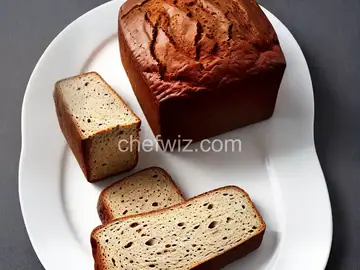
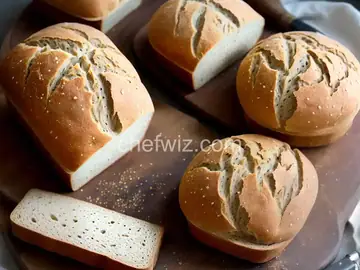
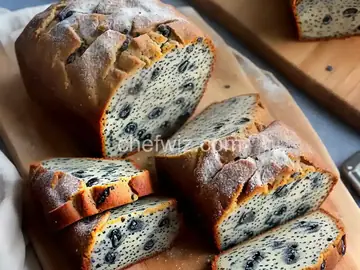
Are you a fan of dark, rich, and hearty bread? Look no further than pumpernickel bread! This German specialty is known for its deep brown color and robust flavor. In this article, we will explore how to make pumpernickel bread using a bread machine. Let's dive in!
Making bread from scratch can be a time-consuming process, but a bread machine can make it much more convenient. With a bread machine, you can simply add the ingredients, press a few buttons, and let the machine do all the hard work for you. Plus, the aroma of freshly baked bread filling your home is simply irresistible!
Before we jump into the process, let's talk about the key ingredients you'll need for pumpernickel bread. The star ingredient is rye flour, which gives the bread its distinct flavor and texture. Additionally, you'll need some bread flour, cocoa powder, molasses, caraway seeds, and yeast.
Now that we have our ingredients ready, let's walk through the process of making pumpernickel bread in a bread machine. First, you'll need to add the ingredients to the bread pan in the order recommended by your machine's manufacturer. Start with the liquid ingredients, followed by the dry ingredients, and finally the yeast. Set your machine to the appropriate cycle for whole wheat or dark bread.
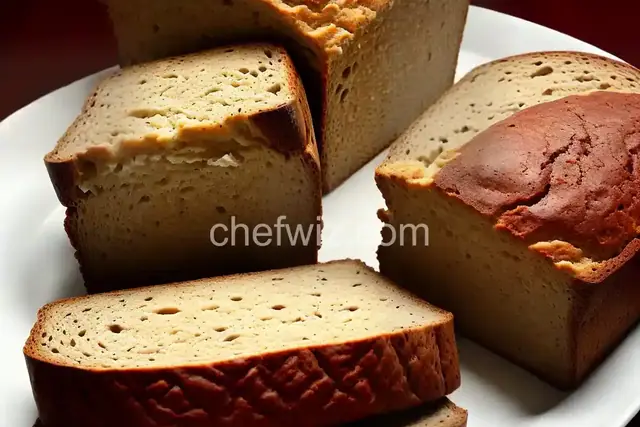
As the machine kneads the dough and allows it to rise, the flavors will meld together, resulting in a deliciously aromatic bread. Once the baking cycle is complete, carefully remove the bread from the pan and let it cool on a wire rack. It's important to resist the temptation to slice into it immediately, as the bread needs time to cool and set.
Pumpernickel bread is a delicious and hearty option for bread lovers. With a bread machine, you can easily enjoy this German specialty without the hassle of kneading and rising the dough manually. So why not give it a try? Follow our simple recipe, and soon you'll be savoring the rich flavors of freshly baked pumpernickel bread. Happy baking!
Yes, you can! While a bread machine makes the process more convenient, you can still make pumpernickel bread by kneading and rising the dough manually. It may take a bit more time and effort, but the result will be equally delicious.
While whole wheat flour can be used as a substitute, keep in mind that it will alter the flavor and texture of the bread. Rye flour contributes to the distinct taste and the dense crumb of pumpernickel bread, so it's best to use it if possible.
Pumpernickel bread has a good shelf life compared to other bread varieties. When stored in a cool, dry place, it can stay fresh for up to a week. To extend its freshness, you can also freeze it in slices and thaw them as needed.
Absolutely! Pumpernickel bread is versatile, and you can experiment with adding nuts, seeds, or even dried fruits to enhance its flavor and texture. Just make sure to adjust the quantities accordingly to maintain the balance of the dough.
No, pumpernickel bread is not gluten-free. Rye flour contains gluten, so if you have a gluten intolerance or allergy, it's best to avoid pumpernickel bread or look for gluten-free alternatives.
Yes, you can substitute instant yeast for active dry yeast in most bread recipes, including pumpernickel bread. Just keep in mind that the rising time may be slightly different, so pay attention to the dough's progress.
Yes, you can omit caraway seeds if you're not a fan of their flavor. However, caraway seeds contribute to the traditional taste of pumpernickel bread, so if possible, it's worth giving them a try.
It's best to let pumpernickel bread cool completely before slicing it. Slicing it while warm may cause it to crumble or lose its shape. Patience is key!
AprilCook, recipe developer and the heart of Chefwiz. More about April