Pumpernickel Bread II
Rate this recipeBe the first to rate
 By AprilPublished
 Are you ready to dive into the delicious world of homemade bread?
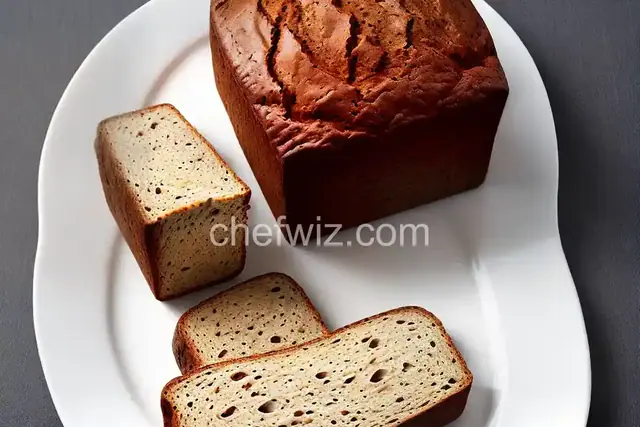 By AprilPublished
 Are you ready to dive into the delicious world of homemade bread?
In a bowl, combine bread flour, rye flour, cornmeal, salt, yeast, cocoa, and brown sugar. Mix all the ingredients thoroughly.
Add milk, oil, and molasses to the mixture. Mix everything together until well combined.
Once the dough holds together, knead it by hand for 15-20 minutes.
Cover the dough with a cloth and let it rise in the bowl for 30 minutes.
After 30 minutes, punch down the dough and shape it into a loaf. Place the loaf into a 9 1/2x5 inch pan.
Cover the pan with a damp cloth and let the dough rise for about 1 hour.
Preheat the oven to 375 degrees F (190 degrees C).
Bake the loaf in the preheated oven for 25 to 30 minutes.
During the last 10 minutes of baking, cover the top of the loaf with aluminum foil.
Remove the loaf from the oven and let it cool before serving.
Are you ready to dive into the delicious world of homemade bread? Look no further than Pumpernickel Bread II! This hearty and flavorful bread is the perfect addition to any meal or snack. In this article, we'll explore the beauty of making your own bread, the unique qualities of Pumpernickel Bread, and answer some common questions about this popular bread variety.
There's something magical about the process of making bread from scratch. The aroma that fills your kitchen as the bread bakes, the satisfaction of kneading the dough with your own hands - it's a truly rewarding experience. Plus, nothing beats the taste of fresh, homemade bread. With just a few simple ingredients and some patience, you can create a culinary masterpiece that will impress your family and friends.
Pumpernickel Bread is known for its distinct dark color and rich, earthy flavor. The secret to achieving this unique taste lies in the use of rye flour and a long, slow baking process. The dough is typically made with a combination of rye flour, wheat flour, and a sourdough starter, which gives the bread its tangy flavor. The long baking time at a low temperature helps to develop the deep, dark color of the crust and intensify the flavors.
Pumpernickel Bread II is a delightful bread that offers a unique flavor and texture. Its dark color and rich taste make it a standout addition to any meal. Whether you're a seasoned bread baker or just starting out, this recipe is sure to impress. So why not roll up your sleeves, gather your ingredients, and embark on a bread-making adventure? Your taste buds will thank you!
Absolutely! While a sourdough starter adds complexity to the flavor, you can still make delicious Pumpernickel Bread using commercial yeast. Just be sure to adjust the recipe accordingly.
Although rye flour is the traditional choice for Pumpernickel Bread, you can experiment with different ratios of rye flour and all-purpose flour to suit your taste. Keep in mind that using all-purpose flour alone may result in a lighter texture and less pronounced flavor.
When stored properly in an airtight container, Pumpernickel Bread can stay fresh for up to a week. You can also freeze the bread for longer storage.
Absolutely! Pumpernickel Bread is versatile and can be customized to your liking. Feel free to add ingredients like caraway seeds, sunflower seeds, or chopped nuts for extra flavor and texture.
Yes, you can use a bread machine to mix and knead the dough for Pumpernickel Bread. However, for the best results, it's recommended to transfer the dough to a traditional oven for baking.
Pumpernickel Bread is a great choice for those looking for a healthier bread option. It is lower in calories and carbohydrates compared to white bread and contains more fiber and nutrients.
Yes, there are gluten-free versions of Pumpernickel Bread available. Look for gluten-free flours and alternative binders, such as xanthan gum, to achieve the desired texture.
Pumpernickel Bread is incredibly versatile and can be enjoyed in various ways. Use it to make sandwiches with your favorite fillings, serve it alongside soups or stews, or simply enjoy it toasted with butter or cream cheese.
AprilCook, recipe developer and the heart of Chefwiz. More about April