Boneless Prime Rib Roast
Rate this recipeBe the first to rate
 By AprilPublished
 Are you a meat lover? Do you crave the juicy tenderness of a perfectly cooked prime rib roast?
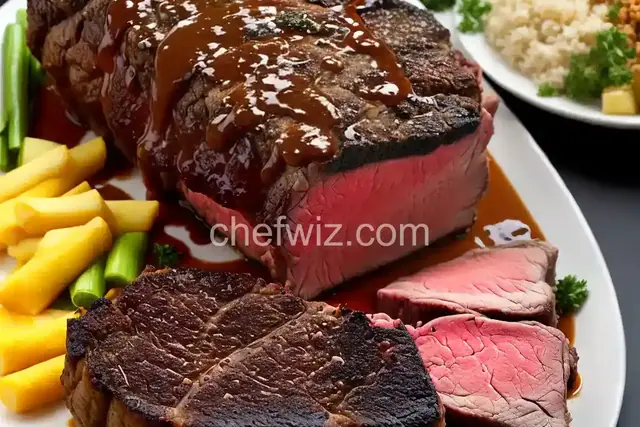 By AprilPublished
 Are you a meat lover? Do you crave the juicy tenderness of a perfectly cooked prime rib roast?
To prepare the prime rib, preheat the oven to 500 degrees F. In a medium bowl, combine butter, horseradish, peppercorns, and 2 tablespoons of salt. Mix well. Evenly spread the seasoned butter on the top and sides of the roast, leaving the bottom bare. Place the roast on a rack in a large roasting pan. Roast for 35 to 40 minutes (5 minutes per pound). Afterward, turn off the oven and let the roast sit inside for 1 1/2 hours without opening the oven door. The roast should have a dark golden brown exterior and be medium rare inside.
For the sauce, whisk together sour cream, horseradish, 2 teaspoons of salt, and 1 teaspoon of pepper in a medium bowl until well combined. Stir in the chives. Cover the sauce and refrigerate until ready to serve.
Finally, slice the roast into 1-inch-thick pieces and serve with the sauce.
Are you a meat lover? Do you crave the juicy tenderness of a perfectly cooked prime rib roast? If so, then you're in for a treat! In this article, we will dive into the world of boneless prime rib roast and explore why it is a favorite among meat enthusiasts. So, grab a seat and get ready to indulge your taste buds!
Imagine sinking your teeth into a succulent piece of meat that melts in your mouth. That's what a boneless prime rib roast offers. This cut of beef is known for its exceptional marbling and rich flavor. Each bite is a burst of savory goodness that leaves you craving for more.
What makes a boneless prime rib roast so special? It's the way it is cooked. Whether you prefer your meat rare, medium-rare, or well-done, this roast can be cooked to perfection. The secret lies in the even distribution of fat throughout the meat, ensuring that each slice is tender, juicy, and full of flavor.
Enhancing the natural flavors of a boneless prime rib roast is a skill that takes your culinary prowess to the next level. From a simple salt and pepper rub to a complex blend of herbs and spices, the seasoning options are endless. Experiment with different combinations to find your favorite flavor profile.
Picture yourself in the kitchen, meticulously massaging the seasonings into the meat, ensuring that every nook and cranny is coated. The aromas waft through the air, teasing your senses and building anticipation for the feast that awaits.
Patience is key when it comes to cooking a boneless prime rib roast. To achieve that perfect tenderness and succulence, low and slow is the way to go. Start with a high temperature to sear the outside, locking in the juices, and then reduce the heat to allow for a gentle cooking process.
Think of it as a marathon, not a sprint. Slowly roasting the meat allows the fat to render, infusing the meat with its rich flavors. The end result is a masterpiece that will have your guests raving about your culinary skills.
The cooking time depends on the weight of the roast and your desired level of doneness. As a general rule, calculate about 15 minutes of cooking time per pound for medium-rare. Adjust accordingly for rare or well-done.
To achieve a beautiful crust, start by searing the meat at a high temperature for about 15 minutes. Then, reduce the heat and continue cooking until the desired internal temperature is reached.
Absolutely! Resting the roast allows the juices to redistribute, resulting in a more flavorful and tender end product. Tent the roast with foil and let it rest for about 15-20 minutes before carving.
Definitely! Thinly sliced boneless prime rib roast makes for a delicious sandwich. Add some horseradish sauce or your favorite condiments for an extra kick of flavor.
Yes, you can freeze the leftovers. Wrap them tightly in plastic wrap or place them in an airtight container before freezing. When ready to enjoy, simply thaw and reheat gently to preserve the tenderness.
Classic side dishes like mashed potatoes, roasted vegetables, and Yorkshire pudding complement the richness of a boneless prime rib roast perfectly. Don't forget the au jus or gravy for that extra touch of indulgence!
While traditionally cooked in the oven, you can certainly cook a boneless prime rib roast on the grill. Just make sure to use indirect heat and monitor the internal temperature for optimal results.
Boneless prime rib roast is a premium cut of meat, often associated with special occasions and celebrations. While it may be pricier than other cuts, the experience it offers is worth every penny.
Start by removing any twine or netting from the roast. Then, slice against the grain for maximum tenderness. Sharpen your carving knife beforehand to ensure clean cuts.
In conclusion, a boneless prime rib roast is a culinary delight that will elevate any meal to new heights. Its tender texture, rich flavors, and endless possibilities for seasoning and cooking techniques make it a favorite among meat lovers. So, the next time you want to indulge in a truly exceptional dining experience, treat yourself to a boneless prime rib roast!
AprilCook, recipe developer and the heart of Chefwiz. More about April