Traditional Pesto
Rate this recipeBe the first to rate
 By AprilPublished
 Pesto is a classic Italian sauce that has gained immense popularity around the world.
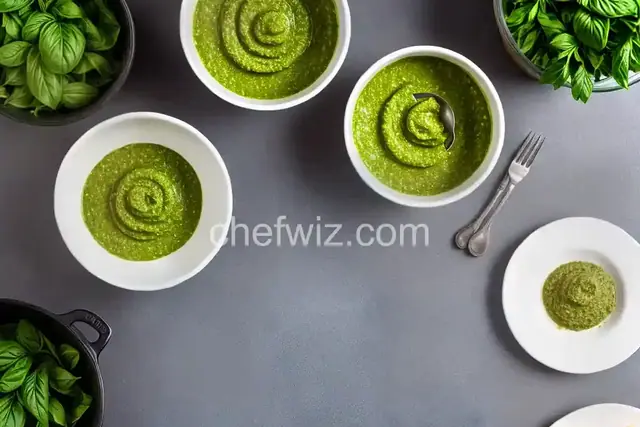 By AprilPublished
 Pesto is a classic Italian sauce that has gained immense popularity around the world.
Start by crushing the basil using either a pestle and mortar or a food processor.
Combine the crushed basil with olive oil, cheeses, garlic, pine nuts, and salt.
Continuously crush the mixture until a paste-like consistency is achieved.
To serve, enjoy with warm pasta, as a pizza topping, or simply spread it on bread.
Pesto is a classic Italian sauce that has gained immense popularity around the world. It is a vibrant, flavorful blend of fresh herbs, garlic, nuts, cheese, and olive oil. The word "pesto" comes from the Italian word "pestare," meaning to crush or grind, which perfectly describes the preparation process.
Pesto originated in the beautiful region of Liguria, Italy. This coastal area is known for its abundance of fragrant basil, which is the star ingredient of traditional pesto. The locals in Liguria lovingly prepare this sauce using a mortar and pestle, crushing the ingredients together to create a harmonious symphony of flavors.
Making traditional pesto is an art form that requires attention to detail and a love for fresh ingredients. The key components of a classic pesto recipe include fresh basil leaves, garlic cloves, pine nuts, Parmesan cheese, and extra virgin olive oil.
Before you begin, make sure you have all the ingredients ready. The fresher the basil leaves, the better the flavor. Toast the pine nuts lightly to enhance their nuttiness.
In a mortar and pestle, crush the garlic cloves and pine nuts until they form a coarse paste. This step releases the essential oils and flavors locked within these ingredients.
Add the fresh basil leaves to the mortar and continue crushing until they are well incorporated with the garlic and pine nut mixture. The aroma that fills the air at this stage is truly enchanting.
Grate some Parmesan cheese and add it to the mortar. The cheese adds a delightful creaminess and depth of flavor to the pesto. Continue crushing until all the ingredients are well combined.
Slowly drizzle extra virgin olive oil into the mortar while continuously stirring the mixture. The olive oil binds all the ingredients together and gives the pesto its smooth, glossy texture.
Once everything is well mixed, taste the pesto and adjust the seasoning according to your preference. You can add more garlic, cheese, or salt if desired.
Traditional pesto is incredibly versatile and can be used in various culinary creations. It is most commonly enjoyed as a pasta sauce, tossed with freshly cooked spaghetti or gnocchi. However, its uses extend far beyond pasta. Pesto can be spread on sandwiches, used as a dip for bread or vegetables, and even incorporated into salad dressings or marinades.
Making your own pesto at home allows you to customize the flavors to your liking. You can experiment with different herbs like cilantro or parsley, or substitute pine nuts with walnuts or almonds. The possibilities are endless, and each batch of homemade pesto becomes a unique creation.
Traditional pesto is a culinary delight that brings the flavors of Italy to your plate. Whether you follow the classic recipe or put your own spin on it, pesto is a versatile sauce that can elevate any dish. So, grab your mortar and pestle, gather the freshest ingredients, and embark on a flavorful journey with traditional pesto.
Absolutely! While using a mortar and pestle gives pesto a rustic texture, a blender or food processor can also be used to achieve a smoother consistency.
Yes, homemade pesto can be frozen for future use. Simply pour the pesto into ice cube trays and freeze. Once frozen, transfer the pesto cubes to a freezer bag for easy portioning.
Homemade pesto can be stored in an airtight container in the refrigerator for up to one week. To prevent browning, drizzle a thin layer of olive oil on top before refrigerating.
Absolutely! While pine nuts are traditionally used, you can experiment with different nuts like almonds, walnuts, or even pistachios to add your own unique twist to the pesto.
Yes, pesto is vegetarian-friendly. However, if you are making pesto for a vegan diet, you can omit the cheese or use a dairy-free alternative.
Fresh basil is preferred for its vibrant flavor, but if fresh basil is not available, you can use dried basil. However, adjust the quantity as dried basil has a more concentrated flavor.
Absolutely! Pesto can be used as a delicious alternative to traditional tomato-based pizza sauce. It adds a burst of fresh, herbaceous flavor to your homemade pizzas.
Yes, pesto can be incorporated into salad dressings to add a zesty and herbaceous twist. Combine it with olive oil, lemon juice, and a touch of honey for a delightful dressing.
AprilCook, recipe developer and the heart of Chefwiz. More about April