Blackened Tuna
Rate this recipeBe the first to rate
 By AprilPublished
 Are you a seafood enthusiast? Do you enjoy exploring the depths of flavor that the ocean has to offer?
 By AprilPublished
 Are you a seafood enthusiast? Do you enjoy exploring the depths of flavor that the ocean has to offer?
Apply a generous amount of Cajun seasoning to both sides of the tuna steaks.
In a large skillet, heat oil and butter over high heat until it is very hot but not smoking.
Place the seasoned tuna steaks in the skillet and cook for approximately 3 to 4 minutes, until one side is blackened.
Flip the tuna steaks over and continue cooking for an additional 3 to 4 minutes, or until the desired level of doneness is achieved.
To ensure medium-rare doneness, use an instant-read thermometer to check the center of the tuna steaks. The temperature should reach 140 degrees F (60 degrees C).
Are you a seafood enthusiast? Do you enjoy exploring the depths of flavor that the ocean has to offer? If so, then you're in for a treat with blackened tuna. This mouthwatering dish is a culinary delight that combines the boldness of blackened seasoning with the delicate texture of fresh tuna.
Blackening is a cooking technique that originated in Louisiana and has since gained popularity worldwide. It involves searing the surface of the protein with a blend of spices, resulting in a charred, flavorful crust. The combination of spices typically includes paprika, cayenne pepper, garlic powder, and onion powder, among others. The result is a beautiful harmony of smoky, spicy, and savory flavors that elevate the taste of any dish.
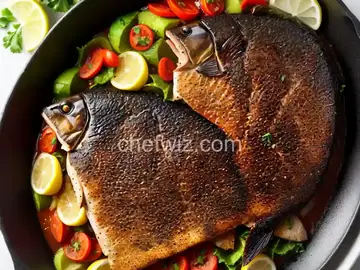
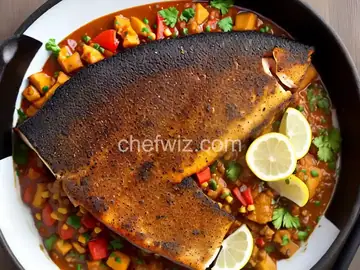
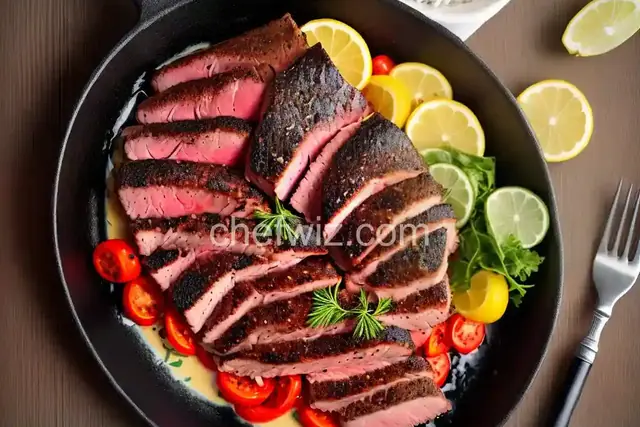
Tuna, with its firm and meaty texture, is the perfect canvas for the blackening technique. It boasts a rich flavor that pairs exceptionally well with the boldness of the blackened seasoning. The contrast between the tender, pink flesh of the tuna and the dark, crispy outer layer creates a sensory experience like no other.
When it comes to blackened tuna, quality is key. Look for fresh, sushi-grade tuna that is bright in color and free from any strong odors. The high fat content of tuna provides a luscious flavor and ensures a moist and succulent final result. Whether you opt for yellowfin, ahi, or bluefin tuna, make sure to source it from a reputable fishmonger to guarantee the best taste.
Before applying the blackened seasoning to the tuna, it's essential to pat it dry with a paper towel. This step ensures that the spices adhere well to the surface, allowing for maximum flavor. Once dry, generously coat the tuna with the blackened seasoning, pressing it firmly onto the fish.
Now comes the exciting part—searing the tuna. Heat a cast-iron skillet or grill pan over high heat and add a small amount of oil. Once the pan is smoking hot, carefully place the seasoned tuna onto the surface. The high heat will create a beautiful blackened crust, while the quick cooking time will preserve the tender interior.
Timing is crucial when it comes to blackened tuna. Overcooking can lead to a dry and tough texture, while undercooking can result in an unpleasantly raw center. Aim for a cooking time of about two to three minutes per side, depending on the thickness of the tuna steak. The goal is to achieve a medium-rare to medium doneness, allowing the natural flavors of the fish to shine through.
Now that your blackened tuna is perfectly cooked, it's time to plate up and enjoy. There are countless ways to serve this delectable dish. You can slice the tuna and serve it over a bed of fresh greens for a light and refreshing salad. Alternatively, you can place it on a toasted bun with some zesty aioli for a mouthwatering tuna burger. The possibilities are endless, and the choice is yours!
When it comes to choosing the perfect accompaniment to blackened tuna, you have a plethora of options. A refreshing cucumber and avocado salsa can provide a cool contrast to the spicy heat of the blackened seasoning. For a heartier meal, consider serving the tuna alongside a flavorful wild rice pilaf or a creamy garlic mashed potato. The key is to choose flavors that complement and enhance the star of the dish.
Blackened tuna is not only a treat for your taste buds but also an opportunity to unleash your culinary creativity. Experiment with different spices and seasonings to put your own unique twist on this classic dish. Remember, cooking is an art, and the kitchen is your canvas.
Blackened tuna is more than just a dish—it's a culinary adventure that tantalizes the senses. From the bold flavors of the blackening spices to the succulent texture of the tuna, every bite is a revelation. So why not embark on this flavor-packed journey and treat yourself to a delightful plate of blackened tuna?
Insert references here
While fresh tuna is recommended for the best flavor and texture, you can use frozen tuna if fresh is not readily available. Just make sure to thaw it thoroughly before cooking.
The level of spiciness can be adjusted to suit your taste. If you prefer a milder flavor, you can reduce the amount of cayenne pepper or omit it altogether.
Absolutely! Blackened seasoning can be used on various types of fish, such as salmon or snapper, to add a burst of flavor.
Yes, grilling is another wonderful option for cooking blackened tuna. Just make sure to oil the grill grates well to prevent the fish from sticking.
Leftover blackened tuna can be stored in an airtight container in the refrigerator for up to two days. It can be enjoyed cold or gently reheated.
Absolutely! Blackened seasoning can be used to add a flavorful kick to chicken, shrimp, or even tofu.
Yes, you can create your own blackened seasoning by combining your preferred spices and adjusting the ratios to suit your taste.
It is not recommended to freeze blackened tuna, as the texture may become compromised upon thawing.
AprilCook, recipe developer and the heart of Chefwiz. More about April