Biko (Filipino Sticky Rice Cake)
Rate this recipeBe the first to rate
 By AprilPublished
 Have you ever tried Filipino cuisine? If not, then you are in for a treat!
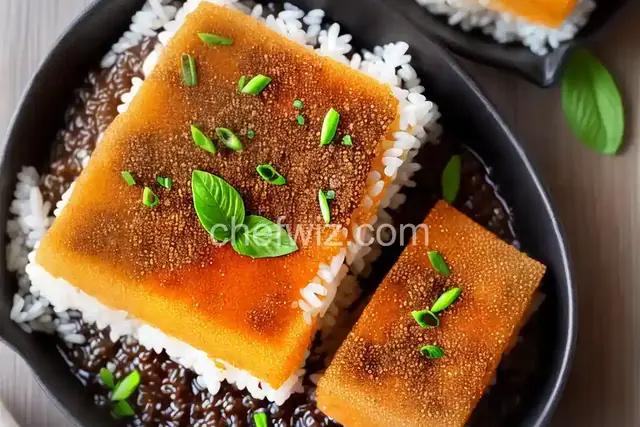 By AprilPublished
 Have you ever tried Filipino cuisine? If not, then you are in for a treat!
Preheat the oven to 375°F (190°C) and adjust the rack to the middle position.
In a nonstick skillet, bring the coconut cream to a boil over high heat. Reduce the heat and simmer for about 30 minutes, stirring occasionally, until the curds separate from the oil and turn golden brown.
Strain the curds through a fine-mesh strainer into a heatproof bowl, reserving the strained coconut oil. Transfer the strained curds to a separate bowl and set aside.
Grease an 8-inch square pan with the reserved coconut oil.
In a large bowl, rinse the rice with water until the water turns cloudy. Strain the rice through a fine-mesh strainer and repeat two more times.
In a saucepan, combine the washed rice with 2 cups of water. Cover and bring to a boil over high heat. Reduce the heat and simmer until the rice is tender and the water is absorbed, about 18 minutes. Remove from heat and keep covered.
In the cleaned skillet, combine the coconut milk, muscovado sugar, vanilla or pandan extract, and salt. Bring to a boil over medium-high heat, then reduce the heat and simmer until the mixture forms a dark brown caramel that coats the back of a spoon, about 10 minutes. Remove from heat.
Measure 1/2 cup of the caramel and set aside. Add the cooked
Have you ever tried Filipino cuisine? If not, then you are in for a treat! One of the most popular and delicious Filipino desserts is Biko, a sticky rice cake that will surely satisfy your sweet tooth. In this article, we will explore the origins of Biko, its ingredients, and the process of making it. Get ready to indulge in this mouthwatering dessert!
Biko has a rich history that dates back centuries in the Philippines. It is often served during special occasions and celebrations, such as birthdays, weddings, and holidays. The name "Biko" is derived from the Filipino word "bibingka," which means rice cake. This dessert holds a special place in Filipino culture and is cherished by both young and old.
To make Biko, you will need a few key ingredients that are easily available. The main ingredient is glutinous rice, also known as sticky rice, which gives Biko its unique texture. Other essential ingredients include coconut milk, brown sugar, and grated coconut. These simple yet flavorful ingredients come together to create a tantalizing dessert that will leave you craving for more.
To make Biko, the first step is to cook the glutinous rice until it becomes tender and sticky. Then, a mixture of coconut milk and brown sugar is added to the rice, giving it a sweet and creamy flavor. The rice is then cooked further until it absorbs the coconut milk and becomes thick and sticky. Finally, the Biko is topped with grated coconut, adding a touch of freshness and texture to the dessert.
Are you wondering why Biko is so popular among Filipinos and dessert enthusiasts around the world? Well, the answer lies in its irresistible taste and unique texture. The combination of sticky rice, coconut milk, and brown sugar creates a delightful harmony of flavors. Each bite of Biko is like a burst of sweetness in your mouth, leaving you wanting more. The sticky texture adds a satisfying chewiness that is simply addictive.
Moreover, Biko is not only a dessert but also a representation of Filipino culture and tradition. It brings people together during celebrations and creates lasting memories. The warmth and love put into making Biko can be felt with every bite, making it a truly special dessert.
Biko is a delightful Filipino dessert that has captivated the hearts and taste buds of many. Its origins, unique ingredients, and irresistible taste make it a must-try for anyone who wants to explore the world of Filipino cuisine. Whether you enjoy it during a celebration or simply as a sweet treat, Biko will leave you craving for more. So why wait? Indulge in this delectable sticky rice cake and experience a burst of flavors like never before!
A1: No, glutinous rice is essential for achieving the sticky texture of Biko. Regular rice will not give you the same results.
A2: Yes, Biko is naturally gluten-free as it is made from glutinous rice.
A3: Yes, you can store Biko in an airtight container in the refrigerator for up to three days. Just reheat it before serving.
A4: While grated coconut is the traditional topping for Biko, you can get creative and add other toppings like crushed peanuts or sesame seeds.
A5: Coconut milk is a crucial ingredient in Biko, as it adds richness and flavor to the dessert. It is not recommended to omit it.
A6: Yes, you can freeze Biko in an airtight container for up to one month. Just thaw it before reheating and serving.
A7: Yes, you can make Biko a day before serving. Just make sure to store it properly in the refrigerator.
A8: Brown sugar is essential for the caramel-like flavor of Biko. It is not recommended to substitute it with other sweeteners.
AprilCook, recipe developer and the heart of Chefwiz. More about April