Best-Ever Beef Stew
Rate this recipeBe the first to rate
 By AprilPublished
 Are you a fan of hearty, comforting meals that warm you up on a cold day?
 By AprilPublished
 Are you a fan of hearty, comforting meals that warm you up on a cold day?
Heat oil in a large dutch oven or heavy-bottomed pot over medium heat.
Add beef and cook until seared on all sides, about 10 minutes. If necessary, cook the beef in batches.
Transfer the seared beef to a plate.
In the same pot, cook onion, carrots, and celery until they are soft, approximately 5 minutes.
Season the vegetables with salt and pepper.
Add garlic and tomato paste, and cook until the garlic is fragrant and the tomato paste has darkened, about 2 minutes.
Return the seared beef back to the dutch oven.
Add broth, wine, Worcestershire sauce, thyme, and bay leaves.
Bring the mixture to a boil, then reduce the heat to a simmer.
Season the stew with salt and pepper, cover the pot, and let it simmer until the beef is tender, approximately 30 to 45 minutes.
Add potatoes to the stew and simmer, covered, until the potatoes are tender, about 15 minutes.
Remove the bay leaves from the stew.
Stir in peas and cook until warmed through, approximately 2 minutes.
Season the stew to taste with salt and pepper.
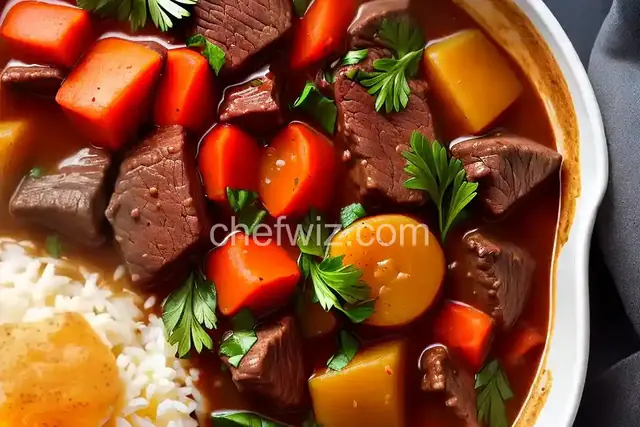
Ladle the stew into serving bowls and garnish with parsley.
Are you a fan of hearty, comforting meals that warm you up on a cold day? Look no further than the best-ever beef stew! This delicious dish is packed with tender pieces of beef, flavorful vegetables, and a rich, savory broth that will leave you feeling satisfied and content. In this article, we'll explore the secrets to making the best beef stew and share some tips and tricks along the way.
When it comes to beef stew, the choice of meat is crucial. You want a cut that is both tender and flavorful. Opt for cuts such as chuck roast or beef stew meat, which are known for their marbling and ability to become fork-tender when cooked low and slow. These cuts are perfect for stew as they release their natural juices, resulting in a rich and flavorful broth.
One of the keys to achieving a deep, rich flavor in your beef stew is browning the meat before adding it to the pot. This step caramelizes the surface of the meat, creating a Maillard reaction that enhances the overall taste. Don't rush this process - take the time to brown the meat in batches, ensuring each piece gets that beautiful golden crust.
To elevate your beef stew to new heights, focus on building layers of flavor. Start by sautéing onions, garlic, and other aromatic vegetables in the same pot you used to brown the meat. This allows the vegetables to absorb any leftover meat drippings, adding a depth of flavor to your stew. Don't forget to deglaze the pot with a splash of red wine or broth, scraping up any browned bits from the bottom - these are flavor bombs waiting to happen!
When it comes to cooking beef stew, slow and steady wins the race. This dish benefits from a long, slow simmer that allows the flavors to meld together and the meat to become tender. Consider using a slow cooker or a Dutch oven, both of which excel at low and slow cooking. Let your stew simmer on the stovetop or in the oven for a few hours, and you'll be rewarded with a melt-in-your-mouth texture and a rich, flavorful broth.
Before serving your best-ever beef stew, take a moment to add the finishing touches. Fresh herbs, such as thyme or rosemary, can brighten up the flavors and add a pop of freshness. You can also thicken the broth slightly by mixing a tablespoon of flour or cornstarch with some cold water and stirring it into the stew. This will give your stew a luscious, velvety texture that will have everyone coming back for seconds.
There you have it - the secrets to making the best-ever beef stew. From choosing the right cut of beef to building layers of flavor and cooking it low and slow, these tips will help you create a stew that is both comforting and delicious. So, grab your apron, roll up your sleeves, and get ready to enjoy a bowl of pure comfort. Your taste buds will thank you!
While beef is the traditional choice for stew, you can certainly experiment with other meats. Try using lamb, pork, or even chicken for a different twist on this classic dish.
Absolutely! In fact, beef stew often tastes even better the next day as the flavors have had time to meld together. Simply refrigerate your stew and reheat it when ready to serve.
Yes, beef stew freezes well. Allow it to cool completely before transferring it to airtight containers or freezer bags. It can be stored in the freezer for up to three months.
Of course! Potatoes are a classic addition to beef stew. Simply peel and chop them into bite-sized pieces and add them to the pot along with the other vegetables.
Absolutely! The Instant Pot is a great tool for making beef stew. It allows you to achieve tender, flavorful meat in a fraction of the time. Simply follow your Instant Pot's instructions for stew setting.
For the best results, aim to simmer your beef stew for at least two to three hours. This will ensure that the meat becomes tender and the flavors have time to develop.
Definitely! Beef stew is a versatile dish that can accommodate a variety of vegetables. Carrots, celery, peas, and mushrooms are all popular choices.
Absolutely! If you prefer not to use wine in your beef stew, you can substitute it with additional broth or even water. The stew will still be delicious.
AprilCook, recipe developer and the heart of Chefwiz. More about April