BBQ Brisket: The Secret to Mouthwatering Smoky Goodness
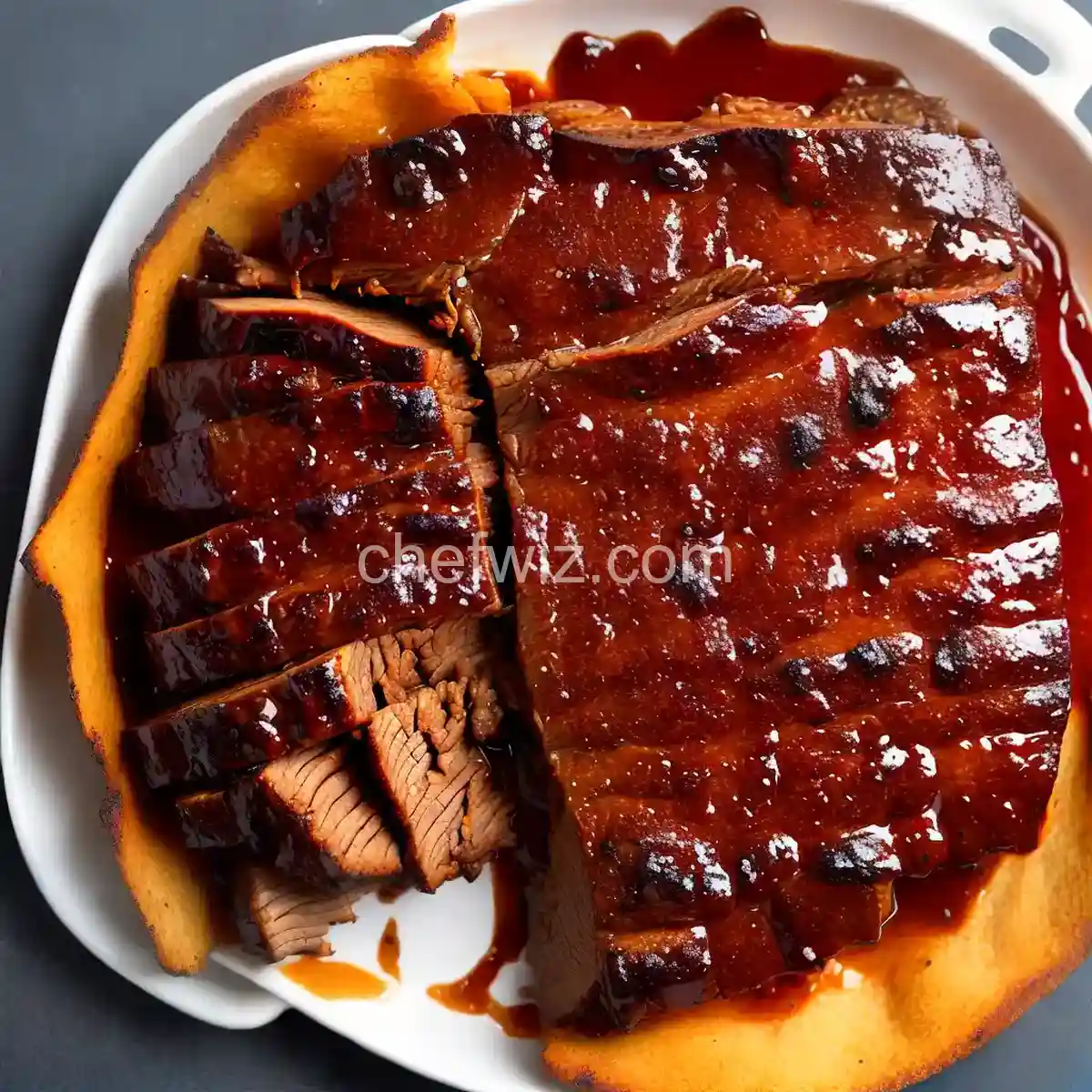
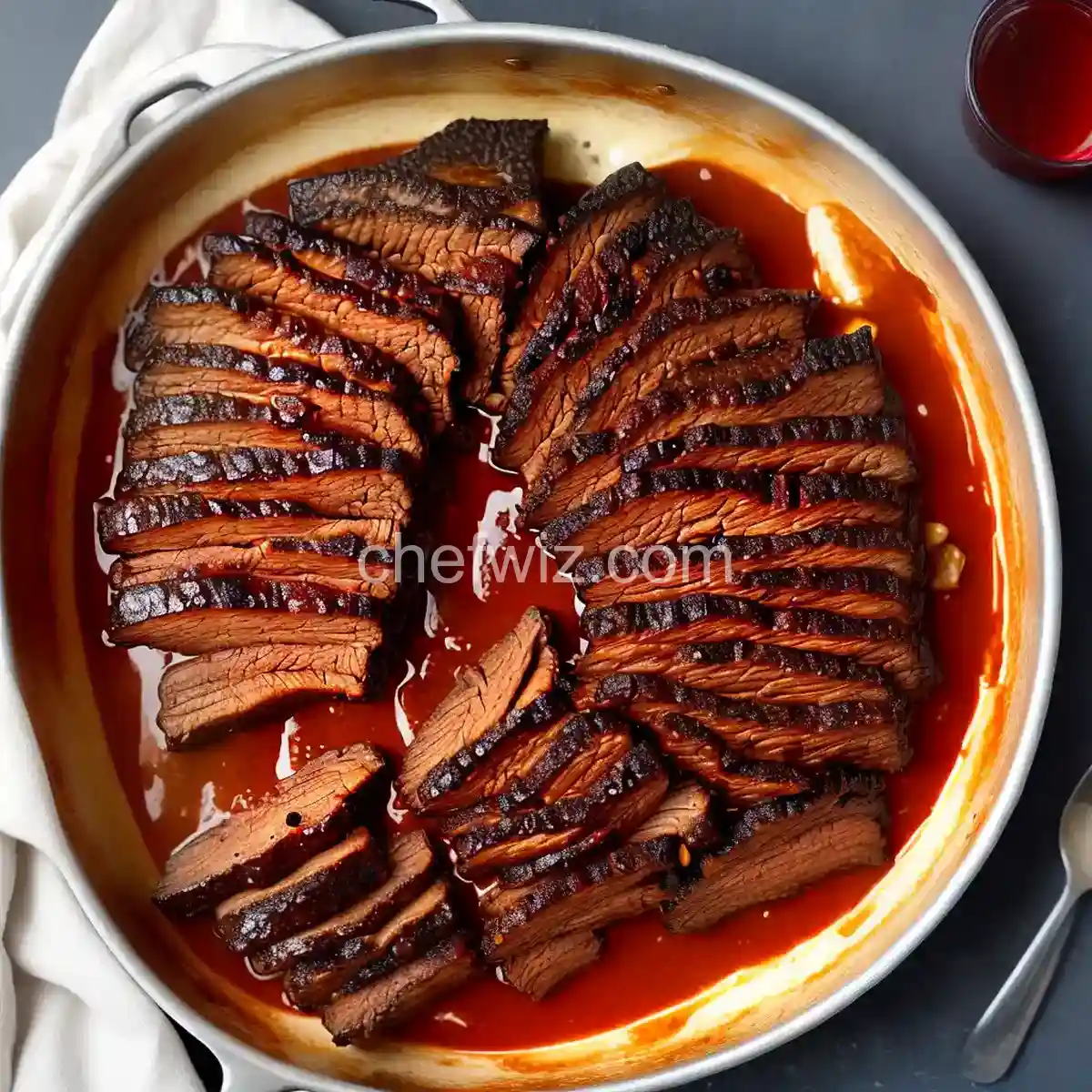
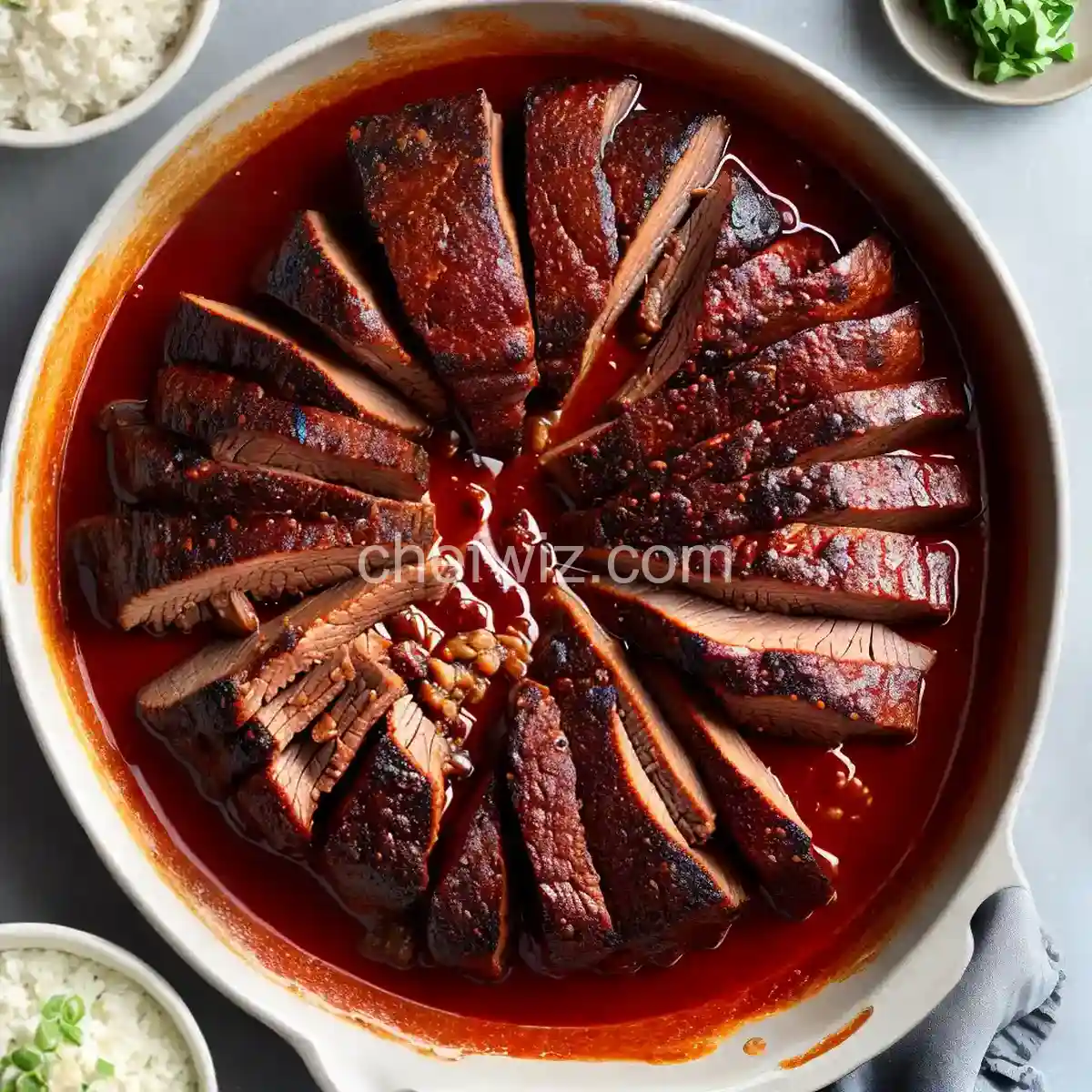
Are you ready to take your BBQ game to the next level? Look no further than BBQ brisket, the ultimate crowd-pleaser that will have your guests coming back for seconds. In this article, we’ll explore the secrets to achieving that tender, smoky, and flavorful brisket that will make you the BBQ hero of your neighborhood. So grab your apron, fire up the grill, and let’s get started!
The Brisket: A Cut Above the Rest
What makes brisket so special? Well, it all starts with the cut. Brisket comes from the lower chest of the cow and is known for its rich marbling and connective tissue. This makes it a tougher cut of meat that requires low and slow cooking to achieve that melt-in-your-mouth texture we all crave.
Think of brisket as the slow-cooker of the BBQ world. It’s like a tough piece of clay that, with the right amount of time and care, can be transformed into a masterpiece. But patience is key here. You can’t rush perfection.
The Art of Low and Slow
So, how do you achieve that tender, juicy brisket? The secret lies in the low and slow cooking method. This means cooking the brisket at a low temperature (around 225°F) for an extended period of time, usually 10-12 hours. This slow cooking allows the connective tissue in the brisket to break down, resulting in that melt-in-your-mouth texture.
It’s like building a house. You start with a solid foundation, and then you layer on the flavors. The low and slow cooking method gives the flavors time to develop and penetrate the meat, resulting in a smoky, savory, and downright delicious brisket.
The Holy Trinity of BBQ Seasoning
Now that you have the cooking method down, let’s talk about seasoning. When it comes to BBQ brisket, the holy trinity of seasoning is salt, pepper, and garlic. This simple yet powerful combination enhances the natural flavors of the meat without overpowering it.
It’s like a symphony. Each ingredient plays its part, harmonizing together to create a masterpiece. The salt adds depth, the pepper adds a subtle kick, and the garlic brings it all together with its aromatic magic. Trust me, your taste buds will thank you.
The Pitmaster’s Touch: Wood and Smoke
Now that you have your brisket seasoned to perfection, it’s time to talk about smoke. The type of wood you use can make a world of difference in the flavor of your brisket. Hickory, oak, and mesquite are popular choices, each imparting their own unique smoky flavors.
It’s like choosing the right paintbrush for a masterpiece. Each wood brings its own characteristics, adding depth and complexity to the final product. Experiment with different woods to find your favorite flavor profile.
The Art of the Smoke Ring
When you slice into a perfectly cooked brisket, you’ll notice a beautiful pink ring around the edges. This is known as the smoke ring, and it’s a coveted sign of a well-smoked brisket. But how do you achieve this elusive smoke ring?
It’s like a secret handshake among pitmasters. The smoke ring is formed when nitrogen dioxide from the wood smoke reacts with the myoglobin in the meat, creating that distinctive pink color. To enhance the smoke ring, make sure to use a good amount of wood smoke during the cooking process.
Rest and Relaxation: The Final Touch
Once your brisket is cooked to perfection, resist the temptation to slice into it immediately. Resting the brisket is a crucial step that allows the juices to redistribute, resulting in a more tender and flavorful end product.
It’s like a well-deserved nap after a long day. Resting allows the flavors to settle and the meat to relax, ensuring every bite is as tender and juicy as the last. Wrap your brisket in foil and let it rest for at least an hour before slicing.
FAQs: Your Burning Brisket Questions Answered
1. Can I use any type of beef for brisket?
While brisket is traditionally made from beef, you can experiment with other meats like pork or even turkey. Just keep in mind that the cooking times and temperatures may vary.
2. How do I know when my brisket is done?
The best way to determine if your brisket is done is by using a meat thermometer. The internal temperature should reach around 195°F for a tender result.
3. Can I marinate my brisket overnight?
Absolutely! Marinating your brisket overnight can infuse even more flavor into the meat. Just make sure to refrigerate it while marinating to prevent any food safety issues.
4. Can I BBQ brisket indoors?
While it’s ideal to cook brisket on a grill or smoker to achieve that authentic smoky flavor, you can also cook it in the oven. Just set the temperature low and slow, and you’ll still get a delicious result.
5. How do I slice brisket properly?
To slice brisket, always cut against the grain. This helps to ensure each bite is tender and easy to chew.
6. Can I freeze leftover brisket?
Yes, you can freeze leftover brisket for future meals. Just make sure to wrap it tightly in foil or place it in an airtight container to prevent freezer burn.
7. What are some popular BBQ brisket side dishes?
Popular side dishes to serve with BBQ brisket include coleslaw, baked beans, potato salad, and cornbread. These classic sides complement the rich flavors of the brisket perfectly.
8. Can I reheat brisket without losing its tenderness?
Absolutely! To reheat brisket without losing its tenderness, wrap it in foil and place it in a preheated oven at a low temperature. This will help to retain the moisture and keep the meat tender.
BBQ Brisket
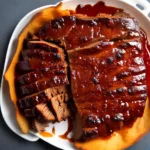
- Ingredients:
- 1 (3-pound) brisket (, flat cut)
- 3 tablespoons of onion powder (, divided)
- 3 tablespoons of garlic powder (, divided)
- 3 tablespoons of light brown sugar (, divided)
- 3 tablespoons of mustard powder (, divided)
- 3 tablespoons of chili powder (, divided)
- Kosher salt
- 1 cup of ketchup
- 1 tablespoon of Worcestershire sauce
- 1 teaspoon of apple cider vinegar
- Preheat the grill to 350°F (175°C).
- Trim the fat cap of the brisket so that there is a thin and even layer remaining.
- In a small bowl, combine 2 tablespoons of onion powder, garlic powder, sugar, mustard powder, chili powder, and 2 teaspoons of salt. Mix well.
- Evenly rub the spice mixture over the entire surface of the brisket. Let it sit at room temperature, uncovered, for 20 minutes.
- Place the brisket on the grill, fat-cap-side down, directly over a flame. Cook for approximately 10 minutes or until the spices are browned. Flip the brisket and grill the other side for another 10 minutes.
- Adjust the grill heat to 250°F (120°C). Move the brisket to a cooler zone of the grill and close the lid.
- After 2 hours, insert an instant-read thermometer into the thickest part of the meat. Once it reads 180°F (82°C), transfer the brisket to a large piece of foil and place it back on the grill. Slightly crimp the edges of the foil to catch the meat juices as it finishes cooking.
- Close the grill and continue cooking until the meat reaches 200°F (93°C), which should take approximately 45 minutes to 1 hour.
- Transfer the brisket to a cutting board and tent it with aluminum foil. Allow it to
Related Recipes:
 How to Reheat Brisket: Retain Moisture and Flavor
 How to Reheat Brisket: Retain Moisture and Flavor
 BBQ Beef Brisket
 Sous Vide Smoked Brisket Recipe
 Slow Cooker Beef Brisket
 Brisket with BBQ Sauce
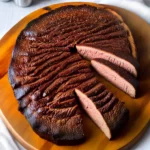 Oklahoma Joe’s Smoked Brisket Flat
 Smoked Cider Brisket
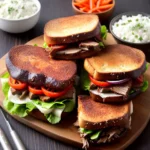 BBQ Beef Brisket Sandwiches
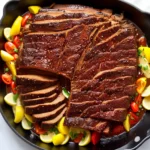 Barbecue: Brisket Recipe