Barbecue: Brisket Recipe
Rate this recipeBe the first to rate
 By AprilPublished
 Are you ready to take your grilling skills to the next level?
 By AprilPublished
 Are you ready to take your grilling skills to the next level?
Prepare the brisket by trimming off any hard and excess fat, while leaving a 1/4-inch layer of fat on top.
Generously apply your preferred dry rub to the brisket, ensuring it is coated evenly.
Wrap the brisket tightly in heavy duty aluminum foil and refrigerate for a minimum of 8 hours, or up to one day.
Preheat your smoker to a temperature range of 215°F to 225°F.
Once the smoker is ready, add chunks of wood to create smoke.
Remove the brisket from the foil and place it in the smoker.
Smoke the brisket at a temperature of 215°F to 225°F until the flat section reaches an internal temperature of 165°F, which can be checked using an instant-read thermometer. This typically takes around 10 to 12 hours.
Wrap the brisket again in heavy duty aluminum foil and return it to the smoker.
Continue cooking until the point section of the brisket reaches an internal temperature of 195°F, which may take an additional 4 to 6 hours.
Once the desired temperature is reached, remove the brisket from the smoker.
Allow the brisket to rest for at least 30 minutes before slicing it and serving.
Are you ready to take your grilling skills to the next level? Look no further than the mouthwatering delight of barbecue brisket! This flavorful and tender meat is a staple in many barbecue joints, and with the right technique, you can recreate it in your own backyard. In this article, we will explore the art of barbecue brisket and share some tips and tricks to help you achieve BBQ perfection.
Before we dive into the recipe and cooking process, let's start with the basics. Brisket comes from the chest of the cow and is known for its tough and flavorful meat. To transform this tough cut into tender and juicy barbecue, we need to apply low and slow cooking techniques.
When selecting a brisket, look for one with a good amount of marbling. This intramuscular fat will melt during the cooking process, infusing the meat with flavor and keeping it moist. Aim for a brisket that is around 10-12 pounds, as larger cuts tend to cook more consistently.
Before you start cooking, it's essential to prepare the brisket properly. Trim any excess fat from the meat, leaving a thin layer to protect the meat during the long cooking process. Season the brisket generously with your favorite dry rub, ensuring that every inch is coated with flavor.
Now that we have our perfectly seasoned brisket, it's time to fire up the grill and get cooking! The key to achieving a tender and smoky barbecue brisket lies in the low and slow cooking method.
For this recipe, we will be using a charcoal grill with indirect heat. Start by lighting the charcoal and letting it burn until it is covered in a thin layer of white ash. Once the charcoal is ready, place it on one side of the grill, leaving the other side empty. This setup will create a two-zone cooking environment.
Place the seasoned brisket on the empty side of the grill, away from direct heat. Close the lid and let the magic happen. Maintain a consistent temperature of around 225-250°F (107-121°C) throughout the cooking process. This slow and steady heat will gradually break down the tough fibers in the meat, resulting in a tender and flavorful brisket.
Now comes the hard part - the waiting game! Cooking a brisket takes time, typically around 1.5-2 hours per pound. Resist the temptation to open the lid and check on the meat too often, as this will cause fluctuations in temperature and extend the cooking time. Trust the process and let the flavors develop.
After hours of anticipation, your barbecue brisket is finally ready to be enjoyed! Carefully remove the brisket from the grill and let it rest for at least 30 minutes. This resting period allows the juices to redistribute, ensuring a moist and succulent final product.
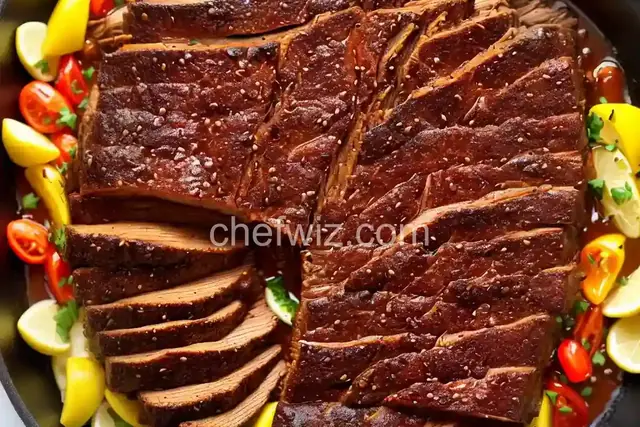
Once the brisket has rested, it's time to slice and serve. With a sharp knife, slice against the grain to achieve tender and melt-in-your-mouth meat. Serve the brisket with your favorite barbecue sauce and sides for a complete and satisfying meal.
Absolutely! While traditionalists may argue that charcoal grills provide a more authentic flavor, a gas grill can still produce delicious barbecue brisket. Just make sure to set up the grill for indirect heat and maintain a consistent temperature throughout the cooking process.
Of course! The beauty of barbecue is the endless flavor possibilities. Feel free to experiment with different dry rubs and seasonings to find your perfect combination. Whether you prefer a spicy kick or a sweet and savory profile, the choice is yours.
The best way to determine if the brisket is done is by using a meat thermometer. Insert the thermometer into the thickest part of the meat, and when it reaches an internal temperature of around 195-205°F (90-96°C), the brisket is ready. Another telltale sign is the tenderness - the meat should easily pull apart with a gentle tug.
Absolutely! Barbecue brisket freezes well and can be enjoyed at a later time. Once the meat has cooled, wrap it tightly in plastic wrap or aluminum foil and place it in an airtight container or freezer bag. When you're ready to enjoy it again, simply thaw it in the refrigerator overnight and reheat it gently.
Yes, you can! If you don't have access to a grill or prefer oven cooking, you can still achieve excellent results. Preheat your oven to 225-250°F (107-121°C), place the seasoned brisket on a roasting rack, and cook it low and slow for the recommended time. Just make sure to monitor the internal temperature to ensure it reaches the desired doneness.
It's crucial to let the brisket rest for at least 30 minutes before slicing. This resting period allows the juices to redistribute throughout the meat, resulting in a more tender and flavorful final product. Patience is key!
Absolutely! Leftover brisket makes fantastic sandwiches. Pile the tender meat onto your favorite bread or roll, and top it with some tangy barbecue sauce and crunchy coleslaw for a delicious BBQ sandwich experience.
Yes, you can adjust the cooking time accordingly for smaller or larger briskets. As a general rule, aim for 1.5-2 hours of cooking time per pound of meat. Keep in mind that larger cuts may
AprilCook, recipe developer and the heart of Chefwiz. More about April