Basic White Rice
Rate this recipeBe the first to rate
 By AprilPublished
 Are you tired of making rice that turns out mushy or undercooked?
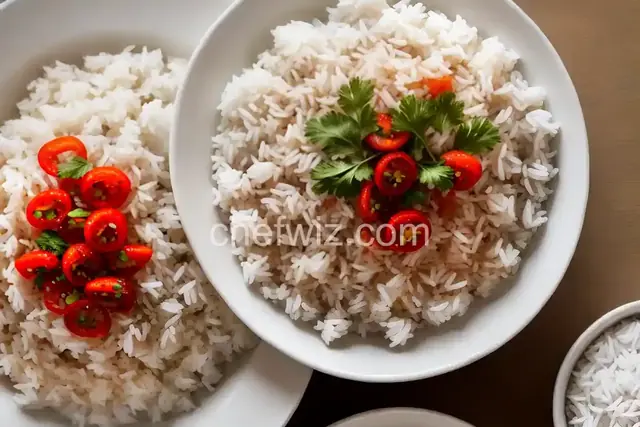 By AprilPublished
 Are you tired of making rice that turns out mushy or undercooked?
Place the rice in a large bowl and cover it with cool water, ensuring that it is submerged by 2 inches. Use your hands to swish the rice vigorously in the water for about 30 seconds, until the water turns cloudy.
Drain the rice using a fine-mesh strainer, discarding the cloudy soaking water. Refill the bowl with cool water and repeat the rinsing and draining process until the rinsing water runs clear.
Transfer the drained rice to a 2-quart saucepan. Add 1 cup (240ml) fresh water to the pan and gently swirl the pan to evenly distribute the rice.
Carefully cover the pot with a layer of plastic wrap, ensuring that it is tightly sealed by crimping the edges. Then cover the plastic wrap with a layer of aluminum foil, also tightly sealed by crimping the edges.
Place an 8- to 12-inch cast iron skillet on top of the pot to weigh it down. If possible, add additional heatproof skillets, canned tomatoes, or other weights on top of the skillet.
Bring the rice to a rapid boil over high heat, which should result in a quiet, high-pitched whistle or a small amount of steam escaping if the seal is tight. If your kitchen is quiet enough, you may also hear the rumbling of the boiling water in the sealed pot. This boiling process should take 2 to 4 minutes.
Are you tired of making rice that turns out mushy or undercooked? Don't worry, I've got you covered! In this article, we'll explore the art of cooking perfect white rice every time. Whether you're a seasoned chef or a beginner in the kitchen, these tips and tricks will help you master this basic staple.
Rice is a versatile grain that can be enjoyed as a side dish, added to soups, or used as a base for stir-fries. However, if it's not cooked properly, it can ruin the entire meal. Imagine biting into a spoonful of gummy or crunchy rice - not the most appetizing experience, right?
Properly cooked rice should be fluffy, tender, and separate. Each grain should have a distinct texture and a neutral, slightly sweet taste. It should complement the flavors of the accompanying dishes without overpowering them. Achieving this perfect balance requires a few simple techniques and a little bit of practice.
Before we dive into the cooking process, let's talk about the different types of rice and which one is best for your needs. There are numerous varieties available, including long-grain, short-grain, and medium-grain rice. Each type has its own unique characteristics and is suited for different dishes.
Long-grain rice, such as basmati or jasmine, is known for its slender shape and delicate fragrance. It cooks up light and fluffy, making it ideal for pilafs or serving with curries. Short-grain rice, like Arborio or sushi rice, is shorter and plumper. It has a stickier texture, making it perfect for dishes that require a bit more cohesion, such as sushi or rice pudding.
Medium-grain rice, such as Calrose or pearl rice, falls somewhere in between. It has a slightly sticky texture but is still fluffy when cooked. This type of rice is commonly used in dishes like risotto or paella.
Now that you've chosen the type of rice you want to cook let's dive into the actual cooking process. Follow these simple steps for perfect white rice every time:
Before cooking, it's essential to rinse the rice to remove any excess starch. This will prevent the grains from sticking together. Place the rice in a fine-mesh strainer and rinse it under cold running water until the water runs clear.
For every cup of rice, you'll need two cups of water. This ratio ensures that the rice is properly hydrated and cooked to perfection. Measure the rice and water using the same cup to maintain consistency.
In a medium-sized saucepan, combine the rinsed rice and water. Bring the mixture to a boil over medium-high heat. Once it starts boiling, reduce the heat to low and cover the pan with a tight-fitting lid.
Let the rice simmer for about 15-20 minutes, or until all the water has been absorbed. Avoid lifting the lid and peeking at the rice, as this will release the steam and interfere with the cooking process. Patience is key!
Once the rice is cooked, remove the pan from the heat and let it sit, covered, for about 5 minutes. This resting period allows the steam to distribute evenly, resulting in light and fluffy rice. After 5 minutes, remove the lid and fluff the rice gently with a fork.
Mastering the art of cooking basic white rice is a skill that will serve you well in the kitchen. With the right techniques and a little practice, you can achieve perfect, fluffy rice every time. Remember to choose the right type of rice, rinse it thoroughly, and follow the cooking process step by step. And don't forget to get creative with your leftovers! Now go ahead and impress your friends and family with your newfound rice-cooking prowess!
Answer: To prevent sticking, make sure to use a non-stick saucepan or coat the bottom of the pan with a thin layer of oil before adding the rice and water.
Answer: Absolutely! You can add flavorings such as herbs, spices, or even vegetable broth to enhance the taste of your rice. Just add them to the water before bringing it to a boil.
Answer: Yes, rice cookers are a convenient way to cook rice. Simply follow the manufacturer's instructions for the specific type of rice you're using.
Answer: Let the rice cool completely, then transfer it to an airtight container and refrigerate. It will stay fresh for up to 4-5 days. When reheating, add a splash of water and steam it in the microwave or on the stovetop.
Answer: Yes, cooked rice can be frozen. Allow it to cool, then transfer it to a freezer-safe container or bag. It will last for up to 6 months. Thaw it in the refrigerator overnight before reheating.
Answer: Leftover rice can be used in a variety of dishes, such as fried rice, rice salads, or stuffed peppers. Get creative and experiment with different flavors and ingredients!
Answer: To achieve a crispy bottom layer, known as "socarrat," cook the rice in a wide, shallow pan over medium heat. Let it cook undisturbed for a few minutes until the bottom layer turns golden brown and crispy.
Answer: Yes, using broth instead of water adds extra flavor to the rice. Just make sure to adjust the amount of salt you add, as broth is typically saltier than water.
AprilCook, recipe developer and the heart of Chefwiz. More about April