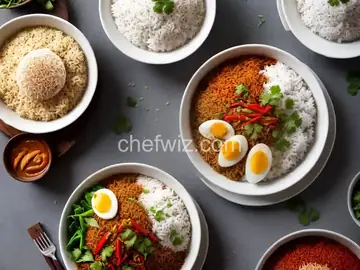
Pancit Bihon (Filipino Rice Noodles)
Rate this recipeBe the first to rate
 By AprilPublished
 Have you ever tasted the aromatic flavors of the Philippines?
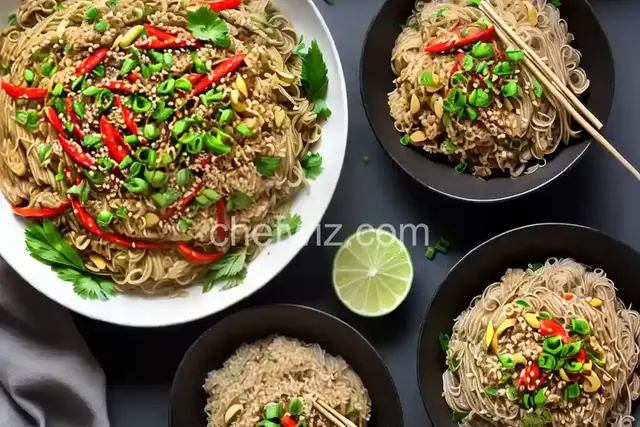 By AprilPublished
 Have you ever tasted the aromatic flavors of the Philippines?
Fill a 4-quart saucepan halfway with water and bring it to a boil over high heat.
Add chicken thighs to the boiling water and return it to a boil. Partially cover the saucepan with a lid and lower the heat to maintain a simmer. Cook the chicken for about 40 minutes or until it is tender and easily falls off the bone.
Use tongs to transfer the chicken thighs to a rimmed baking sheet or platter. Allow them to cool for about 10 minutes.
Strain the remaining liquid from the saucepan through a fine-mesh strainer set over a large heatproof bowl. Set the liquid aside (you should have about 1 1/2 quarts or 1.4L of liquid).
Once the chicken has cooled, use two forks to finely shred the meat. Discard the skin and bones and set the shredded chicken aside.
In a wok, heat oil over high heat until it shimmers. Add garlic and onions and cook, stirring frequently, until they are softened and light brown in color (about 2 minutes).
Add carrots and snow peas to the wok and cook, stirring frequently, until the vegetables have brightened in color and are crisp-tender (about 2 minutes). Transfer the stir-fried vegetables to a medium heatproof bowl and set them aside.
Add 1 quart (1L) of the reserved broth to the
Have you ever tasted the aromatic flavors of the Philippines? If not, you're in for a treat! One dish that perfectly encapsulates the essence of Filipino cuisine is Pancit Bihon. This delectable dish, made with rice noodles, is a staple in Filipino households and a must-try for any food enthusiast. So, let's dive into the world of Pancit Bihon and discover why it has become a beloved classic in Filipino culture.
Just like any other traditional dish, Pancit Bihon has a rich history that dates back centuries. It is believed that the Chinese introduced noodles to the Philippines, and over time, the locals adapted them into their own unique culinary creations. The word "Pancit" actually comes from the Hokkien term "pian i sit," which means "something conveniently cooked." The addition of "Bihon" signifies the use of thin rice noodles in this particular dish.
When you take your first bite of Pancit Bihon, you'll be greeted by a symphony of flavors dancing on your taste buds. The dish showcases a harmonious blend of sweet, savory, and tangy notes. The rice noodles serve as a perfect canvas to absorb the flavors of various ingredients, such as succulent chicken, tender pork, fresh vegetables, and aromatic seasonings.
One aspect that sets Pancit Bihon apart is its delightful texture. The soft and chewy rice noodles mingle with crisp vegetables, creating a satisfying mouthfeel that keeps you coming back for more. Additionally, the vibrant colors of the vegetables add visual appeal to the dish, making it a feast for the eyes as well.
Pancit Bihon holds a special place in Filipino culture. It is commonly served during birthdays and other celebrations as a symbol of long life and good luck. The lengthy noodles are believed to bring prosperity and are often enjoyed with loved ones, fostering a sense of togetherness and unity.
While Pancit Bihon is enjoyed throughout the Philippines, different regions have their own unique twists on the dish. In the Visayan region, Pancit Bihon is often served with a generous amount of seafood, reflecting the abundance of marine resources in the area. In the northern part of the country, Pancit Bihon is usually cooked with a thick sauce, resulting in a heartier and more flavorful rendition.
Yes, Pancit Bihon can be made gluten-free by using gluten-free soy sauce and rice noodles. This allows individuals with gluten sensitivities or dietary restrictions to still enjoy the flavors of this beloved dish.
Pancit Bihon is more than just a dish; it represents the heart and soul of Filipino cuisine. Its flavors, textures, and cultural significance make it a true gem in the culinary world. So, why not embark on a gastronomic adventure and savor the delightful taste of Pancit Bihon? Whether you're enjoying it at a festive gathering or simply craving a comforting meal, Pancit Bihon will surely captivate your senses and leave you wanting more.
Yes, absolutely! Pancit Bihon can be made with or without meat. You can substitute the meat with tofu or simply load up on the colorful vegetables for a vegetarian version.
Pancit Bihon traditionally uses thin rice noodles, but if you can't find them, you can experiment with other types of noodles like mung bean or sweet potato noodles. However, keep in mind that it may alter the overall taste and texture of the dish.
If you have any leftovers, store them in an airtight container in the refrigerator. Pancit Bihon can be enjoyed the next day, but the noodles may soften slightly. To reheat, simply stir-fry the leftovers in a pan with a little oil until heated through.
It's not recommended to freeze Pancit Bihon as the texture of the noodles may change upon thawing. It's best to enjoy this dish fresh or store it in the refrigerator for a day or two.
Pancit Bihon can be garnished with various toppings such as sliced hard-boiled eggs, chopped green onions, calamansi or lemon wedges, and crispy fried garlic. These toppings add an extra layer of flavor and texture to the dish.
The level of spiciness in Pancit Bihon can be adjusted according to personal preference. Some recipes may include spicy ingredients like chili peppers or hot sauce, while others may omit them entirely. Feel free to add or omit spice based on your taste.
Pancit Bihon is best enjoyed fresh, but you can prepare some of the ingredients in advance to save time. Chop the vegetables, marinate the meat, and soak the noodles a few hours before cooking. This way, you'll have everything ready to assemble when it's time to serve.
Pancit Bihon complements a wide array of Filipino dishes. Some popular pairings include Lumpiang Shanghai (Filipino spring rolls), Lechon Kawali (crispy pork belly), and Chicken Adobo. These dishes together create a feast that showcases the diverse flavors of the Philippines.
AprilCook, recipe developer and the heart of Chefwiz. More about April