Basic Turkey Gravy Recipe
Rate this recipeBe the first to rate
 By AprilPublished
 Are you ready to elevate your Thanksgiving feast to a whole new level of deliciousness?
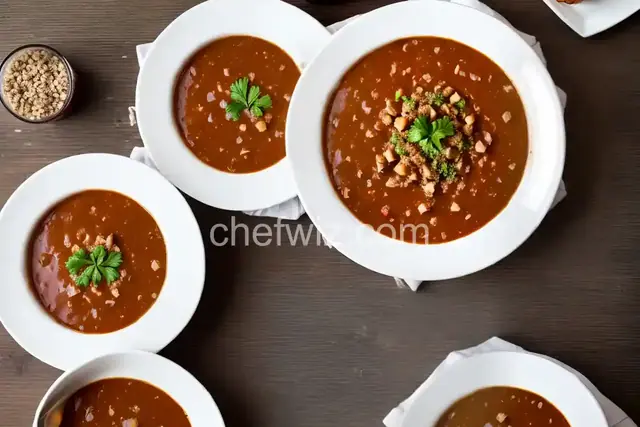 By AprilPublished
 Are you ready to elevate your Thanksgiving feast to a whole new level of deliciousness?
Heat the butter in a medium saucepan over medium-high heat until melted.
Whisk in the flour and continue stirring frequently until it turns golden blonde, which should take about 2 minutes.
Slowly pour in the turkey drippings or stock while whisking continuously.
Bring the mixture to a boil, then reduce the heat to a simmer and let it cook until it has reduced to about 3 cups. This should take approximately 10 to 15 minutes.
Remove the saucepan from the heat and season the mixture with salt and pepper to your taste.
You can either serve the sauce immediately or store it in an airtight container in the refrigerator for up to a week. If reheating, do so over medium-low heat before serving.
Are you ready to elevate your Thanksgiving feast to a whole new level of deliciousness? Look no further than this basic turkey gravy recipe that will have your guests begging for seconds. This savory sauce is the perfect accompaniment to roasted turkey, mashed potatoes, and all your favorite holiday sides. Get ready to wow your family and friends with this simple yet flavorful gravy.
Creating the perfect gravy may seem like a daunting task, but fear not! With a few simple steps, you'll be able to whip up a smooth and rich sauce that will take your Thanksgiving meal to the next level. Just like any good recipe, the secret lies in using high-quality ingredients and paying attention to detail.
One of the key components of a great turkey gravy is the pan drippings. These flavorful juices are left behind after roasting the turkey and are packed with intense flavor. They form the base of your gravy and give it that distinct turkey taste. Don't skip this step!
Before you can make your gravy, it's important to skim off the excess fat from the pan drippings. This will prevent your sauce from becoming too greasy. A simple trick is to use a fat separator or let the drippings cool and then spoon off the solidified fat. This step ensures that your gravy is rich and velvety without being overly oily.
Once you have your pan drippings ready, it's time to add flavor and thicken your gravy. This is where the magic happens! A classic combination of aromatics like onions, garlic, and herbs can take your gravy from good to great. Saute them in a bit of butter or turkey fat for an added depth of flavor.
To thicken your gravy and give it that smooth consistency, you'll need to make a roux. A roux is a mixture of equal parts fat (like butter) and flour. It serves as a thickening agent and adds richness to the sauce. Cook the roux until it turns a golden brown color, then gradually whisk in the pan drippings and broth. This will create a luscious gravy that coats the back of a spoon.
If you prefer a silky-smooth gravy, you can strain it through a fine mesh sieve to remove any lumps or bits of herbs. This step ensures a velvety texture that will impress even the most discerning gravy connoisseur.
Now that you have the basic steps down, it's time to get creative and customize your gravy. Want a touch of sweetness? Add a splash of apple cider or a drizzle of maple syrup. Craving a bit of tanginess? Try a squeeze of lemon juice or a dash of Worcestershire sauce. The possibilities are endless!
Feeling overwhelmed on Thanksgiving day? Don't worry, you can make your gravy ahead of time! Simply follow the recipe up until the point of adding the pan drippings. Allow the gravy to cool completely, then transfer it to an airtight container and refrigerate. When you're ready to serve, gently reheat the gravy on the stovetop and whisk in the pan drippings for that final burst of flavor.
If you have any leftover gravy, store it in the refrigerator for up to three days. When reheating, add a splash of broth or water to thin it out and restore its silky texture. Avoid microwaving as it can cause the gravy to separate.
1. Can I make gravy without pan drippings?
Absolutely! If you don't have pan drippings, you can use store-bought chicken or turkey broth as the base for your gravy.
2. How do I prevent lumps in my gravy?
To avoid lumps, make sure to whisk the flour thoroughly into the fat before adding the liquid. You can also strain the gravy after cooking to remove any potential lumps.
3. Can I make vegetarian gravy?
Yes, you can! Substitute vegetable broth for the pan drippings and use vegetable oil instead of butter or turkey fat for the roux.
4. How can I make gluten-free gravy?
For a gluten-free version, use a gluten-free flour blend or cornstarch instead of regular flour to make the roux.
5. Can I freeze gravy?
Yes, you can freeze gravy! Allow it to cool completely, then transfer it to a freezer-safe container. It will keep well for up to three months.
6. Can I use the gravy for other dishes?
Absolutely! This versatile gravy can be used to enhance the flavors of roasted chicken, pork, or even mashed potatoes.
7. How can I make my gravy less salty?
If your gravy turns out too salty, try diluting it with unsalted broth or adding a splash of lemon juice or vinegar to balance the flavors.
8. Can I add alcohol to my gravy?
Yes, you can! A splash of white wine, sherry, or bourbon can add a delightful depth of flavor to your gravy. Just remember to cook off the alcohol before adding the other ingredients.
There you have it - the basic turkey gravy recipe that will take your Thanksgiving feast to new heights. With a few simple steps and some creative customization, you can create a gravy that will have everyone coming back for more. So, don't be afraid to get saucy and elevate your holiday meal with this deliciously rich and flavorful turkey gravy!
AprilCook, recipe developer and the heart of Chefwiz. More about April