Basic Stuffing
Rate this recipeBe the first to rate
 By AprilPublished
 Have you ever wondered what makes a Thanksgiving dinner complete?
 By AprilPublished
 Have you ever wondered what makes a Thanksgiving dinner complete?
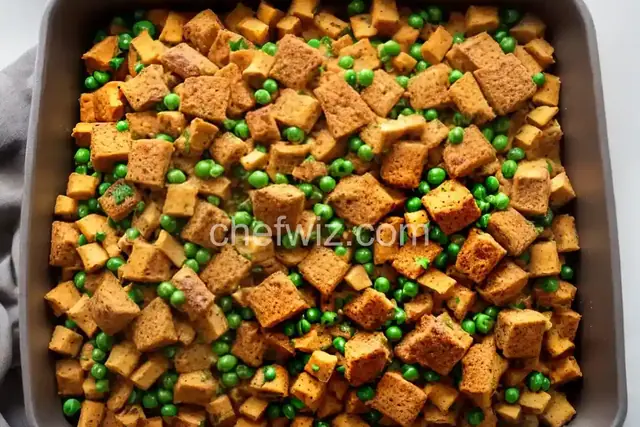
Preheat the oven to 375Ëš F.
In a large skillet over medium heat, melt the butter.
Add the onions, celery, apples, sage, and thyme to the skillet. Season with salt and pepper.
Cook for 5 minutes, then pour in the chicken broth and bring to a simmer.
In a large bowl, whisk together the eggs and parsley.
Add the cubed bread to the bowl.
Pour in the vegetable-broth mixture and toss everything together.
Butter a 3-quart baking dish.
Transfer the stuffing mixture to the baking dish.
Dot the top of the mixture with more butter.
Cover the baking dish with foil.
Bake for 30 minutes.
Uncover the dish and continue baking until the top is golden, approximately 20 more minutes.
Have you ever wondered what makes a Thanksgiving dinner complete? It's the stuffing! This simple yet delicious side dish is a must-have on every Thanksgiving table. It's the perfect accompaniment to roast turkey, adding a burst of flavor and texture to every bite. In this article, we will explore the basics of making stuffing, from the essential ingredients to the various cooking methods. So, let's dive in and unravel the secrets of a perfect stuffing!
Stuffing, also known as dressing, is a savory mixture that is traditionally used to stuff the cavity of a turkey before roasting. It is made with a combination of bread, vegetables, herbs, and spices, creating a flavorful filling that complements the turkey's taste. As the turkey cooks, the stuffing absorbs the delicious juices, resulting in a moist and flavorful side dish. However, stuffing can also be prepared separately in a casserole dish, which is a great option if you prefer a crispy top.
Creating a delicious stuffing starts with selecting the right ingredients. Bread is the foundation of any stuffing recipe. You can use day-old bread, baguette, or even cornbread, depending on your preference. Vegetables like onions, celery, and carrots add flavor and texture to the stuffing. Fresh herbs like sage, thyme, and rosemary bring a delightful aroma. And don't forget the butter or oil for sautéing the vegetables and binding the ingredients together.
When it comes to flavors, the possibilities are endless. You can add cooked sausage, bacon, or mushrooms for an extra punch of umami. Dried fruits like cranberries or apples provide a hint of sweetness. Nuts like pecans or walnuts bring a delightful crunch. And if you like a bit of heat, don't hesitate to add some minced jalapenos or crushed red pepper flakes. The key is to experiment and find a combination that suits your taste buds.
Once you have your ingredients ready, it's time to bring them together. There are two main methods for cooking stuffing: inside the turkey or separately in a casserole dish. If you choose to stuff the turkey, make sure to pack the cavity loosely to allow even cooking. The stuffing's internal temperature should reach 165°F to ensure food safety. Alternatively, you can bake the stuffing in a buttered casserole dish, covered with foil for the first part of the cooking time and then uncovered to achieve a crispy top.
Now that you know the basics of making stuffing, it's time to get creative and add your personal touch. You can experiment with different bread varieties, such as sourdough or cornbread, to change the flavor profile. You can also try adding dried herbs like oregano or marjoram for a unique twist. Don't be afraid to mix and match ingredients to create a stuffing that reflects your culinary style. After all, Thanksgiving is all about celebrating and indulging in delicious food!
Stuffing is the unsung hero of Thanksgiving dinner. It brings flavor, texture, and excitement to the table. Whether you choose to stuff the turkey or bake it separately, a well-made stuffing is the perfect complement to a juicy roast turkey. So, this Thanksgiving, don't forget to give your stuffing the attention it deserves and make it the star of the show!
Yes, you can prepare the stuffing ahead of time and refrigerate it. Just make sure to reheat it thoroughly before serving.
Absolutely! There are many gluten-free bread options available that work well for stuffing.
Yes, you can freeze leftover stuffing in an airtight container for up to three months. Just thaw and reheat before serving.
Yes, you can use vegetable broth or stock instead of butter or oil to keep the stuffing moist and flavorful.
Yes, adding cheese can bring a delightful creaminess to your stuffing. Consider using a mild cheese like cheddar or mozzarella.
While onions and garlic add depth of flavor to stuffing, you can omit them if you have dietary restrictions or personal preferences. You can use other aromatic vegetables like leeks or shallots instead.
Yes, you can make a delicious egg-free stuffing by using vegetable broth or stock to bind the ingredients together.
Absolutely! You can make a hearty vegetarian stuffing by adding protein-rich ingredients like lentils, quinoa, or chickpeas.
AprilCook, recipe developer and the heart of Chefwiz. More about April