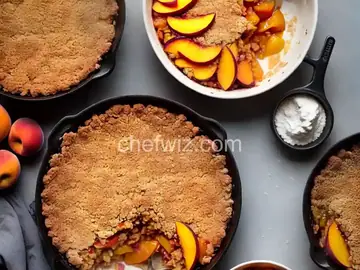
Basic Flaky Pie Crust
Rate this recipeBe the first to rate
 By AprilPublished
 When it comes to baking pies, the crust is the foundation that holds everything together.
 By AprilPublished
 When it comes to baking pies, the crust is the foundation that holds everything together.
Combine the flour and salt in a medium-sized bowl and whisk them together.
Use a pastry blender to cut in the cold shortening until the mixture resembles coarse crumbs.
Drizzle 2 to 3 tablespoons of ice water over the flour mixture.
Use a fork to toss the mixture, moistening it. Add more water a few drops at a time until the dough comes together.
Gently gather the dough particles together and form them into a ball.
Wrap the dough ball in plastic wrap and refrigerate it for at least 30 minutes.
After chilling, roll out the dough.
Place the rolled-out dough in a pie plate.
Fill the pie crust with your desired filling.
Bake according to the recipe's instructions.
When it comes to baking pies, the crust is the foundation that holds everything together. A good pie crust should be buttery, flaky, and melt-in-your-mouth delicious. But mastering the art of making the perfect pie crust can be a challenge. In this article, we will guide you through the process of making a basic flaky pie crust that will impress your friends and family.
Imagine biting into a pie and being greeted by a soggy, tasteless crust. It would be like building a house on a shaky foundation. The crust is not just a vessel for the filling; it adds texture, flavor, and structure to the pie. A well-made crust can elevate the overall taste and experience of the pie.
The secret to a flaky pie crust lies in the fat and the technique. The fat, usually butter or shortening, creates layers in the dough. When the pie bakes, the fat melts and creates steam, which gets trapped between the layers, resulting in a flaky texture. The technique of incorporating the fat into the flour is also crucial. It's important to work quickly and handle the dough as little as possible to prevent the fat from melting and overworking the gluten.
Start by combining the dry ingredients - flour, salt, and a touch of sugar - in a large bowl. Cut the cold butter into small cubes and add it to the flour mixture. Using a pastry cutter or your fingers, work the butter into the flour until it resembles coarse crumbs. The key here is to leave small chunks of butter intact, as they will create those sought-after flaky layers.
Next, add ice water to the mixture, a tablespoon at a time, and gently mix until the dough just comes together. Be careful not to overmix or add too much water, as this can lead to a tough crust. Once the dough has formed, shape it into a disk, wrap it in plastic wrap, and refrigerate for at least 30 minutes. This chilling time allows the gluten to relax and the fat to firm up, resulting in a tender and flaky crust.
Here are some tips to help you achieve pie crust greatness:
Chilled ingredients, cold utensils, and a cool working surface are key to a flaky crust. The cold temperature keeps the fat from melting too quickly and ensures a tender texture.
Handle the dough gently and as little as possible. Overworking the dough can lead to a tough crust. Remember, a light touch is the secret to flaky perfection.
If you're making a pie with a wet filling, such as a custard or fruit filling, consider blind baking the crust. Blind baking involves partially baking the crust before adding the filling. This helps to prevent a soggy bottom and ensures a crisp, flaky crust.
While butter is the classic choice for a flaky pie crust, you can also experiment with other fats like shortening or lard. Each fat brings a unique flavor and texture to the crust, so don't be afraid to mix it up.
A flaky pie crust is the ultimate achievement in pie-making. With the right technique and a few tips and tricks, you can create a crust that will have everyone coming back for seconds. Remember to keep everything cold, handle the dough gently, and experiment with different fats. So go ahead, roll up your sleeves, and get ready to bake the pie of your dreams!
To prevent a soggy bottom crust, consider blind baking the crust before adding the filling. This involves partially baking the crust before adding the filling, which helps to create a barrier and keep the crust crisp.
While margarine can be used as a substitute for butter, it may affect the flavor and texture of the crust. Butter adds a rich, buttery flavor and contributes to the flakiness of the crust. If possible, opt for butter for the best results.
Wrap the leftover pie crust dough tightly in plastic wrap and store it in the refrigerator for up to three days. Alternatively, you can freeze the dough for up to three months. Just thaw it in the refrigerator before using.
Yes, you can use whole wheat flour in place of all-purpose flour. However, keep in mind that whole wheat flour has a different texture and flavor, which may result in a denser crust. Consider using a mix of whole wheat and all-purpose flour for a balance of flavor and texture.
To prevent the crust from shrinking, make sure to chill the dough before baking and avoid stretching it when placing it in the pie dish. You can also use pie weights or dried beans to weigh down the crust during blind baking.
Yes, you can make the pie crust ahead of time. After shaping the dough into a disk, wrap it tightly in plastic wrap and refrigerate it for up to three days. You can also freeze the dough for longer storage. Just make sure to thaw it in the refrigerator before using.
Yes, you can use a food processor to make the pie crust. Simply pulse the dry ingredients together, add the cold butter, and pulse until the mixture resembles coarse crumbs. Then, gradually add the ice water while pulsing, until the dough just comes together.
To achieve a decorative edge on your pie crust, you can use a fork to create a simple crimped edge. Alternatively, you can use a fluted pie crust cutter or make intricate designs with a sharp knife. Let your creativity shine!
AprilCook, recipe developer and the heart of Chefwiz. More about April