Vinegar and Egg Crust
Rate this recipeBe the first to rate
 By AprilPublished
 When it comes to baking pies, achieving the perfect crust can be a challenge.
 By AprilPublished
 When it comes to baking pies, achieving the perfect crust can be a challenge.
In a spacious bowl, combine flour and salt.
Use a pastry blender to incorporate the shortening until the mixture resembles peas.
In a separate bowl, beat together the egg, vinegar, and water.
Gradually add the liquid mixture to the flour mixture, using a fork, until a dough ball forms. Note: Add the liquid one tablespoon at a time, as you may not need to use all of it.
Roll out the dough on a pastry cloth lightly dusted with flour, using a cloth-covered rolling pin.
Before baking, brush the crust with milk and sprinkle it with sugar.
When it comes to baking pies, achieving the perfect crust can be a challenge. We all want that flaky, tender crust that melts in our mouths. Well, I have a secret for you - vinegar and egg crust. Yes, you heard it right! This unconventional combination will take your pie game to a whole new level. So, let's dive in and explore how this magical duo can transform your pies into works of art.
Imagine a pie crust that is not only flaky but also tender and flavorful. That's exactly what you get with vinegar and egg crust. The vinegar helps to inhibit gluten formation, resulting in a more tender crust. Meanwhile, the egg adds richness and moisture, enhancing the overall texture and taste. It's the perfect marriage of ingredients that will elevate your pies to a whole new level.
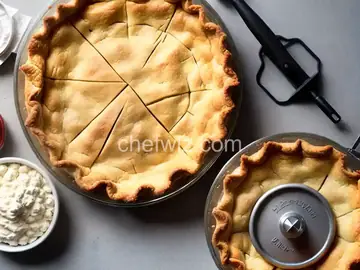
Making vinegar and egg crust is a breeze. Simply combine all-purpose flour, salt, sugar, vinegar, and a beaten egg in a mixing bowl. Mix until the dough comes together, then form it into a ball and chill it in the refrigerator for about 30 minutes. Once chilled, roll out the dough and use it to line your pie dish. Fill with your favorite pie filling, cover with a second layer of the crust, and bake until golden brown. The result? A pie with a crust that will make your taste buds dance with joy!
Here are a few tips to ensure your vinegar and egg crust turns out perfectly every time:
Vinegar and egg crust is incredibly versatile and can be customized to suit different types of pies. Here are a few variations to consider:
Add a tablespoon of sugar to the dough mixture for a slightly sweet crust that pairs perfectly with fruit pies.
For savory pies, omit the sugar and add a pinch of herbs or spices, such as thyme or rosemary, to the dough. This will add a delicious savory flavor to your crust.
Vinegar and egg crust is a game-changer when it comes to baking pies. It guarantees a flaky, tender crust that will impress even the most discerning pie connoisseur. So, next time you're in the mood for pie, give this unconventional crust a try. Your taste buds will thank you!
Yes, you can use any type of vinegar. However, white vinegar is the most commonly used and provides the best results.
Absolutely! You can make the crust ahead of time and refrigerate it for up to 2 days. Just make sure to wrap it tightly in plastic wrap to prevent it from drying out.
Yes, you can freeze the dough for up to 3 months. Just thaw it in the refrigerator overnight before using.
To prevent a soggy crust, brush the bottom of the crust with beaten egg or melted butter before adding the filling. This creates a barrier that helps to keep the crust crisp.
Unfortunately, this crust is not suitable for gluten-free pies as it contains all-purpose flour. However, there are many gluten-free crust alternatives available.
Absolutely! This crust works just as well for tarts as it does for pies. Simply roll out the dough and use it to line your tart pan.
If you're allergic to eggs or prefer not to use them, you can substitute them with cold water. However, keep in mind that the crust may not be as rich and flavorful.
Yes, this crust is versatile and can be used for both sweet and savory pies. Just adjust the sugar and seasoning according to your taste.
AprilCook, recipe developer and the heart of Chefwiz. More about April