Balsamic Glaze
Rate this recipeBe the first to rate
 By AprilPublished
 Are you a food lover who enjoys experimenting with different flavors?
 By AprilPublished
 Are you a food lover who enjoys experimenting with different flavors?
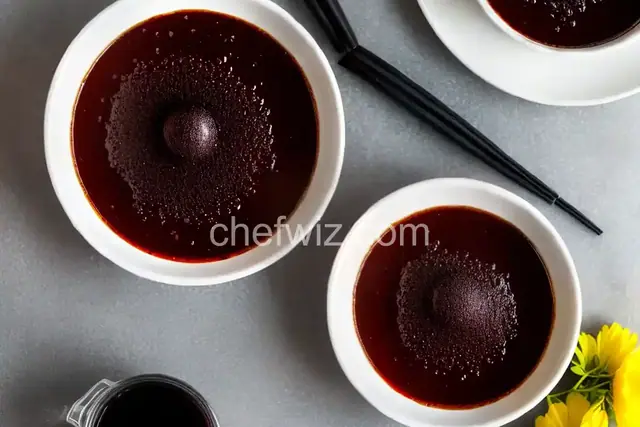
Combine balsamic vinegar and brown sugar in a saucepan over medium heat. Stir constantly until the sugar has completely dissolved.
Bring the mixture to a boil.
Once boiling, reduce the heat to low and simmer for approximately 20 minutes. The glaze should be reduced by half and should coat the back of a spoon.
Allow the glaze to cool before transferring it into a jar with a lid.
Seal the jar and store it in the refrigerator.
If desired, you can substitute raspberry or any other flavored balsamic vinegar to personalize the taste.
Additionally, you can experiment with alternative sweeteners such as molasses, honey, maple syrup, or agave nectar instead of brown sugar.
The flavor of the glaze is intense, so it should be used sparingly as a drizzle.
There are several delicious ways to serve the glaze. Some suggestions include pairing it with gorgonzola cheese and green onions, using it on pasta or portobello mushrooms, drizzling it on grilled beets and carrots, serving it with salmon or pork, or using it as a dressing on a salad with toasted nuts, dried cranberries, or fresh strawberries.
Are you a food lover who enjoys experimenting with different flavors? If so, then you must try balsamic glaze. This versatile condiment can elevate the taste of any dish and add a unique touch to your culinary creations. In this article, we will explore the wonders of balsamic glaze and how it can transform your meals.
Balsamic glaze is a thick, syrupy sauce made from balsamic vinegar. It is created by simmering the vinegar until it reduces and thickens into a sweet and tangy glaze. This reduction process intensifies the flavors and creates a rich, glossy texture that is perfect for drizzling over dishes.
Using balsamic glaze can take your dishes from ordinary to extraordinary. Its sweet and tangy flavor profile adds depth and complexity to both savory and sweet dishes. Whether you're drizzling it over a salad, glazing roasted vegetables, or even using it as a topping for desserts, balsamic glaze can enhance the taste and presentation of your creations.
Imagine biting into a juicy steak topped with a balsamic glaze that adds a burst of flavor to every bite. Or picture a fresh Caprese salad with the perfect balance of sweetness and acidity from the glaze. The possibilities are endless when it comes to using balsamic glaze in your cooking.
There are countless ways to incorporate balsamic glaze into your recipes. You can use it as a finishing touch by drizzling it over grilled meats, roasted vegetables, or even fresh fruits. Its thick consistency allows it to cling to the ingredients, amplifying the flavors and adding a beautiful shine to the dish.
Balsamic glaze is also a great addition to marinades and dressings. Its natural sweetness can balance out the acidity of other ingredients, creating a harmonious blend of flavors. You can also use it as a dipping sauce for bread, cheese, or even as a glaze for desserts like strawberries or ice cream.
Balsamic glaze is readily available at most grocery stores. You can find it in the condiment aisle or the vinegar section. If you prefer homemade options, you can make your own balsamic glaze by reducing balsamic vinegar with a sweetener like honey or sugar. This allows you to customize the sweetness and intensity of the glaze to suit your taste.
To ensure the longevity of your balsamic glaze, it is best to store it in a cool, dry place away from direct sunlight. An airtight container or bottle will help maintain its freshness and prevent any unwanted flavors from seeping in. If stored properly, balsamic glaze can last for several months.
While balsamic glaze does contain some natural sugars, it is a healthier alternative to many other sweet sauces and dressings. Balsamic vinegar itself is known for its potential health benefits, such as aiding digestion and reducing blood sugar levels. However, as with any condiment, moderation is key. Enjoy balsamic glaze in small amounts as part of a balanced diet.
Yes, balsamic glaze is suitable for vegan and gluten-free diets. It is made from balsamic vinegar, which is naturally gluten-free and vegan-friendly. However, it is always important to check the label to ensure that there are no added ingredients that may not align with your dietary restrictions.
If you prefer to make your own balsamic glaze at home, it is a simple process. Start by heating balsamic vinegar in a saucepan over medium heat. Add a sweetener of your choice, such as honey or sugar, and stir until it dissolves. Let the mixture simmer until it reduces and thickens into a glaze-like consistency. Allow it to cool before transferring it to a container for storage.
No, balsamic glaze and balsamic vinegar are not the same. Balsamic vinegar is thinner and has a higher acidity compared to balsamic glaze. The reduction process used to create balsamic glaze transforms the vinegar into a thicker, sweeter sauce with a more concentrated flavor profile.
Like most condiments, balsamic glaze does have an expiration date. However, if stored properly, it can last for several months. It is always a good practice to check the label for the specific expiration date and consume it before that date for the best flavor and quality.
While balsamic glaze and balsamic vinegar are made from the same base ingredient, they have different consistencies and flavors. Balsamic glaze is thicker and sweeter, making it ideal for drizzling and adding a finishing touch to dishes. On the other hand, balsamic vinegar is more commonly used as a salad dressing or marinade. While you can use balsamic glaze as a substitute in some recipes, it may alter the overall taste and texture of the dish.
While balsamic glaze is generally safe for children, it is important to consider their taste preferences and any dietary restrictions they may have. Some children may find the tangy flavor of balsamic glaze too strong, so it is best to introduce it gradually and in small amounts. Always consult with a pediatrician or healthcare professional if you have any concerns.
Balsamic glaze pairs well with a variety of ingredients. Some popular combinations include strawberries and balsamic glaze for a sweet and tangy dessert, grilled chicken with balsamic glaze for a savory main course, and even roasted vegetables with a drizzle of balsamic glaze for a flavorful side dish. The possibilities are endless, so don't be afraid to get creative in the kitchen!
Balsamic glaze is a versatile condiment that can elevate the flavors of your dishes. Its sweet and tangy profile adds depth and complexity, making it a favorite among food enthusiasts. Whether you choose to buy it from the
AprilCook, recipe developer and the heart of Chefwiz. More about April