Apple Clafouti
Rate this recipeBe the first to rate
 By AprilPublished
 Are you in search of a delicious and versatile dessert that will impress your guests?
 By AprilPublished
 Are you in search of a delicious and versatile dessert that will impress your guests?
Preheat the oven to 400 degrees F.
Prepare the batter: In a bowl, combine the flour, sugar, cinnamon, and salt. In a separate bowl, whisk together the eggs, egg yolk, and milk until well blended. Gradually add about 1/3 of the egg mixture to the flour mixture, whisking until smooth. Gradually incorporate the remaining egg mixture and whisk until well blended. Cover the bowl with plastic wrap and refrigerate while you prepare the apples.
Cook the apples: Scrape the vanilla bean seeds from the pod into a 10-inch cast iron or stainless steel skillet. Add the pod and butter to the skillet and cook over moderately high heat until the butter turns nut brown. Add a pinch of salt. Add the apples and cook, stirring often, until slightly softened (about 2 minutes). Remove the vanilla bean pod and discard. Sprinkle the apples with sugar, reduce the heat to moderately low, and cook until the apples are almost cooked through and the sugar has melted and coated the apples in a light syrup. Off the heat, add the grappa or other brandy, pouring it carefully to avoid any flames. Return the skillet to the heat and wait for the flame to die down, then briefly swirl the pan. Spread the cooked fruit evenly in the skillet.
Working quickly, pour the batter evenly over the fruit. Bake in the preheated oven until the edges of the clafouti
Are you in search of a delicious and versatile dessert that will impress your guests? Look no further than apple clafouti! This classic French dessert is a perfect blend of sweet and tart flavors, with a light and custardy texture that will leave you craving for more. In this article, we will explore the wonders of apple clafouti, its rich history, and why it should be a staple in your dessert repertoire.
Clafouti, pronounced "klah-foo-TEE," originated in the Limousin region of France. Traditionally, it is made with cherries, but over time, variations using different fruits, such as apples, have become popular. The word "clafouti" comes from the Occitan dialect, meaning "to fill up" or "to stuff," which perfectly describes this delightful dessert.
Imagine sinking your teeth into a luscious slice of apple clafouti. The tender apples, coated in a delicate batter, melt in your mouth, releasing their natural sweetness. The custard-like texture envelops your taste buds, creating a symphony of flavors. The combination of the slightly tangy apples and the creamy custard is a match made in dessert heaven.
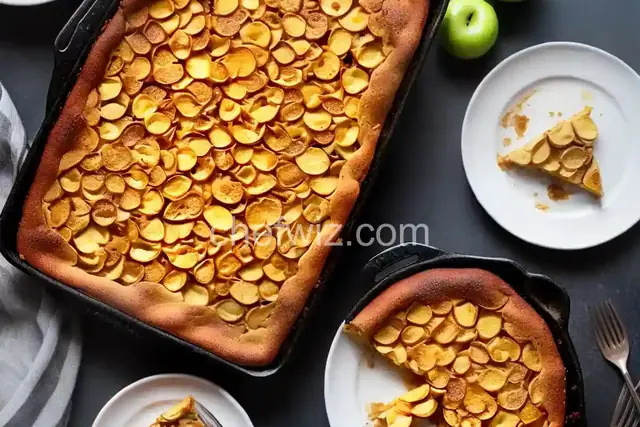
One of the best things about apple clafouti is its simplicity. With just a handful of ingredients and minimal effort, you can create a dessert that looks and tastes like it came from a fancy patisserie. The batter comes together quickly, and the apples can be easily arranged in a pie dish. As it bakes, the clafouti puffs up beautifully, creating an elegant centerpiece for any occasion.
Apple clafouti is incredibly versatile. It can be enjoyed warm or cold, making it suitable for any season. Serve it as a comforting dessert on a chilly autumn evening, or chill it in the fridge for a refreshing treat on a hot summer day. You can also experiment with different spices, such as cinnamon or nutmeg, to add an extra layer of warmth and complexity to the dish.
Apple clafouti is delightful on its own, but it can be taken to another level with the addition of some accompaniments. A dollop of freshly whipped cream adds a luscious creaminess, while a dusting of powdered sugar provides an elegant finishing touch. For those who enjoy a bit of indulgence, a drizzle of caramel sauce or a scoop of vanilla ice cream will elevate the dessert to new heights.
Apple clafouti is a dessert that effortlessly combines simplicity and sophistication. With its delightful flavors, easy preparation, and endless variations, it is a dessert that will never disappoint. Whether you're hosting a dinner party or simply craving a sweet treat, apple clafouti is sure to leave a lasting impression on your taste buds and your guests. So, what are you waiting for? Give this French classic a try and let its magic unfold on your palate!
Absolutely! While cherries are traditional, you can use a variety of fruits, such as apples, pears, or berries, to make clafouti.
Yes, you can! Clafouti can be made a few hours in advance and kept at room temperature. However, it is best enjoyed fresh out of the oven.
Yes, you can experiment with different types of flour, such as whole wheat or almond flour, for a unique twist on the classic recipe.
Fresh fruit is recommended for the best results, but if you only have frozen fruit on hand, make sure to thaw and drain it before using in the clafouti.
Yes, you can substitute the all-purpose flour with a gluten-free flour blend to make a delicious gluten-free clafouti.
Absolutely! Feel free to get creative and add your favorite nuts, such as almonds or walnuts, or even some chocolate chips to the batter for an extra indulgent treat.
Yes, you can use alternative sweeteners, such as honey or maple syrup, instead of granulated sugar. Just keep in mind that it may slightly alter the texture and flavor of the clafouti.
While traditionally considered a dessert, clafouti can certainly be enjoyed as a decadent breakfast or brunch option, especially on special occasions.
AprilCook, recipe developer and the heart of Chefwiz. More about April