Amish Bread
Rate this recipeBe the first to rate
 By AprilPublished
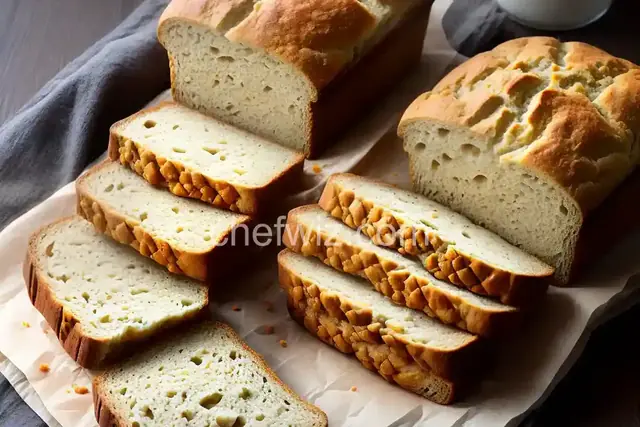
 Have you ever tasted Amish bread? If not, you're in for a treat!
 By AprilPublished
 Have you ever tasted Amish bread? If not, you're in for a treat!
Add flour, oil, yeast, sugar, salt, and warm water to the bread machine in the specified order, as mentioned in the manufacturer's instructions.
Choose the White Bread cycle on the bread machine.
Once the dough has completed its first rise cycle and the second kneading cycle is starting, switch off the machine.
Select the White Bread Cycle again and allow it to complete the entire cycle this time.
After the cycle finishes, take out the loaf from the bread machine.
Have you ever tasted Amish bread? If not, you're in for a treat! Amish bread is a delightful culinary tradition that has been passed down through generations. It's not just a bread; it's a symbol of community, love, and simplicity. In this article, we will delve into the history of Amish bread, explore its unique characteristics, and unravel the secrets behind its irresistible taste.
Amish bread traces its roots back to the Amish community, known for their commitment to a simple and traditional way of life. The Amish people have a deep appreciation for nature, hard work, and quality craftsmanship. These values are reflected in the bread they bake.
Amish bread is made using a sourdough starter, which is a fermented mixture of flour and water. This starter is carefully nurtured over time, creating a unique flavor profile that sets Amish bread apart from other types of bread. The Amish believe in taking the time to do things right, and this slow fermentation process allows the flavors to develop fully.
One of the most fascinating aspects of Amish bread is the tradition of sharing. When an Amish family bakes a loaf of bread, they don't keep it all to themselves. Instead, they divide the dough and pass it along to friends and neighbors, who then continue the chain of sharing. This act of generosity and community-building has become a cherished part of Amish culture.
As the bread is shared, each recipient adds their own ingredients and personal touch, creating a unique variation of the original recipe. This communal aspect of Amish bread is what truly sets it apart. It's not just about the bread itself; it's about the connections and relationships that are formed through this shared experience.
What makes Amish bread so special? It's not just the taste, although the tangy, slightly sour flavor is certainly a crowd-pleaser. It's the story behind the bread, the sense of tradition and community that it represents. When you take a bite of Amish bread, you're not just tasting a delicious loaf; you're experiencing a piece of history and culture.
Amish bread is a reminder that sometimes the simplest things in life can bring the greatest joy. In a world filled with fast-paced living and instant gratification, Amish bread stands as a symbol of patience, craftsmanship, and the power of human connection.
Amish bread is more than just a loaf; it's a symbol of tradition, community, and love. Its unique flavor, created through a slow fermentation process, draws people in, but it's the act of sharing and the connections formed that truly make Amish bread special. So, why not embark on your own Amish bread journey? Experience the magic of this delightful tradition and savor every bite.
Creating a batch of Amish bread requires patience. The fermentation process alone takes several days, and the overall preparation time can range from a week to ten days.
While traditional Amish bread relies on a sourdough starter, there are recipes that use commercial yeast as a substitute. However, the flavor and texture may differ from the authentic version.
Amish bread can be customized with a variety of ingredients like cinnamon, raisins, nuts, or even chocolate chips. These additions add a delightful twist to the classic recipe.
Yes, you can freeze Amish bread. It's best to slice it before freezing, so you can easily thaw individual portions whenever you crave a slice of homemade goodness.
Traditional Amish bread is not gluten-free, as it is made from wheat flour. However, there are gluten-free variations available that use alternative flours like rice flour or almond flour.
Absolutely! Sharing your Amish bread starter is a wonderful way to spread the tradition and create connections with friends and loved ones. Just remember to include instructions on how to care for the starter.
Amish bread is delicious on its own, but it can also be enjoyed toasted and topped with butter, jam, or your favorite spread. It's perfect for breakfast, snacks, or as a companion to a hearty soup or stew.
While traditional Amish bread is baked in an oven, you can adapt the recipe for a bread machine. Just make sure to follow the manufacturer's instructions and adjust the measurements accordingly.
AprilCook, recipe developer and the heart of Chefwiz. More about April