Tunisian Kaftaji
Rate this recipeBe the first to rate
 By AprilPublished
 Are you looking for a delicious and flavorful Tunisian dish to try?
 By AprilPublished
 Are you looking for a delicious and flavorful Tunisian dish to try?
Preheat a nonstick skillet on medium heat.
Cook the zucchini, yellow squash, tomatoes, potatoes, and chile peppers in the skillet, stirring occasionally, until the vegetables are tender. This should take around 20 minutes.
Transfer the cooked vegetables to a bowl and set aside.
Place the skillet back on the burner on medium heat.
Crack the eggs into the skillet and fry them until the egg whites are set but the yolks are still runny. This should take about 5 minutes.
Add the fried eggs to the bowl of vegetables and season with salt and pepper.
Use two knives to cut into the eggs and vegetables, mincing them into small pieces until well blended. The mixture will appear mushy.
In a separate bowl, gradually mix the harissa with water, adding one teaspoon at a time, until the mixture becomes pourable but still thick.
Pour the harissa sauce over the kaftaji (the mixture of eggs and vegetables) and serve.
Note: Harissa is a spicy condiment made with ground chilies, garlic, and spices that is popular in North Africa. You can find it at select grocery stores or specialty shops, or you can make your own using a Tunisian Harissa recipe.
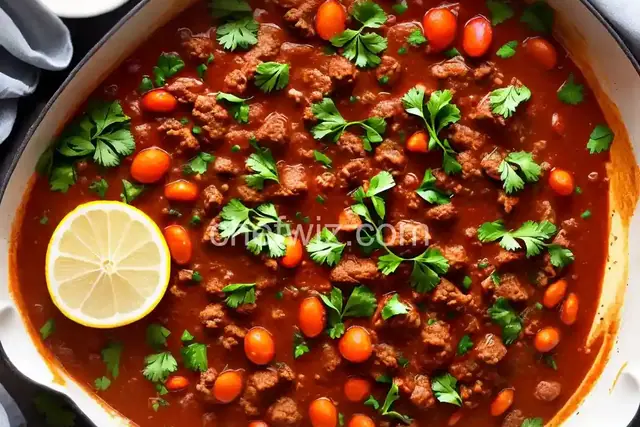
Are you looking for a delicious and flavorful Tunisian dish to try? Look no further than Tunisian Kaftaji! This traditional dish is bursting with bold flavors and is sure to satisfy your taste buds. In this article, we will explore the origins of Tunisian Kaftaji, its unique ingredients, and how to prepare it. Let's dive in!
Tunisian Kaftaji has its roots in the rich culinary history of Tunisia, a North African country known for its vibrant and diverse flavors. This dish is a popular street food and is often enjoyed as a quick and satisfying meal. It has been passed down through generations, with each family adding their own twist to make it truly their own.
What sets Tunisian Kaftaji apart is its unique combination of ingredients. From fresh vegetables to aromatic spices, each component plays a vital role in creating the perfect balance of flavors. Some of the key ingredients include tomatoes, bell peppers, onions, garlic, olive oil, and a blend of Tunisian spices. The result is a dish that is both hearty and aromatic.
Now that we understand the origins and ingredients of Tunisian Kaftaji, let's dive into the preparation process. The first step is to sauté the onions and garlic in olive oil until they are fragrant and golden. Next, add the bell peppers and tomatoes, allowing them to cook down until they are soft and tender. Finally, sprinkle in the Tunisian spice blend, adjusting the amount to suit your taste preferences. Let the flavors meld together for a few minutes, and voila! Your Tunisian Kaftaji is ready to be enjoyed.
Tunisian Kaftaji is a delightful dish that showcases the unique flavors of Tunisia. Its rich history, bold ingredients, and simple preparation make it a must-try for any food enthusiast. Whether you're a fan of vegetarian dishes or enjoy the addition of meat, Tunisian Kaftaji can be customized to suit your taste preferences. So why not embark on a culinary adventure and give Tunisian Kaftaji a try? Your taste buds will thank you!
Absolutely! While the traditional recipe doesn't include meat, you can easily adapt it to your preferences by adding cooked chicken, lamb, or beef. The addition of meat adds an extra layer of richness to the dish.
The level of spiciness in Tunisian Kaftaji can vary depending on the amount of Tunisian spice blend used. If you prefer a milder flavor, you can reduce the amount of spice blend or omit it altogether. Feel free to customize the dish to suit your taste buds.
Absolutely! Tunisian Kaftaji pairs wonderfully with crusty bread or pita. The bread can be used to scoop up the flavorful sauce and add an extra texture to the dish. It's a perfect combination!
Yes, you can! Tunisian Kaftaji tastes even better the next day as the flavors have had time to develop and meld together. Simply store it in an airtight container in the refrigerator and reheat it when you're ready to enjoy.
Absolutely! Tunisian Kaftaji freezes well, making it a convenient option for meal prep or future meals. Allow it to cool completely before transferring it to a freezer-safe container. When you're ready to enjoy, thaw it overnight in the refrigerator and reheat it on the stovetop.
Definitely! Tunisian Kaftaji is a versatile dish, and you can add your favorite vegetables to make it even more nutritious and flavorful. Some popular additions include zucchini, eggplant, and potatoes. Get creative and experiment with different combinations!
Yes, the base recipe for Tunisian Kaftaji is vegan-friendly as it doesn't include any animal products. However, if you choose to add meat or dairy-based ingredients, it will no longer be vegan. Feel free to customize the recipe to suit your dietary preferences.
Absolutely! Tunisian Kaftaji has a naturally sweet undertone due to the caramelization of the onions and tomatoes. If you prefer a sweeter flavor, you can add a pinch of sugar or honey. Balancing the sweetness is all about personal preference.
While Tunisian Kaftaji is often enjoyed as a main course, it can also be served as a side dish alongside grilled meats or couscous. Its bold flavors and vibrant colors make it a versatile addition to any meal.
AprilCook, recipe developer and the heart of Chefwiz. More about April