Aloo Paratha
Rate this recipeBe the first to rate
 By AprilPublished
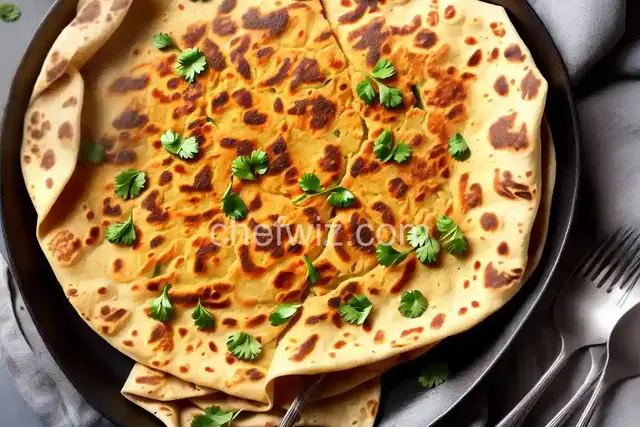
 Have you ever tried aloo paratha? This delicious Indian dish combines the warmth and comfort of bread with the flavorful filling of spiced potatoes.
 By AprilPublished
 Have you ever tried aloo paratha? This delicious Indian dish combines the warmth and comfort of bread with the flavorful filling of spiced potatoes.
Clean and dry 2 medium russet potatoes. Use a fork to pierce each potato 5 times on each side. Microwave the potatoes in a microwave-safe bowl for 10 minutes, turning them over halfway through. Alternatively, you can boil the potatoes in a large saucepan until a fork easily pierces the flesh, then drain and let cool.
Peel the potatoes when they are cool enough to handle but still hot. Mash the potatoes in a medium bowl until mostly smooth. Measure out 1½ cups and transfer to a small bowl. Save any extra mashed potatoes for later use.
In a medium bowl, combine 1 cup whole wheat flour, ¼ tsp. vegetable oil, ¼ tsp. kosher salt, and ½ cup room-temperature water. Knead the mixture until the dough is smooth and there are no dry bits. Wrap the dough in plastic wrap and chill for 20 minutes.
Crush ½ tsp. fennel seeds to a powder using a mortar and pestle or a heavy object on a cutting board. Chop a small handful of cilantro.
In the small bowl with the mashed potatoes, mix in the ground fennel, ¼ tsp. red chili powder, 2 Tbsp. chopped cilantro, and remaining ¼ tsp. kosher salt using a fork. Break up any lumps to ensure the potatoes are smooth. Divide the mixture into 4 equal portions and roll them into balls
Have you ever tried aloo paratha? This delicious Indian dish combines the warmth and comfort of bread with the flavorful filling of spiced potatoes. It's a popular dish in many households and a staple in Indian cuisine. In this article, we'll explore the origins of aloo paratha, its ingredients, and how to enjoy it to the fullest.
Aloo paratha has its roots in the Indian subcontinent, specifically in the Punjab region. It is believed to have been created by Punjabi farmers as a hearty and filling meal to sustain them during long days of work in the fields. Over time, it gained popularity throughout India and eventually spread to other parts of the world.
Traditional aloo paratha is made with basic ingredients that can be found in most kitchens. The main components are wheat flour, potatoes, and a blend of spices. The dough is prepared by mixing flour, water, and a pinch of salt to achieve the right consistency. The filling is made by mashing boiled potatoes and adding a combination of spices such as cumin, coriander, turmeric, and chili powder.
Wheat flour is the preferred choice for making aloo paratha because of its texture and taste. It provides a soft and chewy base that complements the flavorful potato filling. Additionally, wheat flour is rich in nutrients and fiber, making it a healthier option compared to refined flour.
Preparing aloo paratha requires a few steps but is relatively simple once you get the hang of it. First, the dough is prepared by kneading the flour, water, and salt. It is then left to rest for a short while. Meanwhile, the potatoes are boiled, mashed, and mixed with the spices. The dough is divided into small portions, rolled into discs, and filled with the potato mixture. The filled dough is then rolled out into a flatbread and cooked on a hot griddle with a little oil or ghee.
Resting the dough allows the gluten in the flour to relax, resulting in a softer and more pliable dough. It also gives the flavors time to meld together, enhancing the overall taste of the paratha. So, don't rush this step - let the dough rest and you'll be rewarded with a better final product.
Aloo paratha can be enjoyed in various ways. It is often served with a dollop of butter or ghee and accompanied by yogurt or pickles. Some people prefer to have it with a side of chutney or tomato ketchup. Aloo paratha is a versatile dish that can be enjoyed for breakfast, lunch, or dinner. Its warmth and flavors are sure to satisfy your taste buds.
Aloo paratha is a delicious and popular dish that has become a favorite in many households. Its origins in the Punjab region of India and its simple yet flavorful ingredients make it a must-try. Whether you're a fan of Indian cuisine or looking to explore new flavors, aloo paratha is sure to delight your taste buds. So, why not give it a try?
While all-purpose flour can be used, wheat flour is the traditional and recommended choice for aloo paratha. It provides a better texture and taste.
Absolutely! Aloo paratha can be customized according to your preferences. You can add vegetables like peas, onions, or even spinach to the potato filling for added flavor and nutrition.
Yes, you can prepare the dough in advance and store it in the refrigerator. Just make sure to bring it to room temperature before rolling and cooking the parathas.
Yes, aloo parathas can be frozen for future use. After cooking, let them cool completely, stack them with parchment paper in between, and store them in an airtight container or freezer bag. To reheat, simply thaw and warm them on a hot griddle.
While oil or ghee is traditionally used to cook the parathas, you can use a non-stick pan or a dry griddle to make them oil-free. However, keep in mind that the texture and taste may slightly differ.
No, aloo paratha is not gluten-free as it is made with wheat flour. However, you can explore gluten-free alternatives like using a combination of gluten-free flours or using millet flour.
If you prefer a spicier filling, you can adjust the amount of chili powder or add additional spices like red chili flakes or chopped green chilies.
Boiling the potatoes before mashing them ensures that they are cooked thoroughly and have a smooth texture. However, if you prefer a chunkier filling, you can skip the boiling step and directly mash the raw potatoes.
AprilCook, recipe developer and the heart of Chefwiz. More about April