Flour Frosting (a.k.a. Ermine Frosting) Recipe
Rate this recipeBe the first to rate
 By AprilPublished
 Have you ever wondered how bakers achieve that velvety, smooth frosting on their cakes that seems to melt in your mouth?
 By AprilPublished
 Have you ever wondered how bakers achieve that velvety, smooth frosting on their cakes that seems to melt in your mouth?
In a 10-inch skillet or 3-quart saucier, whisk together flour and milk. Cook over medium heat, whisking constantly, until thick and pudding-like for about 2 minutes.
Remove from heat and add sugar and salt. Whisk until sugar dissolves and the mixture is homogeneous but thin. Transfer the mixture to a wide, shallow dish like a pie plate and let it cool to approximately 70°F (21°C).
Place butter in the bowl of a stand mixer fitted with a paddle attachment. Mix on low speed until smooth, then increase speed to medium and beat until soft and light for about 5 minutes.
Gradually add the cooled pudding, a few tablespoons at a time, fully incorporating it into the butter. Pause to scrape the bowl and beater with a flexible spatula, then continue beating until the mixture is smooth.
Switch to the whisk attachment on the stand mixer and add vanilla. Whip on low speed to combine, then increase to medium-high and continue whipping until the frosting is silky-smooth, soft, and has a light, melt-in-your-mouth consistency for about 3 minutes more or until it reaches a working temperature of approximately 75°F (24°C).
Taste the frosting and season with additional salt and/or vanilla as desired.
Use the frosting immediately or follow the troubleshooting guide below if there are any textural inconsistencies.
If the frosting feels dense, stiff, gre
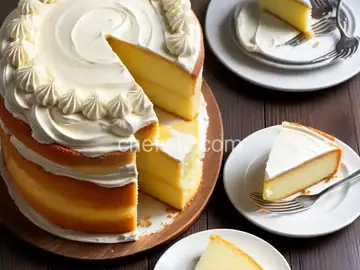
Have you ever wondered how bakers achieve that velvety, smooth frosting on their cakes that seems to melt in your mouth? The answer might surprise you - it's flour! Yes, you read that right. Flour frosting, also known as Ermine frosting, is a hidden gem in the world of cake decorating. In this article, we will uncover the secrets of this delectable frosting and why it deserves a place on your next cake creation. So, let's dive in!
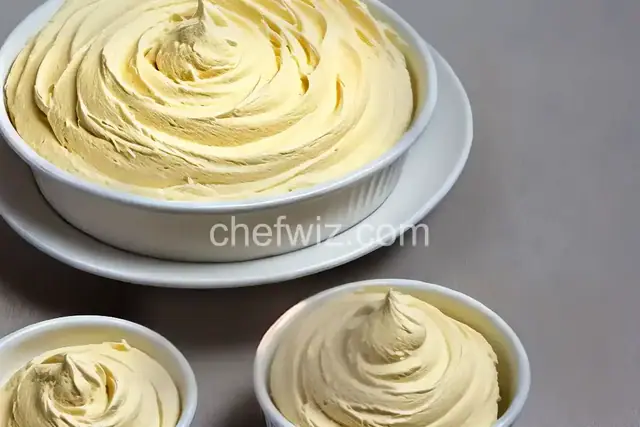
Flour frosting is a unique type of frosting made by cooking flour and milk into a thick paste, which is then whipped with butter and sugar until light and fluffy. Unlike traditional buttercream frostings that are made with powdered sugar, flour frosting has a more delicate texture and a subtle sweetness that complements the cake beautifully. The secret lies in the cooked flour mixture, which acts as a stabilizer, giving the frosting its smooth and creamy consistency.
Flour frosting has its own set of advantages that make it stand out from the crowd. Firstly, it has a light and airy texture that is not overly sweet, making it a perfect choice for those who prefer a less sugary frosting. Secondly, it spreads beautifully on cakes without causing crumb problems. Whether you're frosting a layer cake or piping intricate decorations, flour frosting is a dream to work with. Lastly, it pairs well with a variety of cake flavors, from classic vanilla to rich chocolate, allowing you to experiment and create endless combinations.
Creating a luscious flour frosting is easier than you might think. Start by whisking flour and milk together in a saucepan over medium heat until it thickens into a smooth paste. Allow it to cool completely. In a separate bowl, beat butter and sugar together until light and fluffy. Once the flour mixture has cooled, gradually add it to the butter mixture, beating until well combined. Voila! You now have a velvety smooth flour frosting ready to adorn your cakes.
1. Use unsalted butter for a more neutral flavor, allowing the sweetness of the frosting to shine through.
2. Make sure the flour mixture is completely cooled before adding it to the butter. This prevents the frosting from melting and losing its structure.
3. If your frosting is too thick, add a tablespoon of milk at a time until you reach the desired consistency. Conversely, if it is too thin, add more powdered sugar to thicken it up.
4. For a burst of flavor, add a teaspoon of vanilla extract or other extracts like almond or lemon to the frosting.
Flour frosting, also known as Ermine frosting, is a game-changer in the world of cake decorating. Its unique texture, subtle sweetness, and ease of use make it a favorite among bakers. So, the next time you want to take your cake to the next level, give flour frosting a try. Your taste buds will thank you!
Yes, you can easily color flour frosting using gel food coloring. Add a small amount at a time until you achieve the desired shade.
Absolutely! You can make flour frosting ahead of time and store it in an airtight container in the refrigerator for up to a week. Just make sure to bring it to room temperature and give it a good whisk before using.
Yes, you can freeze cakes frosted with flour frosting. However, keep in mind that the texture might slightly change upon thawing. It's best to wrap the cake tightly in plastic wrap and then in aluminum foil to prevent freezer burn.
Absolutely! Flour frosting holds its shape beautifully when piped, allowing you to create intricate designs and decorations on your cakes.
Yes, flour frosting works wonderfully on cupcakes too! Whether you prefer a simple swirl or a more elaborate design, this frosting will elevate your cupcakes to new heights.
Generally, cakes frosted with flour frosting can be stored at room temperature for a day or two. However, if you live in a hot and humid climate, it's best to refrigerate the cake to prevent the frosting from melting.
While you can use whole wheat flour for flour frosting, keep in mind that it will alter the taste and texture slightly. If you prefer a more traditional flavor, stick with all-purpose flour.
Absolutely! Flour frosting is a blank canvas for your creativity. Feel free to experiment with different flavors like cocoa powder, espresso powder, or even fruit puree to add a unique twist to your frosting.
AprilCook, recipe developer and the heart of Chefwiz. More about April