Classic Vanilla Butter Cake Recipe
Rate this recipeBe the first to rate
 By AprilPublished
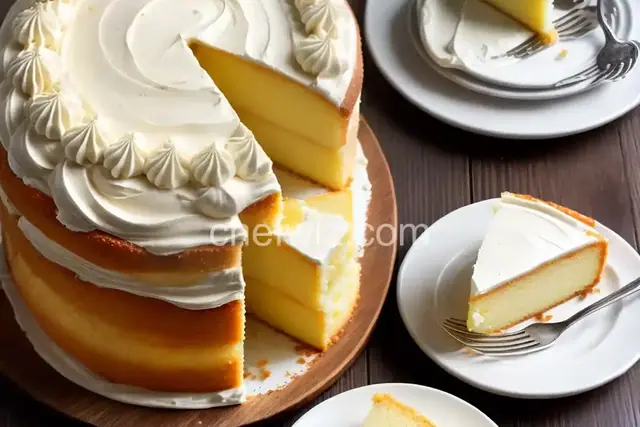
 Who doesn't love a classic vanilla butter cake? It's a timeless dessert that brings joy to any occasion.
 By AprilPublished
 Who doesn't love a classic vanilla butter cake? It's a timeless dessert that brings joy to any occasion.
Adjust the oven rack to the lower-middle position and preheat it to 350°F (180°C). Lightly grease three 8-inch anodized aluminum cake pans and line them with parchment paper (you can find an explanation and tutorial on how to do this).
In the bowl of a stand mixer fitted with the paddle attachment, combine the sugar, baking powder, salt, and butter. Mix on low speed until roughly incorporated, then increase the speed to medium and beat until fluffy and light, for about 5 minutes. Pause halfway through to scrape the bowl and beater with a flexible spatula.
While the mixer is still running, add the eggs one at a time, allowing each to fully incorporate before adding the next. Then, add the vanilla gradually. Reduce the speed to low and add about 1/3 of the flour, followed by 1/3 of the milk. Repeat this process with the remaining flour and milk, working in thirds.
Scrape the bowl and beater with a flexible spatula, and continue mixing on medium speed for about 3 seconds to ensure everything is well combined. The batter should have a creamy and thick consistency, and the temperature should be between 65 and 68°F (18 and 20°C) on a digital thermometer. Significant deviation from this temperature range may cause texture issues with the cake.
Fold the batter once or twice from the bottom up using a flexible spatula, and
Who doesn't love a classic vanilla butter cake? It's a timeless dessert that brings joy to any occasion. Whether it's a birthday party, a wedding, or just a casual get-together, this cake never fails to impress. In this article, we'll take a closer look at what makes a classic vanilla butter cake so special and how you can make one yourself.
Vanilla is like the little black dress of the baking world. It's simple, elegant, and always in style. Just a touch of vanilla extract can transform a basic cake into a delightful treat. Its warm and comforting flavors add depth and richness to the buttery goodness of the cake.
A classic vanilla butter cake strikes the perfect balance between lightness and moisture. It has a tender crumb that practically melts in your mouth. The buttery texture is complemented by the subtle sweetness of vanilla, creating a heavenly combination.
Butter is the star of this cake. It adds richness and flavor, making every bite a delight. The creamy, velvety texture of butter creates a cake that is irresistibly moist and tender. It's the secret ingredient that takes this classic cake to the next level.
Making a classic vanilla butter cake from scratch is easier than you might think. With a few simple ingredients and some basic baking techniques, you can create a masterpiece that will impress your friends and family.
To make a classic vanilla butter cake, you'll need:
1. Preheat your oven to 350°F (175°C) and grease your cake pans.
2. In a mixing bowl, cream together the butter and sugar until light and fluffy.
3. Add the eggs one at a time, beating well after each addition.
4. Mix in the vanilla extract.
5. In a separate bowl, whisk together the flour, baking powder, and salt.
6. Gradually add the dry ingredients to the butter mixture, alternating with the milk. Begin and end with the dry ingredients, mixing until just combined.
7. Divide the batter evenly between the prepared cake pans.
8. Bake for 25-30 minutes, or until a toothpick inserted into the center comes out clean.
9. Allow the cakes to cool in the pans for 10 minutes, then transfer them to a wire rack to cool completely.
While you can technically substitute margarine for butter, it may affect the taste and texture of the cake. Butter is recommended for the best results.
It's best to use all-purpose flour in this recipe to ensure the proper texture and rise of the cake.
Yes, you can. The cake can be made a day in advance and stored in an airtight container at room temperature. Alternatively, you can freeze the cake layers for up to three months.
Absolutely! While vanilla is the classic choice, you can experiment with other extracts or add-ins to customize the flavor. Consider adding lemon zest, almond extract, or even chocolate chips.
Yes, you can use this recipe to make cupcakes. Just adjust the baking time to around 15-20 minutes.
You can choose any frosting you like, such as buttercream, cream cheese, or ganache. Spread a thin layer of frosting on the first cake layer, place the second layer on top, and frost the entire cake.
Cake flour can be used, but it will result in a lighter and more delicate texture. If you prefer a slightly denser cake, stick with all-purpose flour.
Of course! Adding a few drops of food coloring can create a visually stunning cake. Just be sure to use gel or paste food coloring, as liquid food coloring can affect the consistency of the batter.
Now that you have all the information you need, it's time to get baking! Treat yourself and your loved ones to a slice of classic vanilla butter cake. Whether it's a special occasion or just a craving for something sweet, this cake is sure to satisfy.
AprilCook, recipe developer and the heart of Chefwiz. More about April