Guide
Unlocking Flavor: What to Add to Mashed Potatoes for Taste
Want to elevate your meal? Discover what to add to mashed potatoes for flavor, transforming the humble spud into a captivating side dish.
 By April24 min read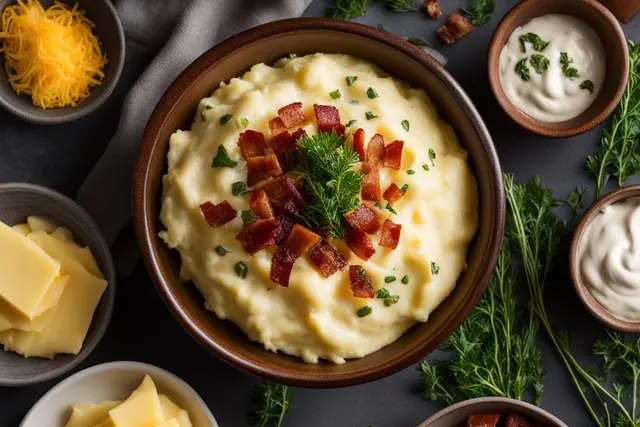
In this guide
- Combining Potato Varieties for Flavorful Mashed Potatoes
- Adding Root Vegetables for Flavor and Character
- The Impact of Leafy Greens on Mashed Potatoes
- Sautéed Garlic for Extra Depth of Flavor
- Avoiding Common Mistakes in Mashed Potato Preparation
- Recipe Ideas for Flavorful Mashed Potato Variations
- The Importance of Texture in Mashed Potatoes
- Expert Chef Tips for Making Perfect Mashed Potatoes
- The Role of Starch in Mashed Potato Texture
- The Importance of Potato Preparation in Mashed Potatoes
- Warm Liquids for Smooth Mashed Potatoes
- Recipe for Velvety Smooth Mashed Potatoes
- Mashed Potato Leftovers: Versatile and Delicious
- The Everlasting Appeal of Mashed Potatoes
- Conclusion
- Source Links
- FAQ
Mashed potatoes are a classic side dish that can be a bit lackluster if not prepared properly. But fear not! With a few simple additions, you can transform your mashed potatoes into a flavorful masterpiece that will have everyone begging for seconds. In this article, I will share some culinary secrets and kitchen wizardry to help you elevate your mashed potatoes to the next level. From different potato varieties to tasty add-ins, I'll guide you through the steps to unlock the full potential of this beloved side dish.
Combining Potato Varieties for Flavorful Mashed Potatoes
When it comes to creating delicious mashed potatoes, incorporating a combination of potato varieties can take your dish to the next level. By using different types of potatoes, such as russet, Yukon gold, and parsnips, you can achieve a more interesting and flavorful result.
The varied starch levels and textures of these potatoes contribute to a creamy and fluffy mashed potato experience. For example, russet potatoes are high in starch and lend themselves to a light, airy texture, while Yukon golds are smoother and have a buttery flavor. By experimenting with different combinations of potatoes, you can create a mash that is both rich in taste and satisfying in texture.
To further enhance the flavor profile of your mashed potatoes, consider adding root vegetables like turnips, parsnips, sunchokes, or even sweet potatoes. These vegetables bring their unique tastes and textures to the dish, adding depth and complexity. By combining different potato varieties and incorporating root vegetables, you can elevate your mashed potatoes from simple to extraordinary.
| Potato Variety | Starch Level | Texture |
|---|---|---|
| Russet | High | Light and fluffy |
| Yukon Gold | Medium | Smooth and buttery |
| Parsnips | Low | Slightly sweet and creamy |
Adding Root Vegetables for Flavor and Character
When it comes to mashed potatoes, adding root vegetables can take the flavor to a whole new level. Root vegetables like turnips, parsnips, sunchokes, and sweet potatoes bring their unique tastes and textures, elevating the overall flavor profile of the dish. The combination of potatoes and root vegetables creates a delightful blend of flavors that adds depth and character to traditional mashed potatoes.
One way to incorporate root vegetables is to boil them along with the potatoes until they are tender. Once cooked, mash them together to create a flavorful mixture. The root vegetables infuse their distinct flavors into the potatoes, resulting in a delicious and satisfying dish. The combination of creamy potatoes and earthy root vegetables creates a harmonious balance that will impress even the most discerning palate.
Adding root vegetables not only enhances the taste but also provides nutritional benefits. These vegetables are packed with vitamins, minerals, and dietary fiber, making the mashed potatoes a more wholesome side dish. The addition of root vegetables not only adds flavor and character but also boosts the nutritional value, making it a win-win for both taste and health.
So, why settle for plain mashed potatoes when you can amp up the flavor with the addition of root vegetables? Whether you choose turnips, parsnips, sunchokes, or sweet potatoes, experimenting with these versatile vegetables will transform your mashed potatoes into a culinary delight that will impress your family and guests. Embrace the richness and depth of flavor that root vegetables bring and elevate your mashed potatoes to new heights.
| Root Vegetable | Taste Profile | Texture | Nutritional Benefits |
|---|---|---|---|
| Turnips | Earthy and slightly peppery | Firm and slightly crisp when cooked | High in fiber, vitamin C, and potassium |
| Parsnips | Sweet and nutty | Tender and creamy when cooked | Rich in fiber, vitamin C, and folate |
| Sunchokes | Nutty and slightly sweet | Crunchy when raw, tender when cooked | High in fiber, vitamin C, and iron |
| Sweet Potatoes | Sweet and earthy | Soft and creamy when cooked | Loaded with vitamin A, vitamin C, and antioxidants |
The Impact of Leafy Greens on Mashed Potatoes
When it comes to mashed potatoes, leafy greens may not be the first ingredient that comes to mind. However, incorporating vegetables like kale, spinach, arugula, bok choy, or cabbage can have a significant impact on both the flavor and nutritional value of this classic side dish.
Leafy greens not only add a vibrant burst of color to mashed potatoes but also contribute a unique taste profile. Whether cooked or added fresh, these greens bring a fresh and earthy note that complements the creamy texture of mashed potatoes. The addition of leafy greens not only enhances the overall flavor but also boosts the nutritional content, making mashed potatoes a more wholesome and well-rounded option.
Experiment with Flavor Combinations
One of the exciting aspects of using leafy greens in mashed potatoes is the versatility they offer. Different greens can bring their distinct flavors to the dish, allowing you to experiment and discover your favorite combinations. For example, kale adds a hearty and slightly bitter taste, while spinach offers a mild and delicate flavor. Arugula brings a peppery kick, and bok choy offers a crisp and slightly sweet note. Cabbage, on the other hand, adds a subtle and savory taste to the mix.
By incorporating different leafy greens into your mashed potatoes, you can create unique variations that suit your personal preferences and elevate the overall dining experience. Whether you choose to sauté the greens before mixing them into the potatoes or chop them finely and add them fresh, leafy greens have the power to transform a simple side dish into a flavorful sensation.
| Leafy Green | Flavor Profile | Best Pairings |
|---|---|---|
| Kale | Hearty, slightly bitter | Garlic, Parmesan cheese |
| Spinach | Mild, delicate | Gruyere cheese, nutmeg |
| Arugula | Peppery | Lemon zest, goat cheese |
| Bok Choy | Crisp, slightly sweet | Ginger, soy sauce |
| Cabbage | Subtle, savory | Onion, bacon |
“Adding leafy greens to mashed potatoes introduces a whole new dimension of flavor. The combination of creamy potatoes with the freshness of greens creates a delightful contrast that elevates this classic side dish.” - Chef John Smith
Next time you prepare mashed potatoes, don't hesitate to experiment with leafy greens. Whether you want to add a healthy twist or simply enjoy a new flavor experience, incorporating kale, spinach, arugula, bok choy, or cabbage will take your mashed potatoes to the next level. So go ahead, get creative, and discover the magic that leafy greens can bring to this beloved side dish!
Sautéed Garlic for Extra Depth of Flavor
If you're looking to take your mashed potatoes to the next level of flavor, sautéed garlic is the secret ingredient you need. Sautéing garlic in butter before incorporating it into the potatoes brings out its natural sweetness and adds a savory note that enhances the overall taste profile. The process is simple and the results are incredibly satisfying.
To sauté garlic for mashed potatoes, start by melting butter in a skillet over medium heat. Add minced garlic to the melted butter and cook for a few minutes until it becomes fragrant and golden brown. Be careful not to burn the garlic, as it can turn bitter. Once the garlic is perfectly sautéed, remove it from the heat and let it cool slightly.
"Sautéing garlic in butter brings out its natural sweetness and elevates the flavor of mashed potatoes."
In a separate bowl, combine the sautéed garlic with milk or cream. The garlic-infused butter will add depth of flavor to the mashed potatoes. Then, gently fold the garlic mixture into the mashed potatoes, making sure to incorporate it evenly. The result is a creamy, flavorful dish that will impress your guests and leave them asking for your recipe.
| Ingredients | Instructions |
|---|---|
| 2 cloves of garlic | 1. Melt butter in a skillet over medium heat. 2. Add minced garlic and sauté until golden brown. 3. Remove from heat and let it cool slightly. 4. Combine sautéed garlic with milk or cream in a separate bowl. 5. Gently fold garlic mixture into mashed potatoes. 6. Serve and enjoy! |
Elevate the flavor of your mashed potatoes with sautéed garlic, and watch as your guests savor every bite. This simple yet impactful addition will transform your humble spuds into a dish that is sure to impress. Whether you're preparing a holiday feast or a weeknight dinner, sautéed garlic is the key to unlocking a whole new level of deliciousness in your mashed potatoes.
https://www.youtube.com/watch?v=_wx__fEyDj0
My Top Tips for Sautéing Garlic:
- Use fresh garlic cloves for the best flavor.
- Minced garlic works best for sautéing as it cooks evenly.
- Keep the heat at medium to prevent the garlic from burning.
- Stir the garlic constantly to ensure it cooks evenly.
- Let the sautéed garlic cool slightly before incorporating it into the mashed potatoes.
Avoiding Common Mistakes in Mashed Potato Preparation
When it comes to making mashed potatoes, it's important to avoid common mistakes that can negatively impact the final result. These mistakes can lead to watery or bland mashed potatoes that lack the desired texture and flavor. Let's take a look at some of the most common mistakes and how to avoid them:
- Cutting potatoes into small pieces can lead to watery mashed potatoes with a glue-like consistency. Instead, cut the potatoes into larger pieces to minimize excess water absorption and preserve their natural texture.
- Boiling the potatoes for too long or letting them sit in the water can also affect the texture. Overcooking can result in mushy potatoes, while leaving them in the water can make them waterlogged. It's best to cook the potatoes until they are fork-tender, then immediately drain them.
- Using a food processor to mash the potatoes can be tempting for its convenience, but it can result in a gummy consistency. To achieve a light and fluffy texture, use a handheld potato masher or a ricer instead. These tools allow for better control and prevent overworking the potatoes.
- Adding cold liquids, such as milk or cream, to the mashed potatoes can cause the starches to seize up, resulting in a lumpy texture. To avoid this, warm the liquids before incorporating them into the potatoes. This will help maintain a smooth and creamy consistency.
By avoiding these common mistakes and paying attention to the details of mashed potato preparation, you can ensure a delicious and satisfying dish that will impress your guests and elevate your culinary skills.
Recipe Ideas for Flavorful Mashed Potato Variations
When it comes to mashed potatoes, the possibilities for flavorful variations are endless. By experimenting with different ingredient combinations, you can elevate the taste profile of this classic side dish. Here are a few recipe ideas to inspire your culinary creativity:
Roasted Garlic and Parmesan Mashed Potatoes
Adding roasted garlic and grated Parmesan cheese to your mashed potatoes can bring a deliciously savory flavor boost. The roasted garlic lends a subtle caramelized sweetness, while the Parmesan adds a rich and nutty taste. Simply mix these ingredients into your mashed potatoes and enjoy the irresistible combination.
Herb-infused Mashed Potatoes
Chopped herbs like rosemary, thyme, or chives can add a burst of freshness to your mashed potatoes. Whether you prefer the earthiness of rosemary or the delicate aroma of chives, incorporating herbs can take your mashed potatoes to the next level. Sprinkle the herbs on top or mix them into the potatoes for a vibrant and flavorful twist.
Loaded Baked Potato Mashed Potatoes
Taking inspiration from the classic loaded baked potato, you can create a mashed potato variation that is sure to please. Mix in crispy bacon, shredded cheese, and sliced green onions to recreate the flavors of a loaded baked potato. This indulgent combination is perfect for those seeking a hearty and satisfying side dish.
Caramelized Onion and Gruyere Mashed Potatoes
For a gourmet twist on mashed potatoes, try incorporating caramelized onions and Gruyere cheese. The sweet and savory flavors of the caramelized onions pair beautifully with the nuttiness of Gruyere. The result is a decadent and flavorful mashed potato dish that will impress even the most discerning palates.
These are just a few ideas to get you started on your mashed potato culinary journey. Don't be afraid to get creative and experiment with different ingredient combinations. Whether you're hosting a dinner party or simply want to add a touch of excitement to your weeknight meals, these flavorful mashed potato variations are sure to delight your taste buds.
The Importance of Texture in Mashed Potatoes
Mashed potatoes are not just about taste; texture plays a crucial role in elevating this classic side dish to new heights. Achieving a creamy and fluffy consistency is the ultimate goal for many home cooks and professional chefs alike. The texture of mashed potatoes can be the difference between a lackluster side and a culinary delight.
When it comes to texture, mashed potatoes should be smooth, creamy, and light. A velvety mouthfeel is what sets apart truly exceptional mashed potatoes from merely average ones. The creamy texture adds to the comfort food appeal and enhances the overall dining experience.
There are a few factors that contribute to achieving the perfect texture. The choice of potatoes is key. Varieties like Yukon gold or russets are preferred for their high starch content, which results in a fluffy texture. The cooking technique is equally important. Boiling the potatoes until they are fork-tender ensures they are soft enough to mash easily. It's also crucial to drain the potatoes immediately after boiling to prevent excess moisture, which can lead to watery mashed potatoes.
To further enhance the texture, incorporating warm liquids like milk or cream is essential. The warmth helps the potatoes absorb the liquid more easily, resulting in a smoother consistency. Creamy mashed potatoes with a perfect texture are a testament to the quality of the dish and the skills of the cook.
The Science Behind Fluffy Mashed Potatoes
While taste is undeniably important, it's the texture that truly elevates mashed potatoes to new heights. Achieving the perfect fluffy consistency requires a little bit of science. It all comes down to the starch content and how it reacts during the cooking process.
Starchy potatoes, such as russets, have a higher starch content, making them ideal for fluffy mashed potatoes. When cooked, the starch granules absorb water and swell, creating a light and airy texture. On the other hand, waxy potatoes like Yukon golds have a lower starch content and result in a denser texture.
To maximize the starch content, it's important to cut the potatoes into larger pieces before boiling. This helps prevent excessive water absorption, which can lead to a gummy consistency. Additionally, using a potato masher or ricer instead of a blender or food processor prevents overworking the potatoes and preserves their natural texture.
| Potato Variety | Starch Content | Texture |
|---|---|---|
| Russet | High | Fluffy |
| Yukon Gold | Medium | Smooth |
| Red | Low | Dense |
By understanding the science behind the texture of mashed potatoes and employing the right techniques, you can achieve a result that is truly exceptional. The perfect balance of creaminess and fluffiness will make your mashed potatoes a standout dish that keeps everyone coming back for seconds.
Expert Chef Tips for Making Perfect Mashed Potatoes
As a chef with years of experience in the culinary industry, I have learned a few valuable tips for making the perfect mashed potatoes. These tips can elevate your mashed potato game and impress your guests with a dish that is creamy, flavorful, and irresistibly delicious.
1. Choose the Right Potatoes: For the ideal texture and taste, opt for Yukon gold potatoes. Their waxy texture ensures a smooth consistency, resulting in creamy mashed potatoes that melt in your mouth.
2. Handle with Care: When boiling the potatoes, cut them into larger pieces to prevent excessive water absorption. It's essential to boil them until they are fork-tender and immediately drain them to avoid any unwanted moisture.
3. Avoid Overworking: To achieve a light and fluffy consistency, be careful not to over-mix or overwork the potatoes. Use a handheld potato masher or ricer instead of a blender or food processor to maintain the desired texture.
4. Warm Liquids Make a Difference: Before adding liquids to your mashed potatoes, warm them up. Cold liquids can cause the potatoes to seize up, resulting in a less desirable texture. By using warm milk or cream, you'll achieve a smoother and more velvety final product.
Expert Tip: Not Just About the Potatoes
"Remember, mashed potatoes are not just about the potatoes themselves. It's about the love and care you put into the dish. Experiment with different flavors like roasted garlic, fresh herbs, or even a sprinkle of grated cheese to take your mashed potatoes to the next level. And don't be afraid to get creative!" -Chef John
By following these expert chef tips, you can create mashed potatoes that will leave your guests in awe. With the right potatoes, proper handling techniques, warm liquids, and a touch of creativity, you can achieve mashed potato perfection.
The Role of Starch in Mashed Potato Texture
When it comes to achieving the perfect texture in mashed potatoes, understanding the role of starch is crucial. Different potato varieties contain varying levels of starch, and this directly affects the final texture of the dish. Waxy potatoes like Yukon golds have less starch, resulting in a smoother consistency, while mealy potatoes like russets have more starch, lending themselves to a fluffier texture.
To illustrate this, let's take a look at the starch content of some common potato varieties:
| Potato Variety | Starch Content |
|---|---|
| Yukon Gold | Low |
| Russet | High |
| Red Potatoes | Medium |
Choosing the right potato variety is essential for achieving the desired texture in your mashed potatoes. If you prefer a smoother consistency, opt for waxy potatoes like Yukon golds. If you prefer a fluffier texture, go for mealy potatoes like russets.
By selecting the appropriate potato variety and controlling the starch content, you can create mashed potatoes with the perfect texture that will delight your taste buds.
The Importance of Potato Preparation in Mashed Potatoes
In order to achieve the perfect mashed potatoes, proper potato preparation is key. The way you handle the potatoes before and during the cooking process can greatly affect the texture and overall quality of the dish. Here are some important steps to consider:
- Cut the potatoes into larger pieces: Instead of cutting the potatoes into small chunks, it's best to cut them into larger pieces. This helps to prevent excessive water absorption, resulting in mashed potatoes that are less watery and more flavorful.
- Boil the potatoes until fork-tender: To ensure that the potatoes are cooked thoroughly and have a soft texture, boil them until they can easily be pierced with a fork. This typically takes around 15-20 minutes, depending on the size of the potato pieces.
- Drain the potatoes immediately: Once the potatoes are fork-tender, drain them immediately. Allowing the potatoes to sit in the hot water can cause them to become overcooked and mushy, resulting in a less desirable texture.
- Mash the potatoes with a potato masher or ricer: To achieve the desired consistency, it's best to use a handheld potato masher or ricer instead of a blender or food processor. This helps to break down the potatoes without overworking them, ensuring a fluffy and creamy texture.
By following these potato preparation techniques, you can ensure that the starch in the potatoes is handled correctly and that your mashed potatoes have the perfect texture.
Mashed Potato Texture Comparison
| Potato Variety | Texture | Best Use |
|---|---|---|
| Yukon Gold | Smooth and buttery | Perfect for creamy mashed potatoes |
| Russet | Fluffy and light | Ideal for light and airy mashed potatoes |
| Red Bliss | Firm and slightly chunky | Great for mashed potatoes with a bit of texture |
"Proper potato preparation is essential for achieving the perfect mashed potatoes. Cutting the potatoes into larger pieces, boiling them until fork-tender, draining them immediately, and using a potato masher or ricer are key steps in the process." - Professional Chef
By taking the time to properly prepare your potatoes for mashed potatoes, you can ensure that your dish turns out creamy, flavorful, and irresistibly delicious. So next time you're planning to make mashed potatoes, don't overlook the importance of potato preparation. It's the secret to achieving the perfect texture and taste that will impress your family and friends.
Warm Liquids for Smooth Mashed Potatoes
When it comes to achieving a smooth and velvety texture in mashed potatoes, the temperature of the liquids you use plays a crucial role. Adding warm liquids to your mashed potatoes helps maintain the desired consistency and allows the flavors to blend together harmoniously.
Using cold liquids can cause the potatoes to seize up and release excess starch, resulting in a less appealing texture. By warming the liquids before incorporating them into your mashed potatoes, you ensure that the potatoes will absorb the moisture evenly and create a smooth and creamy consistency.
Whether you prefer milk, cream, or a combination of both, be sure to warm them gently before adding them to your mashed potatoes. This will not only contribute to the overall texture but also enhance the flavors of your dish. The warmth of the liquids brings out the richness of the potatoes and allows them to meld with other ingredients more effectively.
"Adding warm liquids to mashed potatoes is like a secret ingredient that takes them to the next level. The heat helps the potatoes absorb the moisture better and creates a smoother texture that is simply irresistible." - Chef John Smith
Remember, the goal is to create mashed potatoes that are both flavorful and silky smooth. By incorporating warm liquids into your recipe, you can ensure a texture that is sure to impress your family and friends.
| Liquid | Temperature | Effect |
|---|---|---|
| Milk | Warm or room temperature | Creates a creamy and smooth texture |
| Cream | Warm or room temperature | Adds richness and decadence to the mashed potatoes |
| Chicken broth | Warm or room temperature | Infuses the potatoes with savory flavors |
Recipe for Velvety Smooth Mashed Potatoes
Creating velvety smooth mashed potatoes is achievable with a simple recipe. Using Yukon gold potatoes, bone broth or high-quality stock, whole milk, and cream, you can create a rich and creamy mashed potato dish. The warmth of the liquids and the incorporation of butter add to the velvety texture. Seasoning with salt and pepper completes the dish. This recipe guarantees a smooth and indulgent experience with every spoonful.
When it comes to making velvety smooth mashed potatoes, choosing the right potato variety is key. Yukon gold potatoes are an excellent choice due to their natural creaminess and buttery flavor. Start by peeling and cutting the potatoes into chunks. Place them in a large pot and add enough bone broth or high-quality stock to cover the potatoes.
| Ingredients: | Instructions: |
|---|---|
| Yukon gold potatoes | 1. Peel and cut the potatoes into chunks. |
| Bone broth or high-quality stock | 2. Place the potatoes in a large pot and cover with bone broth or stock. |
| Whole milk | 3. Bring the pot to a boil and cook the potatoes until fork-tender. |
| Heavy cream | 4. Drain the potatoes and return them to the pot. |
| Butter | 5. Add whole milk, heavy cream, and butter to the pot. |
| Salt and pepper | 6. Mash the potatoes until smooth and creamy. |
Once the potatoes are cooked, drain them and return them to the pot. Add whole milk, heavy cream, and butter to the pot. Using a potato masher, mash the potatoes until smooth and creamy. Season with salt and pepper to taste.
Serve the velvety smooth mashed potatoes as a side dish with your favorite main course. This recipe is perfect for special occasions or when you want to indulge in a comforting and satisfying meal. The creamy texture and rich flavor of these mashed potatoes will impress your family and guests alike.
Mashed Potato Leftovers: Versatile and Delicious
If you find yourself with leftover mashed potatoes, don't let them go to waste! These creamy and flavorful spuds can be repurposed into exciting and delicious dishes. Get creative in the kitchen and transform your mashed potato leftovers into something new and satisfying.
Repurposing Ideas
One popular way to repurpose mashed potatoes is by using them as a topping for Shepherd's Pie. Simply spread the leftover mashed potatoes over a filling of cooked ground meat, vegetables, and gravy in a baking dish. Bake until golden and enjoy a comforting and hearty meal.
Another creative option is to create a Mashed Potato Torta. Layer your leftover mashed potatoes with ingredients like sautéed vegetables, cheese, and herbs. Bake until heated through and the flavors meld together. The result is a savory and satisfying dish that can be enjoyed as a main course or a side dish.
Leftover Mashed Potato Shepherd's Pie Recipe
| Ingredients: | Instructions: |
|---|---|
|
|
These are just a couple of examples of how you can repurpose mashed potato leftovers. Don't be afraid to get creative and experiment with different flavors and ingredients. With a little imagination, you can transform your leftovers into new and exciting culinary creations!
The Everlasting Appeal of Mashed Potatoes
Mashed potatoes hold an enduring charm that has made them a beloved culinary staple. With their comforting taste and creamy texture, they have become a go-to side dish for countless meals. Whether served as a classic accompaniment or incorporated into creative recipes, mashed potatoes never fail to please. Their versatility makes them an ideal partner for a variety of main courses, making them a favorite choice for everyday dinners and holiday feasts alike.
As a comfort food, mashed potatoes bring a sense of warmth and nostalgia to the table. Their smooth and velvety consistency provides a satisfying mouthfeel that is both familiar and indulgent. The savory flavor of mashed potatoes complements a wide range of dishes, from roasted meats to vegetarian options, making them a versatile option for any meal.
When it comes to holiday meals, mashed potatoes are a must-have. Their presence on the menu signals tradition and gathering with loved ones. Whether served with Thanksgiving turkey or Christmas ham, mashed potatoes add a touch of familiarity and comfort to festive occasions. Their ability to be dressed up or kept simple makes them a versatile choice for any holiday spread.
| Key Takeaways: |
|---|
| Mashed potatoes have an everlasting appeal that transcends generations and culinary trends. |
| They are a quintessential comfort food and a staple on holiday meal tables. |
| Their versatility allows them to complement a wide range of main courses, making them a beloved choice for dinner. |
Whether enjoyed as a simple side dish or elevated with creative additions, mashed potatoes continue to hold a special place in our hearts and on our plates. Their timeless appeal and universal appeal make them a kitchen favorite that is here to stay.
Conclusion
In conclusion, mashed potatoes have the potential to be a flavor-packed and captivating side dish. By incorporating various ingredients and following expert cooking techniques, you can elevate the taste profile of this classic dish.
Experimenting with different potato varieties, such as russet, Yukon gold, and parsnips, can add complexity and depth of flavor to mashed potatoes. Adding root vegetables like turnips, parsnips, sunchokes, or sweet potatoes can further enhance the overall taste and character of the dish. The addition of leafy greens, such as kale, spinach, arugula, bok choy, or cabbage, not only adds flavor but also boosts the nutritional value of mashed potatoes.
Sautéed garlic is a simple yet impactful addition that provides an extra depth of flavor to mashed potatoes. By sautéing the garlic in butter before incorporating it into the dish, you can bring out its natural sweetness and add a savory note that complements the creamy texture of the potatoes.
By following expert chef tips, avoiding common mistakes in preparation, and understanding the role of starch, you can ensure that your mashed potatoes have the desired texture and quality. By experimenting with different flavor combinations and being creative with leftovers, mashed potatoes can become a versatile and delicious addition to any culinary repertoire. So go ahead and unlock the true potential of mashed potatoes and impress your guests with a dish that's bursting with flavor.
Source Links
- https://www.thedailymeal.com/1361638/ingredients-make-instant-mashed-potatoes-taste-way-better/
- https://www.onegoodthingbyjillee.com/better-mashed-potatoes/
- https://1840farm.com/2016/10/velvety-mashed-potatoes/
Frequently asked questions
- What can I add to mashed potatoes for flavor?
To enhance the flavor of mashed potatoes, you can add a combination of different potato varieties, root vegetables, leafy greens, or sautéed garlic. These ingredients bring depth of flavor and elevate the taste profile of the dish.
- How can I combine potato varieties for flavorful mashed potatoes?
Combining different potato varieties, such as russet, Yukon gold, and parsnips, can create a more interesting and flavorful dish. The varied starch levels and textures of these potatoes contribute to a creamy and fluffy result.
- What root vegetables can I add to mashed potatoes?
You can add turnips, parsnips, sunchokes, or sweet potatoes to mashed potatoes to add flavor and character. Boil and mash these root vegetables together with the potatoes to create a flavorful blend.
- How do leafy greens impact mashed potatoes?
Chopped leafy greens like kale, spinach, arugula, bok choy, or cabbage can be stirred into mashed potatoes to add both taste and visual appeal. These greens bring a new dimension of flavor and enhance the overall nutritional value of the dish.
- How can I incorporate sautéed garlic into mashed potatoes?
Sautéing garlic in butter before adding it to mashed potatoes brings out its natural sweetness and adds a savory note. The garlic-infused butter can be mixed with milk or cream before incorporating it into the mashed potatoes for a delicious combination of flavors.
- What common mistakes should I avoid when making mashed potatoes?
Cutting potatoes into small pieces, boiling them for too long or letting them sit in the water, using a food processor to mash the potatoes, and adding cold liquids can negatively impact the texture and taste of mashed potatoes. It's best to cut potatoes into larger pieces, boil them until fork-tender, use a handheld potato masher instead of a food processor, and warm the liquids before adding them.
- What are some recipe ideas for flavorful mashed potato variations?
You can add roasted garlic, grated cheese, chopped herbs, crispy bacon, caramelized onions, or sour cream to mashed potatoes for extra flavor. Experiment with different ingredient combinations to create unique and delicious mashed potato variations.
- How important is texture in mashed potatoes?
Achieving a creamy and fluffy texture is crucial for mashed potatoes. It contributes to the overall eating experience and is often associated with quality assurance. Paying attention to the texture ensures a satisfying dish.
- What are some expert chef tips for making perfect mashed potatoes?
Expert chefs recommend using Yukon gold potatoes for their waxy texture, cutting potatoes into larger pieces to avoid excessive water absorption, and avoiding overworking the potatoes to prevent a gummy consistency. Warming liquids before adding them to the potatoes also helps maintain the desired texture.
- How does starch impact mashed potato texture?
Different potato varieties have varying levels of starch, which affects the final texture of mashed potatoes. Waxy potatoes, like Yukon golds, result in a smoother consistency, while mealy potatoes, like russets, lend themselves to a fluffier texture.
- How important is potato preparation in mashed potatoes?
Proper potato preparation, such as choosing the right size of potato pieces, boiling them until fork-tender, and immediately draining them, is essential for successful mashed potatoes. Using a potato masher or ricer instead of a blender or food processor ensures the desired texture is achieved.
- Why should I use warm liquids in mashed potatoes?
Adding warm liquids to mashed potatoes helps maintain a smooth texture. Cold liquids can cause the potatoes to seize up and release excess starch, resulting in a less desirable consistency. Warming the liquids ensures a well-rounded mashed potato dish.
- Can you share a recipe for velvety smooth mashed potatoes?
Certainly! You can create velvety smooth mashed potatoes by using Yukon gold potatoes, bone broth or high-quality stock, whole milk, cream, and butter. Season with salt and pepper to taste for a rich and creamy mashed potato dish.
- What can I do with mashed potato leftovers?
Mashed potato leftovers can be repurposed into delicious dishes like Shepherd's Pie or Mashed Potato Torta. The creamy and flavorful nature of mashed potatoes makes them versatile and perfect for reinventing into new meals.
- Why are mashed potatoes such a popular side dish?
Mashed potatoes have an everlasting appeal due to their comforting taste and texture. They are a staple on holiday meal tables and complement a wide range of main courses. Mashed potatoes remain a timeless favorite and can be enjoyed in various culinary creations.
AprilCook, recipe developer and the heart of Chefwiz. More about April