Guide
How to Perfectly Reheat Pizza in Oven
I share the secrets to reheat pizza in oven, ensuring your leftover slices taste just as fresh and satisfying as when first delivered. Join me!
 By April18 min read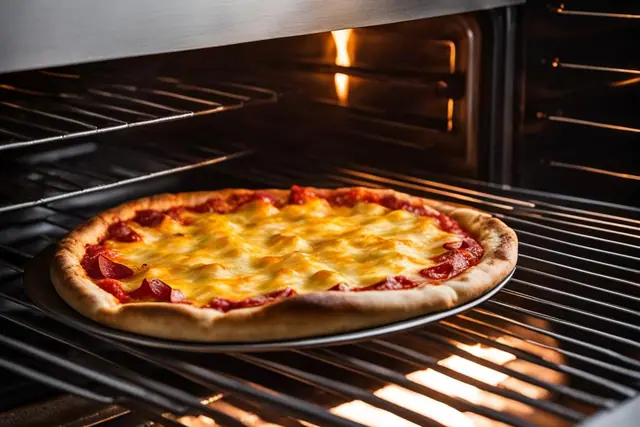
In this guide
- Best Pizza Varieties for Reheating in Oven
- Reheating Pizza in the Oven
- Reheating Pizza on the Stovetop
- Oven Reheating Methods
- Reheating Pizza in the Microwave: A Quick Fix with a Crispy Finish
- Reheating Pizza in a Pan
- Factors Affecting Pizza Reheating Results
- Reheating Pizza in a Toaster Oven
- Tips for Storing Leftover Pizza
- The Joy of Perfectly Reheated Pizza
- Expert Tips for Reheating Pizza
- Conclusion
- Source Links
- FAQ
Discover the ultimate kitchen hack for transforming your leftover pizza into a mouthwatering masterpiece. In this article, I'll share my tried-and-true cooking tips for reheating pizza in the oven. Say goodbye to soggy microwave slices and hello to crispy crust and melted cheese!
Leftover pizza is a treasure worth preserving, and with a few simple steps, you can bring it back to life. Whether it's homemade or takeout, reheating pizza in the oven is the best way to ensure a scrumptious dining experience.
Best Pizza Varieties for Reheating in Oven
When it comes to reheating pizza in the oven, not all varieties are created equal. While any pizza can be reheated, some types are more suitable for achieving that perfectly crispy crust and melty cheese. Classic varieties like cheese pizza and pepperoni pizza are ideal candidates for reheating in the oven. These pizzas have toppings that can withstand the heat and come out deliciously revived.
Take a moment to imagine the savory aroma of a reheated cheese pizza, with its perfectly melted mozzarella and golden, crispy crust. Or picture a reheated pepperoni pizza, with the slightly spicy pepperoni slices becoming even more flavorful after a quick trip to the oven. These tried-and-true pizza options are guaranteed to satisfy your reheating cravings.
While pizzas topped with fresh, raw ingredients like greens or herbs may not fare as well in the reheating process, cheese pizza and pepperoni pizza are sure to hit the spot. So the next time you have leftover pizza, remember to reach for these classic varieties and enjoy the deliciousness that awaits you.
Table: Best Pizza Varieties for Reheating in Oven
| Pizza Variety | Suitability for Reheating |
|---|---|
| Cheese Pizza | Perfectly melts and crisps up, suitable for reheating |
| Pepperoni Pizza | Pepperoni becomes more flavorful, suitable for reheating |
| Pizzas with Fresh Greens or Herbs | Not recommended for reheating, best enjoyed cold or at room temperature |
Reheating Pizza in the Oven
When it comes to reheating pizza, the oven method is a tried and true technique that delivers excellent results. To begin, preheat your oven to around 375 degrees Fahrenheit. While the oven is heating up, place a baking sheet inside to allow it to get hot as well. For easy cleanup, you can line the baking sheet with aluminum foil or parchment paper. Once the baking sheet is thoroughly heated, place your leftover pizza slices on it and bake for approximately 7-12 minutes, depending on the thickness of the slice. You can check for done-ness by ensuring that the crust is toasted to your liking.
Why is the oven method so effective? Well, the combination of the preheated oven and baking sheet helps to achieve a crispy crust and melty cheese. The hot surface of the baking sheet helps to reheat the pizza evenly and quickly, resulting in a delicious slice that is as close to freshly delivered as possible. Whether you're reheating homemade pizza or takeout, the oven method is a reliable way to enjoy a satisfying meal.
Preheating and Baking Times:
Here's a quick overview of the necessary preheating and baking times for reheating pizza in the oven:
| Thickness of Pizza Slice | Baking Time |
|---|---|
| Thin crust | Approximately 7-9 minutes |
| Regular crust | Approximately 9-12 minutes |
| Thick crust or deep-dish | Approximately 12-15 minutes |
Keep in mind that these times are just estimates and can vary depending on your oven and personal preference. It's always recommended to keep an eye on your pizza while it's reheating to ensure it doesn't overcook or burn.
So, the next time you have leftover pizza on hand, don't reach for the microwave. Instead, try reheating it in the oven for a crispy crust and melty cheese that will rival the original delivery.
https://www.youtube.com/watch?v=XOPjebEdPgs
Reheating Pizza on the Stovetop
When it comes to reheating pizza, using a skillet on the stovetop is a fantastic method that guarantees a crispy crust and delicious results. And for this technique, a cast iron skillet is the ideal choice due to its ability to conduct and retain heat effectively. By following a few simple steps, you'll revive your leftover pizza slices to perfection.
To start, place the cold pizza slices in the cast iron skillet over medium heat. Let them toast for about 5 minutes, checking the crust for crispiness. If needed, continue cooking for a bit longer until you achieve your desired level of crispness. If you have a lid for your skillet, you can use it to trap heat and ensure the toppings are thoroughly heated and cheese is nicely melted.
If you want to add an extra touch, try sprinkling a few drops of water around the pizza in the pan. This will create steam that helps rehydrate the cheese and contributes to its stretchy, gooey texture. Just be cautious not to overheat the pizza, as it may burn or become overly bubbly.
Reheating your pizza on the stovetop using a cast iron skillet is a quick and easy alternative to the oven. With its ability to provide a crispy crust and ensure melted cheese, you'll enjoy a delightful pizza experience every time.
| Pros | Cons |
|---|---|
| Creates a crispy crust | May require additional cooking time |
| Retains moisture in the toppings | Requires monitoring to prevent burning |
| Offers an alternative to using the oven | Can result in uneven heating if not careful |
Oven Reheating Methods
When it comes to reheating pizza in the oven, there are a few different methods you can try. Each method offers its own benefits and allows you to achieve the desired texture and taste. Here are two popular oven reheating methods:
Baking Tray Method
The baking tray method involves preheating a baking tray in the oven before placing the pizza slices on it. This method helps to ensure a crispy crust while heating the toppings evenly. Here's how you can use the baking tray method:
- Preheat your oven to 450 degrees Fahrenheit.
- Place the baking tray in the oven to heat up.
- Once the tray is hot, carefully place the pizza slices on it.
- Bake for about 5 minutes or until the crust is toasted to your liking.
This method is quick and easy, making it a popular choice for reheating pizza in the oven.
Tin Foil Method
The tin foil method offers a slightly different approach to reheating pizza. Here's how you can use the tin foil method:
| Method | Oven Temperature | Heating Time |
|---|---|---|
| Tin Foil Method | 450 degrees Fahrenheit | 5 minutes |
This method involves placing a sheet of tin foil directly on the oven rack, then placing the pizza slices on top of the foil. The foil helps to heat the pizza evenly and prevent the crust from becoming too crispy. Here are the steps:
- Preheat your oven to 450 degrees Fahrenheit.
- Place a sheet of tin foil directly on the oven rack.
- Place the pizza slices on top of the foil.
- Bake for about 5 minutes or until the cheese is melted and the crust is heated through.
This method is great for achieving a softer crust while still ensuring the toppings are properly heated.
These are just a couple of the oven reheating methods you can try. Each method offers its own advantages and allows you to customize the reheating process to achieve the desired results. Whether you prefer a crispy crust or a softer texture, reheating pizza in the oven is a great way to enjoy a delicious slice.
Reheating Pizza in the Microwave: A Quick Fix with a Crispy Finish
While reheating pizza in the microwave is not recommended for achieving optimal results, it can be used in combination with the oven to save time. I understand that sometimes you can't resist the urge for a quick fix, and that's where the microwave-oven combination comes in handy. Let me guide you through the process.
Start by microwaving the pizza for 30 seconds on a microwave-safe plate. This heats the slice and prevents a rubbery crust. Then, transfer the partially reheated pizza to a baking tray or oven-safe dish and place it in a cold oven. Set the oven to 350 degrees Fahrenheit and remove the pizza when the oven finishes preheating. This method allows the pizza to finish reheating in the oven, resulting in a crispy crust that's reminiscent of the original bake.
Remember, the microwave-oven combination should only be used as a quick fix when time is of the essence. For the best results, it's always recommended to reheat pizza using the oven or stovetop methods, which provide superior texture and flavor.
In summary, while reheating pizza in the microwave may not give you the crispy crust you desire, the microwave-oven combination offers a quick and convenient alternative. By partially reheating the pizza in the microwave and finishing it off in the oven, you can still achieve a deliciously crisp result. Just remember to exercise caution and use other methods, such as oven reheating or stovetop reheating, for the best tasting and crispiest reheated pizza experience.
Reheating Pizza in a Pan
Reheating pizza in a pan is a simple yet effective method to achieve a crispy crust and stretchy cheese. Place the cold pizza on a non-stick pan and heat it over medium-low heat for about 2 minutes, or until the bottom of the slice is pleasantly crisp. Wet your fingers and sprinkle a few drops of water into the pan to create steam that rehydrates the cheese. Cover the pan with a lid to trap the steam and heat for another minute on low heat. Adjust the temperature to prevent the crust from burning or becoming too crispy.
This pan reheating method helps revitalize the pizza by combining the heat from the pan with the moisture from the steam. The result is a perfectly reheated slice with a crispy crust that pairs well with the gooey, stretchy cheese. It's important to use a non-stick pan to prevent the pizza from sticking and to ensure even heating.
Reheating pizza in a pan offers a quick and easy way to enjoy the deliciousness of leftover pizza without sacrificing its texture and taste. Whether you're using homemade or takeout pizza, this method is ideal for achieving that sought-after crispy crust with a reheated slice that rivals the original. Say goodbye to soggy reheated pizza and savor the satisfaction of a perfectly reheated slice.
Table: Comparison of Pizza Reheating Methods
| Reheating Method | Advantages | Disadvantages |
|---|---|---|
| Oven | - Crispy crust - Melty cheese - Consistent heat distribution |
- Longer reheating time - Requires preheating |
| Stovetop | - Quick reheating - Crispy crust (when using a non-stick pan) - Stretchy cheese (with steam) |
- Requires monitoring to prevent burning - May not heat toppings uniformly |
| Microwave | - Quick reheating - Convenient for single slices |
- Can result in a rubbery crust - Inconsistent heating |
| Toaster Oven | - Quick reheating - Energy-efficient option - Proximity to heating elements for faster results |
- Limited capacity for multiple slices - Requires preheating |
Factors Affecting Pizza Reheating Results
When it comes to reheating pizza in the oven, there are several factors that can impact the final results. Understanding these factors and making the necessary adjustments will help you achieve a perfectly reheated slice every time.
The Role of Moisture in the Crust
One of the key factors to consider is the moisture content in the crust. Moisture can make the crust soggy and less appetizing. To combat this, it's important to use a hot baking sheet when reheating pizza in the oven. Placing the pizza directly on the preheated surface helps remove excess moisture and ensures a crisp crust, similar to when the pizza was first baked.
The Importance of a Hot Baking Sheet
The temperature of the baking sheet can significantly affect the reheating process. A hot baking sheet helps distribute heat evenly and promotes a crispy crust. Preheat the baking sheet in the oven before placing the pizza slices on it. This step will give the crust a head start, resulting in a more consistent reheating process and improved texture.
Adjusting the Heating Time
The thickness of the pizza crust plays a role in determining the reheating time. Thin-crust pizzas will heat through faster than thicker or deep-dish crusts. Adjust the heating time accordingly to ensure that the crust is heated through while the toppings remain perfectly melted. Keep an eye on the pizza as it reheats to avoid overcooking or burning.
| Factors | Impact |
|---|---|
| Moisture in the crust | Soggy crust, less appetizing |
| Hot baking sheet | Even heat distribution, crispy crust |
| Heating time | Vary based on crust thickness, prevent overcooking or burning |
By taking into account these factors, you can ensure that your reheated pizza turns out just as delicious as when it was first delivered. Remember to use a hot baking sheet, adjust the heating time based on crust thickness, and pay attention to the moisture in the crust. With these considerations in mind, you'll be able to enjoy a perfectly reheated slice of pizza, with a crispy crust and melted cheese.
Reheating Pizza in a Toaster Oven
When it comes to reheating pizza, a toaster oven can be a convenient and efficient option. Its compact size and quick heating capabilities make it perfect for reheating one or two slices without the need to preheat a full-sized oven. Plus, the infrared heat produced by a toaster oven helps to evenly distribute heat and crisp up the crust, resulting in a delicious slice.
To reheat pizza in a toaster oven, start by preheating the toaster oven to around 375 degrees Fahrenheit. If necessary, preheat a mini baking sheet as well, ensuring that it fits inside the toaster oven. Once preheated, place the leftover pizza slices on the baking sheet or directly on the toaster oven rack. The proximity to the heating elements in a toaster oven usually means that reheating time is quicker compared to a regular oven. Generally, reheating pizza in a toaster oven takes about 3-4 minutes, but it's important to keep an eye on the slices to prevent them from burning.
Some toaster ovens even have a specific "pizza" setting, which optimizes the reheating process by adjusting the temperature and cooking time. This can be a convenient feature to ensure perfectly reheated pizza slices every time. Keep in mind that reheating time may vary depending on the thickness of the crust and personal preference for the level of crispiness. Adjust the temperature and cooking time accordingly to achieve your desired results.
| Advantages of Reheating Pizza in a Toaster Oven | Disadvantages of Reheating Pizza in a Toaster Oven |
|---|---|
|
|
In summary, reheating pizza in a toaster oven is a convenient option that delivers delicious results. Its compact size and infrared heat help to quickly reheat slices with a crispy crust. Just remember to keep an eye on the slices to prevent burning, and adjust the temperature and cooking time based on your preferences. With a toaster oven, you can enjoy perfectly reheated pizza slices in no time.
Tips for Storing Leftover Pizza
Properly storing leftover pizza is essential to maintain its freshness and ensure it tastes just as good when reheated. By following these tips, you can enjoy delicious pizza slices even days after they were first delivered.
Resealable Plastic Bags
One effective way to store leftover pizza is by using resealable plastic bags. These bags help keep the pizza slices fresh while preventing any odors from spreading in your refrigerator. Place each slice in an individual bag and press out any excess air before sealing it tightly. Label the bag with the date for easy reference.
Double-Wrap in Plastic and Foil
Another method to prolong the freshness of leftover pizza is by double-wrapping it in plastic and foil. Start by wrapping each slice in plastic wrap to create a barrier against moisture and air. Then, wrap the plastic-wrapped slice in foil to provide an additional layer of protection. This double-wrap technique helps maintain the pizza's flavor and texture.
Refrigeration
Once properly wrapped, store the leftover pizza in the refrigerator. The cool temperature helps inhibit bacterial growth and keeps the pizza safe to eat for a few days. Remember to place the pizza slices on a shelf or in a designated spot where they won't get squished or crushed by other items.
By following these storage tips, you can enjoy the convenience of having delicious leftover pizza whenever cravings strike. The proper storage techniques help preserve the taste and texture of the pizza, ensuring that each reheated slice is as enjoyable as the first bite.
The Joy of Perfectly Reheated Pizza
Reheating pizza is a delightful way to enjoy a delicious and satisfying meal conveniently. Whether you're craving a quick lunch or a late-night snack, reheated pizza provides a tasty and convenient solution. By following the recommended reheating methods, you can transform cold, leftover pizza into a warm and crispy delight.
There's something truly satisfying about biting into a slice of reheated pizza and savoring the melding flavors of crispy crust and melted cheese. Perfectly reheated pizza offers the same deliciousness as when it was first delivered, providing a quick and effortless meal that satisfies your cravings.
The convenience of reheated pizza cannot be understated. With just a few simple steps, you can transform leftover slices into a mouthwatering meal in no time. Whether you choose to reheat your pizza in the oven, stovetop, microwave, or toaster oven, there's a method that suits your preference and yields delectable results. Say goodbye to soggy microwaved pizza and embrace the joy of perfectly reheated slices that are crispy, cheesy, and oh-so-delicious.
Tips for Enjoying Reheated Pizza:
- Choose the right reheating method for your preferences and equipment.
- Preheat your oven, skillet, or toaster oven to ensure even reheating.
- Adjust the reheating time and temperature based on the crust thickness.
- Consider using a hot baking sheet or cast iron skillet for an extra-crispy crust.
- Experiment with adding a few drops of water to create steam for a stretchier cheese.
- Finish reheating in the oven for a crispy crust and melted cheese.
"Reheating pizza allows you to enjoy the convenience of quick meals without sacrificing taste or quality. With the right techniques, you can indulge in the crispy, cheesy goodness of reheated pizza slices."
So the next time you find yourself with leftover pizza, don't settle for a subpar reheating method. Elevate your pizza reheating game and experience the joy of perfectly reheated slices that are delicious, satisfying, and oh-so-convenient.
Expert Tips for Reheating Pizza
When it comes to reheating pizza, culinary knowledge and expert tips can make all the difference. If you want to achieve a crispy crust and perfectly melted cheese, follow these recommendations from professional chefs.
Preheating is Key
Before reheating your pizza slices, it's crucial to preheat your oven or stovetop. This ensures that the pizza cooks evenly and retains its original texture. For oven reheating, preheat the oven to around 375 degrees Fahrenheit and place a baking sheet inside to heat up. On the stovetop, preheat a cast iron skillet over medium heat. The preheating step is essential for achieving a crispy crust and melty cheese.
Timing and Heat Level
The timing and heat level are crucial factors for reheating pizza. In the oven, bake the pizza slices for about 7-12 minutes, depending on the thickness of the crust. Keep an eye on the crust and remove the pizza when it reaches your desired crispiness. On the stovetop, toast the slices for approximately 5 minutes on medium heat. Adjust the temperature as needed to prevent burning or excessive bubbling. These timing and heat level adjustments will help you achieve the perfect reheated pizza.
Using Cast Iron for Crispy Crust
If you prefer a crispy crust, using a cast iron skillet on the stovetop is a great option. The cast iron conducts and retains heat effectively, resulting in a perfectly crispy crust. Make sure to preheat the skillet before adding the pizza slices. The cast iron will help distribute the heat evenly, giving you a deliciously crunchy crust that rivals the original pizza.
| Expert Tip | Description |
|---|---|
| Preheat the oven or skillet | Ensures even cooking and crispy crust |
| Adjust timing and heat level | Prevents burning and ensures desired crispiness |
| Use a cast iron skillet | Creates a crispy crust similar to the original |
With these expert tips in mind, you can elevate your pizza reheating skills and enjoy a slice with a crispy crust and perfectly melted cheese. So the next time you have leftover pizza, put these recommendations into practice and savor the deliciousness of a perfectly reheated slice.
Conclusion
As an expert chef, I can assure you that reheating pizza to perfection is possible, and it all starts with the right method. Whether you choose the oven or stovetop method, you can enjoy the same quality and deliciousness as if the pizza had just arrived at your door.
By following the tips shared in this article, you can ensure a crispy crust and melted cheese every time you reheat your pizza. No more settling for soggy microwaved pizza that falls short in taste and texture. Now, you can savor the expertise of an expert chef right in your own kitchen.
Remember, the key to success lies in using the oven or stovetop methods, adjusting the heat levels and timing based on the thickness of the crust, and relying on the advice of culinary professionals. With these techniques, you can achieve the perfect reheated pizza every time while enjoying the convenience and satisfaction of quick and delicious meals.
Source Links
- https://salernospizza.com/pizza-facts/how-to-reheat-pizza/
- https://www.thepioneerwoman.com/food-cooking/cooking-tips-tutorials/a38584285/how-to-reheat-pizza/
- https://www.marthastewart.com/8166310/how-reheat-pizza-oven
Frequently asked questions
- How do I reheat pizza in the oven?
Preheat the oven to around 375 degrees Fahrenheit. Place a baking sheet in the oven to heat up, then add the leftover pizza slices and bake for about 7-12 minutes. Check the crust for desired crispiness and enjoy!
- Which pizza varieties are best for reheating in the oven?
Classic varieties like cheese pizza and pepperoni pizza reheat well in the oven. Pizzas with fresh, raw ingredients are best enjoyed cold or at room temperature.
- What methods can I use to reheat pizza in the oven?
You can preheat a baking tray or place a piece of tin foil directly on the oven rack. Adjust the time and temperature based on your desired crust texture.
- How can I reheat pizza on the stovetop?
Use a skillet, preferably cast iron, and heat the slices over medium heat for about 5 minutes. For extra meltiness, sprinkle a few drops of water or use a lid to create steam.
- What are some oven reheating methods for pizza?
One approach is to preheat a baking tray at 450 degrees Fahrenheit and place the pizza slices on it for 5 minutes. Another method involves using tin foil directly on the oven rack.
- Can I reheat pizza in the microwave?
While not recommended for optimal results, you can microwave the pizza for 30 seconds before transferring it to a tray and finishing the reheating process in the oven for a crispier result.
- How can I reheat pizza in a pan?
Place the cold pizza on a non-stick pan over medium-low heat and let it toast for about 2 minutes. Add a few drops of water and cover the pan to create steam, then heat for another minute.
- What factors affect pizza reheating results in the oven?
Moisture in the crust can be eliminated by using a hot baking sheet, and the heating time will vary based on the thickness of the crust. Adjust these factors to achieve the best results.
- Can I use a toaster oven to reheat pizza?
Yes, a toaster oven is a quick and energy-efficient option. Preheat the toaster oven and a mini baking sheet, then follow the same steps as reheating in a regular oven, adjusting the time and temperature as needed.
- How should I store leftover pizza?
Avoid storing slices in the delivery box. Instead, use resealable plastic bags or double-wrap the slices in plastic and foil before refrigerating to preserve their taste and texture.
- What are the benefits of perfectly reheated pizza?
Perfectly reheated pizza offers a delicious and satisfying meal, with the convenience of quick meals without sacrificing taste or quality.
- What are some expert tips for reheating pizza?
Chefs recommend using the oven or stovetop methods, preheating the baking sheet or skillet, adjusting the heat level and timing based on crust thickness, and using cast iron for stovetop reheating.
- How can reheating pizza be a culinary joy?
With the proper techniques and methods, reheated pizza can taste just as good as when it was first delivered, providing a delicious and satisfying meal.
AprilCook, recipe developer and the heart of Chefwiz. More about April