Guide
Best Kitchen Knives for Beginners: Start Your Cooking Journey
Dive into the culinary world with the best kitchen knives for beginners. I've found easy-to-use, top-quality options to boost your cooking game.
 By April24 min read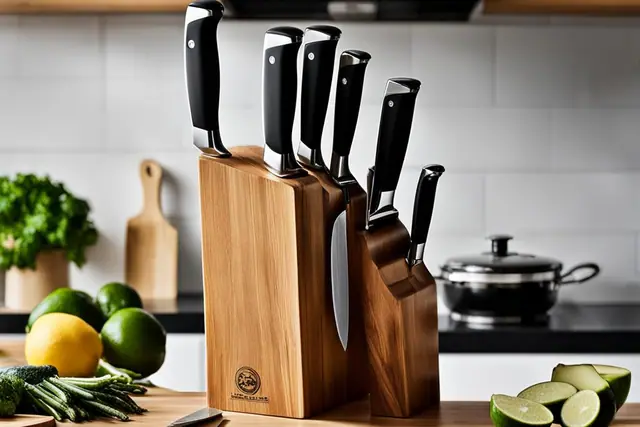
In this guide
- The Chef's Knife: Your Kitchen Workhorse
- The Paring Knife: Precise and Versatile
- The Bread Knife: Slicing Through Loaves
- The Utility Knife: A Versatile All-Rounder
- The Slicing Knife: Perfect Thin Slices
- The Boning Knife: Expertly Remove Bones
- The Fillet Knife: Perfect for Fish
- The Cleaver: Power and Precision
- The Santoku Knife: Perfect for Asian Cuisine
- Complete Knife Sets: Convenience and Variety
- Sharpness and Blade Materials: A Cut Above the Rest
- The sequel follows...
- Knife Storage: Keeping Your Blades Safe
- Kitchen Essentials and Culinary Arts: Sharpening Your Skills
- Conclusion
- Source Links
- FAQ
In order to embark on your culinary journey, having the right kitchen knives is essential. Whether you're a beginner cook or just looking to upgrade your kitchen tools and equipment, investing in high-quality knives will make a world of difference in your cooking experience.
From the versatile chef's knife to the precise paring knife, the reliable bread knife to the powerful cleaver, there are a variety of essential knives that every beginner cook should have in their kitchen arsenal. Each knife serves a unique purpose in enhancing your cutting techniques, such as chopping, slicing, dicing, mincing, carving, and filleting.
When selecting the best kitchen knives for beginners, consider factors such as sharpness, blade material, handle design, and ease of maintenance. Stainless steel, high-carbon steel, and ceramic knives are popular choices due to their durability and sharpness. Additionally, ergonomic handle designs provide comfort and control during use.
To keep your knives organized and safe, consider investing in a knife block or a magnetic strip for storage. These options not only protect your blades but also keep them easily accessible for your culinary endeavors.
As you continue to explore the culinary arts and improve your cooking skills, remember that quality assurance extends beyond the selection of your knives. Prioritize safety in the kitchen by practicing proper knife handling techniques and always following cooking tips and chef tips.
With the right kitchen knives, a passion for food preparation, and a desire to learn, you'll be well-equipped to embark on a successful culinary journey. So, let's dive into the world of kitchen knives and discover the best options for beginners!
The Chef's Knife: Your Kitchen Workhorse
When it comes to essential kitchen knives for beginners, the chef's knife is a true workhorse. Its versatility and functionality make it a must-have tool in any culinary arsenal. With a blade length of 6 to 8 inches, the chef's knife is perfect for a wide range of cutting tasks, including chopping, slicing, dicing, and mincing. Its curved blade allows for easy rocking motion, making it efficient and effortless to use.
But the blade is not the only important element of a chef's knife. The handle also plays a crucial role in ensuring a comfortable and secure grip. Look for a chef's knife with a handle that fits well in your hand and provides excellent control and balance. This will allow you to maneuver the knife with ease and precision, making your cooking experience more enjoyable.
When selecting a chef's knife, pay attention to the blade material as well. High-carbon stainless steel is a popular choice for its durability and sharpness. It maintains its edge well and is resistant to staining and corrosion. However, ceramic blades are another option to consider. They are incredibly sharp and lightweight, making them ideal for precise cutting. Whichever blade material you choose, remember to properly maintain and sharpen your chef's knife to ensure its longevity and performance.
"A chef's knife is like an extension of my hand in the kitchen. Its versatility and precision allow me to tackle any recipe with confidence and ease." - Chef John
The Anatomy of a Chef's Knife
| Component | Description |
|---|---|
| Blade | The main cutting portion of the knife, usually 6 to 8 inches long. |
| Handle | The part of the knife that is held. It should be ergonomic and comfortable to grip. |
| Tang | The portion of the blade that extends into the handle. A full tang provides better balance and durability. |
| Bolster | The thick, metal portion between the blade and the handle, providing balance and stability. |
| Rivet | The small metal pins that attach the handle to the tang. |
In conclusion, the chef's knife is an essential tool for beginners in the kitchen. Its versatility, functionality, and ease of use make it the go-to knife for a wide range of cutting tasks. By selecting a knife with a comfortable handle, a sharp and durable blade, and proper maintenance, you'll have a reliable kitchen workhorse that will serve you well in your cooking journey.
The Paring Knife: Precise and Versatile
The paring knife is a must-have essential for any beginner cook in the kitchen. Its versatility and precision make it perfect for a variety of tasks, from peeling fruits and vegetables to slicing small ingredients with detail. With a blade length of around 3 to 4 inches, the paring knife allows for intricate work that larger knives can't accomplish. Whether you're peeling apples for a pie or preparing garnishes for a dish, the paring knife will be your go-to tool.
When choosing a paring knife, look for a sharp and durable blade that retains its edge. The handle should be comfortable and provide a secure grip for maximum control. Consider the material of the handle, whether it's wood, synthetic, or stainless steel, and choose one that feels comfortable in your hand. With a well-crafted paring knife, you'll be able to tackle precise cutting tasks in the kitchen with ease and confidence.
To highlight the importance of the paring knife, here's a table showcasing its key features:
| Feature | Description |
|---|---|
| Blade Length | 3 to 4 inches |
| Task | Peeling, slicing, detail work |
| Blade Type | Straight-edge |
| Handle Material | Comfortable grip |
With a paring knife by your side, you'll have the precision and versatility needed to elevate your culinary skills and create beautiful dishes.
The Bread Knife: Slicing Through Loaves
When it comes to slicing through crusty bread or delicate cakes without squashing or tearing them apart, the bread knife is an essential tool for every beginner cook. Its key feature is a serrated blade that allows it to grip the surface while cutting, ensuring smooth and even slices. With a blade length of around 8 to 10 inches, the bread knife can effortlessly glide through any loaf, whether it's a crusty baguette or a fluffy brioche.
The serrated blade of a bread knife is designed to bite into the crust of the bread while maintaining a gentle touch on the softer interior, resulting in clean slices that preserve the texture and shape of each piece. This makes it the perfect knife for creating those picture-perfect slices for sandwiches or toast. The deep serrations on the blade make it ideal for both thick and thin slices, allowing you to adjust the thickness to your preference.
When choosing a bread knife, look for one with a sharp, long-lasting serrated blade and a comfortable handle that provides optimal control. A well-balanced knife with a sturdy handle will allow you to effortlessly slice through any loaf without straining your hand. Whether you're a fan of rustic, crusty bread or delicate, moist cakes, having a bread knife in your kitchen will guarantee precise and beautiful slices every time.
https://www.youtube.com/watch?v=GmmOJuHOoYs
| Advantages | Disadvantages |
|---|---|
|
|
"A bread knife is like a trusty companion in the kitchen. Its serrated blade and comfortable handle make it the perfect tool for slicing through loaves of bread with ease. Whether you're making sandwiches, toast, or just enjoying a fresh loaf, a bread knife will never let you down."
Additional Tips for Using a Bread Knife:
- Use a gentle sawing motion when slicing through bread to maintain control and prevent tearing.
- Apply slight pressure to guide the knife through the crust, adjusting as needed for thinner or thicker slices.
- Clean the blade thoroughly after each use, as bread crumbs can become trapped in the serrations.
- Store the bread knife in a protective sleeve or knife block to prevent damage to the blade and protect yourself from accidental cuts.
The Utility Knife: A Versatile All-Rounder
When it comes to beginner-friendly kitchen knives, the utility knife is an essential tool that offers versatility and convenience. This all-rounder knife is perfect for handling a variety of small tasks in the kitchen, making it a valuable addition to any beginner cook's collection.
With its blade length typically ranging from 4 to 6 inches, the utility knife is ideal for precise cutting, trimming, and slicing. Whether you need to trim the fat off a piece of meat, slice small fruits and vegetables, or tackle other intricate tasks, the utility knife is up to the challenge.
The utility knife's compact size and versatile nature make it a practical choice for tasks that require more control and precision than a chef's knife can provide. From peeling and scoring to making intricate cuts, this knife will become your go-to tool for a wide range of small kitchen tasks.
The utility knife is a versatile all-purpose tool for small kitchen tasks.
The Slicing Knife: Perfect Thin Slices
When it comes to carving and slicing with precision, the slicing knife is an essential tool in any beginner cook's kitchen. This versatile knife is designed to effortlessly glide through cooked meats and other proteins, allowing you to create thin, uniform slices without tearing or shredding the meat. With a long, narrow blade typically ranging from 9 to 12 inches in length, the slicing knife ensures you achieve perfect slices for your next dinner party or holiday feast.
The key to the slicing knife's success lies in its thin blade, which reduces friction and makes slicing through meat a breeze. Look for a slicing knife with a sharp, flexible blade that effortlessly cuts through even the toughest cuts of meat. The handle is equally important, providing a comfortable grip that allows for precise control. Choose a knife with a handle that suits your hand size and provides good grip, ensuring you can maintain stability and maneuverability as you slice.
Whether you're carving a holiday roast or slicing meat for sandwiches, a slicing knife will become an indispensable tool in your culinary journey. Its ability to create thin, uniform slices will elevate the presentation of your dishes and impress your guests. Invest in a high-quality slicing knife, and you'll be well-equipped to achieve perfect slices every time you cook.
Key Features of a Slicing Knife
| Feature | Description |
|---|---|
| Blade Length | A long, narrow blade typically ranging from 9 to 12 inches in length. |
| Blade Thickness | A thin, flexible blade that reduces friction and ensures smooth slicing. |
| Handle | A comfortable handle that provides a secure grip for precise control. |
| Material | Durable materials such as stainless steel or high-carbon steel for long-lasting performance. |
| Cleaning | Easy to clean and maintain, either by hand or in the dishwasher. |
The Boning Knife: Expertly Remove Bones
When it comes to deboning and filleting meat, poultry, and fish, a boning knife is an essential tool for any beginner cook. With its narrow and flexible blade, the boning knife allows for precise maneuvering around joints and contours, making it easier to remove bones without wasting any meat. The blade typically ranges from 5 to 6 inches in length and can vary in stiffness depending on the intended purpose. Look for a boning knife with a sharp and flexible blade that allows for precise control.
The handle of the boning knife is just as important as the blade. Look for a comfortable handle that provides a good grip, even when working with slippery ingredients. A secure handle will ensure safety and control while deboning and filleting. When selecting a boning knife, consider the type of meat or fish you will be working with most frequently, as this may affect the blade's flexibility. With a boning knife in your kitchen arsenal, you'll be able to tackle meat preparations with expert precision.
Key Features of a Boning Knife:
- Narrow and flexible blade for precise maneuvering.
- Blade length of 5 to 6 inches, varying in stiffness.
- Sharp and durable blade for efficient deboning and filleting.
- Comfortable handle for a secure grip even with slippery ingredients.
Table: Comparison of Boning Knives
| Boning Knife | Blade Material | Blade Length | Handle Material |
|---|---|---|---|
| Brand A | Stainless Steel | 5 inches | Wood |
| Brand B | High-Carbon Steel | 6 inches | Synthetic |
| Brand C | Stainless Steel | 5.5 inches | Stainless Steel |
"The boning knife is my go-to tool for deboning and filleting. Its narrow and flexible blade allows me to navigate around bones and contours with ease, ensuring I don't waste any precious meat. It's a must-have for any beginner cook looking to take their culinary skills to the next level." - Chef John Doe
With a boning knife in your kitchen toolkit, you'll have the confidence and precision to expertly remove bones from meat, poultry, and fish. Whether you're preparing a whole chicken, filleting a fish, or deboning a roast, this essential knife will become your trusted companion. Invest in a high-quality boning knife with a sharp and flexible blade, along with a comfortable handle that provides a secure grip. By mastering the art of deboning, you'll elevate your cooking skills and create dishes that impress your family and friends.
The Fillet Knife: Perfect for Fish
The fillet knife is an essential tool for any beginner cook looking to prepare fish with precision and finesse. Its long, thin, and flexible blade allows for clean and precise cuts, ensuring minimal waste and maximum yield. With a fillet knife in your kitchen arsenal, you'll be able to achieve perfectly clean fillets for your culinary creations.

When choosing a fillet knife, look for a sharp, flexible blade that can effortlessly glide through the delicate flesh of fish. The blade should be around 6 to 9 inches long, with a narrow and pointed tip for maneuvering around bones. A comfortable handle is also important, ensuring a secure grip even when working with slippery fish.
Whether you're a beginner cook or an experienced chef, a fillet knife is an essential tool for achieving professional-quality results when working with fish. With its precision and delicate cutting capabilities, the fillet knife will elevate your culinary skills and allow you to create beautiful and delicious fish dishes.
The Cleaver: Power and Precision
When it comes to heavy-duty chopping and slicing tasks in the kitchen, the cleaver is an essential tool for beginners. With its thick, wide blade, the cleaver provides both power and precision, allowing you to tackle tough ingredients and bones with ease. Whether you're breaking down a whole chicken, chopping through dense vegetables, or tenderizing meat, the cleaver is up to the task.
The heavy weight of the cleaver makes it ideal for tasks that require force, such as splitting bones or crushing garlic. The broad blade surface provides stability and control, allowing for accurate and controlled cuts. The handle of the cleaver should be sturdy and comfortable to hold, ensuring a secure grip even when handling tough ingredients. With a cleaver in hand, you can confidently take on any heavy-duty cutting task in the kitchen.
Comparative Data: Different Types of Cleavers
| Cleaver Type | Blade Material | Handle Material | Weight |
|---|---|---|---|
| Traditional Cleaver | High-carbon steel | Wood | Heavy |
| Chinese Cleaver | Stainless steel | Wood or synthetic | Medium |
| Meat Cleaver | High-carbon steel or stainless steel | Synthetic | Heavy |
When choosing a cleaver, consider the type of tasks you'll be performing and your personal preferences. Traditional cleavers, often used in Chinese cuisine, have a high-carbon steel blade and a wooden handle for a classic look and feel. Chinese cleavers, on the other hand, are more lightweight and versatile, with a stainless steel blade and a wood or synthetic handle. Meat cleavers are specifically designed for cutting through bones and tough cuts of meat, with a heavy blade and a synthetic handle for added durability.
In conclusion, the cleaver is an essential kitchen knife for beginners who need a heavy-duty tool for chopping, slicing, and breaking down tough ingredients. With its power and precision, the cleaver is a versatile knife that can handle a variety of tasks. Consider the different types of cleavers available and choose one that suits your needs and preferences. With a cleaver in your kitchen arsenal, you'll be ready to tackle any cutting task with ease.
The Santoku Knife: Perfect for Asian Cuisine
When it comes to Asian cuisine, having the right tools is essential for achieving authentic flavors and perfecting your dishes. One knife that stands out in the kitchen is the santoku knife. This versatile and essential knife is a must-have for beginners and experienced chefs alike.
The santoku knife is known for its ability to handle a wide range of cutting tasks. Whether you're slicing, dicing, or chopping, this knife will assist you in achieving precise and professional results. With a blade length usually ranging from 5 to 7 inches, the santoku knife is shorter than a traditional chef's knife, making it easier to control and maneuver.
The santoku knife's blade features a wide, straight edge that provides stability and control while slicing through ingredients. This design allows for efficient and uniform cuts, particularly when working with vegetables, meat, and fish. Its versatility makes it a go-to tool for many Asian recipes, enabling you to create beautiful and delicious dishes.
When choosing a santoku knife, look for one with a sharp, sturdy blade and a comfortable handle that suits your hand size and grip preference. The handle should offer a secure grip to ensure safety and precision during cutting tasks. Invest in a high-quality santoku knife and elevate your Asian cooking experience with this essential tool.
Key Features of a Santoku Knife:
- Versatile and perfect for various tasks in Asian cuisine
- Ideal for slicing, dicing, and chopping
- Blade length ranges from 5 to 7 inches
- Wide, straight edge for stability and control
- Sharp, sturdy blade for precise cuts
- Comfortable handle for a secure grip
Popular Santoku Knife Brands:
| Brand | Features |
|---|---|
| Shun | Handcrafted Japanese knives with high-quality materials |
| Mercer Culinary | Professional-grade knives at an affordable price |
| Victorinox | Known for their Swiss Army knives, they also offer reliable santoku knives |
| Zelite Infinity | Premium knives with a focus on craftsmanship and performance |
With the santoku knife as your culinary companion, you'll be able to explore the flavors of Asian cuisine and create impressive meals in your own kitchen. Its versatility, precision, and efficiency make it an essential tool for both beginner cooks and seasoned chefs. So, grab a santoku knife, sharpen your skills, and embark on a culinary adventure filled with tantalizing flavors and mouthwatering dishes.
Complete Knife Sets: Convenience and Variety
When it comes to equipping your kitchen with essential tools, a complete knife set is a convenient and versatile option for beginners. These sets provide you with a variety of knives that cover a range of cutting tasks, ensuring you have the right tool for every job. Whether you're chopping vegetables, slicing bread, or deboning meat, a well-curated knife set will have you covered.
One of the main advantages of knife sets is the convenience they offer. Instead of searching for individual knives, a complete set provides you with everything you need in one package. This eliminates the hassle of purchasing knives separately and allows you to focus on honing your culinary skills.
Furthermore, a knife set offers a variety of options for different cutting tasks. From chef's knives for general-purpose use to specialized knives like bread knives and utility knives, these sets provide the versatility you need in the kitchen. Whether you're a beginner or an experienced cook, having a range of knives at your disposal allows you to explore various cooking techniques and expand your culinary repertoire.
Table:
| Knife Set | Description |
|---|---|
| Basic Knife Set | A set that includes essential knives like a chef's knife, utility knife, and paring knife. |
| Complete Knife Set | A comprehensive set that includes a wide range of knives for various cutting tasks, including specialty knives. |
| Professional Knife Set | A high-quality set designed for professional chefs with a wide selection of knives for precise cutting. |
Sharpness and Blade Materials: A Cut Above the Rest
When it comes to kitchen knives, sharpness is of the utmost importance. A sharp blade ensures precise and effortless cutting, making your cooking tasks much more enjoyable. When selecting kitchen knives, it's essential to consider the blade materials that contribute to their sharpness, durability, and maintenance requirements.
High-carbon steel blades are known for their exceptional sharpness and edge retention. They are ideal for those who prioritize long-lasting sharpness and don't mind investing a bit more time in maintenance. With proper care, high-carbon steel blades can maintain their edge for a long time. However, they are more prone to corrosion and require regular cleaning and drying to prevent rusting.
Stainless steel blades, on the other hand, are more resistant to corrosion and require less maintenance. They are a popular choice for those seeking convenience and durability. While stainless steel blades may not hold their edge as long as high-carbon steel blades, they are still sharp enough for most kitchen tasks and are easier to care for.
Another option to consider is ceramic knives. These knives are known for their exceptional sharpness and lightweight design. Ceramic blades stay sharp for a long time and are resistant to rust. However, they are more prone to chipping or breaking if mishandled or subjected to excessive force. Ceramic knives require special care and should be stored separately to prevent damage.
Comparison of Blade Materials
| Blade Material | Sharpness | Durability | Maintenance |
|---|---|---|---|
| High-Carbon Steel | Excellent | Good | High |
| Stainless Steel | Good | Very Good | Low |
| Ceramic | Excellent | Fair | Medium |
When choosing the blade material for your kitchen knives, consider your personal preferences and maintenance abilities. High-carbon steel blades offer exceptional sharpness but require more maintenance. Stainless steel blades provide convenience and durability, while ceramic blades offer exceptional sharpness but require careful handling. Whichever material you choose, maintaining a sharp blade through regular sharpening will ensure your knives remain a cut above the rest.
The sequel follows...
After exploring the importance of sharpness and blade materials in the previous section, we now turn our attention to the ergonomics and handle design of kitchen knives. While the blade is undoubtedly crucial, the handle plays a significant role in providing a comfortable cutting experience. The ergonomics of a knife's handle are essential for ensuring a firm grip, reducing fatigue, and promoting overall safety in the kitchen.
When choosing a knife, consider the handle's grip and comfort. Look for handles that fit comfortably and securely in your hand, allowing for optimal control and reducing the risk of accidents. A handle that feels too slippery or bulky can lead to mishaps and fatigue during extended use.
The balance of the knife is also influenced by the handle design. A well-balanced knife ensures that the weight is evenly distributed between the blade and the handle, allowing for better maneuverability and control. A poorly balanced knife can throw off your cutting technique and make it more challenging to achieve precise cuts.
The tang, the portion of the blade that extends into the handle, also plays a role in the knife's balance and durability. Full tang knives, where the blade extends through the entire length of the handle, are known for their strength and stability. On the other hand, partial tang or rat-tail tang knives may be more lightweight but can be less sturdy.
When selecting a handle material, consider both aesthetics and durability. Wood handles provide a classic, natural look, but they may require more maintenance to prevent damage and ensure longevity. Synthetic materials, such as rubber or plastic, offer a comfortable grip and are often dishwasher-safe. Stainless steel handles provide durability and are resistant to corrosion but may be less comfortable to hold for extended periods. Ultimately, the choice of handle material should be based on personal preference and the level of maintenance you're willing to commit to.
Knife Storage: Keeping Your Blades Safe
Proper knife storage is essential for keeping your blades safe, organized, and accessible in the kitchen. Whether you have a small collection of knives or a complete knife set, investing in the right storage solution will help maintain the sharpness and longevity of your blades while ensuring safety for everyone in the household.
There are two popular options for knife storage: knife blocks and magnetic strips. Knife blocks offer a secure and visible storage solution, keeping your knives within reach while protecting the blades from damage. They come in various sizes and designs to accommodate different blade lengths and handle sizes. If you prefer a space-saving option, magnetic strips are a great choice. These strips can be easily mounted on a wall or inside a cabinet, providing easy access to your knives while saving valuable countertop space.
When choosing a storage method, consider factors such as safety, accessibility, and organization. A good storage solution should protect your blades from accidental cuts and ensure easy retrieval when you need them. It's also important to organize your knives properly to avoid scratching or damaging the blades. Allocate a designated spot for each knife to maintain order and prevent unnecessary contact between blades.
Remember, proper knife storage is not only about protecting your investment but also about maintaining the sharpness and safety of your blades. Choose a storage solution that works best for your kitchen layout and take the time to organize your knives effectively. With the right storage, you can keep your blades safe, accessible, and in top condition, ready for any culinary adventure.
Kitchen Essentials and Culinary Arts: Sharpening Your Skills
In addition to having the best kitchen knives for beginners, there are several other essential tools and skills that will enhance your culinary journey. These kitchen essentials and culinary arts techniques will help you improve your food preparation, gain cooking tips from professional chefs, develop knife skills, ensure safety in the kitchen, and maintain quality assurance in your dishes.
One of the key aspects of culinary arts is having the right kitchen essentials. This includes items such as cutting boards, mixing bowls, measuring utensils, and other tools that are necessary for efficient food preparation. Investing in high-quality kitchen essentials will make your cooking experience more enjoyable and help you achieve better results in the kitchen.
"Cooking is like painting or writing a song. Just as there are only so many notes or colors, there are only so many flavors - it's how you combine them that sets you apart." - Wolfgang Puck
Learning from experienced chefs and cooking experts is another valuable aspect of sharpening your culinary skills. Seek out cooking tips and chef tips, whether through online resources, cookbooks, or cooking classes. These insights will provide you with valuable knowledge and techniques that can elevate your dishes to the next level.
Developing knife skills is essential for any aspiring chef. Learning proper cutting techniques, knife handling, and safety measures will not only improve your efficiency in the kitchen but also prevent accidents and injuries. Take the time to practice and master different knife skills, such as slicing, dicing, and mincing, to become a more proficient cook.
Table: Essential Kitchen Tools
| Tool | Description |
|---|---|
| Cutting Board | A durable surface for chopping and slicing ingredients |
| Mixing Bowls | Varying sizes for mixing and combining ingredients |
| Measuring Utensils | Accurate measurement of ingredients for precise cooking |
| Whisk | Used for mixing and incorporating air into ingredients |
| Spatula | Flexible tool for flipping, stirring, and scraping ingredients |
| Tongs | Used for gripping and flipping food items |
Ensuring safety in the kitchen is paramount. Always handle knives with caution, keeping your fingers and hands away from the blade. Use proper cutting techniques and avoid distractions while handling sharp tools. Remember to store your knives safely, either in a knife block or on a magnetic strip, to prevent accidents and maintain the longevity of your blades.
Lastly, quality assurance is a critical aspect of culinary arts. Pay attention to the quality of your ingredients, practice proper cooking techniques, and taste your dishes along the way to ensure they meet your standards. Continually strive to improve your skills and experiment with new flavors and techniques to expand your culinary repertoire.
Conclusion
As a beginner in the culinary world, selecting the right kitchen knives is essential for your cooking journey. The quality, performance, and precision of your knives will greatly impact your culinary experience. From the versatile chef's knife to specialized tools like bread knives and paring knives, each knife serves a unique purpose in enhancing your skills in the kitchen.
Investing in high-quality knives that suit your needs and preferences is crucial. The right knives will provide you with the convenience and ease of use necessary to handle any cooking task. Whether you're a fan of slicing, dicing, chopping, or filleting, there is a knife for every technique and dish you desire to master.
Understanding the basics of kitchen knives, such as blade materials, handle designs, and storage options, will further improve your culinary experience. With the right tools at your disposal, you'll be well-equipped to navigate the world of culinary arts and elevate your cooking to new heights.
Remember, precision and performance are key in the kitchen. By choosing the best kitchen knives for beginners, you'll be setting yourself up for success in your culinary adventures. So, equip yourself with these essential tools, unleash your creativity, and embark on a journey filled with delicious flavors.
Source Links
- https://grandsharp.com/blogs/blog1/three-best-kitchen-knives-for-beginner-cooks
- https://www.wired.com/story/best-chef-knives/
- https://www.foodandwine.com/lifestyle/kitchen/best-chefs-knife
Frequently asked questions
- What are the best kitchen knives for beginners?
The best kitchen knives for beginners are versatile, easy to use, and offer top-quality performance. Options like chef's knives, paring knives, bread knives, and utility knives are great choices to start with.
- What is the most essential knife for a beginner cook?
The chef's knife is the most essential knife for any beginner cook. It is versatile and perfect for a wide range of tasks such as chopping, slicing, dicing, and mincing.
- What is the purpose of a paring knife?
A paring knife is a small, yet indispensable tool in any beginner cook's kitchen. Its short blade is perfect for precision tasks like peeling, trimming, and slicing small fruits and vegetables.
- What makes a bread knife different from other knives?
A bread knife is designed with a serrated blade, making it ideal for slicing through crusty bread and delicate cakes without squashing or tearing them apart.
- What is a utility knife used for?
A utility knife is a versatile all-purpose tool that can handle a variety of small tasks in the kitchen, such as precise cutting, trimming, and slicing.
- What is a slicing knife used for?
A slicing knife, also known as a carving knife, is designed for precision slicing of cooked meats and other proteins. It allows for smooth and effortless slicing with minimal resistance.
- What is a boning knife used for?
A boning knife is a specialized tool used for removing bones from meat, poultry, and fish. Its narrow, flexible blade allows for precise maneuvering around joints and contours.
- What is a fillet knife used for?
A fillet knife is specifically designed for the delicate task of filleting fish. Its long, thin, and flexible blade allows for precise and clean cuts, ensuring minimal waste and maximum yield.
- What is a cleaver used for?
A cleaver is a heavy-duty knife that excels in powerful chopping and slicing tasks, including cutting through bones and tough vegetables.
- What is a santoku knife?
A santoku knife is a Japanese-style knife that is versatile and perfect for various tasks in Asian cuisine. Its name translates to "three virtues," referring to its ability to handle slicing, dicing, and chopping with ease.
- Are knife sets a good option for beginners?
Yes, knife sets offer the convenience of having a variety of essential knives in one package, making them a cost-effective way to start your collection and ensure you have all the necessary tools for different cutting tasks.
- What should I consider when choosing knife blades?
The sharpness and material of the blade are crucial factors to consider. High-carbon steel blades offer excellent sharpness and edge retention, while stainless steel blades are more resistant to corrosion. Ceramic knives are exceptionally sharp but prone to chipping or breaking.
- What should I consider when choosing knife handles?
The ergonomics of the handle are crucial for a comfortable cutting experience. Look for handles that fit comfortably and securely in your hand, providing a firm grip and reducing fatigue. Consider the balance of the knife and choose handles made from durable materials.
- What is the best way to store kitchen knives?
Proper knife storage is essential for keeping your blades safe, organized, and accessible. Knife blocks and magnetic strips are popular options that provide safety and accessibility for your knives.
- What other kitchen essentials and culinary skills should beginners focus on?
Alongside kitchen knives, developing culinary arts skills such as knife skills, cooking techniques, and safety measures will enhance your kitchen experience. Kitchen essentials like cutting boards, mixing bowls, and measuring utensils are also vital tools for food preparation.
- How do I choose the best kitchen knives for beginners?
When choosing kitchen knives for beginners, it's important to consider factors such as quality, performance, and convenience. Invest in high-quality, durable knives that suit your needs and preferences.
AprilCook, recipe developer and the heart of Chefwiz. More about April