Guide
Master the Art of How to Thicken Soup for a Hearty Meal
Discover my easy guide on how to thicken soup, making your meals heartier and tastier. Elevate your culinary prowess with these foolproof methods!
 By April21 min read
In this guide
- The Basics of Thickening
- Benefits of Thickening
- The Process of Thickening
- Common Thickeners to Use
- Uses of Thickening in Cuisine
- How Thickening Agents Work
- Common Ingredients for Thickening
- Tips for Thickening Soup
- Serving Suggestions and Garnishes
- Adjustments and Kitchen Hacks
- Quality Assurance and Safety
- Tips for Homemade Soup in Winter
- Conclusion
- Source Links
- FAQ
Are you ready to take your soup-making skills to the next level? In this article, I'll share some simple tricks and tips on how to thicken soup for a truly satisfying culinary experience. From classic techniques to modern recipes, I'll guide you through the process of achieving the perfect consistency and flavor in your soups. Get ready to transform your kitchen into a haven of delicious aromas and mouthwatering creations!
The Basics of Thickening
Thickening is a technique that has been used in culinary arts for centuries, and it has its roots in the history of French cuisine. This process involves increasing the viscosity of a liquid without significantly altering its taste or properties. The goal is to create a thicker, richer texture that adds depth and complexity to soups, sauces, and other dishes.
Thickening is achieved by adding specific ingredients known as thickening agents. These agents are often hydrophilic, meaning they have an affinity for water and can absorb it easily. Different thickening agents have varying temperature sensitivities and require specific cooking techniques to achieve the desired results.
Over time, the methods and ingredients used for thickening have evolved and transformed to meet the diverse culinary needs of different cultures and cuisines. Today, there are numerous options available, ranging from traditional starches like flour and cornstarch to modern ingredients like xanthan gum and carrageenan.
| Thickening Agent | Properties | Common Uses |
|---|---|---|
| Flour | Starch-based thickener | Soups, gravies, sauces |
| Cornstarch | Highly effective thickener | Soups, stir-fries, desserts |
| Xanthan Gum | Creates gel-like consistency | Sauces, dressings, gluten-free recipes |
| Carrageenan | Improves texture and mouthfeel | Dairy products, ice creams, puddings |
Experimenting with different thickening agents and techniques can open up a world of possibilities in the kitchen. Understanding the basics of thickening allows you to create soups and sauces that are not only delicious but also have the perfect consistency and texture.
Benefits of Thickening
Thickening a liquid can have several benefits that enhance the overall dining experience. One of the main advantages is the improved mouthfeel it provides. When a liquid is thickened, it feels more rich and creamy on the tongue, adding depth and body to the dish. This can make the soup more satisfying and enjoyable to eat.
Another benefit of thickening is that it helps the liquid cling to food better. Whether it's glazing meat or evenly coating vegetables, a thickened liquid adheres more effectively, resulting in a more flavorful and visually appealing dish.
Thickening also aids in suspending solid particles in sauces and soups, preventing them from sinking or floating out. This means that herbs, spices, or other ingredients will be evenly distributed throughout the dish, enhancing its flavors and presentation. Additionally, thickening agents can stabilize emulsions, keeping them intact for a longer time and ensuring a consistent texture.
https://www.youtube.com/watch?v=vBn1i6xGG8s
Mouthfeel and Cling
"Thickening a liquid can make it feel more rich and creamy on the tongue, adding depth and body to the dish."
Overall, thickening a soup or sauce can elevate its taste, texture, and appearance, enhancing the overall dining experience. Whether you're looking for a velvety smooth bisque or a hearty stew, understanding the benefits of thickening can help you achieve the desired results in your culinary creations.
The Process of Thickening
The process of thickening involves three main steps: dispersion, hydration, and setting. Understanding these steps will help you achieve the desired thickness and consistency in your soups and sauces.
Dispersion
During the dispersion stage, the thickening agent is evenly distributed throughout the liquid. This is important to ensure uniform thickening. Whether you're using flour, cornstarch, or another thickener, make sure to mix it thoroughly with a small amount of liquid before adding it to the main pot. This will prevent lumps from forming and ensure that the thickener is evenly incorporated.
Hydration
The next step is hydration, where the thickening agent absorbs liquid and swells. This process creates a molecular mesh that traps water and thickens the mixture. The time required for hydration varies depending on the thickener used, so make sure to follow the instructions on the package. Stirring the mixture during hydration can help speed up the process.
Setting
Once the liquid has reached its desired thickness, it enters the setting stage. This typically takes only a few minutes. During this time, the thickened liquid cools and solidifies to its final consistency. It's important to note that some thickeners may continue to thicken as they cool, so be mindful of this when adjusting the thickness of your soups or sauces.
By following these steps, you can effectively thicken your soups and sauces, achieving the desired texture and consistency for a satisfying and delicious meal.
| Step | Description |
|---|---|
| Dispersion | The thickening agent is evenly distributed throughout the liquid. |
| Hydration | The thickening agent absorbs liquid and swells, creating a molecular mesh. |
| Setting | The liquid cools and solidifies to its final thickness. |
Common Thickeners to Use
When it comes to thickening your soups and sauces, there are several common thickeners you can use to achieve the desired consistency and texture. These thickeners can enhance the mouthfeel, stabilize the mixture, and add depth to your culinary creations. Let's take a look at some of the most popular options:
- Carrageenan: Carrageenan is a seaweed extract that is often used to thicken dairy products like ice cream and yogurt. It provides a smooth and creamy texture, making it an excellent choice for thickening soups.
- Mono and Diglycerides: These are emulsifiers that can also act as thickeners. They are often used in the food industry to stabilize and thicken oils, making them ideal for creating rich and velvety sauces.
- Tapioca Maltodextrin: Tapioca maltodextrin is a modified starch that can turn fats into powders. It is commonly used in molecular gastronomy to create unique textures and flavors. When added to oils or fats, it can transform them into a powder or paste consistency.
- Ultra-Sperse: Ultra-Sperse is a tapioca starch that is specifically designed for thickening liquids. It has excellent water-binding properties and can create smooth and consistent textures in your soups and sauces.
- Ultra-Tex: Ultra-Tex is another tapioca-based thickener that offers similar properties to xanthan gum. It provides excellent stability and viscosity control, making it suitable for a wide range of culinary applications.
- Xanthan Gum: Xanthan gum is a versatile thickener that can hydrate at various temperatures. It is commonly used in gluten-free baking and can add stability and viscosity to your soups and sauces.
Each of these thickeners has its unique properties and uses. It's important to choose the right one for your specific recipe to achieve the desired results. Experiment with different thickeners and have fun exploring the world of culinary thickening agents!
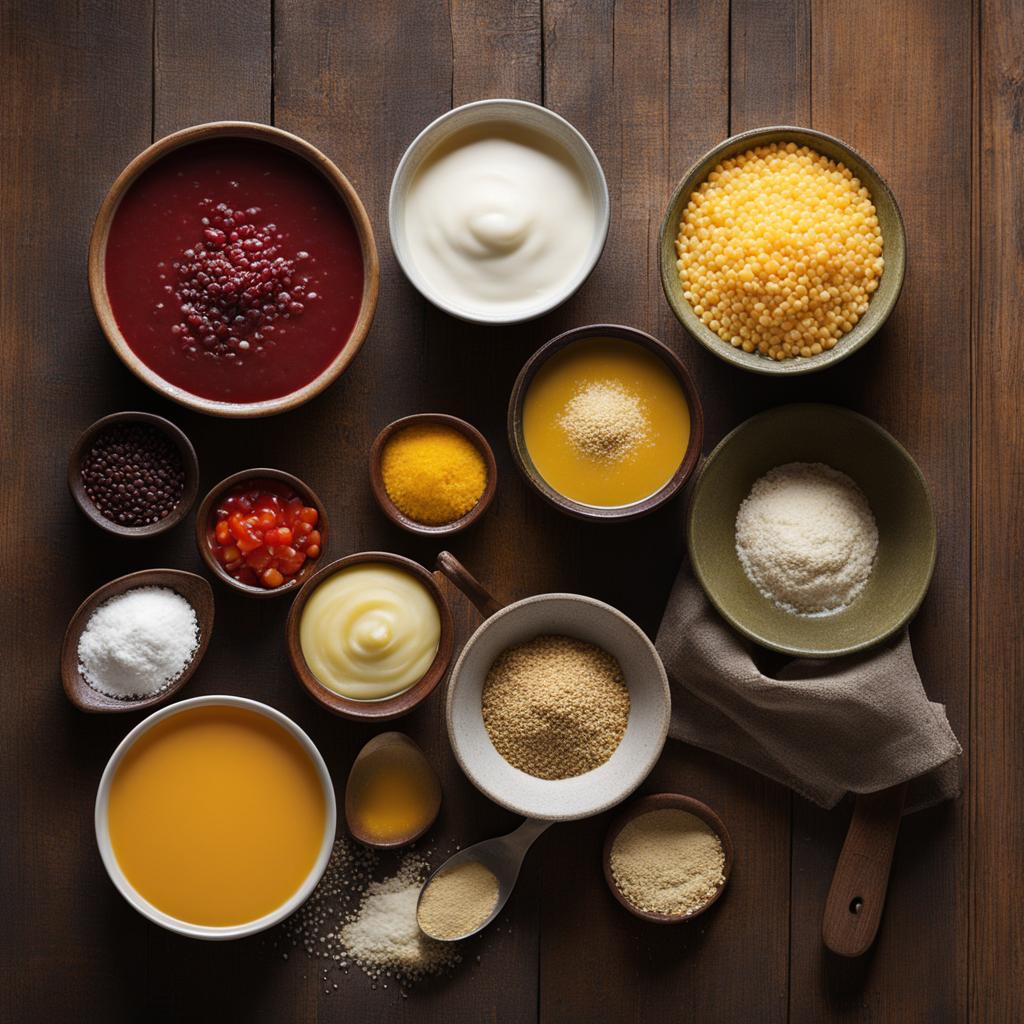
Uses of Thickening in Cuisine
Thickening plays a vital role in various cuisines, enhancing the viscosity, appearance, and texture of dishes. It brings a whole new dimension to liquids, allowing them to adhere to ingredients and intensify the overall flavors. Whether it's a hearty stew, a creamy soup, or a velvety sauce, thickening adds depth and richness to culinary creations.
Thickened liquids contribute to the mouthfeel of a dish, creating a more satisfying and indulgent dining experience. They range from light and delicate textures to luxurious and creamy consistencies, providing different sensations and flavors. Thickening agents also work as binders, holding ingredients together and preventing them from separating during the cooking process.
By thickening the liquid, it transforms into a different entity, creating a cohesive blend of flavors. It allows seasoning, spices, and herbs to blend harmoniously, permeating every spoonful. The enhanced viscosity gives the dish a comforting and substantial feel, perfect for warming up on cold days or enjoying a hearty meal any time of the year.
Examples of Thickened Dishes in Different Cuisines:
| Cuisine | Thickened Dish |
|---|---|
| French | Coq au Vin (thickened with a roux or reduction) |
| Italian | Risotto (thickened with Arborio rice) |
| Asian | Mapo Tofu (thickened with cornstarch slurry) |
| Mexican | Mole Sauce (thickened with ground nuts and bread) |
| American | Corn Chowder (thickened with cream and cornstarch) |
I love how thickening can completely transform a dish, adding body and complexity. It's amazing how a simple technique can elevate the flavors and create a more satisfying meal. From rich and velvety sauces to hearty stews, thickening opens up a world of culinary possibilities.
Thickening is a versatile technique that is used across various cuisines. From classic French sauces to comforting Asian stir-fries, the process of thickening allows for creative experimentation and customization. Whether it's achieving the perfect consistency for a soup or creating a luxurious sauce, understanding the uses of thickening in cuisine empowers chefs to take their dishes to new heights of flavor and texture.
How Thickening Agents Work
Thickening agents, such as polysaccharides and proteins, are essential components in the culinary world. These hydrocolloids play a crucial role in the process of thickening liquids and stabilizing mixtures. Polysaccharides, such as starches, are long chains of sugar molecules that interact with water through hydrogen bonding. They create a network that traps and holds water, giving the liquid a thicker consistency. Proteins, on the other hand, have a complex structure that can undergo conformational changes when exposed to heat or acid, contributing to the thickening process.
The primary mechanism behind how thickening agents work lies in their ability to bind water molecules, forming a matrix that stabilizes the liquid. When hydrated, these agents create a three-dimensional network that traps water and prevents it from separating or evaporating. This network enhances the viscosity and texture of the liquid, giving it a smooth and creamy mouthfeel. The hydrogen bonding and hydration properties of thickening agents are crucial for achieving the desired stabilization and thickening of soups, sauces, and other culinary preparations.
Proper hydration is key to the functionality of thickening agents. Hydrocolloids like starches and proteins need to absorb water and swell to create the desired thickening effect. This process occurs when the agents are dispersed in liquid and heated or undergo chemical reactions. The resulting hydration provides the necessary structure and stability to the mixture, preventing it from breaking down or losing its viscosity. The unique properties of different thickening agents contribute to their versatility and effectiveness in various culinary applications.
Examples of Thickening Agents:
| Thickening Agent | Properties | Examples |
|---|---|---|
| Starches (Polysaccharides) | Form gels when heated; can be easily modified | Cornstarch, tapioca starch, potato starch |
| Proteins (Hydrocolloids) | Undergo conformational changes when heated or exposed to acid | Gelatin, egg yolks, dairy proteins |
| Vegetable Gums | Provide stability and viscosity; resistant to heat and acid | Xanthan gum, guar gum, carrageenan |
Thickening agents play a vital role in the culinary world, providing stability, texture, and mouthfeel to various dishes. Their interaction with water through hydrogen bonding and hydration allows for the creation of thickened liquids that enrich the flavors and enhance the dining experience.
Understanding how these agents work can empower chefs and home cooks to experiment with different thickening techniques and achieve the desired results in their culinary creations. The versatility of thickening agents, as demonstrated by the examples above, provides a wide range of options to suit different recipes and dietary preferences. Whether it's using starches, proteins, or vegetable gums, the proper utilization of thickening agents can elevate the taste and visual appeal of dishes, creating a truly satisfying culinary experience.
Common Ingredients for Thickening
When it comes to thickening soups, there are several common ingredients that can be used to achieve the desired consistency and texture. These ingredients include various starches, vegetable gums, and even egg yolks. Let's take a closer look at each of these options:
Starches
Starches are a popular choice for thickening soups. Common starches used include flour, cornstarch, tapioca, arrowroot, and potato starch. These starches can be made into slurries or used to create roux, which is a mixture of fat and flour cooked together to create a thickening agent. Starches are a versatile option and can be used in a wide range of soup recipes.
Vegetable Gums
Vegetable gums, such as carrageenan and xanthan gum, are another option for thickening soups. These gums are derived from plants and are known for their thickening properties. They work by absorbing water and creating a gel-like consistency, which helps to thicken the soup. Vegetable gums are particularly useful for those following a gluten-free diet.
Egg Yolk Thickening
Egg yolks can also be used as a thickening agent in soups. When added carefully to hot soups, the proteins in the egg yolks coagulate and help to thicken the liquid. This technique is often used in creamy soups, such as chowders or bisques, to create a velvety texture. It's important to take care when adding egg yolks to hot soups to avoid curdling.
By understanding these common ingredients for thickening soups, you can choose the right option for your recipe and create delicious, hearty meals.
| Ingredient | Description |
|---|---|
| Starches | Flour, cornstarch, tapioca, arrowroot, and potato starch |
| Vegetable Gums | Carrageenan, xanthan gum |
| Egg Yolks | Added carefully to hot soups for a creamy texture |
Tips for Thickening Soup
Thickening soup is a culinary art that can transform a simple broth into a rich, hearty meal. Here are some tips and techniques to help you achieve the perfect consistency and flavor in your soups:
- Double the recipe: If you want a thicker soup, consider doubling the recipe to increase the ingredients and flavors. This will result in a more concentrated and thicker soup.
- Sweat the vegetables: Before adding other ingredients, sauté or sweat the vegetables in a little oil or butter. This process helps to enhance their flavors and adds depth to the overall taste of the soup.
- Consider cook times: Different ingredients have different cooking times. To ensure that all ingredients are cooked to perfection, stagger their additions based on their required cook times.
- Chop spoon-sized: When chopping vegetables for your soup, aim for a spoon-sized consistency. This makes it easier to eat and ensures that each bite contains a balanced combination of flavors.
- Salt sparingly: Many pre-made ingredients like broth or canned beans already contain sodium. Taste your soup before adding salt and adjust accordingly to avoid oversalting.
- Use quality stock: The base of your soup is crucial for its overall flavor. Opt for high-quality stocks or make your own from scratch to ensure a rich and robust taste.
- Simmer gently: To prevent overcooking and to allow the flavors to meld together, simmer your soup gently instead of boiling it vigorously. This will result in a more tender and flavorful final product.
- Cook noodles in the soup: If you're adding noodles to your soup, consider cooking them directly in the broth. This allows the noodles to absorb the flavors of the soup and create a more cohesive dish.
- Add cream or milk: For a creamy and velvety texture, consider adding a splash of cream or milk to your soup. Warm the cream or milk before adding it to prevent curdling.
- Portion servings: When serving your thickened soup, portion it appropriately to ensure that each serving has an equal amount of ingredients and flavors.
- Let soup cool: After cooking, allow your soup to cool slightly before serving. This not only prevents burns but also allows the flavors to develop and intensify.
- Freeze leftovers: If you have any leftovers, freeze them for later use. This allows you to enjoy a hearty bowl of soup even on busy days when you don't have time to cook.
By following these tips, you can take your soup-making skills to the next level and create delicious, thickened soups that will warm your heart and satisfy your taste buds.
Serving Suggestions and Garnishes
When it comes to serving thickened soup, presentation and garnishes play a crucial role in enhancing the dining experience. Here are some serving suggestions and garnish ideas that will take your soup to the next level:
- Choose the right soup bowls and utensils: Opt for deep bowls that can hold a generous serving of soup and provide easy access for sipping or spooning. Use soup spoons for a traditional touch.
- Season with a variety of spices and herbs: Experiment with different seasonings to add depth and complexity to your soup. Consider using herbs like basil, thyme, or cilantro, or spices like paprika, cumin, or red pepper flakes.
- Add texture with toppings: Sprinkle crispy croutons, toasted nuts, or fried onions over the soup to give it a satisfying crunch. These toppings not only add texture but also add visual appeal.
- Drizzle with flavored oils: Elevate the taste and presentation by drizzling a swirl of flavored oils, such as extra virgin olive oil, truffle oil, or chili oil, on top of the soup. This adds a luxurious touch and infuses the soup with additional flavor.
- Garnish with fresh herbs: Add a pop of color and freshness by garnishing the soup with a few sprigs of fresh herbs. This not only enhances the visual appeal but also imparts a hint of aroma.
Remember, serving suggestions and garnishes are a personal preference, so feel free to get creative and adapt these ideas to suit your taste and the type of soup you're serving. The goal is to make your soup visually appealing, flavorful, and enjoyable to eat.
Adjustments and Kitchen Hacks
When it comes to soup making, there are always adjustments and kitchen hacks that can take your culinary creations to the next level. These techniques and secrets can help you achieve the perfect consistency, enhance flavors, and add a touch of creativity to your soups. Whether you're a seasoned chef or a home cook, these tips will elevate your soup-making skills.
One of the key adjustments you can make is to control the thickness of your soup. If your soup turns out too thin, don't worry. Simply simmer it longer to allow for reduction. On the other hand, if your soup is too thick, you can add small amounts of liquid like broth or water to thin it out gradually until you achieve your desired consistency.
In addition to adjustments, there are also kitchen hacks that can enhance the flavors of your soup. For example, adding a splash of vinegar can provide a tangy twist that brightens the overall taste. Another hack is to incorporate a dollop of yogurt for a creamy and tangy finish. These simple additions can elevate the flavor profile and make your soup more interesting.
Experimentation and Creativity
Don't be afraid to experiment with different techniques and ingredients to find what works best for you. Try using different herbs and spices to add depth and complexity to your soup. You can also play with textures by blending some of the ingredients for a smoother consistency or leaving them chunky for a heartier feel.
Another kitchen hack is to use the leftovers from a roast or grilled meat to make a flavorful stock or broth. By repurposing these leftovers, you can infuse your soup with rich and savory flavors. This is a great way to maximize the use of ingredients and reduce food waste.
Time-Saving Tips
To save time in the kitchen, consider batch cooking your soups and freezing individual portions for later use. This allows you to have a homemade meal ready to go whenever you need it. Another time-saving tip is to use a slow cooker or Instant Pot to prepare your soups. These appliances allow you to set it and forget it, making it easier to incorporate soup into your weekly meal plan.
Lastly, consider using pre-cut or frozen vegetables to minimize preparation time. These convenient options can help you get dinner on the table faster without compromising on flavor or quality. With these time-saving tips and tricks, you can enjoy delicious homemade soup even on busy days.
Quality Assurance and Safety
Ensuring quality assurance and safety is crucial when working with thickening agents in the preparation of soups, stews, chowders, and bisques. By following proper food handling and preparation techniques, you can maintain the integrity of your homemade dishes.
When using thickening agents, it's important to choose high-quality ingredients. Store your thickening agents in a cool, dry place to prevent spoilage or contamination. Regularly check the expiration dates of your ingredients and discard any that have expired.
Proper storage guidelines should be followed for homemade soups to avoid the risk of foodborne illnesses. Refrigerate or freeze leftovers promptly, ensuring they are stored in airtight containers to maintain freshness and taste. Clean and sanitize your cooking utensils and equipment regularly to prevent cross-contamination and promote food safety.
Remember, practicing good quality assurance and safety measures is essential for enjoying your thickened soups with peace of mind.
Table: Common Thickening Agents
| Thickening Agent | Commonly Used In |
|---|---|
| Cornstarch | Soups, sauces, and gravies |
| Flour | Stews, chowders, and roux-based dishes |
| Arrowroot | Glazes, fruit fillings, and custards |
| Tapioca starch | Fruit pies, puddings, and desserts |
| Potato starch | Soups, stews, and gluten-free recipes |
Table: Common Thickening Agents
Remember, when working with thickening agents, it's important to check for any food allergies or intolerances. Some ingredients may contain allergens such as gluten or dairy. Always read labels and consider the dietary needs and preferences of your guests or family members.
By prioritizing quality assurance and safety in your food preparation, you can ensure that your thickened soups are not only delicious but also safe to consume. So, follow best practices, enjoy your homemade creations, and savor the comforting flavors of thickened soups.
Tips for Homemade Soup in Winter
As the cold winter months set in, there's nothing more comforting than a steaming bowl of homemade soup. With a little culinary arts know-how and food knowledge, you can create delicious soups that will warm both your body and soul. Here are some chef tips and cooking techniques to help you perfect your homemade soup in winter:
Embrace Seasonal Ingredients
Winter is the perfect time to experiment with a variety of seasonal produce in your soups. From hearty root vegetables like potatoes and carrots to robust greens like kale and spinach, the flavors and textures of these ingredients can add depth and richness to your soups. Explore local farmer's markets or your grocery store's seasonal section to find the freshest ingredients for your homemade soup.
Play with Comforting Flavors
Winter is also the ideal time to indulge in comforting flavors that evoke feelings of coziness. Experiment with spices like cinnamon, nutmeg, and cloves to add warmth and depth to your soups. Don't be afraid to incorporate other comforting ingredients like roasted garlic, caramelized onions, or smoky bacon to enhance the overall flavor profile. These ingredients can transform a simple soup into a satisfying comfort food experience.
Use Slow Cooking Methods
In winter, take advantage of slow cooking methods like simmering or stewing to develop rich flavors and tender textures in your soups. The low and slow cooking process allows the ingredients to meld together, creating a deeply flavorful broth. Consider using a slow cooker or simmering your soup on the stovetop for a few hours to achieve the perfect consistency and flavor.
By following these tips, you can elevate your homemade soup in winter to new heights of flavor and comfort. Embrace the seasonal ingredients, play with comforting flavors, and take your time with slow cooking methods. The result will be a bowl of soup that warms your heart and satisfies your taste buds on even the coldest winter days.
| Winter Soup Recipes | Featured Ingredients |
|---|---|
| Roasted Butternut Squash Soup | Butternut squash, onions, garlic, vegetable broth, nutmeg |
| Chicken Noodle Soup | Chicken, carrots, celery, onions, egg noodles, thyme |
| Beef and Barley Soup | Beef, barley, carrots, onions, celery, beef broth, bay leaves |
| Tomato and Basil Soup | Tomatoes, onions, garlic, basil, vegetable broth, cream |
Conclusion
Mastering the art of how to thicken soup opens up a world of culinary possibilities. By understanding the basics of thickening, the benefits it offers, and the various methods available, I can now create soups with the perfect consistency and flavors. Experimenting with different thickeners, adjusting the seasoning, and garnishing my soup has allowed me to create visually appealing and delicious meals.
Following the tips and suggestions provided throughout this article has enhanced my soup-making experience. Whether I'm a beginner or a seasoned chef, knowing how to thicken soup has elevated my culinary prowess and allowed me to savor each comforting spoonful of my thickened soup.
So, embrace your inner chef, get creative in the kitchen, and enjoy the process of thickening soups to create hearty and satisfying meals. With practice and knowledge, you too can master the art of how to thicken soup and take your culinary skills to the next level. Happy cooking!
Source Links
- https://www.amazingfoodmadeeasy.com/info/modernist-techniques/more/thickening-technique
- https://chatelaine.com/food/kitchen-tips/best-tips-for-homemade-soup/
- http://www.ronkskitchen.com/liquid_thickening_agents.htm
Frequently asked questions
- What is thickening and why is it important in cooking?
Thickening is a cooking technique that involves increasing the viscosity of a liquid without significantly impacting its taste or properties. It is important in cooking to enhance the mouthfeel, appearance, and texture of dishes, as well as to stabilize emulsions and suspend solid particles.
- What are the main steps involved in the process of thickening?
The process of thickening involves three main steps: dispersion, hydration, and setting. In the dispersion stage, the thickening agent is evenly distributed throughout the liquid. Next, the agent needs to hydrate by absorbing liquid and swelling, creating a molecular mesh that thickens the mixture. Finally, the liquid reaches its desired thickness during the setting stage.
- What are some common thickeners used in cooking?
Some common thickeners include carrageenan, mono and diglycerides, tapioca maltodextrin, ultra-sperse, ultra-tex, and xanthan gum. Each thickener has its unique properties and uses, so it's important to choose the right one for your specific recipe.
- How can I thicken soup effectively?
To thicken soup effectively, you can consider doubling the recipe, sweating the vegetables, stagger the ingredient additions, chop vegetables to a spoon-sized consistency, salt sparingly, use quality stock, simmer gently, cook noodles directly in the soup, add cream or milk, portion servings appropriately, let the soup cool before refrigerating or freezing leftovers, and adjust the consistency as required.
- How can I enhance the flavors and presentation of thickened soup?
You can enhance the flavors and presentation of thickened soup by using appropriate soup bowls and utensils, seasoning the soup to your desired taste, garnishing with fresh herbs, croutons, grated cheese, or a drizzle of olive oil, and getting creative with serving suggestions.
- Are there any kitchen hacks or cooking secrets for thickening soup?
Yes, there are kitchen hacks and cooking secrets you can use to enhance the flavors and textures of your soup. For example, you can add a splash of vinegar or a dollop of yogurt for a tangy twist.
- How can I ensure quality assurance and safety when working with thickening agents and preparing soup?
To ensure quality assurance and safety, choose high-quality ingredients, follow proper food preparation and cooking techniques, store thickening agents properly, check expiration dates, follow recommended storage guidelines for homemade soups, and maintain clean and sanitized cooking utensils and equipment.
- What are some tips for making homemade soup during the winter season?
Some tips for making homemade soup during the winter season include seeking inspiration from seasonal produce, using chef tips and tricks to elevate flavors and presentation, and enjoying the warmth and nourishment that homemade soup brings during the cold months.
- How can I adjust the consistency of thickened soup?
If the soup is too thin, you can simmer it longer to allow for reduction. If it is too thick, you can add small amounts of liquid like broth or water to thin it out. Adjustments can be made as required to achieve the desired consistency.
- What should I consider for quality assurance and safety when making homemade soup?
For quality assurance and safety when making homemade soup, choose high-quality ingredients, follow proper food preparation and cooking techniques, store ingredients properly, check expiration dates, follow recommended storage guidelines, and maintain clean and sanitized utensils and equipment.
AprilCook, recipe developer and the heart of Chefwiz. More about April