Guide
How to Tell if Ground Chicken is Bad: Freshness Check
Learn "how to tell if the ground chicken is bad" with these simple tips. Keep your meals safe and delicious! Tap into my easy guide on chicken freshness checks.
 By April19 min read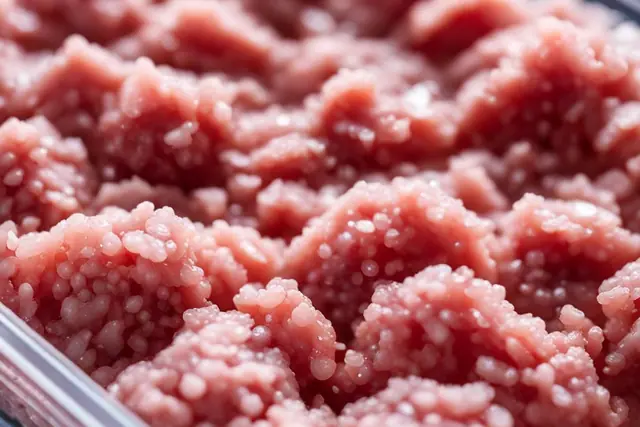
In this guide
- Why You Need to Check the Freshness of Ground Chicken
- The Top 3 Ways to Tell if Ground Chicken is Bad
- Smelling the Ground Chicken
- Feeling the Texture of the Ground Chicken
- Inspecting the Appearance of the Ground Chicken
- Proper Cooking Techniques for Ground Chicken
- Storage Guidelines for Ground Chicken
- Recognizing Signs of Spoiled Cooked Ground Chicken
- Maximizing the Shelf Life of Ground Chicken
- Potential Health Risks of Consuming Spoiled Ground Chicken
- Additional Questions About Ground Chicken
- Tips for Selecting and Storing Ground Chicken
- The Importance of Food Safety in Handling Ground Chicken
- Summary of Ground Chicken Freshness Checks
- Conclusion
- Source Links
- FAQ
Ground chicken is a versatile alternative to ground beef or turkey, but it's important to know how to determine if it has gone bad. The most obvious signs of spoiled ground chicken are a sour or foul smell, sticky or slimy texture, and a dull or gray color. It is crucial to ensure that ground chicken is fresh before cooking to avoid foodborne illnesses.
Why You Need to Check the Freshness of Ground Chicken
Ground chicken is a popular choice for many dishes, offering a lean and versatile alternative to other meats. However, it is important to understand the significance of checking the freshness of ground chicken before consumption. Spoiled ground chicken can pose serious health risks, including foodborne illnesses caused by bacterial contamination. By being mindful of the freshness of ground chicken, you can ensure the safety of your meals and the well-being of those enjoying them.
Ground chicken, like any other type of meat, is prone to spoilage due to its high moisture content. Bacteria multiply rapidly in moist environments, and spoiled ground chicken can harbor harmful microorganisms such as E.coli and salmonella. Consuming bad ground chicken can lead to symptoms such as abdominal pain, upset stomach, and fever. Therefore, it is essential to check the freshness of ground chicken to avoid potential health hazards.
One of the key indicators of spoiled ground chicken is its odor. Fresh ground chicken typically has a mild, neutral smell. However, if the chicken emits a foul or sour odor, it is a strong indication that it has gone bad. Additionally, pay attention to the texture and appearance of the ground chicken. Spoiled chicken may have a slimy or sticky texture and appear dull or gray in color. These visual and tactile clues can further confirm the freshness or spoilage of the meat.
| Signs of Spoiled Ground Chicken | Indications of Fresh Ground Chicken |
|---|---|
| Foul or sour odor | Mild or no odor |
| Slimy or sticky texture | Glossy and slightly soft texture |
| Dull or gray appearance | Light pink color |
Checking the freshness of ground chicken is an essential step in ensuring food safety. By trusting your senses to detect any signs of spoilage, you can take the necessary precautions to protect yourself and your loved ones. Whether it's the smell, texture, or appearance, paying attention to these details can make all the difference in enjoying a safe and delicious meal.
The Top 3 Ways to Tell if Ground Chicken is Bad
When it comes to ground chicken, determining its freshness is essential to ensure food safety. There are three primary ways to tell if ground chicken has gone bad: by its smell, texture, and appearance.
Smell
One of the most obvious indicators of spoiled ground chicken is its smell. Fresh ground chicken should have a mild or no odor at all. However, if you detect a foul or sour smell, similar to rotten eggs, it is a clear sign that the chicken has gone bad. In such cases, it's best to discard it to avoid any potential health risks. Trust your nose when it comes to assessing the freshness of ground chicken.
Texture
The texture of ground chicken can also provide insights into its freshness. Fresh ground chicken should have a glossy and slightly soft texture. If the chicken feels slimy, sticky, or leaves a residue on your hands, it is a strong indication that it has spoiled. It is crucial to avoid using ground chicken with an abnormal texture, as it can increase the risk of foodborne illnesses.
Appearance
Visual inspection of the ground chicken can also help determine its freshness. Fresh ground chicken typically has a light pink color. If you notice any changes in color, such as a dull or gray appearance, it may indicate spoilage. Discoloration is a clear sign that the chicken has gone bad, and it's advisable to discard it to ensure food safety.
By using your senses to check the smell, texture, and appearance of ground chicken, you can easily identify any signs of spoilage. Remember, consuming bad ground chicken can pose serious health risks, so always prioritize food safety. When in doubt, it's best to err on the side of caution and discard any ground chicken that shows indications of being spoiled.
Smelling the Ground Chicken
One of the easiest ways to determine if ground chicken is bad is by using your sense of smell. Fresh ground chicken should have a mild or no odor, indicating its freshness. However, if you detect a strong, unpleasant smell such as a sour or sulfur-like odor, it is a sign that the chicken has spoiled. This smell is similar to the scent of rotten eggs and can be quite distinct.
In such cases, it is best to discard the ground chicken to avoid any potential health risks. Consuming spoiled ground chicken can lead to foodborne illnesses caused by harmful bacteria. It is important to prioritize food safety and only use fresh, properly stored ground chicken for your meals.
Feeling the Texture of the Ground Chicken
One of the ways to determine if ground chicken is bad is by feeling its texture. Fresh ground chicken should have a glossy and slightly soft texture. However, if the chicken feels slimy, sticky, or leaves a residue on your hands, it is a sign that it has gone bad.
By running your fingers through the ground chicken, you can assess its consistency and identify any abnormalities. The texture should be smooth and uniform, without any signs of excessive moisture or stickiness. If you notice any sliminess or stickiness, it's best to err on the side of caution and discard the ground chicken to avoid potential foodborne illnesses. Trusting your sense of touch is crucial in ensuring food safety.
Ensuring the freshness and quality of the ground chicken is vital, as it directly impacts the taste and safety of your meals. By paying attention to the texture, you can identify any changes that may indicate spoilage. It is always better to be safe than sorry when it comes to the consumption of perishable foods like ground chicken.
Table: Comparison of Texture
| Good Ground Chicken | Bad Ground Chicken |
|---|---|
| Smooth and uniform texture | Slime or stickiness |
| Glossy appearance | Residue on hands |
| No abnormal sensations | Unpleasant or off-putting feeling |
Inspecting the Appearance of the Ground Chicken
When determining the freshness of ground chicken, examining its appearance is an important step. Fresh ground chicken should have a light pink color, indicating that it is in good condition. However, if the chicken appears dull or gray, it is a clear sign that it has gone bad. Any noticeable discoloration should not be taken lightly and the ground chicken should be discarded to ensure food safety.
In addition to color, it is essential to pay attention to any visible changes in the ground chicken. If the chicken looks significantly different from its original state, such as developing a slimy or sticky texture, it is an indication that spoilage has occurred. These changes in appearance can be attributed to the growth of harmful bacteria, making it unsafe for consumption.
To summarize, inspecting the appearance of ground chicken is crucial for determining its freshness. Any unusual discoloration, such as a dull or gray color, should be considered a warning sign. Additionally, be mindful of any changes in texture, such as stickiness or sliminess, as these can also indicate spoilage. By visually assessing the ground chicken before cooking, you can ensure that you are using a fresh and safe ingredient in your meals.
Table: Ground Chicken Appearance Guide
| Appearance | Indication |
|---|---|
| Light pink | Fresh and safe to consume |
| Dull or gray | Sign of spoilage; discard immediately |
| Slime or stickiness | Indicates spoilage; do not use |
Proper Cooking Techniques for Ground Chicken
When it comes to cooking ground chicken, there are a few important techniques to ensure it is cooked properly and safely. One of the most crucial aspects is reaching the correct internal temperature to eliminate any potential bacteria. The USDA recommends cooking ground chicken to an internal temperature of at least 165°F (74°C) to ensure food safety. Using a food thermometer is the most accurate way to determine if the chicken is thoroughly cooked.
Properly cooked ground chicken should no longer have any pink or translucent areas and should be uniformly browned. To achieve this, you can follow these simple steps:
- Preheat a skillet or frying pan over medium-high heat.
- Add a small amount of oil or cooking spray to the pan to prevent sticking.
- Place the ground chicken in the pan and break it up into smaller pieces using a spatula or spoon.
- Cook the chicken, stirring occasionally, until it reaches an internal temperature of 165°F (74°C).
- Once fully cooked, remove the ground chicken from heat and let it rest for a few minutes before using it in your recipe.
By following these cooking techniques, you can ensure that your ground chicken is safe to consume and free from any potential bacteria or contaminants.
Storage Guidelines for Ground Chicken
Proper storage of ground chicken is essential for maintaining its freshness and ensuring food safety. Follow these guidelines to store ground chicken correctly:
Refrigerator Storage
When storing ground chicken in the refrigerator, it is important to keep it in its original packaging or transfer it to an airtight container. This helps prevent any cross-contamination and keeps the chicken fresh for longer. Make sure the refrigerator temperature is set to 40°F (4°C) or below to maintain the chicken's quality.
Freezer Storage
If you don't plan to use the ground chicken within two days, it is advisable to freeze it to extend its shelf life. Divide the chicken into portions and place each portion in an airtight container or freezer bag. Label the containers with the date to keep track of the chicken's freshness. Frozen ground chicken can last up to three months in the freezer.
Remember to thaw frozen ground chicken safely by placing it in the refrigerator overnight. Never thaw ground chicken at room temperature as it promotes bacterial growth and increases the risk of foodborne illnesses.
By following these storage guidelines, you can maintain the freshness and quality of your ground chicken, ensuring safe and delicious meals.
Table: Ground Chicken Storage Guidelines
| Storage Method | Temperature | Duration |
|---|---|---|
| Refrigerator | 40°F (4°C) or below | Up to 2 days |
| Freezer | 0°F (-18°C) or below | Up to 3 months |
Proper storage is crucial for maintaining the freshness and safety of ground chicken. By refrigerating or freezing it correctly, you can enjoy delicious meals while minimizing the risk of foodborne illnesses.
Recognizing Signs of Spoiled Cooked Ground Chicken
When it comes to cooked ground chicken, it's important to be able to identify signs of spoilage to ensure food safety. If stored improperly or left at room temperature for too long, cooked ground chicken can become spoiled and potentially harmful if consumed. Here are the key indicators to look out for:
- Smell: If the cooked ground chicken has a foul or unpleasant odor, it is a clear indication that it has spoiled. Trust your sense of smell and if it doesn't smell right, it's best to discard it.
- Appearance: Spoiled cooked ground chicken may have noticeable changes in appearance. Look for any signs of discoloration, such as a gray or greenish hue. If the chicken looks significantly different from when it was cooked, it's best to err on the side of caution and throw it away.
- Texture: Pay attention to the texture of the cooked ground chicken. If it feels slimy, sticky, or has an unusual texture, it is a sign of spoilage. Trust your instincts and avoid consuming cooked ground chicken that doesn't feel right.
It's worth noting that these signs of spoilage can vary depending on factors such as storage conditions and the length of time the cooked ground chicken has been left out. To minimize the risk of foodborne illnesses, it's best to discard any cooked ground chicken that shows these signs of spoilage to ensure your safety and well-being.
https://www.youtube.com/watch?v=hSCm0Zr-BE0
Table: Signs of Spoiled Cooked Ground Chicken
| Signs of Spoilage | Description |
|---|---|
| Unpleasant Smell | A foul or unpleasant odor, indicating spoilage. |
| Changes in Appearance | Discoloration, such as a gray or greenish hue. |
| Unusual Texture | Slime, stickiness, or an abnormal texture. |
Remember, when in doubt, throw it out. It's always better to be safe than sorry when it comes to consuming cooked ground chicken that may be spoiled. By recognizing these signs and practicing proper food handling and storage, you can help protect yourself and your loved ones from potential foodborne illnesses.
Maximizing the Shelf Life of Ground Chicken
Proper storage practices are essential for maximizing the shelf life of ground chicken. By following these guidelines, you can ensure that your ground chicken remains fresh and safe for consumption.
Storage Tips:
- Choose fresh ground chicken with a light pink color and no strong odors.
- Refrigerate ground chicken immediately after purchase and keep it stored in the coldest part of your refrigerator.
- Use ground chicken within two days of purchase to maintain freshness.
- If you don't plan to use the ground chicken within two days, freeze it to extend its shelf life.
- Divide the ground chicken into portions before freezing, and store them in airtight containers or freezer bags.
- Label and date the packages to keep track of the storage time.
Thaw frozen ground chicken in the refrigerator before use to prevent bacterial growth. Avoid thawing at room temperature to minimize the risk of foodborne illnesses.
| Storage Methods | Shelf Life |
|---|---|
| Refrigerator (2-4°C) | Up to 2 days |
| Freezer (0°C or below) | Up to 3 months |
By following these storage guidelines and being mindful of the expiration date, you can make the most out of your ground chicken and ensure that it remains fresh and safe to consume. Remember, proper storage practices play a crucial role in maintaining the quality and safety of your food.
Potential Health Risks of Consuming Spoiled Ground Chicken
Consuming spoiled ground chicken can pose significant health risks. When ground chicken goes bad, it becomes a breeding ground for harmful bacteria such as E.coli and salmonella. These bacteria can cause food poisoning, leading to symptoms like abdominal pain, nausea, vomiting, diarrhea, and fever. In severe cases, foodborne illnesses can result in dehydration, organ failure, and even death.
Ground chicken that is past its prime can harbor these bacteria, which multiply rapidly in warm and moist conditions. When consumed, these bacteria can invade the digestive system and release toxins that cause illness. It is essential to practice proper food safety measures and avoid consuming spoiled ground chicken to protect yourself and your loved ones from these health risks.
It's worth noting that the risk of food poisoning from spoiled ground chicken increases if it is improperly stored, cooked, or handled. Cross-contamination with other raw foods, inadequate cooking temperatures, and leaving cooked ground chicken at room temperature for too long can all contribute to bacterial growth and contamination. By following safe handling and cooking practices, and being diligent about checking the freshness of ground chicken before use, you can minimize the risk of foodborne illnesses.
Table: Summary of Potential Health Risks of Consuming Spoiled Ground Chicken
| Health Risks | Consequences |
|---|---|
| Food poisoning | Abdominal pain, nausea, vomiting, diarrhea, fever |
| Dehydration | Loss of fluids from vomiting and diarrhea |
| Organ failure | Potential life-threatening condition |
It is essential to prioritize food safety and make informed decisions when it comes to consuming ground chicken. By staying vigilant and following proper guidelines, you can reduce the chances of falling ill due to consuming spoiled ground chicken.
Additional Questions About Ground Chicken
As a popular choice for many dishes, ground chicken can sometimes leave us with questions about its purchasing and storage. Here are some commonly asked questions to help you navigate your way through the world of ground chicken:
How long does ground chicken last in the refrigerator?
Ground chicken can be stored in the refrigerator for up to two days, as long as it is properly wrapped or stored in an airtight container. It is important to consume it within this time frame to ensure its freshness and minimize the risk of spoilage.
Can I freeze ground chicken?
Yes, ground chicken can be safely frozen for longer storage. Divide the ground chicken into portions and place them in airtight containers or freezer bags. Label the packages with the date to keep track of their freshness. Frozen ground chicken can last up to three months in the freezer.
What should I look for when purchasing ground chicken?
When purchasing ground chicken, look for packages with a later expiration date to ensure its freshness. Ensure that the chicken is stored in a refrigerator and not left at room temperature for an extended period.
Remember, proper storage and handling practices are crucial for ensuring the safety and freshness of ground chicken. By following these guidelines, you can enjoy delicious meals without worrying about the quality of your ground chicken.
Tips for Selecting and Storing Ground Chicken
When it comes to ground chicken, selecting and storing it properly is crucial for both freshness and food safety. Here are some tips to help you make the best choices:
Selecting Ground Chicken
When purchasing ground chicken, always check the expiration date on the package. Choose packages with a later expiration date to ensure the chicken stays fresh for longer. It's also essential to keep the chicken refrigerated until you check out to maintain its freshness.
Storing Ground Chicken
Once you bring the ground chicken home, store it in the refrigerator as soon as possible. It's recommended to use the ground chicken within two days to ensure its quality and safety. To extend its shelf life, you can also freeze the ground chicken in portions. Make sure to use airtight containers or freezer bags to prevent freezer burn.
| Storage Method | Refrigerator | Freezer |
|---|---|---|
| Temperature | 40°F (4°C) or below | 0°F (-18°C) or below |
| Shelf Life | Up to 2 days | Up to 3 months |
By following these tips for selecting and storing ground chicken, you can ensure its freshness and maintain food safety. Proper handling and storage play a vital role in preventing bacterial contamination and minimizing the risk of foodborne illnesses. Remember, fresh and properly stored ground chicken is not only safer but also more enjoyable to cook and consume.
The Importance of Food Safety in Handling Ground Chicken
When it comes to handling ground chicken, food safety should always be a top priority. Proper hygiene practices and precautions are necessary to prevent bacterial contamination and ensure that the chicken remains safe to consume. By following these guidelines, you can protect yourself and your loved ones from potential foodborne illnesses.
Wash Hands Thoroughly
One of the most crucial steps in handling ground chicken is to wash your hands thoroughly before and after contact. Use warm water and soap, and scrub for at least 20 seconds to remove any potential bacteria. This simple action can greatly reduce the risk of cross-contamination and the spread of harmful pathogens.
Avoid Cross-Contamination
Cross-contamination can occur when raw ground chicken comes into contact with surfaces or utensils that will be used for other foods. To prevent this, designate separate cutting boards, knives, and plates for raw chicken. Ensure that these items are thoroughly cleaned and sanitized after each use to avoid any potential contamination.
Cook Ground Chicken to the Right Temperature
Cooking ground chicken to the recommended internal temperature is essential for killing any harmful bacteria that may be present. The USDA recommends cooking ground chicken to an internal temperature of 165°F (74°C). Using a food thermometer is the most accurate way to determine if the chicken has reached the proper temperature and is safe to eat.
Remember, proper handling and cooking techniques are key to ensuring the safety of ground chicken. By following food safety guidelines, you can enjoy this versatile protein with peace of mind, knowing that you have taken the necessary steps to protect yourself and your family.
Summary
When handling ground chicken, it is important to prioritize food safety. Thoroughly washing hands, avoiding cross-contamination, and cooking ground chicken to the right temperature are key steps to prevent bacterial contamination and ensure safe consumption. By following these guidelines, you can enjoy ground chicken dishes with confidence, knowing that you have taken the necessary precautions.
Summary of Ground Chicken Freshness Checks
Ensuring the freshness of ground chicken is crucial for maintaining food safety. By using your senses to smell, feel, and inspect the appearance of the chicken, you can determine if it has gone bad. Proper storage and cooking techniques are also essential to ensure safe consumption.
When checking the freshness of ground chicken, start by smelling it. Fresh ground chicken will have a mild or no odor, while spoiled chicken may have a sour or sulfur-like smell similar to rotten eggs. If you detect a strong, unpleasant odor, it is best to discard the ground chicken to avoid any potential health risks.
Another indicator of spoiled ground chicken is the texture. Fresh ground chicken should have a glossy and slightly soft texture. However, if the chicken feels slimy, sticky, or leaves a residue on your hands, it is a sign that it has gone bad. It is important to avoid using ground chicken with an abnormal texture to minimize the risk of foodborne illnesses.
The appearance of ground chicken can also provide clues about its freshness. Fresh ground chicken should have a light pink color, while spoiled chicken may appear dull or gray. If the chicken looks significantly different from its original color or has noticeable discoloration, it is best to discard it to ensure food safety.
Conclusion
In conclusion, ensuring the freshness of ground chicken is vital for maintaining food safety. By following the guidelines for checking its smell, texture, and appearance, as well as practicing proper storage and cooking techniques, you can confidently enjoy ground chicken without the risk of consuming spoiled meat. Prioritizing food safety is essential to protect yourself and your loved ones from potential foodborne illnesses.
Remember, fresh ground chicken should have a mild or no odor, a glossy and slightly soft texture, and a light pink color. Any signs of a foul smell, slimy or sticky texture, or noticeable discoloration indicate spoilage, and the chicken should be discarded to avoid health risks.
By understanding the importance of conducting freshness checks and implementing proper handling, storage, and cooking practices, you can enhance the overall quality and safety of your ground chicken meals. So take the necessary steps to ensure the freshness of your ground chicken, and enjoy delicious and wholesome meals with peace of mind.
Source Links
- https://www.healthline.com/nutrition/how-to-tell-if-chicken-is-bad
- https://homecookbasics.com/how-to-tell-if-the-ground-chicken-is-bad/
- https://foodsguy.com/how-to-tell-if-ground-chicken-is-bad/
Frequently asked questions
- How can I tell if ground chicken is bad?
There are several signs of spoiled ground chicken, including a foul smell, slimy texture, and a dull or gray color.
- What should fresh ground chicken smell like?
Fresh ground chicken should have a mild or no odor. If it has a sour or sulfur-like smell, it is likely spoiled.
- How can I check the texture of ground chicken?
Fresh ground chicken should have a glossy and slightly soft texture. If it feels slimy or sticky, it has likely gone bad.
- What should the appearance of fresh ground chicken be?
Fresh ground chicken should have a light pink color. If it appears dull or gray, it is likely spoiled.
- How should I cook ground chicken to ensure safety?
Ground chicken should be cooked to an internal temperature of at least 165°F (74°C) to kill any potential bacteria.
- How should ground chicken be stored?
Ground chicken should be stored in the refrigerator in its original packaging or an airtight container for up to two days. It can also be frozen for longer storage.
- How can I recognize spoiled cooked ground chicken?
The signs of spoiled cooked ground chicken include a foul smell, unusual texture, and changes in appearance.
- How can I maximize the shelf life of ground chicken?
To maximize the shelf life of ground chicken, choose fresh packages, store them in the refrigerator, and use them within two days. Freezing ground chicken can also extend its shelf life.
- What are the potential health risks of consuming spoiled ground chicken?
Consuming spoiled ground chicken can lead to foodborne illnesses and symptoms such as abdominal pain, upset stomach, and fever.
- What are some additional questions about ground chicken?
Additional questions may include inquiries about the shelf life of ground chicken, purchasing and storing tips, and safe cooking techniques.
- What are some tips for selecting and storing ground chicken?
When purchasing ground chicken, choose packages with a later expiration date and ensure they are kept refrigerated. Store ground chicken in the refrigerator as soon as you get home and use it within two days. You can also freeze ground chicken for longer storage.
- Why is food safety important when handling ground chicken?
Proper food safety measures, such as washing hands thoroughly and avoiding cross-contamination, are crucial to prevent bacterial contamination and foodborne illnesses associated with ground chicken consumption.
- What are the key points to remember about ground chicken freshness checks?
Checking the smell, texture, and appearance of ground chicken is essential for ensuring its freshness. Proper storage and cooking techniques are also important for food safety. Discarding any ground chicken showing signs of spoilage is crucial.
AprilCook, recipe developer and the heart of Chefwiz. More about April