Guide
Key Secrets: How to Tell if Oil is Hot Enough for Frying
No more guesswork! Discover my safe and simple methods on how to tell if oil is hot enough for frying. Whip up golden-fried delights every time!
 By April17 min read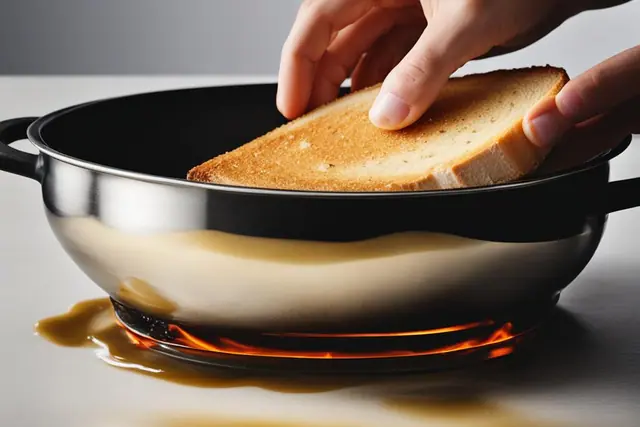
In this guide
- Importance of Oil Temperature in Frying
- Using a Thermometer to Check Oil Temperature
- Method 1 - The Sizzle Test
- Method 2 - The Bread Test
- Method 3 - The Wooden Spoon Test
- Choosing Oils with High Smoke Points
- Tips for Successful Deep Frying
- Proper Oil Disposal
- Checking Oil Temperature with a Wooden Spoon
- Alternative Temperature Measurement Tools
- Safety Precautions for Deep Frying
- Conclusion
- Source Links
- FAQ
Hey there, fellow food enthusiasts! Today, I want to let you in on some key secrets that will help you achieve perfectly fried goodness every time. One of the most crucial aspects of frying is ensuring that the oil reaches the right temperature. Cooking at the right temperature not only ensures a perfectly crispy texture but also enhances the overall flavor of your dish.
https://www.youtube.com/watch?v=cxDqzfOhKlI
Now, you might be wondering, "How can I tell if the oil is hot enough for frying without using a thermometer?" Well, don't worry! I've got you covered. In this article, I'll walk you through some alternative methods that will help you determine the ideal oil temperature for frying, even if you don't have a fancy thermometer on hand. So, let's dive in and uncover these secrets together!
Importance of Oil Temperature in Frying
When it comes to frying food, maintaining the correct oil temperature is crucial for achieving high-quality results. The temperature of the oil plays a significant role in the overall cooking process, impacting the texture, flavor, and appearance of the final dish. If the oil is too hot, the outer layer of the food can quickly brown while the inside remains undercooked. On the other hand, if the oil is not hot enough, the food may absorb excess oil, resulting in a greasy and unappetizing texture. Therefore, understanding and controlling the oil temperature is essential for achieving perfectly cooked, crispy fried foods.
Proper oil temperature ensures even cooking and allows for the formation of a crispy, golden-brown crust. When the oil is at the correct temperature, it interacts with the food in a way that seals the outer layer, preventing excessive oil absorption and resulting in a deliciously crisp exterior. Additionally, maintaining the right oil temperature helps to preserve the natural flavors and moisture of the food, ensuring it remains tender and juicy on the inside. Whether you're frying chicken, french fries, or doughnuts, getting the oil temperature right is key to achieving the desired taste and texture.
Oil temperature also affects the cooking time and overall efficiency of the frying process. If the oil is too cool, the food will take longer to cook, potentially resulting in an overcooked exterior or unevenly cooked interior. On the other hand, if the oil is too hot, the food may cook too quickly on the outside, leaving the inside undercooked. By maintaining the proper oil temperature, you can ensure that your fried foods are cooked to perfection, with a crispy, golden-brown exterior and a fully cooked, succulent interior.
| Benefits of Maintaining Proper Oil Temperature: |
|---|
| Even cooking |
| Crispy, golden-brown exterior |
| Preserves natural flavors and moisture |
| Efficient cooking process |
Now that we understand the importance of oil temperature in frying, let's explore some methods to determine if the oil is hot enough for frying in the absence of a thermometer. These alternative methods rely on visual cues, like the sizzle test, bread test, and wooden spoon test, to determine the readiness of the oil. By using these techniques, you can confidently fry your favorite foods with exceptional results.
Using a Thermometer to Check Oil Temperature
When it comes to accurately measuring the temperature of oil for frying, using a thermometer is the gold standard. A food thermometer provides precise measurements, ensuring that your oil is at the optimal temperature for cooking. With accurate readings, you can achieve consistent results every time.
To use a thermometer, simply clip it onto the side of your pot or pan, making sure that the tip of the thermometer is submerged in the oil. Allow the thermometer to sit in the oil for a few seconds until the reading stabilizes. The recommended temperature for most frying recipes is between 360°F/182°C to 375°F/190°C.
Using a thermometer not only helps you achieve the perfect oil temperature but also ensures food safety. It helps prevent undercooked or overcooked food, resulting in evenly cooked and delicious dishes. Additionally, using a thermometer allows you to adjust the heat as needed to maintain the desired temperature during the frying process.
Benefits of Using a Thermometer for Oil Temperature
- Accurate measurement: A thermometer provides precise temperature readings, aiding in achieving consistent cooking results.
- Cooking equipment: Using a thermometer allows you to make the most of your kitchen equipment by ensuring you are utilizing it correctly and effectively.
- Food quality: Maintaining the proper oil temperature enhances the texture, flavor, and overall quality of your fried food.
In conclusion, using a thermometer to check the oil temperature is the most reliable and accurate method. It helps you achieve the desired temperature range for frying, leading to perfectly cooked and delicious results. So don't rely on guesswork - invest in a food thermometer to elevate your frying game!
Method 1The Sizzle Test
If you don't have a thermometer on hand, you can use the sizzle test to determine if the oil is hot enough for frying. This method relies on a visual cue to gauge the temperature of the oil. Simply drop a small piece of batter or dough into the hot oil and observe the reaction.
If the batter sizzles immediately upon contact with the oil and rises to the surface quickly, it is a good indication that the oil is hot enough for frying. This sizzle and rapid rise demonstrate that the oil is at the desired temperature and ready to cook your food to crisp perfection.
| Visual Cue | Oil Temperature |
|---|---|
| Sizzling, rising quickly | Hot enough for frying |
| Instant browning, smoking | Too hot, needs to cool down |
However, if the batter browns instantly upon contact with the oil or if the oil starts smoking, it is an indication that the oil is too hot and needs to cool down slightly before adding your food. Adjust the heat accordingly and wait for the oil to reach the desired temperature before continuing with your frying process.
Method 2The Bread Test
Another method to check the oil temperature is the bread test. Drop a small piece of bread, about an inch in size, into the hot oil. If the bread takes around 30-40 seconds to turn golden brown, the oil is at the right temperature for frying. Adjust the heat if the bread browns too quickly or slowly.
"The bread test is a simple yet effective way to gauge the readiness of the oil for frying. By observing the bread's browning time, you can ensure that your food will cook evenly and achieve that perfect crispiness we all love."
When performing the bread test, it's important to use a small piece of bread to ensure an accurate reading. The size of the bread should be around an inch to allow for a quick and consistent browning process. Keep an eye on the bread as it fries, noting the time it takes to turn golden brown. This will give you a clear indication of the oil's temperature readiness for frying.
The bread test is especially useful when you don't have a thermometer or if you prefer a more visual method of checking oil temperature. It provides a quick and reliable indication of frying readiness, allowing you to adjust the heat as needed to achieve the desired results. So, the next time you're preparing to fry your favorite foods, give the bread test a try and enjoy perfectly cooked, crispy delights.
Method 3The Wooden Spoon Test
When it comes to determining if the oil is hot enough for frying, the wooden spoon test can be a simple and effective method. This technique allows you to gauge the oil temperature based on the reaction of a wooden spoon when it is dipped into the hot oil.
To perform the wooden spoon test, I dip the end of a wooden spoon or chopstick into the oil and observe the reaction. If the oil starts sizzling and bubbling vigorously around the spoon, it is a clear indication that the oil is hot and ready for frying. This bubbling action indicates that the oil is at the desired temperature, typically between 360°F/182°C to 375°F/190°C.
Please note that if the oil starts smoking or the bubbling is too aggressive, it means the oil is too hot and needs to be cooled down slightly. Adjust the heat accordingly to maintain the ideal frying temperature. Safety is paramount when working with hot oil, so be cautious and avoid any accidents by keeping a safe distance from the hot oil and using appropriate kitchen utensils.
In conclusion, the wooden spoon test is a handy and reliable way to check the temperature of oil for frying. It eliminates the need for a thermometer and allows you to make accurate assessments based on the bubbling reaction. Remember to always prioritize safety when working with hot oil and adjust the heat as needed to achieve perfectly fried and delicious results.
Choosing Oils with High Smoke Points
When it comes to deep frying, selecting the right oil is essential for achieving the desired results. Oils with high smoke points are particularly well-suited for high heat cooking methods like frying. These oils can withstand the high temperatures without breaking down or producing smoke, ensuring that your fried foods are crispy and golden brown.
Some of the oils with high smoke points that are commonly used for deep frying include:
- Vegetable oil: With a smoke point of around 400°F (204°C), vegetable oil is a versatile choice for deep frying.
- Sunflower oil: Sunflower oil has a smoke point of approximately 440°F (227°C), making it ideal for frying at higher temperatures.
- Canola oil: Canola oil is another popular option, boasting a smoke point of about 400°F (204°C).
- Rice bran oil: This oil has a high smoke point of around 450°F (232°C) and is known for its light flavor.
- Groundnut oil: Also known as peanut oil, groundnut oil has a smoke point of approximately 450°F (232°C) and lends a rich, nutty flavor to fried foods.
- Ghee: Ghee, or clarified butter, has a smoke point of about 450°F (232°C) and adds a rich, buttery flavor to deep-fried dishes.
By choosing oils with high smoke points, you can ensure that your deep-fried foods have a crispy texture and a delicious flavor. It's important to note that the smoke point can vary slightly depending on the brand and quality of the oil, so always check the label for specific information. Experiment with different oils to find your favorite and enjoy perfectly fried dishes every time.
Table: Oils with High Smoke Points
| Oil | Smoke Point (°F) |
|---|---|
| Vegetable oil | 400 |
| Sunflower oil | 440 |
| Canola oil | 400 |
| Rice bran oil | 450 |
| Groundnut oil | 450 |
| Ghee | 450 |
Tips for Successful Deep Frying
When it comes to deep frying, following a few key tips can make all the difference between a culinary masterpiece and a disappointing flop. Whether you're a seasoned pro or just starting out, these tips will help ensure your deep-fried dishes turn out crispy, flavorful, and delicious every time.
Fry in Batches for Better Results
One essential tip for successful deep frying is to fry your food in batches. Overcrowding the fryer can cause the temperature of the oil to drop, resulting in greasy and unevenly cooked food. By frying in smaller batches, you can maintain a consistent oil temperature, allowing the food to cook evenly and develop a golden-brown crust.
Maintain Oil Quality with Regular Cleaning
To achieve optimal deep-frying results, it's important to maintain the quality of your frying oil. Over time, oil can become contaminated with food particles and develop off-flavors. To prevent this, it's crucial to clean your oil regularly by removing any burnt bits or debris. Straining the oil through a fine-mesh sieve or cheesecloth can help remove any impurities, ensuring that your next batch of fried food maintains its fresh and clean taste.
Ensure Food Safety at All Times
Food safety should always be a top priority when deep frying. Make sure to handle raw food properly, wash your hands thoroughly before and after handling food, and use separate utensils for raw and cooked foods to prevent cross-contamination. It's also important to cook food to the recommended internal temperature to ensure that it is safe to eat. Using a food thermometer can help you determine if your food has reached the appropriate temperature, giving you peace of mind that your deep-fried dishes are not only delicious but also safe to consume.
Summary:
Successful deep frying requires attention to detail and following a few key tips. Fry in batches to maintain oil temperature and ensure even cooking. Regularly clean your frying oil to maintain its quality and prevent off-flavors. Prioritize food safety by following proper hygiene practices and cooking food to the correct internal temperature. By incorporating these tips into your deep-frying routine, you can achieve crispy and flavorful results that will impress your family and friends.
Proper Oil Disposal
Properly disposing of used frying oil is not only important for maintaining a clean and functional kitchen but also for protecting the environment. Improper disposal of oil can have detrimental effects on the ecosystem and can lead to clogged pipes and contaminated water sources. To ensure responsible oil disposal, follow these simple steps:
- Allow the oil to cool completely: Before disposing of used frying oil, it is crucial to allow it to cool completely. Hot oil can cause burns and pose a safety hazard, so be patient and let it cool down naturally.
- Strain the oil: Once the oil has cooled, strain it to remove any food particles or debris. Straining the oil helps prevent clogging and ensures a clean and residue-free oil for recycling or disposal.
- Recycle the oil: Recycling used frying oil is an eco-friendly option that reduces waste and prevents pollution. Many local recycling centers and waste management companies accept used cooking oil for recycling. Check with your local authorities or search for recycling centers in your area that accept used oil.
- Store the oil for recycling: If you do not have immediate access to a recycling center, store the used oil in a jar or bottle with a tight lid. Make sure to label the container as "used cooking oil" and keep it in a cool and dry place until you can dispose of it properly.
It is important to note that pouring used frying oil down the drain or toilet is highly discouraged. Oil is not water-soluble and can cause blockages in pipes and sewer systems. Additionally, it can contaminate water sources and harm aquatic life. Taking the extra effort to dispose of oil responsibly is an essential step in minimizing our environmental impact.
Remember, proper oil disposal is not only about keeping our kitchens clean but also about preserving the health of our planet. By following these guidelines and recycling used frying oil, you can contribute to a more sustainable future.
Table: Common Cooking Oils and Their Smoke Points
| Oil | Smoke Point (°F) |
|---|---|
| Canola Oil | 400 |
| Vegetable Oil | 400 |
| Sunflower Oil | 440 |
| Peanut Oil | 450 |
| Grapeseed Oil | 420 |
Checking Oil Temperature with a Wooden Spoon
When it comes to determining if the oil is hot enough for frying, you don't always need a thermometer. A simple wooden spoon can be a handy tool to check the oil temperature. Just dip the end of a wooden spoon into the hot oil and observe the reaction. If you see bubbles forming around the wood and hear a gentle sizzle, that's a good indication that the oil is at the right temperature for frying. This technique is quick, easy, and eliminates the need for additional equipment.
Using a wooden spoon as an oil temperature check method is not only convenient but also safer compared to other techniques. Unlike metal utensils, a wooden spoon won't heat up as quickly, reducing the risk of burns. Additionally, observing the bubbles and sizzling sound around the spoon gives you a visual and auditory cue, adding an extra layer of assurance that your oil is ready for frying.
It's important to note that the wooden spoon test is not as precise as using a thermometer. The temperature at which the bubbles form may vary depending on factors such as the type of oil used and the stove's heat settings. However, it still provides a reliable estimate of whether the oil is sufficiently hot for frying.
Advantages of Checking Oil Temperature with a Wooden Spoon
- No need for a thermometer: The wooden spoon test is a convenient way to check oil temperature without relying on additional equipment.
- Safer alternative: Using a wooden spoon reduces the risk of burns compared to metal utensils that heat up quickly.
- Visual and auditory cues: The bubbles and sizzling sound around the wooden spoon provide clear indications of the oil's readiness for frying.
Overall, the wooden spoon test is a simple and reliable technique to determine if your oil is hot enough for frying. Whether you're making crispy fried chicken, golden french fries, or delectable doughnuts, this method can help you achieve delicious results.
Alternative Temperature Measurement Tools
While using a thermometer is the most accurate way to measure the temperature of oil for frying, there are alternative tools that can provide accurate readings. Investing in quality cooking equipment can contribute to consistent frying results. Here are some alternative temperature measurement tools you can consider:
- Oil Thermometer: Specifically designed for measuring oil temperature during frying, an oil thermometer provides precise and reliable readings. There are budget-friendly options available, such as the ThermaPro, which can ensure your oil is at the perfect temperature for frying.
- Infrared Thermometer: This non-contact thermometer can measure the surface temperature of the oil without having to immerse a probe. It is a convenient option for quick temperature checks.
- Laser Thermometer: Similar to an infrared thermometer, a laser thermometer can measure the temperature of the oil from a distance. It uses a laser to accurately determine the oil's temperature.
These temperature measurement tools can help you achieve consistent frying results by ensuring your oil is at the optimal temperature. Remember to follow the manufacturer's instructions for proper usage and maintenance of these tools.
By using alternative temperature measurement tools, you can accurately determine if your oil is hot enough for frying, even if you don't have a traditional thermometer on hand. Whether you choose an oil thermometer, infrared thermometer, or laser thermometer, investing in these tools can contribute to your success in the kitchen.
Safety Precautions for Deep Frying
When it comes to deep frying, safety should always be a top priority. Working with hot oil can be hazardous, but by following a few simple precautions, you can ensure a safe and enjoyable cooking experience. Here are some essential safety tips to keep in mind:
Avoid Oil Splatter
Oil splatter is a common risk when deep frying, and it can cause burns or even start a fire. To minimize the chances of oil splattering, it's important not to overcrowd the fryer. Adding too much food at once can cause the oil to bubble and splatter, increasing the risk of accidents. Instead, fry in small batches, allowing enough space for the food to cook evenly without causing oil to overflow.
Keep the Cooking Area Dry
It's crucial to keep the area around your fryer clean and dry. Any moisture or water droplets can cause the hot oil to splatter or spill, leading to burns or fires. Before you start frying, make sure the surface is dry and free from any water or liquid spills. Additionally, keep any flammable materials, such as kitchen towels or paper napkins, away from the fryer to prevent accidental fires.
Mindful Kitchen Precautions
When deep frying, it's important to take a few extra precautions to ensure kitchen safety:
- Always keep a fire extinguisher within reach in case of emergency.
- Never leave the fryer unattended while it's in use.
- Use oven mitts or heat-resistant gloves to protect your hands from burns.
- Be cautious of loose clothing or dangling accessories that could catch fire or accidentally dip into the hot oil.
By following these safety guidelines and remaining vigilant while deep frying, you can enjoy the process with peace of mind. Remember, accidents can happen, but taking preventive measures can significantly reduce the risks associated with deep frying.
Conclusion
So there you have it - the key secrets to achieving the perfect oil temperature for deep frying. Whether you have a trusty thermometer or prefer to rely on alternative methods, like the sizzle test, bread test, or wooden spoon test, these techniques will help you achieve crispy and delicious results every time.
Remember, maintaining the correct oil temperature is crucial for cooking high-quality fried food. It ensures even cooking, prevents greasiness, and gives your dishes that golden-brown crunch we all love.
By following these cooking tips and keeping an eye on the oil temperature, you can confidently whip up your favorite fried foods with exceptional results. So get frying, and enjoy crispy goodness with every bite!
Source Links
- https://myfoodstory.com/deep-frying-oil-temperature/
- https://www.escoffieronline.com/tips-and-tricks-for-deep-frying-foods/
- https://www.womansworld.com/posts/food-recipes/wooden-spoon-oil-trick
Frequently asked questions
- How can I determine if the oil is hot enough for frying without using a thermometer?
You can use the sizzle test, bread test, or wooden spoon test as alternative methods to check the oil temperature.
- What is the recommended temperature for frying?
The recommended temperature for most recipes is between 360°F/182°C to 375°F/190°C.
- What oils have high smoke points for deep frying?
Oils like vegetable oil, sunflower oil, canola oil, rice bran oil, groundnut oil, and ghee have high smoke points, making them ideal for deep frying.
- How can I dispose of used frying oil responsibly?
Allow the oil to cool completely, then strain it into a jar or bottle for later recycling. Never pour oil down the drain, as it can clog pipes.
- How can I check the oil temperature using a wooden spoon?
Dip the end of a wooden spoon or chopstick into the oil. If the oil starts sizzling and bubbling vigorously around the spoon, the oil is hot and ready for frying.
- Are there any alternative temperature measurement tools available?
Yes, you can consider using oil thermometers specifically designed for measuring temperature during frying.
- What safety precautions should I take while deep frying?
Avoid overcrowding the fryer, keep the cooking area dry, and be mindful of potential hazards to prevent accidents while deep frying.
- How important is oil temperature in achieving crispy fried foods?
Maintaining the correct oil temperature is crucial for achieving high-quality fried food with even cooking and crispy, golden-brown results.
- How can I achieve perfectly deep-fried food?
Consider frying in batches to maintain oil temperature, cleaning the oil by removing burnt bits, and using oils with high smoke points.
- Can I determine oil temperature using visual cues?
Yes, the sizzle test, bread test, and wooden spoon test are visual cues that can help determine if the oil is hot enough for frying.
- What factors should I consider when choosing oils for deep frying?
Choose oils with high smoke points that can withstand high temperatures without breaking down or producing smoke.
- How can I check if the oil is at the right temperature using the sizzle test?
Drop a small piece of batter or dough into the hot oil. If it sizzles and quickly rises to the surface, the oil is hot enough for frying.
- How can I check if the oil is at the right temperature using the bread test?
Drop a small piece of bread into the hot oil. If it takes around 30-40 seconds to turn golden brown, the oil is at the right temperature for frying.
AprilCook, recipe developer and the heart of Chefwiz. More about April