Guide
Ultimate Guide: How to Tell if Kale is Bad Easily at Home
Don't risk eating spoiled veggies! Learn how to tell if kale is bad with my insightful guide. Spot the signs easily, right in your own kitchen.
 By April19 min read
In this guide
- How Long Does Kale Last in the Fridge?
- How to Tell if Kale is Bad: Signs of Bad Kale
- Eating Bad Kale: Understanding the Health Risks of Consuming Spoiled…
- How to Keep Kale Fresh in the Fridge
- Tips for Refreshing Old Kale
- Common Concerns and Questions About Kale
- Types of Kale
- How to Pick out Kale
- Health Benefits of Eating Kale
- How to Store Kale
- How to Tell if Kale Has Gone Bad
- Can You Eat Yellow Kale?
- Conclusion
- Source Links
- FAQ
Hey there, fellow kale enthusiasts! Are you a fan of this nutritious leafy green vegetable? Well, it's time to level up your kale game by learning how to tell if kale is bad. No more second-guessing or taking unnecessary risks with your health!
https://www.youtube.com/watch?v=3pu47Xjd3Xs
Kale is a versatile and healthy addition to any diet, but like all fresh produce, it has a shelf life. Knowing when it's time to bid farewell to your kale can save you from consuming spoiled leaves and potential foodborne illnesses. In this ultimate guide, I'm going to spill all the beans on how to easily identify if your kale has gone bad right in the comfort of your own home.
How Long Does Kale Last in the Fridge?
Kale is a versatile and nutritious vegetable that can elevate any dish with its vibrant color and earthy flavor. But how long does kale actually last in the fridge? Proper storage is key to extending the shelf life of kale and ensuring its freshness when you're ready to use it.
When stored in the refrigerator, fresh kale can last for about 5 to 7 days. However, it's important to note that bagged kale has a shorter shelf life of 3 to 5 days due to its pre-cut and pre-washed nature. To maximize the lifespan of kale, it's essential to follow a few storage guidelines.
First, remove any rubber bands or twist ties from the bunch of kale to prevent moisture buildup. Rinse the leaves thoroughly under cold water to remove any dirt or debris. Pat them dry with a clean kitchen towel or paper towel to minimize excess moisture. Then, place the kale in an airtight container or wrap it in a damp paper towel before storing it in the crisper drawer of your refrigerator.
Table: Kale Shelf Life in the Fridge
| Type of Kale | Shelf Life |
|---|---|
| Fresh Kale | 5-7 days |
| Bagged Kale | 3-5 days |
By following these storage tips, you can ensure that your kale stays fresh and crisp for as long as possible. Remember to check for any signs of spoilage, such as sliminess, yellow or brown spots, or an unpleasant odor, before consuming the kale. If you notice any of these signs, it's best to discard the kale to avoid any potential health risks.
How to Tell if Kale is Bad: Signs of Bad Kale
Kale is a nutritious and versatile vegetable, but it's important to know when it has gone bad to avoid consuming spoiled produce. There are several signs that indicate kale has gone bad and should be discarded. By being able to identify these signs, you can ensure the freshness and safety of the kale you consume.
The indicators of spoiled kale include:
- Slime: If you notice a slimy texture on the leaves, it's a clear indication that the kale has gone bad. The sliminess is caused by the growth of bacteria or fungi.
- Discoloration: Yellow or brown spots on the leaves are signs of deterioration. Fresh kale should have vibrant green leaves, so any discoloration is a sign of spoilage.
- Wilting: When kale starts to wilt and lose its crispness, it is an indication that it is no longer fresh. The leaves should be firm and taut.
- Unpleasant odor: Good kale should have a fresh and slightly earthy scent. If you detect any foul or unpleasant odor, it's a sign that the kale has gone bad.
To ensure the quality and safety of your kale, it is crucial to discard it if you observe any of these signs of spoilage. Consuming bad kale can lead to foodborne illnesses and unpleasant taste experiences. Always prioritize your health and well-being by inspecting your kale before using it in your dishes.
| Signs of Bad Kale | Indicators of Spoiled Kale |
|---|---|
| Slime | Texture becomes slimy due to bacterial or fungal growth |
| Discoloration | Yellow or brown spots on the leaves |
| Wilting | Leaves lose firmness and crispness |
| Unpleasant odor | Foul or unpleasant smell |
Eating Bad Kale: Understanding the Health Risks of Consuming Spoiled Kale
When it comes to kale, freshness is key. Consuming bad kale can not only ruin the taste of your dish but also pose serious health risks. Spoiled kale can harbor harmful bacteria that can lead to food poisoning and other illnesses. Therefore, it is essential to understand the signs of bad kale and avoid consuming it.
There are several indicators that can help you determine if kale has gone bad. One of the most noticeable signs is a slimy texture. If the leaves feel slimy or gooey, it's a clear indication that the kale is no longer safe to eat. Additionally, yellow or brown spots on the leaves, wilting, and an unpleasant odor are all signs that the kale has spoiled. It's crucial to trust your senses and discard any kale that exhibits these signs.
Eating bad kale can have negative consequences for your health. The presence of harmful bacteria can cause a range of symptoms, including nausea, vomiting, diarrhea, and stomach cramps. Furthermore, consuming spoiled kale can lead to a decrease in nutritional value as the kale deteriorates. To ensure your safety and the quality of your meals, it is best to dispose of any kale that has gone bad.
Table: Health Risks of Consuming Spoiled Kale
| Health Risks | Consequences |
|---|---|
| Food poisoning | Symptoms include nausea, vomiting, diarrhea, and stomach cramps. |
| Nutritional degradation | The nutritional value of kale decreases as it spoils. |
| Unpleasant taste and texture | Bad kale can have a bitter taste and a slimy or mushy texture. |
To avoid the health risks associated with consuming spoiled kale, it is important to practice proper storage and handling. Store your kale in the refrigerator at the optimum temperature and humidity levels, and consume it within the recommended time frame. By doing so, you can enjoy the nutritional benefits of fresh kale while ensuring your safety and well-being.
How to Keep Kale Fresh in the Fridge
Proper storage is essential for keeping kale fresh and crisp for longer periods. By following a few simple tips, you can extend the freshness of your kale and ensure it retains its nutritional value. Here are some guidelines for storing kale in the fridge:
Wash and Dry Thoroughly
Before storing your kale, make sure to wash it thoroughly to remove any dirt or debris. After washing, dry the leaves completely to prevent excess moisture, which can lead to wilting and spoilage. Using a salad spinner or patting the leaves dry with a clean cloth can help achieve optimal results.
Use an Airtight Container or Plastic Bag
To maintain freshness, store your kale in an airtight container or a resealable plastic bag. This will help to prevent the entry of moisture and other contaminants that could accelerate spoilage. Ensure that all excess air is removed from the bag or container to minimize the risk of wilting.
Store in the Crisper Drawer
The crisper drawer in your fridge is designed to maintain a higher humidity level, making it an ideal spot for storing greens like kale. Place your bag or container of kale in the crisper drawer to help preserve its crispness and prevent drying out.
By following these storage tips, you can keep your kale fresh and vibrant for up to a week, ensuring that it remains a delicious and nutritious addition to your meals. Remember to only wash your kale right before using it to maintain its freshness for as long as possible.
Tips for Refreshing Old Kale
If you have slightly wilted kale that you're not sure what to do with, don't worry! There are simple ways to revive it and make it enjoyable again. Here are some tips for refreshing old kale:
- Submerge in ice water: Fill a bowl with cold water and add ice cubes. Place the wilted kale leaves in the water and let them soak for about 10 minutes. The cold temperature will help crisp up the leaves and revive their texture.
- Massage with olive oil: Another method to revive wilted kale is to massage it with a small amount of olive oil. Rub the oil into the leaves gently, helping to soften them and bring back their freshness.
Slightly old kale can still be used in cooked dishes for added flavor and nutrition. Sautee it with garlic and olive oil, or add it to soups and stews. The slight wilting won't affect the taste or nutritional value significantly, so you can still enjoy the benefits of kale in your meals.
I love using slightly wilted kale in my homemade vegetable broth. It adds a robust flavor and texture to the broth while ensuring that no part of the kale goes to waste. It's a great way to make the most out of your ingredients and reduce food waste!
So, the next time you find yourself with slightly wilted kale, don't throw it away. Use these tips to refresh and revive it, and get creative with incorporating it into your favorite dishes.
Common Concerns and Questions About Kale
As a nutritious and versatile vegetable, kale has gained popularity in recent years. However, there are a few common concerns and questions that people often have about kale. In this section, I will address these concerns and provide answers to frequently asked questions about kale. Let's dive in!
Is the strong odor of kale normal?
One concern that many people have about kale is its strong odor. Rest assured, the pungent smell of kale is completely normal. It is a characteristic of this leafy green vegetable and does not indicate spoilage. If you find the smell overpowering, try blanching or cooking the kale, as this can help reduce the intensity of the odor.
Can kale be consumed raw?
Yes, kale can be enjoyed both raw and cooked. Raw kale is often used in salads, smoothies, and juices, providing a crunchy texture and a slightly bitter taste. However, some people find raw kale hard to digest. If you experience digestive discomfort after consuming raw kale, try lightly steaming or sautéing it to make it more tender and easier to digest.
Are there any potential health issues related to kale consumption?
Kale is generally considered safe and healthy for consumption. However, kale belongs to the cruciferous vegetable family, which contains compounds known as goitrogens. Goitrogens can interfere with thyroid function if consumed in large quantities. If you have an underactive thyroid or are taking thyroid medication, it is advisable to cook kale before eating it, as cooking can help reduce the goitrogenic compounds.
| Concern/Question | Answer |
|---|---|
| Does kale lose its nutritional value when cooked? | Cooking kale may cause some loss of certain water-soluble vitamins, such as vitamin C. However, it also helps to break down the tough fibers in kale, making it easier for the body to absorb other nutrients, such as vitamin A and calcium. |
| Can kale cause kidney stones? | Kale contains oxalates, which can contribute to the formation of kidney stones in susceptible individuals. However, moderate consumption of kale as part of a balanced diet is unlikely to cause any issues. |
| Is it safe to eat kale during pregnancy? | Kale is a great source of important nutrients for pregnant women, including folate, iron, and calcium. However, it is essential to wash kale thoroughly to remove any potential contaminants and cook it to reduce the risk of foodborne illnesses. |
Now that we have addressed some common concerns and questions about kale, you can feel more confident in incorporating this nutritious vegetable into your diet. Remember to listen to your body and enjoy kale in moderation for optimal health benefits.
Types of Kale
Kale is a versatile vegetable that comes in various varieties, each with its own unique characteristics. Here are some of the most popular types of kale:
Tuscan Kale
Tuscan kale, also known as Lacinato or dinosaur kale, is characterized by its dark blue-green leaves and bumpy texture. It has a slightly sweeter and milder taste compared to other kale varieties, making it a popular choice for soups, stews, and sautés.
Curly Kale
Curly kale is identifiable by its vibrant green, curly leaves. It has a robust and slightly bitter taste, making it a great choice for salads, smoothies, and kale chips. The curly leaves also provide an appealing texture to dishes.
Red Russian Kale
Red Russian kale has flat, fringed leaves with a purple-red color that intensifies after exposure to frost. It has a milder and sweeter flavor compared to other kale varieties. Red Russian kale is often used in stir-fries, salads, and as a garnish.
Winterbor Kale
Winterbor kale is a hardy variety that features dark green, curly leaves with a frilly appearance. It has a slightly bitter taste and maintains its texture even after cooking, making it ideal for braising, roasting, and adding to soups and stews.
Premier Kale
Premier kale, also known as Siberian kale, has broad, flat leaves that are dark green with a hint of purple. It has a milder flavor compared to other kale varieties, making it suitable for salads, smoothies, and sautés. Premier kale is also a good choice for juicing.
These are just a few examples of the various types of kale available. Each variety has its own unique taste and texture, allowing you to experiment with different flavors and incorporate kale into a variety of dishes.
| Kale Variety | Characteristics | Best Uses |
|---|---|---|
| Tuscan Kale (Lacinato or dinosaur kale) | Dark blue-green leaves, bumpy texture | Soups, stews, sautés |
| Curly Kale | Vibrant green, curly leaves | Salads, smoothies, kale chips |
| Red Russian Kale | Flat, fringed leaves, purple-red color | Stir-fries, salads, garnish |
| Winterbor Kale | Dark green, curly leaves | Braising, roasting, soups, stews |
| Premier Kale (Siberian kale) | Broad, flat leaves, dark green with a hint of purple | Salads, smoothies, sautés, juicing |
How to Pick out Kale
When it comes to selecting fresh kale, there are a few key things to look out for. By following these tips, you can ensure that you choose the best kale for your recipes.
Look for vibrant green color
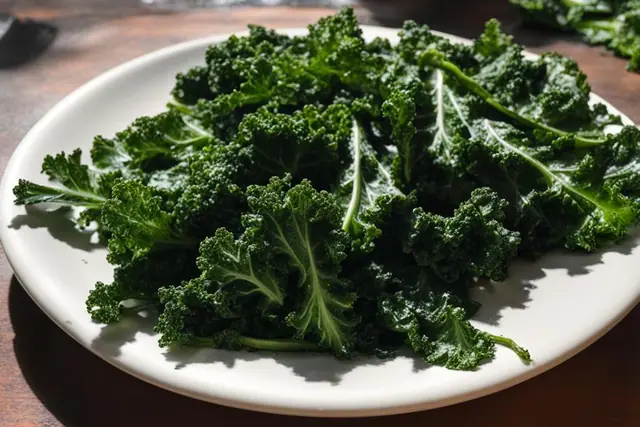
Fresh kale leaves should have a vibrant green color. Avoid any leaves that appear yellowish or brownish, as these are signs of spoilage. The greener the kale, the fresher it is.
Check for any damage or wilting
Inspect the leaves carefully for any signs of damage or wilting. Avoid kale with torn or bruised leaves, as these indicate that the kale may not be fresh. Look for crisp, sturdy leaves that are free from blemishes.
Consider the size of the leaves
The size of the kale leaves can also be an indicator of freshness. Smaller leaves tend to be more tender and flavorful, while larger leaves can be slightly tougher. Choose the size that best suits your preferences and the dish you plan to make.
Inspect the stems
The stems of kale should be firm and strong. Avoid kale with limp or discolored stems, as these can be signs of deterioration. Opt for kale with sturdy stems that are a vibrant green color.
By following these simple tips, you can confidently select the freshest kale for your meals. Enjoy the delicious taste and health benefits of this nutritious leafy green!
Table
| Kale Variety | Appearance | Taste | Texture |
|---|---|---|---|
| Tuscan Kale | Dark green, flat leaves | Mild, slightly earthy | Tender |
| Curly Kale | Curly, ruffled leaves | Peppery, slightly bitter | Crunchy |
| Red Russian Kale | Flat, fringed leaves with purple veins | Mild, slightly sweet | Tender |
| Winterbor Kale | Curly, frilly leaves | Mild, slightly sweet | Crunchy |
| Premier Kale | Flat, broad leaves | Mild, slightly sweet | Tender |
Health Benefits of Eating Kale
Kale is a powerhouse vegetable that offers numerous health benefits. Incorporating kale into your diet can contribute to improved overall health and wellbeing. Here are some of the key reasons why you should consider eating kale:
Rich in Nutrients
Kale is packed with essential vitamins, minerals, and antioxidants. It is an excellent source of vitamin K, vitamin C, and vitamin A, which play vital roles in supporting bone health, boosting the immune system, and promoting healthy vision. Kale also provides significant amounts of folate, potassium, and calcium, among other nutrients.
High in Fiber
Adding kale to your meals can help you meet your daily fiber needs. Fiber is essential for maintaining a healthy digestive system and preventing constipation. It can also aid in weight management by promoting feelings of fullness and reducing calorie intake.
Supports Heart Health
Kale contains compounds that promote cardiovascular health. The high levels of antioxidants found in kale, such as flavonoids and carotenoids, help reduce inflammation and protect against oxidative stress, which can contribute to heart disease. Additionally, kale is a good source of potassium, which helps regulate blood pressure.
By incorporating kale into your diet, you can take advantage of its numerous health benefits, including its nutrient-rich profile, high fiber content, and support for heart health. So why not add this versatile and nutritious vegetable to your meals for a delicious boost to your overall wellbeing?
| Health Benefits of Eating Kale | |
|---|---|
| Vitamin K | Supports bone health and blood clotting. |
| Vitamin C | Boosts the immune system and promotes healthy skin. |
| Vitamin A | Supports vision health and cell growth. |
| Folate | Essential for cell function and DNA synthesis. |
| Potassium | Helps regulate blood pressure and fluid balance. |
| Calcium | Promotes strong bones and teeth. |
| Fiber | Supports digestive health and weight management. |
| Antioxidants | Reduces inflammation and protects against oxidative stress. |
| Heart Health | May reduce the risk of heart disease and lower blood pressure. |
How to Store Kale
Properly storing kale is essential to keep it fresh and maintain its nutritional value. Follow these kale storage tips to ensure your leafy greens stay crisp and flavorful:
- Remove any damaged or wilted leaves before storing kale. Discard any yellowed or brown spots as they can indicate spoilage.
- Rinse the kale thoroughly under cold water to remove any dirt or debris. Pat it dry with a clean kitchen towel or salad spinner.
- Moisten a piece of paper towel and wrap it around the kale leaves. This helps to preserve moisture and prevent wilting.
- Place the wrapped kale in an airtight container or sealable plastic bag. Ensure that the container or bag is tightly sealed to prevent exposure to air.
- Store the kale in the crisper drawer or a high humidity area of your fridge. The optimal temperature for storing kale is between 32°F (0°C) and 36°F (2°C).
By following these simple kale storage tips, you can extend the shelf life of your kale and enjoy fresh, vibrant greens in your meals. Remember to check for any signs of spoilage before consuming kale, and discard it if you notice any sliminess, off odor, or wilting.
Benefits of Proper Kale Storage
Properly storing kale not only helps to maintain its freshness, but it also preserves its nutritional value. Kale is packed with vitamins A, C, and K, as well as minerals like iron and calcium. By storing kale correctly, you can ensure that these nutrients remain intact and provide maximum health benefits.
| Nutrient | Benefit |
|---|---|
| Vitamin C | Boosts immune system and collagen production |
| Vitamin K | Supports bone health and blood clotting |
| Iron | Helps transport oxygen throughout the body |
| Calcium | Maintains strong bones and teeth |
By storing kale properly, you can enjoy its nutritional benefits and add a healthy dose of greens to your diet.
How to Tell if Kale Has Gone Bad
When it comes to kale, freshness is key for both taste and nutrition. Knowing how to determine if kale has gone bad is essential to avoid consuming spoiled greens. Here are some signs to look out for:
- Discoloration: If you notice any yellow or brown spots on the leaves of your kale, it is a clear indication that it has started to spoil.
- Texture: Fresh kale should have a crisp texture. If you find that the leaves have become slimy or wilted, it's a sign that the kale is no longer fresh.
- Odor: Bad kale often emits an unpleasant odor. If you detect any off smells coming from your kale, it's best to discard it.
It's important to note that consuming spoiled kale can lead to food poisoning as it may harbor harmful bacteria. To ensure food safety, it is recommended that you discard any kale that shows these signs of spoilage.
Remember, fresh kale should have vibrant green leaves and a crisp texture. By being aware of the signs of bad kale and practicing proper storage techniques, you can enjoy the nutritional benefits of this leafy green vegetable without any concerns.
Table: Signs of Spoiled Kale
| Signs of Spoiled Kale | Indicators |
|---|---|
| Discoloration | Yellow or brown spots on the leaves |
| Texture | Slime or wilting |
| Odor | Unpleasant smell |
Can You Eat Yellow Kale?
Yellow kale can still be consumed if it is not slimy, has no dark spots, and smells fresh. However, it may have a more bitter taste and tougher texture compared to fresh green kale. If you come across yellowed kale in your fridge, it's important to assess its condition before deciding whether to use it in your recipes.
To determine if yellow kale is suitable for consumption, start by examining its appearance. Look for any signs of sliminess, dark spots, or wilting. If the kale passes this visual inspection and still smells fresh, you can proceed with using it.
Before cooking or eating yellow kale, it's recommended to trim away any yellowed parts and focus on using the green portions. This will help reduce the bitterness and improve the overall taste. Keep in mind that the texture of yellow kale may be tougher compared to fresh green kale, so adjust your cooking time accordingly.
While it's generally safe to eat yellow kale if it meets the criteria mentioned above, it's important to trust your senses and use your own judgment. If you're unsure about the quality or safety of the yellowed kale, it's better to err on the side of caution and discard it.
| Can You Eat Yellow Kale? | Summary |
|---|---|
| Conditions | Yellow kale should not be slimy, have dark spots, or an unpleasant odor. |
| Taste and Texture | Yellow kale may have a more bitter taste and tougher texture compared to fresh green kale. |
| Preparation | Trim away yellowed parts and focus on using the green portions. Adjust cooking time accordingly. |
| Trust Your Senses | If unsure about the quality or safety, it's better to discard yellowed kale. |
Conclusion
Yellow kale can still be consumed if it meets certain criteria, such as not being slimy, having no dark spots, and smelling fresh. However, it may have a more bitter taste and tougher texture. By assessing its condition, trimming away any yellowed parts, and using your own judgment, you can determine if yellow kale is suitable for consumption. If in doubt, it's best to discard it to ensure food safety.
Conclusion
In conclusion, knowing how to tell if kale is bad is essential for maintaining food safety and enjoying the full nutritional benefits of this leafy green vegetable. By following proper storage techniques and identifying signs of spoilage, you can ensure that the kale you consume is fresh and free from harmful bacteria.
Remember, signs of bad kale include a slimy texture, yellow or brown spots on the leaves, wilting, and an unpleasant odor. If you notice any of these signs, it's best to discard the kale to avoid any potential health risks.
To keep kale fresh, store it in an airtight container or plastic bag in the refrigerator, preferably in the crisper drawer or a high humidity area. Avoid washing kale until you're ready to use it to maintain its freshness.
Incorporating kale into your diet can provide numerous health benefits, including supporting digestion, immunity, and bone health. So keep an eye on your kale, and enjoy this nutritious powerhouse in your meals!
Source Links
- https://cookingchew.com/kale-is-bad.html
- https://ginabnutrition.com/veganism/how-to-tell-if-kale-is-bad-a-complete-guide-to-keeping-your-kale-fresh-and-tasty-for-optimal-health/
- https://mayeightyfive.com/how-long-does-kale-last-and-how-to-tell-if-its-gone-bad/
Frequently asked questions
- How long does kale last in the fridge?
Kale can last in the fridge for about 5 to 7 days if stored properly.
- What are the signs of bad kale?
Signs of bad kale include a slimy texture, yellow or brown spots on the leaves, wilting, and an unpleasant odor.
- Is it safe to eat bad kale?
No, it is not safe to eat bad kale as it can be contaminated with harmful bacteria that can cause food poisoning.
- How do I keep kale fresh in the fridge?
To keep kale fresh, wash and dry it thoroughly before storing it in an airtight container or plastic bag. Store it in the crisper drawer of the fridge.
- How do I revive old kale?
You can revive slightly wilted kale by submerging it in ice water or massaging it with olive oil. Slightly old kale can still be used in cooked dishes.
- Are there any common concerns about kale?
Yes, common concerns about kale include the smell, raw consumption, digestion, and potential health issues.
- What are the different types of kale?
Kale comes in various varieties, including Tuscan kale, curly kale, Red Russian kale, Winterbor kale, and Premier kale.
- How do I pick out fresh kale?
Look for vibrant green color, check for any damage or wilting, consider the size of the leaves, and inspect the stems. Organic kale is recommended when possible.
- What are the health benefits of eating kale?
Kale is a highly nutritious vegetable packed with fiber, vitamins C and K, and other essential nutrients. It supports digestion, immunity, and bone health.
- How do I store kale properly?
Remove any damaged leaves, rinse the leaves, and store them in an airtight container or plastic bag in the fridge. Moistening paper towels and wrapping the kale helps maintain freshness.
- How do I tell if kale has gone bad?
Signs of bad kale include discoloration, sliminess, off odor, and wilting. If you notice any of these signs, discard the kale.
- Can I eat yellow kale?
You can still consume yellow kale if it is not slimy, has no dark spots, and smells fresh. However, it may have a more bitter taste and tougher texture. Cut away any yellowed parts and use the green parts.
AprilCook, recipe developer and the heart of Chefwiz. More about April