Guide
Spotting Spoiled Citrus: How to Tell if Limes Are Bad
Don't let bad limes ruin your drink! Master the signs of citrus gone wrong. Learn how to tell if limes are bad using our quick, helpful guide.
 By April15 min read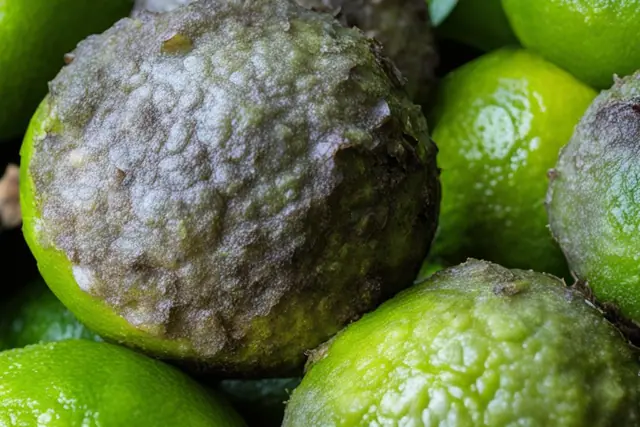
In this guide
Limes are a versatile ingredient in the kitchen, but it's important to know how to identify when they have gone bad. Signs of bad limes include an astringent flavor, discolored skin, and less juice. Fresh limes should be firm, heavy for their size, and have a pleasant citrus aroma. Look for signs of mold, soft spots, dry flesh, and a strong acrid smell to determine if your limes are spoiled. Fresh limes can be stored in the refrigerator for up to 4 weeks.
https://www.youtube.com/watch?v=2qfLcNUh8-E
Signs of Bad Limes: Mold and Discoloration
When it comes to identifying spoiled limes, one of the key signs to look out for is the presence of mold. Mold can be found on the outer skin of the lime, appearing as white, green, dark brown, or black fuzz. It can also develop inside the lime, so it's important to cut it open and check for any moldy areas.
In addition to mold, discoloration is another indicator of spoilage in limes. Fresh limes should have a vibrant green skin, but if you notice dark gouges, brown spots, or a browning of the flesh, it's a clear indication that the lime is no longer fresh and should be discarded.
To help you visualize the signs of bad limes, take a look at the table below:
| Signs of Bad Limes | Description |
|---|---|
| Mold | White, green, dark brown, or black fuzz on the skin or inside the lime |
| Discoloration | Dark gouges, brown spots, or browning of the flesh |
By being aware of these signs, you can easily determine if your limes have gone bad and avoid using spoiled fruit in your recipes. Remember, fresh limes should have a bright green color and no mold or discoloration.
References:
- "How to Tell if Limes Are Bad: 4 Signs of Spoilage." FoodQualityandsafety.com, Accessed July 21, 2022, www.foodqualityandsafety.com/article/how-to-tell-if-limes-are-bad-4-signs-of-spoilage/.
- "How to Tell If Limes Have Gone Bad." The Spruce Eats, Accessed July 21, 2022, www.thespruceeats.com/how-to-tell-if-limes-have-gone-bad-4770262.
Signs of Bad Limes: Soft Spots and Dry Flesh
When it comes to identifying spoiled limes, two common signs to look out for are soft spots and dry flesh. Soft spots are areas on the lime that feel mushy or have a different texture compared to the rest of the fruit. These spots can range in color from yellow to brown or even black. If you spot any soft spots on your lime, it's a clear indication that it's past its prime and should be discarded.
In addition to soft spots, dry flesh is another telltale sign of a bad lime. When you cut open a fresh lime, the flesh should be juicy and moist. However, if you find that the flesh is dry, gummy, or has pulled away from the skin, it's an indication that the lime is no longer fresh. Dry flesh can affect the taste and quality of your dishes, so it's best to avoid using limes with this characteristic.
Remember to always inspect your limes for soft spots and dry flesh before using them in your recipes. By doing so, you can ensure that you're using fresh limes and enhance the flavors of your dishes.
Table: Comparing Signs of Spoilage in Limes
| Signs of Spoilage | Description |
|---|---|
| Mold | Presence of white, green, dark brown, or black fuzz on the lime's skin |
| Discoloration | Dark gouges, brown spots, or browning of the flesh |
| Soft Spots | Mushy areas on the lime that may be yellow, brown, or black |
| Dry Flesh | Flesh that is dry, gummy, or has pulled away from the skin |
| Unusual Odor | Strong acrid or ammonia-like smell |
As shown in the table above, soft spots and dry flesh are important indicators of spoilage in limes. By familiarizing yourself with these signs, you can ensure that you're using fresh limes in your cooking and avoid any undesirable flavors or textures.
Signs of Bad Limes: Odor
When it comes to determining if limes have gone bad, one important sign to pay attention to is their odor. Fresh limes should have a delightful citrus aroma, but if you detect a strong acrid or ammonia-like smell, it is a clear indication that the lime is no longer good and should not be consumed. This applies whether you plan to use the lime in cooking or for juicing.
It's important to note that even if you are using the lime in a recipe where the taste will be masked by other ingredients, the odor can still impact the overall flavor and enjoyment of the dish. Therefore, it is best to avoid using limes with a bad smell to maintain the quality of your culinary creations.
To summarize, if your limes have a strong, unpleasant odor that deviates from the typical citrus smell, it is a clear sign that they are spoiled and should be discarded. Trust your sense of smell and opt for fresh, aromatic limes to ensure the best results in your cooking.
Table: Signs of Bad Limes - Odor
| Signs of Bad Limes | Odor |
|---|---|
| Good Limes | Fresh, pleasant citrus aroma |
| Bad Limes | Strong acrid or ammonia-like smell |
Storing Fresh Limes
When it comes to storing fresh limes, the right conditions can help extend their shelf life and maintain their freshness. Proper storage methods are essential for preserving the flavor and texture of limes. Let's take a look at some tips on how to store limes to ensure they stay fresh for as long as possible.
Refrigerator Storage
The best place to store fresh limes is in the refrigerator. Place the limes in a sealed bag or airtight container to prevent moisture loss and exposure to other odors. Make sure to store them in the crisper or vegetable drawer, as this area tends to have a more stable temperature and higher humidity, which helps preserve the limes' freshness. Refrigeration can keep limes fresh for up to 4 weeks, allowing you ample time to use them in your culinary creations.
Room Temperature Storage
If you plan on using your limes within a week, you can also store them at room temperature. However, keep in mind that limes stored at room temperature tend to spoil faster than those stored in the refrigerator. To maximize their shelf life at room temperature, place the limes in a fruit bowl on your counter away from direct sunlight and heat sources. Remember to consume them within a week to ensure optimal flavor and quality.
Storing Cut Limes
If you have leftover cut limes, it's important to store them properly to prevent them from drying out. Wrap the cut limes tightly in plastic wrap or place them in a Ziplock bag before storing them in the refrigerator. This helps maintain their moisture content and prevents them from absorbing odors from other foods. Cut limes can stay fresh for up to 5 days when stored following these guidelines.
| Storage Method | Shelf Life |
|---|---|
| Refrigerator | Up to 4 weeks |
| Room Temperature | Up to 1 week |
| Cut Limes (Refrigerated) | Up to 5 days |
By storing your limes properly, you can ensure that they stay fresh and ready to use whenever you need them. Whether you choose to refrigerate them or keep them at room temperature, following these storage guidelines will help preserve their flavor and maximize their shelf life.
Many people wonder how long limes can be stored in the refrigerator before they go bad. The good news is that limes have a relatively long shelf life when properly stored. When kept in an airtight bag or container, fresh limes can stay fresh for about 3 to 4 weeks. This means that you can enjoy their tangy flavor and use them in various recipes for quite some time.
Storing limes in the fridge is essential for maintaining their freshness and preventing spoilage. The cold temperature of the refrigerator slows down the ripening process, preserving the quality of the limes for an extended period.
Whether you plan to use your limes for cooking, baking, or making refreshing drinks, keeping them in the fridge is the best way to ensure they stay fresh for as long as possible.
More Produce Guides: How to Tell if Lemon Has Gone Bad
Greetings! In this section, I'll be sharing some insights on how to determine if a lemon has gone bad. Just like limes, lemons are a popular citrus fruit used in various recipes, and it's critical to ensure their freshness for optimal flavor. Let's dive in!
When assessing the condition of a lemon, there are a few key signs to look out for. First, pay attention to the skin. Fresh lemons should have a vibrant yellow color and a smooth texture. Any discoloration, such as dark spots or a dull appearance, can indicate spoilage. Additionally, if you notice any mold or growth on the skin, it's a telltale sign that the lemon is no longer fresh.
Another factor to consider is the lemon's aroma. A fresh lemon will have a bright, citrusy scent that is unmistakable. However, if you detect an off-putting or sour odor, it's an indication that the lemon has started to spoil. Trust your nose on this one!
In summary, when assessing the freshness of a lemon, examine its appearance, smell, and trust your senses. Avoid using lemons that have mold, discoloration, or unpleasant odors. By selecting fresh lemons, you'll enhance the flavor of your culinary creations and guarantee a delightful citrusy experience. Remember, freshness is key!
More Produce Guides: How to Tell if Strawberries Are Bad
Strawberries are a delicious and versatile fruit, but it's important to know how to identify when they have gone bad. Signs of spoiled strawberries include mold, mushy texture, and an unpleasant odor. To ensure you are using fresh strawberries in your recipes, here are some key indicators to look out for:
Signs of Mold
Mold growth on strawberries is a clear sign of spoilage. Mold can appear as fuzzy white, green, or blue patches on the surface of the berry. Avoid consuming strawberries with mold, as it can cause illness. It is recommended to discard any strawberries that show signs of mold.
Mushy Texture
When strawberries start to spoil, they become soft and mushy. Gently press on the berry to check for firmness. If it feels squishy or leaves indentations, it is a sign that the strawberry is past its prime. Fresh strawberries should have a firm texture, indicating their freshness and quality.
Unpleasant Odor
Fresh strawberries have a sweet and fragrant aroma. However, if you notice a strong, unpleasant odor coming from the strawberries, it is a clear indication that they have spoiled. Trust your sense of smell and avoid consuming strawberries with a foul smell.
By recognizing these signs of spoilage, you can ensure that you are using fresh and safe strawberries in your culinary creations. It is always recommended to inspect your strawberries before consuming them and to discard any that show signs of mold, mushiness, or an unpleasant odor. Enjoy the delicious taste of fresh strawberries by selecting only the best and ripest ones.
Conclusion
So, there you have it! Now you know how to tell if limes are bad and ensure that you're using fresh ones in your cooking. By keeping an eye out for signs of spoilage such as mold, discoloration, soft spots, and dry flesh, you can easily determine the quality of your limes. Remember, if a lime has a strong unpleasant odor, it's best to discard it.
Proper storage is also crucial in maintaining the freshness of your limes. Storing them in a sealed bag in the refrigerator can extend their shelf life for up to 4 weeks. Alternatively, if you plan on using them within a week, you can keep them at room temperature in a fruit bowl. And don't forget, if you have leftover cut limes, store them in the refrigerator in a Ziplock bag or tightly wrapped in plastic wrap.
If you ever find yourself with a surplus of limes, freezing them is a great option for long-term storage. While the texture may change slightly, frozen limes can still be used in recipes and for juicing.
By following these guidelines, you can confidently select, store, and use limes in your culinary adventures. So go ahead and add a zesty burst of citrus flavor to your dishes, knowing that you've got the freshest limes on hand!
Source Links
- https://thishealthytable.com/blog/lime-gone-bad/
- https://www.doesitgobad.com/do-limes-go-bad/
- https://trishdeseine.com/how-to-know-if-a-lime-is-bad/
Frequently asked questions
- Summary:
By storing limes in the refrigerator, you can extend their shelf life to 3 to 4 weeks. This allows you to have a steady supply of fresh limes for all your culinary needs. So, next time you buy a batch of limes, make sure to store them in the fridge to keep them fresh and flavorful.
FAQ: How Long Do Limes Keep in the Fridge? Storage Duration 3 to 4 weeks Storage Method Airtight bag or container in the fridge Benefits Preserves freshness, prevents spoilage - FAQ: Do You Need to Store Limes in the Fridge?
As a home chef, one of the questions you may have is whether limes need to be stored in the fridge. While limes can technically be stored at room temperature for up to a week, it is recommended to store them in the refrigerator to prolong their freshness. By refrigerating limes, you can extend their shelf life for up to four weeks. This is especially important if you don't plan on using them right away.
Refrigeration helps slow down the natural ripening process of limes and prevents them from spoiling too quickly. It reduces the risk of mold growth, soft spots, and dry flesh, ensuring that your limes remain fresh and ready to use whenever you need them.
To store limes in the fridge, place them in a sealed bag or airtight container to prevent them from drying out. If you have halved or sliced limes, wrap them tightly in plastic wrap or store them in a Ziplock bag. By following these simple storage tips, you can enjoy the tangy flavor and vibrant color of fresh limes in your favorite recipes.
Room Temperature Refrigerator Storage Duration Up to 1 week Up to 4 weeks Benefits - Convenient for immediate use
- Accessible on the counter- Prolongs freshness
- Reduces spoilageConsiderations - Risk of faster spoilage
- Potential for mold growth- Slower ripening process
- Longer shelf lifeSo whether you're squeezing some lime juice for a refreshing drink or adding a zesty kick to your favorite dishes, remember to store your limes in the refrigerator for optimal freshness. By doing so, you can always have limes on hand whenever you're in the mood for a burst of citrus flavor.
- FAQ: Are Limes with a Bad Smell Okay to Eat?
When it comes to determining the freshness of limes, one important factor to consider is the smell. While limes typically have a pleasant citrus aroma, a bad smell can be a clear indicator that they are no longer suitable for consumption. If you come across a lime with an acrid or sour odor, it's best to avoid eating it. The strong and unpleasant smell is a sign that the lime is past its prime and may have started to spoil.
It's important to trust your senses when it comes to assessing the quality of limes. If the smell of a lime is off-putting or unusual, it's best to err on the side of caution and discard it. Consuming limes with a bad smell can result in an unpleasant taste and potentially lead to digestive issues. So, to ensure a positive culinary experience, it's best to steer clear of limes that have a bad smell.
In summary, limes with a bad smell are not okay to eat. The strong, acrid, or sour odor is a clear indication that the lime is no longer fresh and should be discarded. Trust your senses and opt for fresh, aromatic limes to enhance the flavor of your dishes and drinks.
- FAQ: How Long Do Cut Limes Last?
When it comes to cut limes, their freshness can deteriorate relatively quickly compared to whole limes. To maximize the shelf life of cut limes, it's important to store them properly in the refrigerator.
Storing Cut Limes in the Refrigerator: Cut limes should be kept in an airtight container or a Ziplock bag to prevent them from drying out. This helps to maintain their juiciness and flavor for a longer period. By storing cut limes in the refrigerator, you can extend their freshness and ensure they remain usable for up to 5 days.
It's worth noting that the texture of the cut limes may change slightly after being refrigerated, but they can still be used in various recipes that call for freshly squeezed lime juice or as a garnish.
So, if you have leftover cut limes, remember to store them properly in the refrigerator to keep them fresh and ready for your next culinary creation.
- Table: Comparing Lime Storage Methods
Storage Method Shelf Life Whole Limes at Room Temperature Up to 1 week Whole Limes in the Refrigerator Up to 4 weeks Cut Limes in the Refrigerator Up to 5 days Frozen Limes Up to 6 months - FAQ: Can You Freeze Limes?
Yes, you can freeze limes for long-term storage. Freezing limes is a great way to preserve their freshness and ensure you always have this citrus fruit on hand. When properly stored in the freezer, limes can last for up to 6 months, allowing you to enjoy their tangy flavor in your favorite recipes even when they are out of season.
To freeze limes, start by washing and drying them thoroughly. Cut the limes into wedges or slices, or leave them whole if you prefer. Place the cut or whole limes in an airtight container or a freezer bag, ensuring that they are well-sealed to prevent freezer burn.
When you're ready to use the frozen limes, simply remove them from the freezer and thaw them in the refrigerator. Thawed limes may have a slightly softer texture than fresh limes, so they are best suited for juicing or using in cooked dishes rather than for garnishes. Remember to use the thawed limes within a few days to ensure optimal flavor and quality.
So go ahead and freeze your limes to prolong their shelf life and enjoy the refreshing taste of citrus all year round.
- How can I tell if limes are bad?
Signs of bad limes include an astringent flavor, discolored skin, and less juice. Look for mold, soft spots, dry flesh, and a strong acrid smell as indicators of spoilage.
- What are the signs of mold and discoloration on limes?
Mold can appear as white, green, dark brown, or black fuzz on the skin or inside the lime. Discoloration may include dark gouges, brown spots, or a browning of the flesh.
- How can I identify soft spots and dry flesh on limes?
Rotten limes may have soft spots or wet pockmarked areas that are slightly darker in color. Dry flesh refers to lime flesh that is dry, gummy, or has pulled away from the skin.
- What kind of odor indicates that limes are bad?
Fresh limes have a pleasant citrus aroma. Any lime with a strong acrid or ammonia-like smell is not fresh and should not be consumed.
- How should I store fresh limes?
Fresh limes can be stored in the refrigerator for up to 4 weeks. Store them in a sealed bag in the crisper or vegetable drawer. Halved or sliced limes should be tightly wrapped in plastic wrap or stored in a Ziplock bag.
- How long do limes keep in the fridge?
Fresh limes can be stored in the refrigerator for up to 4 weeks.
- Do I need to store limes in the fridge?
While limes can be stored at room temperature for up to one week, it is recommended to store them in the refrigerator to prolong their freshness.
- Are limes with a bad smell okay to eat?
No, limes with an acrid or sour smell should not be eaten. Any unusual or unpleasant odor indicates spoilage.
- How long do cut limes last?
Cut limes will stay fresh for up to 5 days when stored in the refrigerator. Tightly wrap them in plastic wrap or store them in a Ziplock bag.
- Can you freeze limes?
Yes, you can freeze limes for up to 6 months. However, the texture of the flesh may change slightly, so they may not be ideal for garnishes but can still be used for juicing or in recipes.
- How to tell if a lemon has gone bad?
If you want to learn more about determining the freshness of other citrus fruits, such as lemons, you can refer to our guide on how to tell if a lemon has gone bad.
- How to tell if strawberries are bad?
If you are interested in learning how to identify spoiled strawberries, you can check out our guide on how to tell if strawberries are bad.
AprilCook, recipe developer and the heart of Chefwiz. More about April