Guide
How to Tell if Ginger is Bad: Preservation Guide
Discover the key indicators of spoiled ginger with our simple guide on how to tell if ginger is bad. Ensure your ginger stays fresh and flavorsome!
 By April18 min read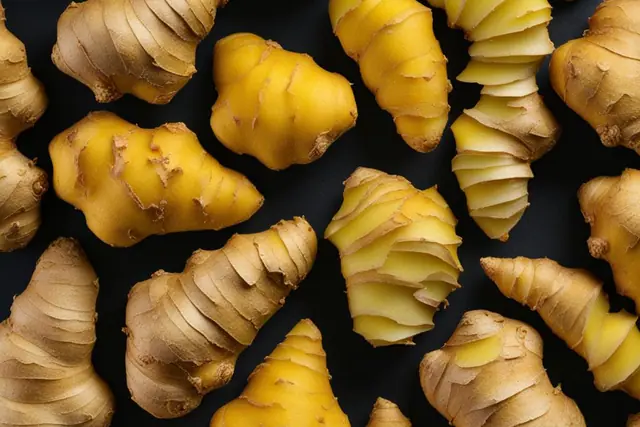
In this guide
- How Long Does Ginger Last?
- How to Tell if Fresh Ginger is Bad
- Can Old Ginger Make You Sick?
- Does Ground Ginger Expire?
- How to Store Fresh Ginger in the Fridge
- How to Freeze Ginger
- Fresh vs Dried Ginger
- How Much Dried Ginger Equals Fresh
- Ginger Recipes: Adding Spice to Your Culinary Creations
- How to Store Ginger
- Can Ginger Be Stored at Room Temperature?
- How Long Does Raw Ginger Last?
- Conclusion
- Source Links
- FAQ
Ginger is a versatile and flavorful ingredient commonly used in cooking and baking. However, like any perishable food item, ginger can go bad if not stored properly. In this guide, I will show you how to identify bad ginger and provide tips on preserving its freshness for longer.
When it comes to determining if ginger is still good to use, there are a few key indicators to look out for. Fresh ginger should be firm to the touch, not soft or mushy. It should also be unwrinkled and free from mold. Additionally, the inside of the ginger should be bright yellow.
If you notice that the ginger is soft, has a mushy texture, is dark yellow or brown, or contains mold, it is spoiled and should not be consumed. Spoiled ginger can contain a toxin called Safrole, which can be harmful to the liver.
Ground ginger, on the other hand, may not necessarily go bad, but it can lose potency in flavor over time. So, it's important to keep an eye on its freshness as well.
How Long Does Ginger Last?
Ginger is a versatile and flavorful root that adds a unique taste to a variety of dishes. To ensure that your ginger is fresh and of high quality, it is important to understand its shelf life and the best storage methods. Here's a guide on how long ginger lasts and how to maintain its freshness.
Storing Fresh Ginger:
When stored properly, fresh ginger can last for several weeks. The best way to store unpeeled ginger is in the refrigerator. Simply place the ginger in a resealable bag, removing as much air as possible before sealing it. The cold temperature of the refrigerator will help to preserve its freshness and prevent mold growth. Peeled or cut ginger should also be stored in the refrigerator, but it will only last for about a week.
Freezing Ginger:
If you want to extend the shelf life of ginger even further, freezing is a great option. Fresh, unpeeled ginger can be placed in a freezer bag, removing as much air as possible before sealing it. You can store it in the freezer for up to three months. The texture of frozen ginger may change slightly, but it will still be suitable for cooking and using in recipes. The freezing process does not require thawing, so you can conveniently grate or chop the frozen ginger directly into your dishes.
Shelf Life of Ground Ginger:
Ground ginger, which is commonly used as a spice, has a longer shelf life compared to fresh ginger. When stored in an airtight container in a cool, dark place such as your pantry, ground ginger can last for up to two years. However, over time, the flavor and potency of ground ginger may diminish. To ensure the best flavor, it is recommended to replace ground ginger after one year.
| Ginger Type | Storage Method | Shelf Life |
|---|---|---|
| Fresh, unpeeled ginger | Refrigerator | Several weeks |
| Peeled or cut ginger | Refrigerator | About a week |
| Fresh, unpeeled ginger | Freezer | Up to three months |
| Ground ginger | Pantry | Up to two years |
Knowing how long ginger lasts and how to store it properly will help you make the most of this aromatic ingredient. Whether you prefer the fresh, zingy flavor of unpeeled ginger or the convenience of ground ginger, you can enjoy its distinctive taste in your favorite recipes for months or even years to come.
How to Tell if Fresh Ginger is Bad
When it comes to fresh ginger, knowing how to identify signs of spoilage is crucial. By paying attention to its color, texture, and the presence of mold, you can determine if your ginger has gone bad. Here are a few key indicators to look out for:
- Texture: Fresh ginger should be somewhat firm to the touch. If it feels soft and mushy, it is a clear sign that it has gone bad and should no longer be consumed.
- Color: The color of fresh ginger can also provide clues about its freshness. Ideally, it should be bright yellow inside. If you notice that it has started to turn dark yellow, brown, or has gray rings inside, it is no longer fresh and should be discarded.
- Mold: Another telltale sign of spoiled ginger is the presence of mold on its skin. If you notice any mold growth, it indicates improper storage and the ginger should not be consumed.
By inspecting the texture, color, and presence of mold on fresh ginger, you can easily determine if it has gone bad. If your ginger exhibits any of these signs, it is best to discard it and use fresh, high-quality ginger for your culinary creations.
https://www.youtube.com/watch?v=06rkzdf6N-4
Table: How to Tell if Fresh Ginger is Bad
| Indicator | Signs of Bad Ginger |
|---|---|
| Texture | Soft and mushy |
| Color | Dark yellow, brown, or gray rings |
| Mold | Visible mold on the skin |
Can Old Ginger Make You Sick?
Ginger is a versatile and flavorful spice that adds a distinct taste to many dishes. However, like any food product, it can spoil over time. This raises the question: can old ginger make you sick? The answer is yes, consuming old or spoiled ginger can potentially be harmful to your health.
One of the reasons why old ginger can make you sick is because it may contain a toxin called Safrole. Safrole is a natural compound found in ginger and other spices, but it can be harmful to the liver when consumed in large quantities. As ginger ages, the Safrole levels can increase, making it risky to consume.
It's important to note that while old ginger may carry a higher risk of containing Safrole, it doesn't mean that every old piece of ginger will be toxic. However, to err on the side of caution, it is best to avoid consuming ginger that is old, spoiled, or shows signs of decay.
| Signs of Spoiled Ginger | What to Do |
|---|---|
| Soft or mushy texture | Discard it |
| Dark yellow or brown color | Avoid consuming |
| Mold on the surface | Do not consume |
If you come across old ginger that exhibits any of these signs, it is best to play it safe and throw it away. Your health is paramount, and consuming spoiled ginger can potentially lead to illness or liver damage.
Does Ground Ginger Expire?
Ground ginger is a popular spice known for adding a warm, aromatic flavor to various dishes. But like all spices, it's important to know if ground ginger can expire and how it can affect its flavor and aroma.
While ground ginger does not technically expire, it can lose its potency over time. The flavor and aroma may become weaker, resulting in a less impactful taste when used in recipes. So, even though ground ginger may still be safe to consume after a long period, its flavor may not be as vibrant as when it was fresh.
If you find that the scent or flavor of your ground ginger is weak, it may be an indication that it's time to replace it. Freshness is key to getting the best flavor from your spices, including ground ginger.
So, how can you ensure that your ground ginger stays fresh for as long as possible? One way is to store it properly. It's recommended to keep ground ginger in an airtight container, away from moisture, heat, and direct sunlight. This can help preserve its flavor and aroma for a longer period.
Although ground ginger may not have a specific expiration date, it's still a good idea to check the packaging for any recommended "best by" dates. This can give you a general idea of how long the ground ginger should maintain its quality.
Tips for Storing Ground Ginger:
- Keep in an airtight container
- Away from moisture, heat, and direct sunlight
- Check packaging for recommended "best by" dates
By following these storage tips and being mindful of its freshness, you can continue to enjoy the full flavor and aroma of ground ginger in your culinary creations.
How to Store Fresh Ginger in the Fridge
Proper storage is essential to maintain the freshness and quality of fresh ginger. By following the right techniques, you can ensure that your ginger stays firm, flavorful, and ready to use for an extended period. Storing fresh ginger in the fridge is one of the best ways to preserve its shelf life and keep it in optimal condition.
To store fresh ginger in the fridge:
- Start by selecting firm and unblemished ginger roots. Avoid any pieces that are soft, wrinkled, or show signs of mold.
- Place the ginger in a large freezer bag and remove as much air as possible before sealing. This helps to prevent moisture and air exposure, which can lead to spoilage.
- Store the bag of ginger in the crisper drawer of your refrigerator. The cool temperature helps to slow down the natural aging process and extends the shelf life of the ginger.
- Remember to check the ginger periodically for any signs of spoilage, such as mold or a foul odor. Discard any ginger that appears to be spoiled.
By storing fresh ginger in the fridge, you can enjoy its vibrant flavor and aroma for up to one month. However, keep in mind that peeled and cut ginger will have a shorter lifespan in the refrigerator, typically lasting for about one week. To maximize the shelf life of fresh ginger, it is recommended to freeze it instead.
| Storage Method | Shelf Life |
|---|---|
| Refrigerator (unpeeled) | Up to one month |
| Refrigerator (peeled and cut) | Approximately one week |
| Freezer (unpeeled) | Up to three months |
Table: Shelf life of fresh ginger stored in different ways.
So, the next time you're wondering how to store fresh ginger, remember to keep it in the fridge for optimal shelf life. Whether you're using it for stir-fries, marinades, or ginger-infused drinks, properly stored ginger will enhance the flavors of your dishes and add a delightful zing.
How to Freeze Ginger
Freezing ginger is a great way to extend its shelf life and have it readily available for future use. Here is a simple guide on how to freeze ginger effectively:
- Start by selecting fresh ginger root that is firm and free from any signs of spoilage.
- Wash the ginger root thoroughly under running water to remove any dirt or debris.
- Peel the ginger using a vegetable peeler or a spoon to gently remove the skin.
- Once peeled, you can choose to freeze the ginger in its whole form or slice it into smaller pieces, depending on your preference.
- Place the ginger in a resealable freezer bag, removing as much air as possible before sealing. Alternatively, you can wrap the ginger tightly in plastic wrap or aluminum foil.
- Label the bag or wrap with the date of freezing to keep track of its freshness.
- Store the ginger in the freezer, where it can last for up to three months.
When you're ready to use the frozen ginger, there's no need to thaw it beforehand. Frozen ginger can be easily grated, sliced, or chopped according to your recipe's requirements. The freezing process may slightly alter the texture of the ginger, making it softer, but it will still retain its flavor and aroma.
By freezing ginger, you can always have this versatile ingredient on hand, allowing you to enjoy its unique taste and health benefits whenever you want.
| Storage Method | Shelf Life |
|---|---|
| Freezer | Up to three months |
Fresh vs Dried Ginger
When it comes to ginger, both fresh and dried versions offer unique flavors and culinary possibilities. Understanding the differences between them can help you choose the right form for your recipes and ensure you make the most of this versatile ingredient.
Fresh Ginger
Fresh ginger is known for its pungent, zesty flavor and aromatic qualities. Its taste is more pronounced compared to dried ginger, and it adds a distinct kick to dishes. Fresh ginger is commonly used in savory recipes, such as stir-fries, curries, and marinades, where its vibrant taste can shine. The texture of fresh ginger is firm, and the color is a bright yellow.
Dried Ginger
Dried ginger, also known as ground ginger, offers a subtly different flavor profile compared to its fresh counterpart. The drying process intensifies its sweetness and mellows out its pungency. Dried ginger is often used in baking, where it adds warmth and depth to cakes, cookies, and bread. It is also a key ingredient in spiced drinks like ginger tea or chai. Dried ginger has a longer shelf life compared to fresh ginger, lasting up to two years when stored properly.
Summary
Both fresh and dried ginger have their own unique qualities and are suitable for different culinary applications. Fresh ginger offers a bold, zesty flavor and is ideal for savory dishes, while dried ginger provides a sweeter, mellow taste and is commonly used in baking and spiced beverages. By understanding the differences between the two, you can choose the right form of ginger to enhance your recipes and create delicious meals.
How Much Dried Ginger Equals Fresh
When it comes to cooking with ginger, it's essential to know the correct measurement of dried ginger to use when a recipe calls for fresh ginger. The intensity of flavor can vary between the two forms, so finding the right balance is crucial. As a general guideline, 1 tablespoon of fresh ginger root is equivalent to ¼ - ½ teaspoon of dried ginger.
While it may seem like a small amount, dried ginger is more concentrated in flavor compared to fresh ginger. This means that you need less dried ginger to achieve a similar taste. However, it's important to note that the exact measurement may vary depending on personal preference and the specific recipe you are following.
To ensure the best results, start with the lower end of the measurement range and adjust according to your taste preferences. Remember, it's always better to start with less ginger and gradually add more if needed, rather than overpowering the dish with a strong ginger flavor.
| Measurement: | Dried Ginger: |
|---|---|
| 1 tablespoon | ¼ - ½ teaspoon |
Ginger Recipes: Adding Spice to Your Culinary Creations
Ginger is a versatile ingredient that adds a unique and distinctive flavor to a wide range of dishes. Whether you're a cooking enthusiast or a baking aficionado, incorporating ginger into your recipes can elevate the taste and bring a touch of warmth to your culinary creations.
From savory Asian stir-fries to deliciously spiced baked goods, ginger can be used in various ways to enhance the flavors of your favorite dishes. Its pungent and slightly sweet taste adds depth and complexity, making it a staple ingredient in many cuisines around the world.
Looking for inspiration? Here are a few ginger-infused recipes to tantalize your taste buds:
Ginger Soy Glazed Salmon
This mouthwatering recipe combines the tender flakiness of salmon with a sweet and tangy ginger soy glaze. The ginger adds a zesty kick that perfectly complements the richness of the fish. Serve it with steamed vegetables and rice for a complete and satisfying meal.
Orange Ginger Carrot Cake
If you have a sweet tooth, this moist and flavorful carrot cake is a must-try. The combination of fresh carrots, warm spices, and a hint of ginger creates a delightful harmony of flavors. Top it off with a tangy cream cheese frosting for the ultimate indulgence.
Spicy Ginger Noodles
This quick and easy stir-fry recipe is perfect for busy weeknights. The chewy noodles are tossed in a fiery ginger sauce that will awaken your taste buds. Customize it with your favorite vegetables and proteins for a satisfying meal that's packed with flavor.
So, whether you're cooking up a storm or satisfying your sweet tooth, ginger is an ingredient that can take your recipes to the next level. Experiment with different combinations and let the spicy warmth of ginger add a dash of excitement to your culinary adventures.
How to Store Ginger
Ginger is a versatile and aromatic spice that adds a unique flavor to dishes. To ensure the freshness and longevity of ginger, proper storage is essential. Whether you prefer to store ginger at room temperature, in the refrigerator, or in the freezer, here are some guidelines to help you keep your ginger fresh and flavorful.
Storing Ginger at Room Temperature
If you plan to use your ginger within a week, storing it at room temperature is a convenient option. Simply place the whole, unpeeled ginger in a cool and dry area, away from direct sunlight. Remember to choose a spot with good air circulation to prevent moisture buildup. Keep in mind that room temperature storage is suitable for short-term use only.
Storing Ginger in the Refrigerator
If you want your ginger to last longer, storing it in the refrigerator is recommended. Start by placing the unpeeled or peeled ginger in a resealable bag or an airtight container. Squeeze out as much air as possible before sealing to prevent moisture and spoilage. Your ginger can stay fresh in the refrigerator for up to a month, making it a convenient option for regular use.
Storing Ginger in the Freezer
To prolong the shelf life of ginger even further, freezing is the best method. Begin by preparing the ginger - you can either leave it whole or peel and chop it into smaller pieces. Then, place the ginger in a dry, freezer-safe bag and seal tightly, ensuring there is minimal air inside. Frozen ginger can last several months in the freezer, making it a handy option for long-term storage.
By following these storage tips, you can enjoy the fresh flavors of ginger whenever you need it. Whether you opt for room temperature, refrigerator, or freezer storage, proper storage helps preserve the taste and aroma of this delightful spice.
Can Ginger Be Stored at Room Temperature?
When it comes to storing ginger, many people wonder if it can be kept at room temperature. The answer is yes, but with some considerations. Whole, unpeeled ginger can be stored at room temperature on the countertop or in the pantry for up to a week. This is a convenient option if you use ginger frequently and want easy access to it while cooking or preparing meals.
To ensure the ginger stays fresh and protected from moisture, it's best to wrap it in a paper towel and place it in a breathable container, such as a mesh bag or a perforated plastic bag. This allows for proper air circulation and helps prevent the ginger from becoming too moist or developing mold.
However, if you live in a warm and humid climate, it's best to store ginger in the refrigerator to extend its shelf life. The cooler temperature helps slow down the natural spoilage process, keeping the ginger fresh for longer. Additionally, peeled or cut ginger should be wrapped in aluminum foil and placed in a plastic container to prevent spoilage and maintain its quality.
Benefits of Storing Ginger at Room Temperature
Storing ginger at room temperature offers a few benefits. First, it allows the ginger to continue ripening and developing its flavors. This can enhance the taste and aroma of the ginger, making it more enjoyable to use in your recipes. Additionally, room temperature storage keeps the ginger easily accessible, eliminating the need to dig through the refrigerator or freezer whenever you need some ginger for your culinary creations.
However, it's important to keep in mind that storing ginger at room temperature limits its shelf life. If you don't use ginger frequently or want to extend its freshness, refrigeration or freezing is recommended. By understanding how to store ginger properly, you can ensure that your supply of this versatile spice stays fresh and flavorful, ready to enhance your dishes with its unique pungency and warmth.
How Long Does Raw Ginger Last?
When it comes to the shelf life of raw ginger, various factors come into play. The storage method and conditions can significantly affect how long ginger stays fresh and flavorful. Let's take a closer look at the different storage options and the corresponding expiry periods for raw ginger.
If stored at room temperature, unpeeled raw ginger can last for about one week. However, to ensure maximum freshness and prolong its shelf life, it is recommended to store ginger in the refrigerator. When stored in the refrigerator, raw ginger can maintain its quality for up to one month. This method helps to preserve its firm texture and vibrant flavor.
For an even longer shelf life, consider freezing raw ginger. By placing the ginger in a suitable freezer-safe bag, you can keep it fresh for around 5 to 6 months in the freezer. Freezing ginger not only extends its lifespan but also makes it convenient to have on hand whenever you need it for your favorite recipes.
| Storage Method | Shelf Life |
|---|---|
| Room Temperature | 1 week |
| Refrigerator | 1 month |
| Freezer | 5-6 months |
It's important to note that while raw ginger may still be safe to consume beyond the indicated shelf life, its quality and flavor may start to deteriorate. So, for the best culinary experience, it's recommended to use ginger within the specified timeframes. Now that you know how long raw ginger lasts, you can plan your storage accordingly to enjoy its delightful taste in your recipes!
Conclusion
In conclusion, proper storage is crucial to maintain the freshness and flavor of ginger. When determining if ginger is bad, remember to check for firmness, a bright yellow color, and the absence of mold. Spoiled ginger should never be consumed as it contains a harmful toxin called Safrole that can damage the liver.
For longer shelf life, fresh ginger can be stored in the refrigerator or freezer. Unpeeled ginger can last up to one month in the refrigerator, while freezing can extend its freshness for up to three months. Ground ginger, although not prone to spoilage, may lose its potency over time.
By following these storage guidelines, you can enjoy the benefits of fresh ginger in your recipes while avoiding the consumption of spoiled ginger. Remember to regularly check the freshness of your ginger to ensure the best culinary experience.
Source Links
- https://www.caiteyjay.com/how-to-tell-if-ginger-is-bad/
- https://www.insider.com/guides/kitchen/how-to-store-ginger
- https://listonic.com/how-to-store-ginger/
Frequently asked questions
- How can I tell if ginger is bad?
Ginger should be firm to touch, unwrinkled, free from mold, and bright yellow inside. If it is soft, mushy, dark yellow or brown, or has mold, it is spoiled and should not be consumed.
- Can old ginger make you sick?
Yes, old or spoiled ginger should not be eaten as it contains a toxin called Safrole that can cause serious harm to the liver.
- Does ground ginger expire?
Ground ginger may not go bad but can lose potency in flavor over time. If the scent or flavor is weak, it is time to replace it.
- How should I store fresh ginger in the fridge?
Fresh ginger can be stored in the fridge by placing it in a large freezer bag and removing as much air as possible before sealing. It can be stored in the crisper drawer for up to one month.
- How do I freeze ginger?
Fresh ginger can be frozen by placing it in a freezer bag and removing as much air as possible before sealing. It can be stored in the freezer for up to three months.
- What is the difference between fresh and dried ginger?
Fresh ginger is more pungent and sweet than dried ginger. Fresh ginger is commonly used in savory dishes, while dried ginger is used more often in baking and spiced drinks.
- How much dried ginger equals fresh ginger?
1 tablespoon of fresh ginger root is equivalent to ¼ - ½ teaspoon of dried ginger.
- What can I use ginger for?
Ginger is used in a variety of recipes, including spiced drinks, baked goods, and savory dishes from Asian and Indian cuisines. It adds a pungent, spicy, and warming flavor to dishes.
- How should I store ginger?
Whole, unpeeled ginger can be stored at room temperature for up to a week. Peeled or unpeeled ginger can be stored in the refrigerator in a resealable bag with the air squeezed out for up to a month. Fresh ginger can be frozen and last several months in the freezer.
- Can ginger be stored at room temperature?
Whole, unpeeled ginger can be stored at room temperature on the countertop or in the pantry for up to a week. Peeled or cut ginger should be wrapped in aluminum foil and placed in a plastic container to prevent spoilage.
- How long does raw ginger last?
Raw ginger can last for 1 week at room temperature, 1 month in the refrigerator, and 5-6 months in the freezer.
AprilCook, recipe developer and the heart of Chefwiz. More about April