Guide
Undeniably Spotting a Bad Eggplant: How to Tell if Eggplant is Bad
Unsure about your eggplant's freshness? Learn how to tell if eggplant is bad with these undeniable tips - don't let a bad aubergine ruin your meal!
 By April21 min read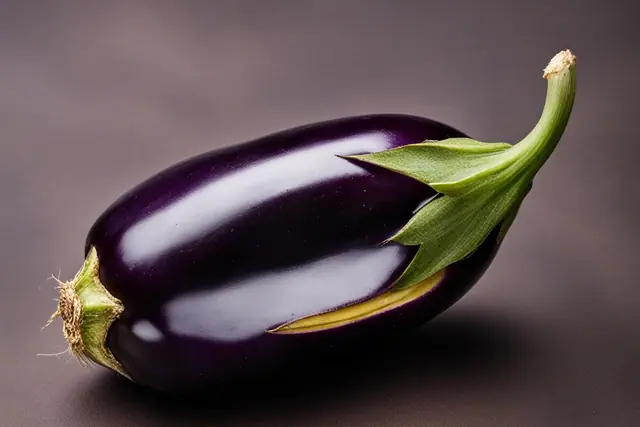
In this guide
- Signs of Spoilage: Visual Guide to Identifying a Bad Eggplant
- The Sniff Test: Detecting Odor in a Spoiled Eggplant
- A Taste for Spoilage: Evaluating the Flavor of an Eggplant
- Culinary Uses: Cooking with Fresh Eggplant
- Proper Storage for Longer Shelf Life
- Food Safety: Handling Eggplants with Care
- The Perks of Eggplant: Nutritional Value and Health Benefits
- Selecting Quality Eggplants: Tips for Grocery Shopping
- Expert Advice: Tips from a Chef on Evaluating Eggplants
- The Versatile Aubergine: Exploring Eggplant Varieties
- Bitterness and Beyond: Debunking Eggplant Myths
- The Eggplant's History: From Ancient Times to Modern Plates
- Checking the Eggplant Off Your Grocery List: Final Thoughts
- Conclusion
- Source Links
- FAQ
Eggplant, a versatile vegetable used in countless culinary creations, adds depth and flavor to a variety of dishes. But before you begin cooking, it's crucial to ensure that the eggplant you've chosen is fresh and free from spoilage. In this article, I'll share some tips on how to determine if an eggplant is bad based on its visual cues, texture, odor, and taste. By the end, you'll have the knowledge to confidently select the perfect eggplant for your next meal.
https://www.youtube.com/watch?v=RllU7RHM0T4
Signs of Spoilage: Visual Guide to Identifying a Bad Eggplant
When it comes to determining if an eggplant is bad, visual cues can be incredibly helpful. By examining the color and texture of the eggplant, you can quickly assess its freshness. A vibrant purple color is a good indicator of a fresh eggplant, while a dull or discolored appearance may suggest spoilage. Look for any brown spots or patches on the skin, as they can be a sign of decay.
The texture of an eggplant is another important visual clue. A fresh eggplant should feel firm and smooth to the touch. If you notice any soft or mushy spots, it is likely that the eggplant has gone bad and should be discarded.
To make it easier to visualize these signs of spoilage, refer to the table below:
| Signs of Spoilage | Indicators |
|---|---|
| Discoloration | Dull or discolored skin, brown spots or patches |
| Texture | Soft or mushy spots |
By following this visual guide, you can confidently determine if an eggplant is bad and avoid using spoiled produce in your culinary creations.
The Sniff Test: Detecting Odor in a Spoiled Eggplant
When it comes to assessing the freshness of an eggplant, one of the key indicators is its odor. Trusting your sense of smell can help you determine if the eggplant is spoiled or still good to use.
"A fresh eggplant should have a mild, earthy aroma."
A fresh eggplant typically emits a mild, earthy aroma. This pleasant smell indicates that the vegetable is still fresh and suitable for consumption. However, if you detect a strong or unpleasant odor coming from the eggplant, it is likely that it has spoiled.
When conducting the sniff test, pay close attention to any pungent or off smells. If the eggplant smells off or has a foul odor, it's best to err on the side of caution and discard it to avoid any potential health risks.
Remember, trusting your sense of smell is an important tool in determining the freshness of an eggplant. A mild, earthy aroma is a good sign, while a strong or unpleasant odor indicates spoilage.
| Odor | Indication |
|---|---|
| Mild, earthy aroma | Fresh and suitable for consumption |
| Strong or unpleasant odor | Likely spoiled and should be discarded |
A Taste for Spoilage: Evaluating the Flavor of an Eggplant
When it comes to determining the freshness of an eggplant, your taste buds can provide valuable insight. While visual cues, texture, and odor can give you a good indication of whether the eggplant is bad, evaluating its flavor adds another layer of assurance. Here are some tips on how to evaluate the taste of an eggplant:
- Take a small bite: While it's not always recommended, tasting a small piece of the eggplant can give you a definitive answer. A fresh eggplant should have a slightly bitter taste, which is expected due to its natural compounds. However, if the bitterness is overwhelming or if the eggplant has a foul taste, it is likely spoiled and should be discarded.
- Consider the texture: Along with taste, pay attention to the texture of the eggplant. A fresh eggplant should have a firm and crunchy texture, especially when raw. If the flesh feels mushy or slimy, it is a clear indication of spoilage.
- Be aware of excessive bitterness: While some level of bitterness is normal in eggplants, excessive bitterness can be a sign of poor quality. To mitigate bitterness, you can soak the sliced eggplant in salted water for a short period before cooking. This process helps to draw out some of the bitter compounds and improve the overall taste.
Overall, evaluating the flavor of an eggplant can help you determine its freshness and quality. By following these tips, you can ensure that the eggplant you use in your culinary creations is at its best. Remember to trust your taste buds and use your judgment in determining whether the eggplant is still suitable for consumption.
A Tasty Eggplant Recipe to Try:
If you have a fresh eggplant on hand and want to create a delicious dish, why not try this savory Eggplant Parmesan recipe:
"Slice the eggplant into rounds and sprinkle with salt to draw out excess moisture. Let it sit for about 30 minutes, then rinse and pat dry. Dip each slice in beaten egg, then coat with a mixture of breadcrumbs, grated Parmesan cheese, and Italian seasoning. Fry the coated slices in olive oil until golden brown, then transfer to a baking dish. Top each slice with marinara sauce and a generous amount of shredded mozzarella cheese. Bake in a preheated oven at 375°F (190°C) for about 20 minutes or until the cheese is melted and bubbly. Serve hot and enjoy!"
- Recipe provided by Chef Maria
With this flavorful recipe, you can showcase the taste and versatility of fresh eggplant in a classic Italian dish that will impress your family and friends. Enjoy!
Culinary Uses: Cooking with Fresh Eggplant
When it comes to culinary versatility, fresh eggplant is a true superstar. Its unique flavor and texture make it an ideal ingredient for a wide range of dishes. Whether you're grilling, roasting, stir-frying, or baking, eggplant can elevate your culinary creations to new heights. Here are some delicious ways to incorporate fresh eggplant into your cooking:
Eggplant Parmesan
This classic Italian dish is a crowd-pleaser. Layer slices of fresh eggplant with marinara sauce, mozzarella cheese, and Parmesan cheese. Bake it in the oven until the cheese is melted and bubbly. Serve it with a side of pasta for a satisfying meal that will impress your guests.
Ratatouille
Ratatouille is a hearty and flavorful vegetable stew that highlights the natural sweetness of fresh eggplant. Combine diced eggplant with other vegetables like zucchini, bell peppers, and tomatoes. Add herbs like thyme and rosemary for extra flavor. Simmer the mixture until all the vegetables are tender. Serve it as a side dish or as a main course with crusty bread.
Baba Ganoush
This Middle Eastern dip is made from roasted eggplant, tahini, garlic, lemon juice, and olive oil. It has a creamy and smoky flavor that pairs perfectly with pita bread or fresh vegetables. Simply roast the eggplant until it's soft and charred, then blend it with the other ingredients until smooth. Sprinkle with a drizzle of olive oil and some chopped herbs before serving.
Grilled Eggplant Sandwich
Grilling brings out the natural sweetness of fresh eggplant, making it a delicious option for sandwiches. Brush slices of eggplant with olive oil and sprinkle with salt and pepper. Grill them until tender and slightly charred. Layer the grilled eggplant with your favorite ingredients like fresh mozzarella, basil leaves, and sun-dried tomatoes. Serve it on toasted bread for a satisfying and flavorful sandwich.
These are just a few examples of the many culinary possibilities with fresh eggplant. Get creative in the kitchen and explore different recipes to make the most of this versatile vegetable. Experiment with different flavors and cooking methods to discover your own favorite ways to cook with fresh eggplant.
Proper Storage for Longer Shelf Life
When it comes to eggplants, proper storage is key to maintaining their freshness and prolonging their shelf life. By following these simple guidelines, you can ensure that your eggplants stay delicious and ready to use for an extended period of time.
Refrigeration: The Ideal Temperature
To keep your eggplants fresh, it is essential to store them in the refrigerator. The ideal temperature range for storing eggplants is between 40-45°F (4-7°C). This cool environment helps slow down the ripening process and prevents spoilage.
Protecting Moisture Levels
To prevent moisture loss, it is recommended to place your eggplants in a perforated plastic bag or wrap them in a damp cloth. This helps maintain their natural moisture content and prevents them from shriveling or drying out.
Optimal Shelf Life
Eggplants are perishable vegetables, and their shelf life can vary depending on various factors such as their freshness at the time of purchase. For optimal freshness and flavor, it is recommended to use your eggplants within 3-5 days of storage. This ensures that you enjoy the best texture and taste in your culinary creations.
By storing your eggplants properly in the refrigerator and following these guidelines, you can extend their shelf life and make the most out of this versatile vegetable.
| Storage Tip | Why |
|---|---|
| Refrigeration | Keeps eggplants fresh by slowing down the ripening process. |
| Perforated Plastic Bag or Damp Cloth | Retains moisture, preventing eggplants from drying out. |
| Use Within 3-5 Days | Ensures optimal freshness and flavor. |
Food Safety: Handling Eggplants with Care
When it comes to handling eggplants, food safety should always be a top priority. By following a few simple tips, you can ensure that you are handling eggplants with care and minimizing the risk of foodborne illnesses.
Washing and Cleaning
Start by thoroughly washing the eggplant under running water. This will help remove any dirt or contaminants that may be present on the skin. Use a clean brush or cloth to gently scrub the surface of the eggplant, paying extra attention to any grooves or crevices.
Prevention of Cross-Contamination
It's crucial to use clean utensils, cutting boards, and knives when preparing eggplants. Cross-contamination can occur when bacteria from one food item is transferred to another. To prevent this, designate specific tools for handling eggplants and clean them thoroughly before and after each use.
Discarding Spoiled Eggplants
"When in doubt, throw it out!"
If you come across an eggplant that shows signs of spoilage, such as discoloration, soft spots, or a foul odor, it's best to discard it. Consuming a spoiled eggplant can lead to food poisoning and other unpleasant symptoms.
By following these food safety tips, you can enjoy the freshness and deliciousness of eggplants without worrying about any potential risks. Handling eggplants with care is not only important for your health but also for the overall quality of your culinary creations.
| Food Safety Tips for Handling Eggplants |
|---|
| Thoroughly wash the eggplant under running water. |
| Use clean utensils, cutting boards, and knives to prevent cross-contamination. |
| Discard any eggplants that show signs of spoilage. |
The Perks of Eggplant: Nutritional Value and Health Benefits
Eggplants are not only delicious but also packed with essential nutrients that contribute to overall health and well-being. Incorporating eggplants into your diet can provide numerous benefits for your body. Here's a closer look at the nutritional value and health benefits of this versatile vegetable.
Nutritional Value of Eggplant
| Nutrients | Amount per 100g |
|---|---|
| Calories | 25 |
| Carbohydrates | 6g |
| Fiber | 2.5g |
| Protein | 1g |
| Fat | 0.2g |
| Vitamin C | 2.2mg |
| Vitamin K | 3.5mcg |
| Potassium | 230mg |
| Manganese | 0.2mg |
Note: The nutritional value may vary slightly depending on the variety and cooking method of the eggplant.
Eggplants are low in calories and fat, making them a great addition to a healthy diet. They are also a good source of dietary fiber, which aids in digestion and supports a healthy digestive system. Additionally, eggplants contain essential vitamins and minerals, such as vitamin C and potassium, which are important for maintaining overall health.
Health Benefits of Eggplant
- Heart Health: Eggplants contain phytonutrients called anthocyanins, which have been shown to help reduce the risk of heart disease. These compounds have antioxidant properties that can help protect your heart from damage caused by free radicals.
- Weight Management: With its low calorie and high fiber content, eggplant is a filling vegetable that can help you feel satisfied without consuming excess calories. Including eggplants in your meals can support weight management efforts and promote a healthy weight.
- Anti-Inflammatory Properties: The antioxidants found in eggplant, such as nasunin, have anti-inflammatory properties that can help reduce inflammation in the body. Chronic inflammation is linked to various health conditions, including heart disease and certain types of cancer.
- Blood Sugar Control: Eggplants have a low glycemic index, meaning they have a minimal impact on blood sugar levels. This makes them a suitable food choice for individuals with diabetes or those looking to maintain stable blood sugar levels.
Adding eggplants to your meals not only enhances the taste and variety of your dishes but also provides you with a range of health benefits. Whether you roast, grill, or bake them, eggplants can be a nutritious and flavorful addition to your culinary creations.
Selecting Quality Eggplants: Tips for Grocery Shopping
When it comes to grocery shopping for eggplants, freshness is key. Follow these tips to ensure you select the best quality eggplants for your culinary creations.
Choosing Fresh Produce
Start by examining the eggplant's appearance. Look for eggplants that have a firm texture and smooth, shiny skin. Avoid any with soft or mushy spots, wrinkled skin, or discoloration. Remember that size doesn't necessarily indicate quality, but smaller eggplants often have fewer seeds.
Inspecting for Freshness
In addition to appearance, give the eggplant a gentle squeeze to check for freshness. It should have a slight bounce back when pressed and should not feel too soft or mushy. Trust your nose as well – a fresh eggplant should have a mild, earthy aroma. If it smells off or pungent, it's best to choose another one.
Ensuring Quality Ingredient Selection
When selecting eggplants, it's important to consider their intended use. If you're planning to slice and grill them, choose eggplants that are more uniform in shape and size. For dishes that require softer texture, such as stews or dips, opt for slightly larger eggplants. By considering the recipe and your desired outcome, you can ensure a successful cooking experience.
By following these simple tips, you can confidently select high-quality eggplants during your grocery shopping trips. Remember, fresh and properly selected eggplants are the foundation for delicious and satisfying meals.
Expert Advice: Tips from a Chef on Evaluating Eggplants
As a chef with years of culinary experience, I wanted to share some valuable tips on evaluating eggplants for freshness and quality. When selecting an eggplant, be sure to look for vibrant color and firm texture. A healthy eggplant should have a deep purple hue and feel slightly firm to the touch. Avoid eggplants that have a dull or discolored appearance, as it may indicate spoilage.
In addition to visual cues, trust your senses when evaluating an eggplant. Take a moment to gently press the eggplant with your fingertips. It should bounce back slightly without feeling too soft or mushy. A fresh eggplant will have a mild earthy aroma, while a spoiled one may have an unpleasant odor.
If you're unsure about the quality of an eggplant, consider cutting a small piece and tasting it. A fresh eggplant should have a slightly bitter taste, but it should not be overwhelming or have a foul flavor. If the taste is off or excessively bitter, it's best to discard the eggplant and choose a fresh one.
By following these simple tips, you can confidently select the best eggplants for your culinary creations. Remember, freshness and quality are key when it comes to cooking with eggplants. Whether you're grilling, roasting, or incorporating them into a delicious recipe, a good eggplant can elevate the flavors of your dishes and impress your guests.
The Versatile Aubergine: Exploring Eggplant Varieties
Eggplants, also known as aubergines, come in a wide range of varieties, each with its own unique characteristics. While the most common eggplant variety is the deep purple one, there are also other intriguing options to explore. Let's take a closer look at some eggplant varieties and discover the diversity they bring to the culinary world.
Purple Eggplant
The purple eggplant, with its shiny skin and vibrant color, is the most popular variety. It has a mild flavor and a soft, creamy flesh that becomes tender when cooked. This variety is versatile and can be used in a wide range of dishes, from stews and curries to dips and appetizers.
White Eggplant
The white eggplant, also known as the ghost eggplant, stands out with its pale ivory color. It has a delicate flavor and a firm, slightly crunchy texture. This variety is often used in Mediterranean and Asian cuisines and is particularly well-suited for grilling, roasting, or stir-frying.
Striped Eggplant
The striped eggplant, also called the zebra eggplant, features striking purple and white stripes on its skin. It has a slightly sweeter flavor and a tender, creamy flesh. This variety is excellent for stuffing or slicing and grilling, as it retains its shape well during cooking.
Miniature Eggplant
If you're looking for a cute and compact option, consider the miniature eggplant variety. These tiny eggplants, often no bigger than a couple of inches long, come in various colors, including purple, white, and striped. Despite their small size, they pack a punch of flavor and can be used in a variety of dishes, such as stir-fries and kebabs.
| Variety | Color | Flavor | Texture |
|---|---|---|---|
| Purple Eggplant | Purple | Mild | Soft and creamy |
| White Eggplant | White | Delicate | Firm and slightly crunchy |
| Striped Eggplant | Striped (purple and white) | Slightly sweet | Tender and creamy |
| Miniature Eggplant | Purple, white, or striped | Varies | Varies |
Exploring different eggplant varieties can add a delightful twist to your culinary creations. Whether you opt for the classic purple eggplant, experiment with the unique flavors of the white and striped varieties, or embrace the charm of miniature eggplants, you're sure to discover new and exciting flavors that will elevate your dishes to new heights.
Bitterness and Beyond: Debunking Eggplant Myths
Eggplants have long been associated with a myth - their bitterness. Many people believe that all eggplants are inherently bitter, which often leads to hesitation when it comes to incorporating them into culinary creations. However, it's time to debunk this common misconception and explore the true nature of eggplants.
While it is true that some eggplants can have a slightly bitter taste, this bitterness is mainly concentrated in the skin. By removing the skin or soaking the eggplant slices in saltwater before cooking, you can significantly reduce the bitterness and enhance its overall flavor. So, don't let the myth of eggplant's bitterness deter you from enjoying its culinary potential.
It's also important to note that not all eggplants are bitter. There are various eggplant varieties available, each with its own unique flavor profile. Some varieties, such as the Japanese or Italian eggplants, are known for their milder taste and less bitterness. By choosing the right variety, you can ensure a more palatable eggplant experience that suits your personal preferences.
Eggplants are incredibly versatile in the kitchen and can be used in a wide range of delicious recipes. Whether you're grilling, roasting, or stir-frying, the key is to experiment and discover the cooking methods and flavor combinations that best suit your taste buds.
So, the next time you come across an eggplant, remember that the so-called "bitterness myth" shouldn't hold you back. With proper preparation and an understanding of different eggplant varieties, you can unlock their true culinary potential and enjoy their unique flavors in a variety of dishes.
| Eggplant Variety | Flavor Profile |
|---|---|
| Classic Deep Purple | Rich and slightly bitter (concentrated in the skin) |
| Japanese Eggplant | Mild and sweet |
| Italian Eggplant | Milder and less bitter than the classic variety |
| White Eggplant | Mild and delicate |
As with any ingredient, personal taste preferences can vary, so don't be afraid to experiment and find the eggplant varieties and cooking methods that you enjoy the most. Embrace the culinary possibilities of eggplants and let go of the bitterness myth to fully appreciate the flavors and versatility that this vegetable has to offer.
The Eggplant's History: From Ancient Times to Modern Plates
Eggplants have a fascinating history that spans centuries and cultures. Originally cultivated in ancient India, this versatile vegetable quickly spread to other parts of the world, finding its way into the hearts and kitchens of many cultures. Throughout history, eggplants have not only been valued for their culinary uses but have also played a role in traditional medicine and cultural practices.
Eggplants have a special place in the culinary arts. They have been used in a wide range of dishes, from stews and curries to dips and main courses. The unique texture and flavor of eggplants have made them a staple ingredient in cuisines such as Mediterranean, Middle Eastern, and Asian. They can be roasted, grilled, sautéed, or baked, allowing for endless creativity in the kitchen.
Understanding the cultural significance of eggplants can deepen our appreciation for this versatile vegetable. In many cultures, eggplants are not only valued for their delicious taste but also for their symbolic meanings. For example, in Italian cuisine, eggplants are often associated with good luck and fertility. In Chinese culture, eggplants are believed to bring prosperity and good fortune. These cultural associations highlight the deep connection between food and tradition.
| Region | Culinary Uses | Cultural Significance |
|---|---|---|
| Mediterranean | Ratatouille, Moussaka | Symbol of abundance and fertility |
| Middle East | Baba Ganoush, Moutabal | Traditional ingredient in mezze |
| Asia | Stir-fries, Curries | Symbol of prosperity and good luck |
As we continue to enjoy eggplants in our modern plates, it's worth recognizing the rich history and cultural significance that this humble vegetable carries. So the next time you savor a delicious eggplant dish, take a moment to appreciate the centuries of culinary tradition and cultural heritage that have contributed to its presence on your plate.
Checking the Eggplant Off Your Grocery List: Final Thoughts
Grocery shopping can sometimes be a daunting task, especially when it comes to selecting the right ingredients. When it comes to eggplants, it's important to know how to evaluate their freshness to ensure the best results in your culinary endeavors. By paying attention to visual cues, texture, odor, and taste, you can easily determine if an eggplant is bad or still good to use.
One helpful tip is to look for vibrant purple color and smooth skin when choosing an eggplant at the grocery store. Avoid ones with discoloration, soft spots, or dull appearance. The eggplant should have a firm and smooth texture, indicating its freshness. Trust your nose as well - a mild, earthy aroma is a sign of a healthy eggplant, while a strong or unpleasant odor may indicate spoilage.
If you want to take it a step further, you can also taste a small piece of the eggplant. A slightly bitter taste is normal, but if it is overwhelmingly bitter or has a foul taste, it is likely spoiled. Following these guidelines will help you confidently select and prepare fresh eggplants for delicious meals.
Remember, proper storage and food safety practices are essential in maintaining the freshness of eggplants. Store them in the refrigerator in a perforated plastic bag or wrapped in a damp cloth to prevent moisture loss. Always wash the eggplant thoroughly before using it, and discard any eggplants that show signs of spoilage to avoid foodborne illnesses. With these tips and knowledge in mind, you can now confidently check eggplants off your grocery list and enjoy their culinary delights.
| Table: Quick Tips for Evaluating Eggplant Freshness |
|---|
| Look for vibrant purple color and smooth skin. |
| Avoid discoloration, soft spots, or dull appearance. |
| Feel for a firm and smooth texture. |
| Sniff for a mild, earthy aroma. |
| Taste a small piece for slight bitterness. |
| Store in the refrigerator in a perforated plastic bag or wrapped in a damp cloth. |
| Wash thoroughly before use and discard any spoiled eggplants. |
Conclusion
After going through this detailed guide, it's clear that spotting a bad eggplant is undeniably important. By paying attention to visual cues, texture, odor, and taste, you can confidently determine if an eggplant is bad or still fresh. Remember, a vibrant purple color, firm and smooth texture, mild earthy aroma, and slightly bitter taste are signs of a good eggplant.
Proper storage and handling are crucial for maintaining the freshness of your eggplants. Keep them refrigerated in a perforated plastic bag or wrap them in a damp cloth to prevent moisture loss. Always wash them thoroughly before using and use clean utensils and cutting boards to avoid cross-contamination.
Don't forget the nutritional value and culinary versatility of eggplants. They are low in calories and fat while being a good source of dietary fiber, vitamins, and minerals. Incorporating fresh eggplants into your cooking can add a delicious twist to your recipes.
So, armed with this knowledge, confidently select and prepare eggplants that are fresh and of the highest quality. Your culinary creations will thank you!
Source Links
- https://finance.yahoo.com/news/wait-why-eggplants-called-eggplants-193424552.html
- http://www.bluaubergine.com/blog
- https://www.okonomikitchen.com/vegan-unagi-don/
Frequently asked questions
- How can I tell if an eggplant is bad?
There are several ways to determine if an eggplant is bad. Look for discoloration, such as brown spots or patches on the skin. A fresh eggplant should have a vibrant purple color, while a bad one may appear dull or discolored. Additionally, a healthy eggplant should have a firm and smooth texture, while a spoiled one may have soft or mushy spots.
- Can I rely on the smell to determine if an eggplant is bad?
Yes, the smell is another indicator of spoilage. A fresh eggplant should have a mild, earthy aroma. If you detect a strong or unpleasant odor, it may indicate spoilage. Trust your sense of smell and if the eggplant smells off or pungent, it's best to discard it.
- Is it safe to taste an eggplant to check if it is bad?
While not always recommended, you can taste a small piece of the eggplant to determine if it is bad. A fresh eggplant should have a slightly bitter taste, but it should not be overwhelmingly bitter or have a foul taste. If the eggplant tastes off or bitter beyond what is expected, it is likely spoiled.
- What are some culinary uses for fresh eggplant?
Fresh eggplant is incredibly versatile and can be roasted, grilled, stir-fried, or baked to create delicious dishes such as eggplant parmesan, ratatouille, or baba ganoush.
- How should I store eggplants to prolong their shelf life?
To prolong the shelf life of an eggplant, store it in the refrigerator at a temperature between 40-45°F (4-7°C). Keep the eggplant in a perforated plastic bag or wrap it in a damp cloth to prevent moisture loss. Use the eggplant within 3-5 days for optimal freshness.
- What should I do to ensure food safety when handling eggplants?
When handling eggplants, wash them thoroughly under running water to remove any dirt or contaminants. Always use clean utensils, cutting boards, and knives to avoid cross-contamination with other foods. Remember to discard any eggplant that shows signs of spoilage to prevent foodborne illnesses.
- Are eggplants nutritious?
Yes, eggplants are low in calories and fat, making them a great addition to a healthy diet. They are a good source of dietary fiber, vitamins, and minerals, including potassium and manganese. Eggplants also contain antioxidants that can help protect against cell damage and promote overall health.
- What should I look for when selecting eggplants at the grocery store?
Look for eggplants that are firm and have smooth and shiny skin. Avoid eggplants with soft or mushy spots, wrinkled skin, or discoloration. Size does not necessarily indicate quality, but smaller eggplants tend to have fewer seeds. Remember to check for freshness and quality when selecting eggplants to ensure the best results in your recipes.
- Do all eggplants have a bitter taste?
No, not all eggplants are bitter. The bitterness is mainly concentrated in the skin. Soaking or salting the eggplant slices before cooking can help reduce bitterness. Additionally, choosing the right variety can ensure a more palatable flavor.
- What is the history of eggplants?
Eggplants have a rich history that dates back centuries. They were originally cultivated in ancient India and have been used as a culinary ingredient in various cultures around the world. Eggplants have also played a role in traditional medicine and cultural practices.
- How can I evaluate eggplants as a chef?
As a chef, look for eggplants with vibrant color and firm texture. Gently press the eggplant with your fingertips, and it should bounce back slightly without feeling too soft or mushy. Trust your senses and choose eggplants that have a mild earthy aroma.
AprilCook, recipe developer and the heart of Chefwiz. More about April