Guide
Signs of a Bad Orange: What to Look For
Unsure on how to tell if an orange is bad? Let me guide you through clear signs of a spoilt orange to ensure your fruit is always fresh and ready to eat.
 By April12 min read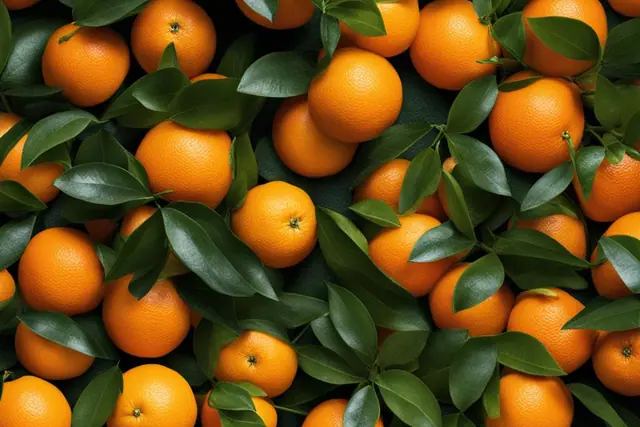
In this guide
- How to Determine the Freshness of an Orange by Appearance
- Assessing the Smell of an Orange to Determine its Freshness
- Evaluating the Texture of an Orange for Freshness
- Determining the Taste of an Orange to Assess its Freshness
- Factors to Consider When Storing Oranges to Prevent Spoilage
- How Long Do Oranges Last Before Going Bad?
- Conclusion
- Source Links
- FAQ
Oranges can go bad just like any other fruit. By knowing the signs of a bad orange, you can ensure that you always have fresh and delicious citrus. This article will guide you through the appearance, smell, texture, and taste of an orange to determine if it is spoilt or not.
How to Determine the Freshness of an Orange by Appearance
When it comes to assessing the freshness of an orange, appearance plays a crucial role. By examining the outer skin of the fruit, you can gather valuable information about its quality. A fresh orange should have a vibrant color, typically ranging from bright orange to deep orange hues. Avoid oranges with pale or dull-colored skin, as these are indicators of potential spoilage.
As you inspect the orange, be on the lookout for any signs of mold or dark brown discoloration. These are clear indications that the fruit is past its prime and should be discarded. Dark spots or dried-up skin are also red flags for a bad orange. Ideally, the outer skin should be smooth and free from any blemishes or wrinkles.
"A fresh orange should have a vibrant color, typically ranging from bright orange to deep orange hues."
In some cases, you may come across oranges with outside skin discoloration. This could be due to exposure to extreme temperatures or improper handling during transportation. While these oranges may still be edible, it's best to exercise caution and assess the other indicators of freshness before consuming them.
| Signs of a Fresh Orange by Appearance | Indicators of a Bad Orange |
|---|---|
| Bright and vibrant color | Pale or dull-colored skin |
| Smooth and blemish-free skin | Signs of mold or dark brown discoloration |
| Dark spots or dried-up skin |
Remember, a fresh and visually appealing orange is more likely to provide a delightful taste and enjoyable eating experience. So, the next time you're assessing the freshness of an orange, pay close attention to its appearance.
https://www.youtube.com/watch?v=IJbMBpXWfrA
Assessing the Smell of an Orange to Determine its Freshness
In addition to appearance, the smell of an orange can provide valuable insights into its freshness. When determining if an orange is bad, I always trust my nose. A fresh orange should have a pleasant, citrusy aroma that is characteristic of ripe fruit. If the orange has a strong, funky smell or exhibits any signs of mold, it is a clear indication that it is no longer good to consume. A bad-smelling orange is likely to be dry, tasteless, and lacking the juicy burst of flavor that we associate with fresh citrus.
When assessing the smell of an orange, it's important to note that some varieties may naturally have a stronger scent than others. However, a sour or unpleasant odor is never a good sign. If you encounter an orange that smells off, it's best to err on the side of caution and discard it. Freshness is key when it comes to enjoying the vibrant flavors and nutritional benefits of oranges.
"A bad-smelling orange is a clear indication that it is no longer juicy and fresh."
To optimize the smell test, gently roll the orange between your palms to release the natural oils and maximize the fragrance. This can help amplify any potential off-putting smells that might be present. Remember, our sense of smell is closely linked to our perception of taste, so a bad-smelling orange is likely to have an off taste as well.
Common Smell Indicators of a Bad Orange
- Foul or funky odor
- Sour smell
- Moldy scent
Signs of a Fresh Orange
- Pleasant, citrusy aroma
- No signs of mold
- Fragrance enhanced when gently rolled between palms
By paying attention to the smell of an orange, I can quickly determine if it is still fresh and flavorful. Trust your senses and enjoy the vibrant, delicious taste of a perfectly ripe orange.
Evaluating the Texture of an Orange for Freshness
When it comes to determining the freshness of an orange, evaluating its texture is key. A quick touch and feel can reveal important clues about the fruit's condition. Here are some texture indicators that can help you determine if an orange is bad:
Tell-tale Signs of a Bad Orange
- Spongy spots: If you notice any soft spots on the surface of the orange that feel spongy to the touch, it's a clear sign of spoilage. These areas are often mushy and may have a different texture than the rest of the fruit.
- Dry and shriveled skin: A fresh orange should have a tight, smooth skin. If the skin looks dry and shriveled, it suggests that the fruit is drying out and past its prime.
- Rubberiness or stickiness: Oranges should have a firm yet slightly yielding texture. If you feel any rubbery or gummy areas, or notice stickiness on the skin, it's best to discard the fruit as it may be contaminated or spoiled.
Remember, texture alone may not be a definitive indicator of spoilage, but it can certainly complement other signs of a bad orange, such as appearance and smell.
Table: Texture Indicators for Evaluating the Freshness of an Orange
| Texture Indicator | Meaning |
|---|---|
| Spongy spots | Sign of spoilage |
| Dry and shriveled skin | Fruit is drying out |
| Rubberiness or stickiness | Potential contamination or spoilage |
By paying attention to the texture of an orange, you can identify potential issues and make informed decisions about whether to consume or discard the fruit. It's important to prioritize food safety and enjoy oranges at their freshest to fully savor their delicious flavor.
Determining the Taste of an Orange to Assess its Freshness
Assessing the taste of an orange is a crucial step in determining its freshness. A fresh orange should have a sweet and juicy flavor that is a delight to the senses. To evaluate the taste of an orange, follow these steps:
- Take a small bite: Start by taking a small bite of the orange. Pay attention to the initial burst of flavor and assess if it is sweet or sour.
- Notice the juiciness: A fresh orange should be juicy and refreshing. If the orange feels dry or lacks moisture, it may be past its prime.
- Check for bitterness: Bitterness is a sign of an orange that is no longer fresh. If the orange leaves a bitter aftertaste in your mouth, it is best to discard it.
- Observe the flavor profile: A high-quality orange will have a well-balanced flavor with hints of sweetness and acidity. If the flavor is bland or lacks complexity, it is a sign of deterioration.
Remember that taste is subjective, and personal preference plays a role in determining if an orange is to your liking. However, any off flavors, sourness, or excessive bitterness are indications of a bad orange that should not be consumed.
"A fresh orange should have a sweet and juicy flavor that is a delight to the senses."
It's important to note that the taste of an orange can also vary depending on its variety. Some oranges may have a more tangy or tart flavor, while others are sweeter. Familiarize yourself with the typical taste profile of different orange varieties to better assess their freshness.
| Orange Variety | Taste Profile |
|---|---|
| Valencia | Sweet with a slightly tart undertone |
| Navel | Mildly sweet with a hint of citrusy flavor |
| Blood Orange | Deep, rich, and sweet with berry-like undertones |
By considering the taste of an orange in conjunction with its appearance, smell, and texture, you can make an informed decision about its freshness. Don't settle for anything less than a delicious and satisfying orange experience!
Factors to Consider When Storing Oranges to Prevent Spoilage
Proper storage is crucial to prevent oranges from spoiling prematurely. By following these guidelines, you can ensure that your oranges stay fresh and delicious for longer.
Room Temperature Storage
Oranges are best stored at room temperature, away from direct sunlight. However, it's important to keep them in a cool and well-ventilated area to prevent them from overheating or becoming too dry.
Avoid Stacking
When storing oranges, it's best to avoid stacking them on top of each other in a fruit bowl. This can lead to bruising and increased exposure to air, which speeds up the spoilage process. Instead, consider using lightweight mesh bags to store individual oranges. The mesh allows for proper airflow, keeping the fruits fresh for longer.
Refrigeration
If you won't be consuming your oranges within a few days, it's recommended to refrigerate them. Place the oranges in a plastic bag or airtight container before refrigerating to help retain their moisture. Refrigerated oranges can last up to a couple of weeks, maintaining their freshness and taste.
Quick Tips:
- Avoid washing oranges before storage, as moisture can promote mold growth.
- Keep oranges away from strong-smelling foods, as they can absorb odors easily.
- If you have cut or peeled oranges, it's best to consume them within 2 days.
| Storage Method | Duration |
|---|---|
| Room temperature | About 3 weeks |
| Refrigerated (unpeeled) | Up to a couple of months |
| Cut or peeled | Within 2 days |
Proper storage is the key to maintaining the freshness of your oranges. By storing them at the right temperature, avoiding stacking, and refrigerating when necessary, you can extend the shelf life of your oranges and enjoy their sweet and juicy flavor for longer.
How Long Do Oranges Last Before Going Bad?
Oranges are delicious and nutritious fruits that can be enjoyed in a variety of ways. However, like all fresh produce, they have a limited shelf life. So, how long do oranges last before going bad? The answer depends on several factors, including how they are stored and whether they are peeled or cut.
When stored at room temperature, whole, unpeeled oranges can last for approximately 3 weeks. This timeframe may vary slightly depending on the initial freshness of the oranges when purchased. It's important to note that store-bought oranges may already be a week old, so it's best to consume them within 2 weeks to ensure optimal freshness.
If you prefer to refrigerate your oranges, they can last up to a couple of months unpeeled. However, it's important to keep them in a separate drawer or compartment away from other fruits and vegetables. Oranges produce ethylene gas, which can cause other produce to spoil more quickly. For cut or peeled oranges, it is recommended to consume them within 2 days to prevent any potential food safety risks.
Table: Orange Shelf Life
| Storage Method | Whole, Unpeeled Oranges | Cut or Peeled Oranges |
|---|---|---|
| Room Temperature | Approximately 3 weeks | Consume within 2 days |
| Refrigerated | Up to a couple of months | Consume within 2 days |
It's important to remember that these timeframes are general guidelines and can vary based on individual fruit quality and storage conditions. Always use your best judgment and rely on your senses to determine if an orange is still fresh. If you notice any signs of mold, an unpleasant odor, or a spoiled taste, it's best to discard the orange to avoid any potential health risks.
Now that you know how long oranges last before going bad, you can confidently enjoy them at their peak freshness. Whether you're using oranges in recipes, enjoying them as a healthy snack, or squeezing them for refreshing juice, always prioritize food safety and discard any oranges that show signs of spoilage. With proper storage and timely consumption, you can savor the delightful taste and goodness of oranges for as long as possible.
As a citrus enthusiast, you may have some burning questions about how to determine if an orange is bad. Don't worry, I've got you covered! Below are the most frequently asked questions about orange freshness, answered and explained for your convenience.
Conclusion
After learning about the signs of a bad orange, you now have the knowledge to ensure that you only enjoy the freshest citrus fruits. By paying attention to the appearance, smell, texture, and taste of an orange, you can easily determine if it has spoiled or not.
Remember, a fresh orange should have a vibrant color, be free from mold or dark brown discoloration, and have a pleasant smell. It should also have a firm texture and a sweet, juicy taste. Any signs of spoilage, such as unusual discoloration, a funky smell, soft spots, or a sour taste, indicate that the orange is no longer fresh.
By prioritizing food safety and not taking any chances with a bad orange, you can protect your health and ensure that you always enjoy the best flavor from your citrus fruits. So, the next time you reach for an orange, be sure to give it a thorough inspection before taking a juicy bite!
Source Links
- https://homecookbasics.com/how-to-tell-if-an-orange-is-bad/
- https://gingerdivine.com/how-to-tell-if-an-orange-is-bad/
- https://www.studiodelicious.com/how-to-tell-if-orange-is-bad/
Frequently asked questions
- Can you tell if an orange is bad by looking at it?
Yes, you can! The appearance of an orange can offer valuable clues about its freshness. A fresh orange should have a vibrant, bright color, free from any mold or dark brown discoloration. If you notice dark spots or dried-up skin, it's a clear indication that the orange is past its prime. Additionally, any signs of outside skin discoloration should raise red flags, alerting you to a potentially bad orange.
- Is it okay to eat an orange with dark or discolored spots?
While it's generally safe to consume oranges with small, dark spots, it's best to exercise caution. Dark spots can be an early sign of spoilage or mold growth. If the spots are minimal, you can simply cut them off and enjoy the rest of the orange. However, if the dark spots are widespread or accompanied by an unpleasant smell, it's safer to discard the entire orange to avoid any potential health risks.
- What's the best way to store oranges?
The key to prolonging the freshness of your oranges lies in proper storage. Oranges are best stored at room temperature, away from direct sunlight. Avoid stacking them on top of each other as this can lead to bruising and spoilage. Instead, consider using lightweight mesh bags to store your oranges. If you don't plan on consuming them within a few days, refrigerating the oranges can extend their lifespan. Just remember to bring them back to room temperature before consuming for the best flavor.
Question Answer Can you tell if an orange is bad by looking at it? Yes, the appearance of an orange can provide valuable insights into its freshness. Look for vibrant color, free from mold or dark brown discoloration. Is it okay to eat an orange with dark or discolored spots? Small, dark spots are generally safe to consume, but it's best to exercise caution. If the spots are widespread or accompanied by an unpleasant smell, it's safer to discard the orange. What's the best way to store oranges? Oranges are best stored at room temperature, away from direct sunlight. Avoid stacking them to prevent bruising. Consider using lightweight mesh bags. Refrigerate if not consuming within a few days. Remember, your senses are your best tools when it comes to assessing the freshness of an orange. Trust your instincts and if something seems off, it's better to be safe than sorry. Enjoy your citrus fruits with confidence, knowing that you've chosen the freshest and most delicious oranges.
- Can you tell if an orange is bad by looking at it?
Yes, by examining the appearance of an orange, you can determine if it is bad. Look for mold, dark brown discoloration, dark spots, and dried-up skin.
- Is it okay to eat an orange with dark or discolored spots?
It is best to avoid eating oranges with dark or discolored spots as they indicate spoilage.
- What's the best way to store oranges?
Oranges are best stored at room temperature away from direct sunlight. Lightweight mesh bags are ideal for storing them until they are ready to be consumed. If oranges will not be consumed within a few days, they should be refrigerated.
AprilCook, recipe developer and the heart of Chefwiz. More about April