Guide
How to Tell When Pomegranates are Ripe
Discover the secrets of how to tell if a pomegranate is ripe. I'll guide you through simple checks to ensure fresh, juicy pomegranates every time.
 By April20 min read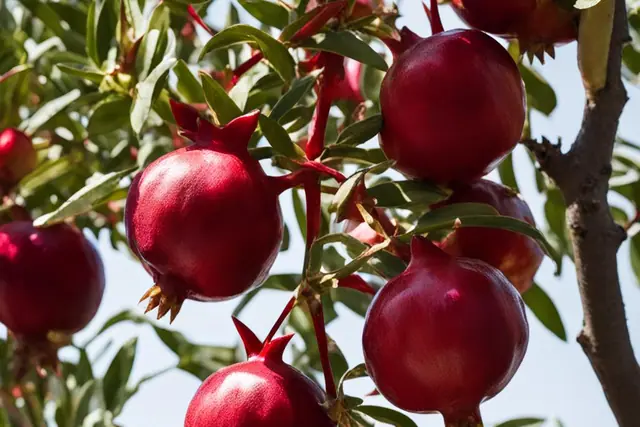
In this guide
- Shape and Texture
- Skin Color and Tone
- Weight and Juiciness
- Other Tips for Determining Ripeness
- The Role of Sugar and Acid
- Harvest Maturity and Flavor
- The Importance of Picking Time
- Factors Affecting Ripeness
- Avoiding Overripe Pomegranates
- Tips from Alabama Pomegranate Association
- Personal Experiences and Insights
- Challenges in Pomegranate Ripeness
- The Satisfaction of Picking Ripe Pomegranates
- Conclusion
- Source Links
- FAQ
Greetings, fellow pomegranate enthusiasts! Today, I want to share some insights on how to determine if a pomegranate is ripe. As a fruit lover myself, I know how frustrating it can be to bite into a pomegranate only to discover it's not quite ready yet. But fear not! With a keen eye and a few tips, you'll soon become a pro at identifying when those juicy gems are at their peak.
So, how can you tell if a pomegranate is ripe? Let's dive into the details.
Shape and Texture
When it comes to determining the ripeness of pomegranates, the shape and texture of the fruit play a crucial role. A ripe pomegranate is not perfectly round like an Asian pear, but rather has flattened sides and slight ridges. Its shape is more angular, with slightly squared sides compared to a perfectly spherical fruit. This unique shape is a visual clue that the pomegranate is ripe and ready to be enjoyed.
In addition to shape, the texture of a ripe pomegranate also changes as it ripens. The outer skin becomes soft and more pliable, making it easier to scratch lightly with gentle pressure. By feeling the texture of the fruit, you can determine if it is at the right stage of ripeness. A ripe pomegranate will have a slightly soft exterior, giving way to the juicy arils inside.
"The shape of a ripe pomegranate is not perfectly round like an Asian pear, but is flattened with slightly squared sides and ridges."
Determining the shape and texture of a pomegranate is an easy and effective way to assess its ripeness. By observing these visual and tactile cues, you can ensure a delightful and flavorful pomegranate-eating experience.
Table
| Visual Cues | Shape | Texture |
|---|---|---|
| Unripe Pomegranate | Round and spherical | Firm and difficult to scratch |
| Ripe Pomegranate | Flattened with slight ridges | Soft and easily scratched |
Table: Comparison of visual cues, shape, and texture between unripe and ripe pomegranates.
Skin Color and Tone
When it comes to determining the ripeness of a pomegranate, the color and tone of the skin play a crucial role. While pomegranates come in various colors, such as light to dark red, pink, orange, or purple, it's important to focus on the smoothness and firmness of the skin. A ripe pomegranate will have a smooth and stretched outer skin, indicating that the arils inside are plump and juicy.
As the pomegranate ripens, the skin color may deepen or change, but it's the texture that truly matters. Regardless of the color, the skin should be tough, leathery, and free from any blemishes or soft spots. This indicates that the pomegranate has reached its peak ripeness and is ready to be enjoyed.
When selecting a ripe pomegranate, it's important to trust your senses. Gently feel the skin for any wrinkles or squishy areas, as these may be signs of overripeness. A ripe pomegranate will have a firm and taut skin, ensuring a burst of juiciness with every bite.
| Key Points: |
|---|
| A ripe pomegranate will have a smooth and stretched outer skin. |
| The skin should be tough, leathery, and free from blemishes or soft spots. |
| Avoid pomegranates with wrinkles or squishy areas, as they may be overripe. |
Expert Quote:
"The skin of a ripe pomegranate should be smooth and stretched, indicating plump and juicy arils inside." - Pomegranate Enthusiast
Weight and Juiciness
When it comes to determining the ripeness of a pomegranate, weight and juiciness play a crucial role. As an avid pomegranate enthusiast, I have found that picking up a pomegranate and feeling its weight can provide valuable insight into its ripeness. A ripe pomegranate should feel heavy for its size, indicating that the seeds inside are plump and full of juice.
Imagine the satisfaction of biting into a juicy, ripe pomegranate, its sweet and tangy flavors bursting in your mouth. That's why it's important to pay attention to the weight of the fruit when making your selection. A heavier pomegranate indicates a fruit that is bursting with juice and ready to be enjoyed.
"A ripe pomegranate should feel heavy for its size, indicating that the seeds inside are plump and full of juice."
So, the next time you're choosing a pomegranate, remember to reach for the one that feels substantial in your hand. Its weight will tell you that it's ripe and ready to be enjoyed, ensuring a delightful and juicy eating experience.
Table: Ripe Pomegranate Characteristics
| Characteristic | Description |
|---|---|
| Shape | Flattened with slightly squared sides and ridges |
| Texture | Outer skin becomes soft and easy to scratch with gentle pressure |
| Skin Color | Varies from light to dark red, smooth and stretched skin |
| Weight | Feels heavy for its size, indicating plump and juicy seeds |
By considering the weight and juiciness of a pomegranate, you can ensure that you're selecting a ripe fruit that will deliver a satisfying and flavorful experience. So, go ahead and savor the deliciousness of a ripe, juicy pomegranate!
Other Tips for Determining Ripeness
In addition to the visual cues mentioned earlier, there are other methods that can help determine if a pomegranate is ripe. These tips can be especially useful if you're not familiar with the specific visual characteristics of the fruit.
Table: Other Tips for Determining Ripeness
| Method | Description |
|---|---|
| Tapping Method | Some people believe that tapping on a pomegranate will produce a metallic sound if it is ripe. Give the fruit a light tap and listen for a clear, ringing sound. |
| Crown Assessment | Check the crown, which is the top of the fruit where the stem is attached. If the little petal-shaped appendages around the crown are turned slightly inward, it indicates that the pomegranate is ripe and ready to be enjoyed. |
These additional methods can provide reassurance when determining the ripeness of a pomegranate. However, it's important to note that they may not be foolproof and should be used in conjunction with the visual cues discussed earlier.
"Tapping on a pomegranate and assessing the crown can offer additional clues to its ripeness. However, the reliable indicators remain the shape, color, texture, and weight of the fruit. These visual cues are essential in ensuring a truly ripe and flavorful pomegranate for culinary delights." - Pomegranate Enthusiast
By incorporating these tips into the evaluation process, you can confidently determine the ripeness of a pomegranate, whether you're using it in the kitchen for delectable recipes or enjoying it fresh.
The Role of Sugar and Acid
When it comes to determining the ripeness of a pomegranate, the sugar and acid content play a crucial role. The balance between sweetness and tartness is key to enjoying a fully ripe fruit. By measuring the sugar and acid levels, we can gain insights into the ripeness and flavor profile of a pomegranate.
A Brix Refractometer is a useful tool for testing the sugar and acid ratio in pomegranates. The sugar content should be greater than 16 to 17 percent to ensure a sweet taste. Additionally, the sugar: acid ratio should be greater than 18.5, indicating the right balance between sweetness and tartness. These measurements provide valuable information for selecting the ripest pomegranates.
Understanding the sugar and acid levels can help guide culinary choices as well. Pomegranates with higher sugar content are ideal for eating fresh or incorporating into sweet recipes, while those with a higher acid content can add a tangy twist to savory dishes or salads. By considering the sugar and acid content, we can make informed decisions about how to best enjoy ripe pomegranates in our cooking and dining experiences.
https://www.youtube.com/watch?v=srQktiJLhnI
| Sugar Content (%) | Sugar: Acid Ratio | Taste Profile |
|---|---|---|
| Less than 16 | Less than 18.5 | Underripe - Tart, slightly bitter |
| 16-17 | 18.5-20 | Ripe - Balanced, sweet-tart |
| Greater than 17 | Greater than 20 | Overripe - Very sweet, potential loss of tartness |
Harvest Maturity and Flavor
When it comes to pomegranates, harvest maturity plays a crucial role in determining the flavor of the fruit. Pomegranates do not continue to ripen once they are picked, so it is important to harvest them at the right time to ensure optimal taste. Picking pomegranates too early can result in a tart and underdeveloped flavor, while waiting too long can lead to overripe fruits that lack the perfect balance of sweetness and acidity.
To determine the harvest maturity of a pomegranate, it is essential to consider visual cues such as color, shape, and texture. Ripe pomegranates typically have a deep red or reddish-brown color, depending on the variety, indicating that the fruit has developed its full flavor potential. Additionally, the shape of a ripe pomegranate is flattened with slightly squared sides and ridges, distinguishing it from unripe fruits.
Another indicator of harvest maturity is the texture of the pomegranate's skin. When a pomegranate is ripe, the outer skin becomes softer and easier to scratch with gentle pressure. This change in texture signifies that the arils inside the fruit have reached their juiciest and most flavorful state. By considering these visual and textural cues, one can confidently harvest pomegranates at their peak of maturity for optimal flavor.
| Harvest Maturity Signs | Flavor Indication |
|---|---|
| Deep red or reddish-brown color | Full flavor development |
| Flattened shape with squared sides and ridges | Harvested at the right time |
| Softer and easier to scratch skin | Juicy and flavorful arils |
By carefully considering the harvest maturity of pomegranates and using visual cues like color, shape, and texture, one can ensure a rewarding and flavorful experience when enjoying these delicious fruits.
The Importance of Picking Time
When it comes to enjoying the best flavor, picking pomegranates at the right time is crucial. It can be challenging to determine the exact ripeness, but relying on visual cues such as color, shape, and texture can help. By observing these characteristics, you can ensure that the pomegranates you pick are perfectly ripe, resulting in a balanced and flavorful eating experience.
One key indicator of ripeness is the color of the pomegranate. A ripe pomegranate should have a vibrant and rich hue, whether it's a deep red or a unique shade like pink or orange. Additionally, the shape and texture of the fruit can provide valuable insights. A ripe pomegranate will have a slightly flattened shape with squared sides and ridges. Its outer skin should be smooth and stretchy, indicating that the arils inside are plump and juicy.
Another factor to consider when picking pomegranates is the fruit's weight. A ripe pomegranate should feel heavy for its size, indicating that the seeds inside are full of juice. By selecting pomegranates with this weighty characteristic, you can ensure a satisfying and juicy eating experience.
By paying attention to these visual cues and picking pomegranates when they are properly ripe, you can enjoy the full flavor and juiciness of this delicious fruit. Whether you eat them fresh or incorporate them into your favorite culinary creations, perfectly ripe pomegranates are sure to delight your taste buds. So, take your time when picking pomegranates, and savor the rewards of a well-timed harvest.
Critical Factors for Picking Ripe Pomegranates
When determining the picking time for pomegranates, several factors come into play. Climate plays a significant role in the ripening process. Cooler nights during the ripening period can make it harder to gauge ripeness accurately. Additionally, different pomegranate varieties may have their own unique ripening characteristics, making it essential to understand the specific variety you are growing. By considering these factors and using visual cues, you can make an informed decision when it comes to picking ripe pomegranates.
| Climate | Variety |
|---|---|
| Cooler nights during ripening can make it more challenging to determine when a pomegranate is ripe. | Different pomegranate varieties have their own unique characteristics in terms of appearance and taste. |
Factors Affecting Ripeness
When it comes to determining the ripeness of pomegranates, several factors come into play, including climate and variety. These factors can have a significant impact on the fruit's ripening process, making it more challenging to determine when a pomegranate is truly ripe.
The climate plays a crucial role in the ripening of pomegranates. Cooler nights during the ripening stage can slow down the process and make it more difficult to determine the optimal ripeness. In contrast, warmer climates can accelerate the ripening process, making it easier to spot ripe pomegranates.
Moreover, different pomegranate varieties can exhibit unique characteristics in terms of appearance and taste. Some varieties may ripen earlier or later than others, requiring careful observation to identify the ideal time for harvesting.
| Factors Affecting Ripeness | Impact on Ripening |
|---|---|
| Climate | Cooler nights can slow down ripening, while warmer climates can accelerate it. |
| Variety | Different varieties may ripen earlier or later, requiring attentive observation. |
Understanding the impact of climate and variety on pomegranate ripeness can help growers and enthusiasts better navigate the challenges of determining when a pomegranate is truly ripe. By taking these factors into consideration, one can ensure a more accurate assessment of ripeness and enjoy the optimal flavor and juiciness that ripe pomegranates offer.
Avoiding Overripe Pomegranates
When it comes to pomegranates, it's important to avoid letting them become overripe. While pomegranates don't necessarily rot like some other fruits, such as figs, they can still suffer from undesirable effects if left on the tree for too long. Overripe pomegranates are prone to splitting, which not only leads to a messy eating experience but also results in a loss of flavor and juiciness. To ensure the best taste and texture, it's crucial to pick pomegranates at the peak of ripeness.
One of the main reasons to be cautious of overripe pomegranates is the splitting that occurs when the fruit becomes too ripe. As the pomegranate ripens, the arils inside expand and the outer skin becomes thinner. If left on the tree past their prime, the pressure from the expanding arils can cause the skin to split, exposing the seeds and leading to unwanted messiness. Additionally, overripe pomegranates may have a mushy texture and a less appealing taste.
By picking pomegranates at the right time, you can avoid these issues and enjoy the best flavor and texture. Look for the visual cues discussed in earlier sections, such as shape, skin color, and weight, to determine ripeness. Remember that a perfectly ripe pomegranate should have a slightly flattened shape, smooth and firm skin, and feel heavy for its size. By choosing ripe pomegranates, you can savor their delicious flavor without worrying about unpleasant surprises.
| Issue | Consequences |
|---|---|
| Overripeness |
|
Remember, the goal is to pick pomegranates at their peak of ripeness to ensure the best taste and texture. Don't wait until they become overripe and risk losing the full potential of these delicious fruits. Enjoy ripe pomegranates and indulge in their burst of flavor and juiciness.
Tips from Alabama Pomegranate Association
When it comes to determining the ripeness of pomegranates, the Alabama Pomegranate Association offers valuable tips that can help you make the right call. By observing the shape, texture, color, and weight of the fruit, you can gain insights into its ripeness and enjoy the ultimate pomegranate experience.
Shape and Texture
The shape and texture of a pomegranate can provide important clues about its ripeness. Look for flattened sides and slightly squared edges, as well as ridges on the fruit. As it ripens, the outer skin becomes soft and easier to scratch with gentle pressure. These visual and tactile cues can guide you in selecting a truly ripe pomegranate.
Skin Color and Tone
While pomegranates can exhibit a range of colors from light to dark red, the key to ripeness lies in the smoothness and firmness of the skin. A ripe pomegranate will have a smooth and stretched outer skin, indicating that the juicy arils inside are plump and ready to be enjoyed.
Weight and Juiciness
The weight of a pomegranate is another indicator of its ripeness. When you pick up a ripe pomegranate, it should feel heavy for its size. This weight is a result of the seeds inside being full of juice, ensuring a juicy and flavorful eating experience.
By following these tips from the Alabama Pomegranate Association, you can confidently select ripe pomegranates that are bursting with flavor. Whether you plan to enjoy the fruit fresh or use it in culinary creations, the ripeness of the pomegranate will make all the difference in taste and satisfaction.
| Tip | Description |
|---|---|
| Shape and Texture | Look for flattened sides, squared edges, and ridges on the fruit. The outer skin should be soft and scratchable with gentle pressure. |
| Skin Color and Tone | The skin should be smooth and firm, regardless of color. A ripe pomegranate will have a stretched outer skin. |
| Weight and Juiciness | A ripe pomegranate should feel heavy for its size, indicating that the seeds inside are full of juice. |
Personal Experiences and Insights
When it comes to determining the ripeness of pomegranates, personal experiences can offer valuable insights. As a grower, I've learned that while visual cues like shape, color, and texture are helpful indicators, they may not always tell the whole story. For instance, a cracked pomegranate may still be perfectly ripe and delicious inside. It's important to trust your instincts and rely on multiple factors when assessing ripeness.
One approach that has worked well for me is to look for the first drying marks around the bottom of the fruit. These appear as slight discoloration or shriveling, indicating that the pomegranate has reached a desirable stage of ripeness. Another method I've found helpful is to check the sugar and acid levels. Using a refractometer, I can measure the sweetness and tartness of the fruit, allowing me to pinpoint the ideal time for harvesting.
"Determining the ripeness of pomegranates requires a combination of observation, intuition, and experimentation."
However, it's important to note that ripeness can vary depending on the variety of pomegranate. Some varieties may stay green even when fully ripe, while others exhibit deeper color changes. By growing different varieties and documenting the ripening process, I've gained a deeper understanding of the unique characteristics of each type and how best to determine their ripeness.
| Personal Insights | Key Takeaways |
|---|---|
| Cracked pomegranates can still be ripe and delicious inside | Visual cues are helpful, but not foolproof |
| Look for the first drying marks around the bottom of the fruit | Slight discoloration or shriveling indicates ripeness |
| Check sugar and acid levels using a refractometer | Measure sweetness and tartness for precision |
| Consider the variety of pomegranate being grown | Ripeness characteristics can vary across varieties |
Challenges in Pomegranate Ripeness
When it comes to determining the ripeness of pomegranates, growers and enthusiasts can face various challenges. One common challenge is dealing with different varieties of pomegranates, each with its own unique characteristics in terms of appearance and taste. The ripeness cues that work well for one variety may not be as reliable for another, making it a constant learning process.
Additionally, uncertain growing conditions can further complicate the task of determining ripeness. Factors such as temperature fluctuations and variations in sunlight exposure can affect the ripening process, making it more difficult to accurately assess when a pomegranate is truly ripe. These challenges require growers to stay vigilant and adapt their methods accordingly.
Another unexpected challenge in enjoying ripe pomegranates is fruit stealing. Pomegranate thieves can strike when the fruit is at its most delicious stage, leaving growers frustrated and with fewer ripe pomegranates to enjoy. To combat fruit stealing, measures such as protective fencing or even security cameras may need to be implemented to safeguard the precious harvest until it is ready to be picked.
Table: Challenges in Pomegranate Ripeness
| Challenges | Solutions |
|---|---|
| Different pomegranate varieties | Learn the ripeness cues specific to each variety, consult experienced growers, and experiment with different harvesting methods. |
| Uncertain growing conditions | Monitor environmental factors closely, such as temperature and sunlight exposure, and adjust harvesting decisions accordingly. |
| Fruit stealing | Implement protective measures, such as fencing or security cameras, to deter potential thieves and safeguard the harvest. |
Despite the challenges, the satisfaction of successfully picking and enjoying a ripe pomegranate is well worth the effort. By staying informed, learning from personal experiences, and adapting to the unique circumstances of each growing season, growers and enthusiasts can continue to experience the joy of indulging in truly ripe and flavorful pomegranates.
The Satisfaction of Picking Ripe Pomegranates
When it comes to pomegranates, there's something incredibly satisfying about selecting the perfect fruit. The anticipation builds as I carefully examine the shape, color, weight, and texture, knowing that each cue holds the key to unlocking a flavor explosion. The reward for my efforts is a ripe pomegranate bursting with juicy arils, ready to be enjoyed in all their delicious glory.
As I hold a ripe pomegranate in my hand, I can feel its weight, a sign that the seeds inside are plump and bursting with juice. It's a small but significant detail that assures me I'm about to experience a truly succulent treat. With a slight grip, I gently scratch the soft, stretched skin, reveling in the sensation as it reveals the vibrant, jewel-like arils hidden within.
The flavor of a ripe pomegranate is a symphony of sweet and tart notes, a perfect balance that dances on my taste buds. The arils burst with a satisfying pop as I savor each one, their rich, tangy juice invigorating my palate. Whether I enjoy them on their own, sprinkle them over a salad, or incorporate them into a refreshing beverage, the flavor of ripe pomegranates never fails to impress.
"The anticipation builds as I carefully examine the shape, color, weight, and texture, knowing that each cue holds the key to unlocking a flavor explosion."
Table: The Journey from Field to Plate
| Stage | Process |
|---|---|
| 1 | Harvest ripe pomegranates by hand, carefully selecting the fruits based on visual cues. |
| 2 | Open the pomegranate and release the arils, the juicy gems nestled within the fruit. |
| 3 | Enjoy the ripe arils fresh, or use them in various culinary creations. |
Picking a ripe pomegranate is not just about taste; it's a sensory experience that enlivens the senses and brings joy to the kitchen. The vibrant hues of the arils, the juiciness that bursts forth, and the balance of flavors all contribute to the satisfaction of enjoying a truly ripe pomegranate. So, the next time you come across these magnificent fruits, take the time to savor the experience of selecting a ripe pomegranate and revel in the delightful flavors they offer.
Conclusion
After careful observation and consideration of various factors, determining the ripeness of a pomegranate can be a rewarding experience. By using visual cues such as shape, color, weight, and texture, one can confidently determine if a pomegranate is ripe and ready to enjoy.
Remember, a ripe pomegranate will have flattened, angular sides, smooth and firm skin, and feel heavy for its size. These indicators suggest that the seeds inside are plump, juicy, and bursting with flavor.
While challenges may arise with different varieties and growing conditions, the effort put into assessing ripeness is well worth the delicious outcome. So go ahead, pick a perfectly ripe pomegranate and savor its succulent sweetness. Your taste buds will thank you.
Source Links
- https://www.evolvingtable.com/how-to-tell-pomegranate-ripe/
- https://www.allrecipes.com/article/how-to-pick-a-ripe-pomegranate/
- https://growingfruit.org/t/tips-how-to-identify-a-ripe-pomegranate/31745
Frequently asked questions
- How can I tell if a pomegranate is ripe?
Look for cues such as shape, skin tone, and weight. Ripe pomegranates have flattened sides, smooth and firm skin, and feel heavy for their size.
- What does a ripe pomegranate look like?
A ripe pomegranate is not perfectly round but has flattened, angular sides with ridges. The skin changes texture, becoming soft and easier to scratch with gentle pressure.
- What color should a ripe pomegranate be?
The color can vary from light to dark red, and even other colors like pink, orange, or purple. However, it's the smoothness and firmness of the skin that indicate ripeness, regardless of color.
- How do I know if a pomegranate is juicy?
When picking up a pomegranate, it should feel heavy for its size, indicating that the seeds inside are full of juice. The weight is a good indication of ripeness and ensures a juicy eating experience.
- Are there any other methods to determine ripeness?
Some people believe that tapping on a pomegranate will produce a metallic sound if it is ripe. You can also check the crown, if the petal-shaped appendages are turned slightly inward, the pomegranate is ripe.
- How can sugar and acid levels determine ripeness?
A Brix Refractometer can be used to test the sugar: acid ratio. Ideal levels are a sugar content greater than 16 to 17 percent and a sugar: acid ratio greater than 18.5.
- Why is it important to pick pomegranates at the right maturity?
Pomegranates stop ripening once they are picked, so it's important to harvest them at the right maturity to ensure optimal flavor. Overripe pomegranates may lose their flavor and become too sweet.
- How do I avoid picking overripe pomegranates?
It is best to pick pomegranates when the color, shape, and texture indicate ripeness. Leaving them on the tree until they overripen can cause splitting and loss of flavor.
- What factors can affect the ripeness of pomegranates?
Factors such as climate and variety can influence the ripeness of pomegranates. Cooler nights during ripening can make it more difficult to determine when a pomegranate is ripe.
- What tips does the Alabama Pomegranate Association provide?
The Alabama Pomegranate Association provides tips on observing shape and texture, checking skin color and tone, feeling the weight, conducting a scratch test, assessing skin smoothness, and examining the crown to determine ripeness.
- What insights do growers and enthusiasts share about pomegranate ripeness?
Some note that cracked pomegranates or changes in shape and texture are not always reliable indicators. Others suggest looking for drying marks around the bottom or checking sugar and acid levels for precise ripeness.
- What challenges can arise when determining pomegranate ripeness?
Some growers face challenges when dealing with different varieties or uncertain growing conditions. Fruit stealing can also make it difficult to enjoy ripe pomegranates, requiring extra measures to protect the fruit.
- What satisfaction comes from picking ripe pomegranates?
The reward is a fruit with exceptional flavor and juiciness, perfect for enjoying fresh or incorporating into various culinary creations. The effort put into determining ripeness is well worth the flavorful outcome.
- Can you summarize how to determine pomegranate ripeness?
Determining the ripeness of a pomegranate can be challenging, but with careful observation of visual cues and using techniques such as shape, color, weight, and texture, it is possible to enjoy ripe and flavorful pomegranates.
- Is there a conclusion to determining pomegranate ripeness?
While there is no definitive conclusion, understanding the factors that indicate ripeness and considering personal experiences and insights can enhance the pomegranate experience.
AprilCook, recipe developer and the heart of Chefwiz. More about April