Guide
Unveiling the Secret: How to Tell if a Banana is Ripe
Discover my easy guide on how to tell if a banana is ripe. Lower your food waste with this quick, foolproof method. Perfect bananas every time!
 By April21 min read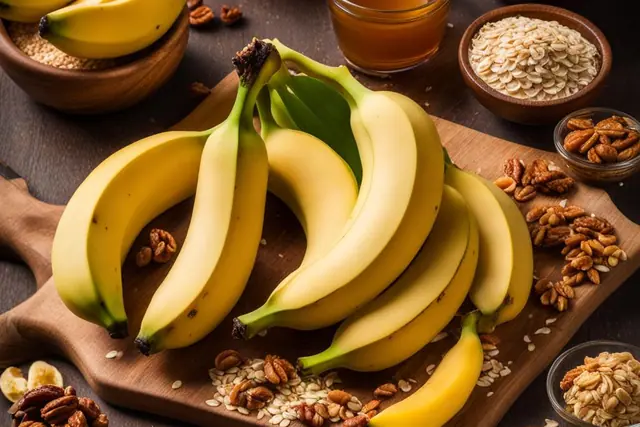
In this guide
- Examining the Color
- Noting the Spots
- Assessing the Aroma: A Key Indicator of Ripe Bananas
- Considering the Texture
- Understanding the Ripening Process
- The Best Time to Eat Bananas
- Ripe Banana Recipes
- Storing Ripe Bananas
- Nutritional Value of Ripe Bananas
- Kitchen Hacks for Quick Identification
- Culinary Uses of Ripe Bananas
- Easy Tips for Determining Ripeness
- The Best Time to Buy Bananas
- Keeping Bananas Fresh
- Conclusion
- Source Links
- FAQ
Have you ever taken a bite of a banana, only to be disappointed by its unripe or overripe taste? Choosing a perfectly ripe banana can make all the difference in its flavor and texture. But how can you tell if a banana is ripe just by looking at it? Let me share some simple yet effective ways to identify a ripe banana.
https://www.youtube.com/watch?v=kN4uzi68hUY
Examining the Color
When it comes to determining the ripeness of a banana, color plays a crucial role. Different colors indicate different levels of ripeness. Understanding the color variations in bananas can help you choose the perfect one for your taste preferences.
Green bananas are typically under-ripe and have a starchy taste. They are less sweet and can be harder to digest. If you prefer a firmer and less sweet banana, green bananas may be the right choice for you.
Yellow bananas are at their peak ripeness. They have a balanced flavor and a sweet taste. The texture is smooth and creamy, making them ideal for eating as a snack or incorporating into various recipes.
Brown bananas indicate over-ripeness. The texture becomes softer and mushier, and the taste may be overly sweet. While brown bananas are still safe to eat, they are best used for baking or making smoothies where their ripeness can be beneficial.
Table: Banana Color Guide
| Color | Ripeness | Taste |
|---|---|---|
| Green | Under-ripe | Starchy, less sweet |
| Yellow | Peak ripeness | Balance of sweetness and flavor |
| Brown | Over-ripe | Softer texture, overly sweet |
Noting the Spots
When it comes to determining the ripeness of a banana, the spots on its skin can provide valuable visual cues. Brown speckles on a yellow banana indicate that it is ripening and approaching its peak flavor. These speckles are a result of the natural sugars in the banana breaking down, making it sweeter and more enjoyable to eat. On the other hand, bananas with green spots are still under-ripe and may have a starchy taste. These bananas have not yet developed the sweetness and flavor that comes with ripeness.
By observing the spots on a banana, you can easily identify if it is ripe or not. The presence of brown speckles indicates that the fruit is at its optimal ripeness for consumption. If you prefer a slightly less sweet banana, you can choose one with fewer speckles. However, if you enjoy the full sweetness and flavor that comes with ripeness, opt for a banana with more pronounced brown spots.
It's important to note that the spots on a banana may vary in size and distribution. Some bananas may have larger spots concentrated in certain areas, while others may have smaller, more evenly distributed spots. These variations are natural and do not affect the overall ripeness or quality of the banana. The key is to look for a banana with visible brown speckles, indicating that it has reached the desired level of ripeness.
| Ripeness Level | Spot Appearance |
|---|---|
| Underripe | Green spots |
| Ripe | Brown speckles |
| Overripe | Large, dark brown spots |
Assessing the Aroma: A Key Indicator of Ripe Bananas
When it comes to determining the ripeness of a banana, one of the key indicators to consider is the aroma. Ripe bananas have a distinct fruity scent that becomes stronger as they continue to ripen. This delightful fragrance is a tell-tale sign that the banana is at its peak ripeness and ready to be enjoyed.
Next time you have a banana in your hand, take a moment to smell it. If you detect a sweet and pleasant aroma, it means that the banana is ripe and full of flavor. This is the ideal time to savor the fruit and experience its creamy texture and natural sweetness. However, if there is no noticeable fragrance or the scent is faint, it is an indication that the banana is still under-ripe.
Assessing the aroma of a banana can be a simple and effective method to ensure you choose ripe bananas every time. By relying on your sense of smell, you can confidently select bananas that are at their optimal ripeness, ready to be enjoyed in a variety of culinary creations or as a nutritious on-the-go snack.
Considering the Texture
One important aspect to consider when determining the ripeness of a banana is its texture. By paying attention to tactile cues, such as firmness and softness, you can easily assess the ripeness and overall quality of the fruit.
A perfectly ripe banana should have a firm texture with a slight give when gently squeezed. This indicates that the fruit is at its peak ripeness, offering a good balance between firmness and sweetness. On the other hand, an over-ripe banana will feel very soft and mushy, often with a brown or black skin. These bananas may still be edible, but their texture will be much different, making them better suited for baking or blending into smoothies.
Conversely, under-ripe bananas will feel hard when touched. They may lack the desired sweetness and be more starchy in flavor. While some individuals prefer the taste of under-ripe bananas, most people find them less palatable compared to fully ripe ones.
Table: Texture Guide for Ripe Bananas
| Texture | Ripeness |
|---|---|
| Firm with slight give | At peak ripeness |
| Soft and mushy | Over-ripe |
| Hard | Under-ripe |
By considering the texture of a banana, you can select the perfect fruit for your desired taste and culinary needs. Whether you prefer a firm yet sweet banana for eating as is, or a softer one for baking and blending, understanding the tactile cues of ripeness can ensure a satisfying banana experience.
Understanding the Ripening Process
When it comes to bananas, understanding the ripening process can help you choose the perfect fruit for your taste preferences. Bananas continue to ripen after they are harvested due to the release of ethylene gas. This natural gas speeds up the ripening process, causing the banana to become softer and sweeter over time. It's important to note that bananas in a bunch may ripen at different rates due to variations in gas exposure. Let's take a closer look at how ethylene gas affects the ripening of bananas.
As bananas ripen, they produce more ethylene gas. This gas acts as a signal to other nearby bananas, encouraging them to ripen as well. The more ethylene gas a banana produces, the faster it will ripen. This is why bananas in a bunch often ripen unevenly, with some bananas becoming overripe while others are still under-ripe. The ripening process can be influenced by factors such as temperature, humidity, and the presence of other fruits. For example, storing bananas in a paper bag can trap the ethylene gas and accelerate the ripening process.
To take advantage of the ripening process, you can use a simple trick. If you have a bunch of bananas and want them to ripen faster, place them in a brown paper bag. The bag will trap the ethylene gas and create a concentrated environment, speeding up the ripening process. Alternatively, if you have a few ripe bananas that you want to store for later, separate them from unripe bananas and store them at room temperature. This will help slow down the ripening process and extend their shelf life.
| Benefits of Understanding the Ripening Process | How to Control Ripening Process |
|---|---|
|
|
By understanding the ripening process and taking control of it, you can ensure that you always have perfectly ripe bananas on hand. Whether you prefer firm yellow bananas or softer, sweeter bananas, knowing how to manipulate the ripening process allows you to enjoy this versatile fruit at its best. So the next time you're grocery shopping, keep in mind the ripening process and choose bananas that align with your preferences.
The Best Time to Eat Bananas
When it comes to enjoying bananas, the best time to eat them depends on several factors, including ripeness, nutrition, and personal preferences. Ripe bananas offer a delightful combination of sweetness, flavor, and texture, making them a popular choice for many. However, under-ripe bananas also have their own advantages, especially for individuals with dietary restrictions or specific health concerns.
Under-ripe bananas, which are typically more green in color, have higher starch content. This makes them an excellent choice for individuals with diabetes or those who are watching their sugar intake. The starch in under-ripe bananas is broken down more slowly by the body, resulting in a lower impact on blood sugar levels. These bananas also tend to have a firmer texture, making them ideal for adding to salads or using as a substitute for starchy ingredients in recipes.
On the other hand, more ripe (yellow) bananas have higher sugar content, which makes them easier to digest and provides a quick burst of energy. They also have a softer texture and a sweeter, more pronounced flavor. Ripe bananas are perfect for enjoying as a snack on their own, adding to smoothies, or using in baked goods like banana bread or muffins. They are a great source of natural sweetness and can enhance the flavor of many dishes.
In the end, the best time to eat bananas ultimately depends on your personal preferences and any dietary restrictions you may have. Whether you prefer the firmer texture and lower sugar content of under-ripe bananas or the sweeter flavor and softer texture of ripe bananas, there are health benefits to be gained from both. Incorporating bananas into your diet can provide essential nutrients, such as vitamins, minerals, and fiber, while adding a delicious touch to your meals and snacks.
Table: Nutritional Comparison of Under-ripe and Ripe Bananas
| Nutrient | Under-ripe Banana | Ripe Banana |
|---|---|---|
| Starch | Higher content | Lower content |
| Sugar | Lower content | Higher content |
| Texture | Firmer | Softer |
| Flavor | Milder | Sweeter |
| Energy | Slow-release | Quick burst |
The table above provides a quick comparison of the key differences between under-ripe and ripe bananas in terms of starch and sugar content, texture, flavor, and energy release. It's important to note that both under-ripe and ripe bananas offer valuable nutrition and can be enjoyed as part of a healthy diet. Consider your taste preferences and specific health needs when deciding on the best time to enjoy this versatile fruit.
Ripe Banana Recipes
If you have some ripe bananas on hand and are wondering what to do with them, look no further! Ripe bananas are not only delicious on their own, but they can also be used to create a variety of mouthwatering recipes. From snacks to desserts, here are some creative and tasty ways to enjoy ripe bananas:
Banana Bread
Banana bread is a classic recipe that perfectly showcases the natural sweetness and moistness of ripe bananas. Whether you prefer a traditional banana bread or want to experiment with variations like chocolate chip or walnut banana bread, this versatile recipe is sure to be a hit. Enjoy a slice of warm banana bread with a cup of coffee or tea for a satisfying treat.
Banana Smoothies
For a refreshing and nutritious snack, whip up a banana smoothie using ripe bananas. Simply blend ripe bananas with your choice of milk, yogurt, and other fruits like berries or mango. Add a handful of spinach or a spoonful of peanut butter for an extra boost of flavor and nutrients. The creamy texture and natural sweetness of ripe bananas make them the perfect base for a delicious smoothie.
Banana Pancakes
Start your day off right with a stack of fluffy banana pancakes. Mash ripe bananas and mix them into your favorite pancake batter. Cook the pancakes until golden brown and enjoy them topped with sliced bananas, maple syrup, and a sprinkle of cinnamon. These pancakes are a delightful way to incorporate ripe bananas into your breakfast routine.
Frozen Banana Pops
If you're looking for a fun and healthy snack, try making frozen banana pops. Cut ripe bananas in half and insert popsicle sticks into each piece. Dip the bananas into melted chocolate or yogurt and roll them in toppings like crushed nuts, coconut flakes, or sprinkles. Place the banana pops on a tray lined with parchment paper and freeze them until firm. These frozen treats are perfect for a sweet and satisfying snack.
With these ripe banana recipes, you can turn your overripe bananas into delicious and satisfying treats. From banana bread to frozen banana pops, there are endless possibilities to explore in the kitchen. So don't let those ripe bananas go to waste - get creative and enjoy the natural sweetness and versatility of this beloved fruit.
Storing Ripe Bananas
When it comes to prolonging the ripeness of bananas, proper storage is key. Here are some tips to help you keep your ripe bananas fresh for longer:
- Refrigerate: Placing ripe bananas in the refrigerator can slow down the ripening process and extend their shelf life. However, keep in mind that the skin may turn brown in the cold temperature, which is a natural reaction.
- Separate: To prevent the release of ethylene gas, which accelerates ripening, keep your bananas separate from other fruits. This will help maintain their desired ripeness.
- Wrap the Stems: Another trick to prolong the ripeness of bananas is to wrap the stems with plastic wrap. This helps slow down the release of ethylene gas and can extend their shelf life.
By following these storage tips, you can enjoy the convenience of ripe bananas at your desired ripeness, whether you prefer them chilled or at room temperature.
Comparing Different Storage Methods
| Storage Method | Shelf Life | Convenience |
|---|---|---|
| Refrigerator | 1-2 weeks | Provides longer shelf life but may affect texture and skin color |
| Room Temperature | 3-5 days | No impact on texture or skin color, but bananas may ripen quickly |
| Freezer | Up to 6 months | Allows for long-term storage, but bananas may develop a mushy texture |
"Proper storage is essential for maintaining the ripeness and freshness of bananas. By refrigerating ripe bananas or wrapping the stems, you can extend their shelf life and enjoy them at your convenience."
Whether you prefer to store your ripe bananas in the refrigerator, at room temperature, or even freeze them for later use, finding a storage method that suits your needs ensures that you always have perfectly ripe bananas on hand. Experiment with different methods to see which one works best for you, and enjoy the convenience of having ripe bananas whenever you desire.
Nutritional Value of Ripe Bananas
When it comes to the nutritional value of ripe bananas, they pack quite a punch. These delicious fruits are not only tasty but also provide a range of essential vitamins, minerals, fiber, and potassium.
Ripe bananas are a good source of vitamin C, which plays a vital role in supporting a healthy immune system and promoting collagen production for healthy skin. They also contain vitamin B6, which is important for brain development and function.
In addition to vitamins, ripe bananas contain important minerals like potassium, magnesium, and manganese. Potassium is crucial for maintaining proper heart function and regulating blood pressure. Magnesium contributes to bone health and aids in energy production. Manganese is an essential trace mineral that supports antioxidant function and plays a role in metabolism.
| Nutrient | Amount per 100g |
|---|---|
| Calories | 96 |
| Carbohydrates | 23.9g |
| Fiber | 2.6g |
| Potassium | 358mg |
| Magnesium | 27mg |
| Vitamin C | 8.7mg |
| Vitamin B6 | 0.37mg |
| Manganese | 0.27mg |
Moreover, ripe bananas are a good source of dietary fiber. Fiber is essential for maintaining a healthy digestive system, promoting regular bowel movements, and preventing constipation. Including ripe bananas in your diet can help you meet your daily fiber needs.
Overall, ripe bananas are not only a delicious snack but also a nutritious addition to your diet. Their rich content of vitamins, minerals, fiber, and potassium make them a healthy choice for people of all ages.
Kitchen Hacks for Quick Identification
When it comes to quickly identifying ripe bananas, there are some handy kitchen hacks that can save you time and effort. These simple tricks rely on visual cues and tactile sensations to help you determine if a banana is ripe.
- 1. Shaking the Banana: If you gently shake a banana and hear a slight rattling sound, it is an indication that the banana is ripe. This method works because as bananas ripen, the starch inside turns into sugar, which causes the seeds to loosen and produce a rattling sound.
- 2. Inspecting the Stem: Take a look at the stem end of the banana. If the stem is easy to remove, it is likely that the banana is ripe. On the other hand, if the stem is difficult to remove or breaks off in pieces, the banana may still be under-ripe.
These kitchen hacks provide quick and reliable ways to assess the ripeness of a banana without having to take a bite. They are especially useful when you're in a hurry or need to determine the ripeness of multiple bananas at once. So, the next time you're at the grocery store or have a bunch of bananas at home, give these hacks a try for easy identification of ripe bananas.
"Shaking the banana and inspecting the stem end are simple yet effective ways to quickly identify ripe bananas without the need for any special tools or equipment. These kitchen hacks can save you time and ensure that you pick the perfect bananas for your recipes or snacking needs."
Culinary Uses of Ripe Bananas
When it comes to the culinary arts, ripe bananas are a versatile ingredient that can enhance the flavor of various dishes. Their natural sweetness and creamy texture make them a favorite among chefs and home cooks alike. Ripe bananas can be used in both sweet and savory recipes, adding a unique twist to classic dishes.
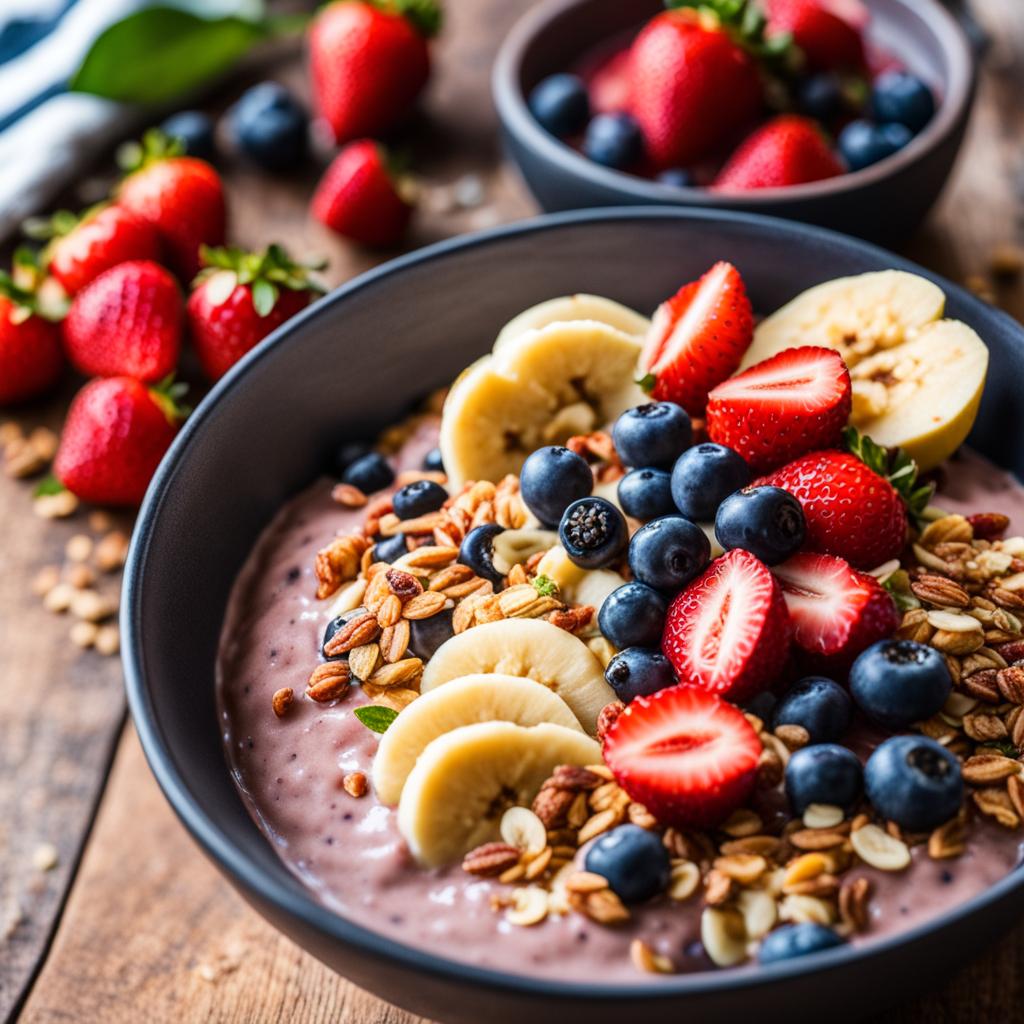
Table: Culinary Uses of Ripe Bananas
| Dish | Description |
|---|---|
| Banana Bread | Ripe bananas add moisture and natural sweetness to this classic baked treat. |
| Smoothies | Blending ripe bananas with other fruits creates a creamy and nutritious beverage. |
| Pancakes | Mashing ripe bananas into pancake batter adds a delightful sweetness and subtle banana flavor. |
| Curries | Ripe bananas can be incorporated into curries to add a touch of sweetness and balance out spicy flavors. |
| Ice Cream | Blending ripe bananas with frozen fruits creates a dairy-free and naturally sweet ice cream alternative. |
These are just a few examples of the many culinary uses of ripe bananas. They can also be used in muffins, cakes, pies, and even savory dishes like banana salsa or banana-infused sauces. The possibilities are endless, and experimenting with ripe bananas in the kitchen can lead to delicious and creative results.
So, the next time you have ripe bananas on hand, don't limit yourself to just eating them as a snack. Let your culinary imagination run wild and explore the many exciting ways you can incorporate ripe bananas into your recipes. You'll be amazed at how their flavor and texture can elevate your dishes to new heights.
Easy Tips for Determining Ripeness
When it comes to choosing the perfect banana, determining its ripeness is key. Here are some easy tips to help you identify if a banana is ripe:
- Check the color: A ripe banana should have a vibrant yellow color with a few brown speckles. Green bananas are under-ripe, while brown ones are over-ripe.
- Assess the aroma: Ripe bananas have a sweet, fruity scent. Give it a sniff, and if it smells deliciously fragrant, it's likely ripe.
- Gently squeeze for firmness: A ripe banana should have a slight give when gently squeezed. If it feels too firm or overly soft, it may not be at its optimal ripeness.
- Consider the spots: Look for brown speckles on the banana's skin, as they indicate ripeness. Green spots suggest that the banana is still under-ripe.
By using these easy tips, you can confidently select ripe bananas every time. Remember, the ripeness of bananas can vary based on personal preferences, so choose the level of ripeness that suits your taste and intended use.
Why It Matters
Determining the ripeness of a banana is essential for optimal flavor and texture. Ripe bananas offer a sweeter taste and a softer, creamier texture that is perfect for eating on their own or adding to various recipes. Additionally, ripe bananas are rich in essential nutrients, including potassium, fiber, and vitamins, making them a healthy choice for any diet.
"Choosing a ripe banana ensures that you get the best taste and texture. It's all about personal preference, so don't be afraid to experiment and find the perfect level of ripeness for you."
With these easy tips, you can confidently select ripe bananas that are just right for your needs. Whether you're enjoying them as a quick and nutritious snack or incorporating them into your favorite recipes, ripe bananas are sure to add a burst of flavor and goodness to your day.
The Best Time to Buy Bananas
When it comes to buying bananas, timing is everything. The ripeness of bananas can greatly impact their flavor and texture, so it's important to choose them wisely.
For those who prefer slightly under-ripe bananas with a hint of green, it's best to purchase them when they are still firm and have minimal spots. These bananas will continue to ripen over the next few days, allowing you to enjoy them at your desired level of ripeness. On the other hand, if you prefer fully ripe bananas with a softer texture and sweeter taste, look for ones that are mostly yellow with some brown speckles. These bananas are at their peak ripeness and can be enjoyed right away.
Expert advice suggests considering your own ripeness timeline when buying bananas. If you plan on consuming them within a day or two, opt for bananas that are already at your desired ripeness. However, if you prefer to have a longer window before they become over-ripe, choose bananas that are slightly less ripe. By purchasing bananas based on your own preferences and ripeness timeline, you can ensure that they will be at their best when you're ready to enjoy them.
Tips for Buying Bananas:
- Choose firm bananas with minimal spots if you prefer them slightly under-ripe.
- Look for bananas that are mostly yellow with brown speckles for a sweeter taste and softer texture.
- Consider your own ripeness timeline and buy bananas accordingly.
Keeping Bananas Fresh
When it comes to keeping bananas fresh, there are a few strategies you can employ to prolong their ripeness and enjoy their deliciousness for longer. One key factor to consider is ethylene gas, which is naturally produced by bananas and accelerates their ripening process. To prevent over-ripening, it's important to keep bananas separate from other fruits, as they can release ethylene gas and speed up the ripening of nearby produce.
In addition to keeping bananas away from other fruits, another simple trick is to wrap plastic wrap around the stems. This helps to contain the release of ethylene gas and slows down the ripening process. By doing so, you can extend the lifespan of your bananas and ensure they stay fresh for longer.
If you find yourself with ripe bananas that you can't consume in time, don't fret! Freezing ripe bananas is a great way to preserve them and have them on hand for future use. Simply peel the bananas, place them in a freezer-safe bag, and store them in the freezer. Frozen ripe bananas are perfect for making delicious smoothies or even baking banana bread.
Table: Tips for Keeping Bananas Fresh
| Tips | Description |
|---|---|
| Separate from other fruits | Prevent the release of ethylene gas by keeping bananas away from other fruits. |
| Wrap the stems | Slow down the ripening process by wrapping plastic wrap around the stems of bananas. |
| Freeze ripe bananas | Preserve ripe bananas by peeling and freezing them for later use in smoothies or baking. |
Conclusion
In conclusion, determining the ripeness of a banana is essential for enjoying its delicious flavor and texture. By examining the color, spots, aroma, and texture, you can easily identify a ripe banana. Look for a yellow color with a few brown speckles, as well as a sweet and fruity scent. When gently squeezed, the banana should have a slight give without feeling overly soft or mushy. Additionally, brown speckles indicate ripeness, while green spots suggest under-ripeness.
Ripe bananas offer not only a tasty snack but also a rich source of essential nutrients. They are packed with vitamins, minerals, and dietary fiber, contributing to a healthy and well-balanced diet. Furthermore, ripe bananas can be incorporated into a wide range of culinary creations, from baked goods to smoothies, adding natural sweetness and moisture.
By following these tips and considering your personal preferences, you can confidently choose ripe bananas and avoid the disappointment of under-ripe or over-ripe fruit. Take the time to select the perfect banana, and savor its deliciousness in every bite. Enjoy your perfectly ripe bananas, and embrace the versatility and nutritional value they bring to your meals and snacks!
Source Links
- https://www.tasteofhome.com/article/how-to-quickly-ripen-bananas/
- https://food-hacks.wonderhowto.com/how-to/natures-secret-code-pick-perfectly-ripe-fruit-every-time-0156925/
- https://www.dailymail.co.uk/femail/food/article-5912443/Photo-guide-revealing-ripe-bananas-theyre-eaten-goes-viral-Instagram.html
Frequently asked questions
- How do I tell if a banana is ripe?
You can determine the ripeness of a banana by examining its color, spots, aroma, and texture.
- What color should a ripe banana be?
A ripe banana should be yellow with a few brown speckles.
- How do spots on a banana indicate ripeness?
Brown speckles on a yellow banana indicate ripening, while green spots indicate under-ripeness.
- How can I tell if a banana is ripe by its aroma?
Ripe bananas have a distinct fruity scent that becomes stronger as they ripen.
- How can I determine the ripeness of a banana by its texture?
Ripe bananas should be firm with a slight give when gently squeezed.
- Why do bananas ripen at different rates?
Bananas continue to ripen after they are harvested due to the release of ethylene gas. This is why bananas in a bunch often ripen at different rates.
- What are the health benefits of ripe bananas?
Ripe bananas are a good source of vitamins, minerals, and dietary fiber, which can contribute to a well-balanced and nutritious eating plan.
- How can I use ripe bananas in recipes?
Ripe bananas can be used in a variety of recipes, including banana bread, smoothies, pancakes, muffins, banana chips, and frozen banana pops.
- How can I store ripe bananas to prolong their ripeness?
Placing ripe bananas in the refrigerator can slow down the ripening process and extend their shelf life. However, the skin may turn brown in the refrigerator.
- What nutritional value do ripe bananas offer?
Ripe bananas are a good source of vitamins, including vitamin C and vitamin B6, as well as minerals like potassium, magnesium, and manganese.
- Are there any quick kitchen hacks for identifying ripe bananas?
You can try shaking a banana gently and listening for a slight rattling sound or looking at the stem end of the banana to see if it is easy to remove.
- How can ripe bananas be used as a flavor enhancer in culinary creations?
Ripe bananas can add sweetness, moistness, and richness to various dishes, including smoothies, milkshakes, baked goods, and desserts.
- What are some easy tips for determining the ripeness of a banana?
Check the color, assess the aroma, gently squeeze for firmness, and consider the spots on the banana.
- When is the best time to buy bananas?
The best time to buy bananas depends on your personal preference and how quickly you plan to consume them.
- How can I keep bananas fresh and prolong their ripeness?
To keep bananas fresh, store them separate from other fruits to prevent the release of ethylene gas. Placing plastic wrap around the stems can also slow down the release of gas.
- What is the summary of determining the ripeness of a banana?
By considering factors such as color, spots, aroma, and texture, you can easily identify a ripe banana and enjoy its delicious flavor and nutritional benefits.
AprilCook, recipe developer and the heart of Chefwiz. More about April