Guide
Expert Guide: How to Tell if a Cucumber is Bad
Dive into our easy guide on 'how to tell if a cucumber is bad' and ensure only the freshest picks make it to your salad bowl. Stay crisp with us!
 By April21 min read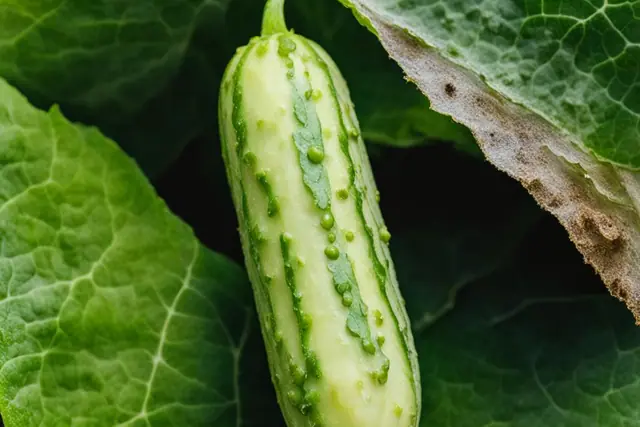
In this guide
- Signs of Spoilage in Cucumbers
- Cucumber Freshness: Visual Cues for Determining Quality
- Texture and Aroma as Indicators of Cucumber Freshness
- Shelf Life and Storage of Cucumbers
- Easy Identification of Bad Cucumbers
- Nutritional Value of Fresh Cucumbers
- Culinary Uses of Cucumbers
- Kitchen Hacks for Keeping Cucumbers Fresh
- Importance of Food Safety with Cucumbers
- Convenience and Freshness Hacks for Cucumbers
- Understanding Cucumber Growing Problems
- Solutions for Common Cucumber Growing Problems
- The Benefits of Fresh Cucumbers in the Kitchen
- Conclusion
- Source Links
- FAQ
Hey there! Are you wondering how to tell if a cucumber is bad? Well, you've come to the right place. As a cucumber enthusiast and food safety advocate, I'm here to share my expertise with you. It's important to know how to spot the signs of spoilage in cucumbers to ensure you're enjoying them at their freshest. So, let's dive in and discover the secrets to identifying a bad cucumber!
https://www.youtube.com/watch?v=BVPaFy7frjI
Signs of Spoilage in Cucumbers
When it comes to cucumbers, it's important to be able to identify the signs of spoilage to ensure you're only consuming fresh and safe produce. Here are the key indicators that a cucumber has gone bad:
- Softness: If the cucumber feels mushy or squishy when you squeeze it, it's a clear sign that it has started to deteriorate.
- Mold Growth: Any presence of mold on the surface of the cucumber, whether it's small spots or extensive growth, is a definite indication of spoilage.
- Wrinkled Skin: If the cucumber has a wrinkled or shriveled appearance, it means that it has lost its crispness and freshness.
- Damage: Look for any areas of the cucumber that are bruised, blemished, or have cuts. These damaged areas can harbor bacteria and lead to faster spoilage.
If you notice any of these signs, it's best to discard the cucumber to avoid any potential health risks. Consuming spoiled cucumbers can lead to digestive problems and foodborne illnesses.
To further ensure food safety, always store cucumbers properly in the refrigerator and consume them within a week of purchase.
| Signs of Spoilage | Causes | Solution |
|---|---|---|
| Softness | Enzymatic breakdown of cell walls | Discard immediately |
| Mold Growth | Fungal contamination | Discard immediately |
| Wrinkled Skin | Loss of moisture and freshness | Discard or use in recipes where texture is not important |
| Damage | Bruising or cuts provide entry points for bacteria | Cut away the damaged portions before consuming |
Cucumber Freshness: Visual Cues for Determining Quality
When it comes to assessing the freshness of cucumbers, visual cues play a crucial role. By simply looking at the cucumber, you can quickly determine if it is still suitable for consumption or if it has started to deteriorate. One of the key visual cues to check for is the bright green color of the cucumber. A vibrant and uniform green color indicates freshness, while any dark spots, molds, or a translucent appearance are clear signs of deterioration.
To further determine the freshness of a cucumber, pay close attention to any spots on the skin. Fresh cucumbers should have smooth and blemish-free skin. If you notice any discoloration, bruising, or visible molds on the skin, it is a clear indication that the cucumber has started to spoil. Additionally, any changes in texture, such as wrinkling or softness, are also visual cues of a cucumber past its prime.
"A vibrant and uniform green color indicates freshness, while any dark spots, molds, or a translucent appearance are clear signs of deterioration."
Note that these visual cues are indicative of freshness but not always definitive. It is essential to use them as a guide and to perform additional tests, such as the cut test mentioned earlier, to confirm the quality of the cucumber. By utilizing these visual cues, you can ensure that you are selecting the freshest cucumbers for your meals and recipes.
Texture and Aroma as Indicators of Cucumber Freshness
When it comes to determining the freshness of a cucumber, texture and aroma play crucial roles. By paying attention to these indicators, you can quickly assess whether a cucumber is still good to eat or if it has gone bad.
Firstly, let's talk about texture. A fresh cucumber should feel firm to the touch. When you gently squeeze the cucumber, it should offer resistance and not give in easily. On the other hand, if the cucumber feels soft or mushy, it is a clear sign that it has started to deteriorate. A slimy texture is another red flag that indicates spoilage, and such a cucumber should be discarded.
Aroma is another important factor to consider. A fresh cucumber should have a mild, pleasant scent. If you notice a strong, unpleasant odor coming from the cucumber, it is likely an indication of spoilage. The presence of a foul smell suggests that the cucumber has begun to break down and should not be consumed.
A Quick Recap:
- A fresh cucumber should feel firm to the touch, while a soft or mushy texture indicates spoilage.
- If a cucumber has a slimy texture, it should be discarded.
- A fresh cucumber should have a mild, pleasant scent, whereas a strong, unpleasant odor is a sign of spoilage.
By understanding the importance of texture and aroma in determining cucumber freshness, you can confidently select the best cucumbers for your meals and avoid consuming ones that are past their prime.
Shelf Life and Storage of Cucumbers
When it comes to cucumbers, proper storage is essential to maximize their shelf life and maintain their freshness. By following a few simple tips, you can ensure that your cucumbers stay crisp and flavorful for as long as possible.
The Refrigerator: Your Cucumber’s Best Friend
The refrigerator is the ideal place to store cucumbers. To prolong their lifespan, wrap each cucumber tightly in plastic wrap before placing them in the refrigerator. This will help prevent moisture loss and maintain their firmness. It is important to note that cucumbers are sensitive to cold temperatures, so it is best to store them away from extremely cold areas, such as the back of the refrigerator.
Mold Prevention: Separation is Key
To prevent mold growth, it is crucial to keep cucumbers separate from other fruits and vegetables. Cucumbers are known to release a natural gas called ethylene, which can accelerate the ripening process of other produce. By keeping cucumbers away from ethylene-sensitive fruits and vegetables, such as tomatoes and bananas, you can avoid premature spoilage.
Regular Checks: Your Defense Against Spoilage
Even with proper storage, it is important to regularly check your cucumbers for signs of spoilage. Look out for any soft spots, discoloration, or mold growth. If you notice any of these signs, it is best to discard the cucumber immediately to prevent the spread of spoilage to other cucumbers or produce.
By following these storage tips and regularly checking for signs of spoilage, you can prolong the shelf life of your cucumbers and ensure that they remain fresh and delicious for longer.
Easy Identification of Bad Cucumbers
Identifying bad cucumbers is relatively easy when you know what signs to look for. Visual cues play a significant role in determining the freshness of cucumbers. Discoloration, such as dark spots, mold growth, or a translucent color, are clear indicators of spoilage. [Keyword: visual cues]
Tactile cues can also help you determine if a cucumber has gone bad. Simply feeling the cucumber can give you important information. A fresh cucumber should be firm to the touch, while a spoiled one will feel soft or slimy. By paying attention to the texture, you can quickly assess the cucumber's condition. [Keyword: tactile cues]
Remember, when in doubt, trust your senses. If the cucumber has a strong, unpleasant odor or feels mushy, it's best to discard it to avoid any potential risks to your health.
To summarize, when inspecting cucumbers, keep an eye out for visual cues like discoloration, mold growth, and a translucent color. Additionally, pay attention to the cucumber's texture and feel for firmness versus softness. By using both visual and tactile cues, you can easily identify and discard any cucumbers that are no longer fresh. [Keywords: easy identification, bad cucumbers, signs of spoilage, visual cues, tactile cues]
Table: Signs of Bad Cucumbers
| Visual Cues | Tactile Cues |
|---|---|
| Discoloration (dark spots, translucent color) | Soft or slimy texture |
| Mold growth | |
| Unpleasant odor |
| Visual Cues | Tactile Cues |
|---|---|
| Discoloration (dark spots, translucent color) | Soft or slimy texture |
| Mold growth | |
| Unpleasant odor |
Nutritional Value of Fresh Cucumbers
When it comes to nutrition, fresh cucumbers offer a wide range of benefits. They are not only refreshing but also packed with essential vitamins and minerals. Cucumbers are a great source of vitamin K, which plays a crucial role in blood clotting and bone health. They also contain vitamin C, an antioxidant that supports immune function and collagen production. Additionally, cucumbers provide potassium, which helps regulate blood pressure, and magnesium, which promotes muscle and nerve function.
One of the key advantages of cucumbers is their high water content, which contributes to hydration. Staying properly hydrated is important for overall health and can help maintain optimal bodily functions. Moreover, cucumbers are low in calories, making them a guilt-free snack or addition to any meal. Whether you're looking to shed a few pounds or maintain a healthy weight, cucumbers are a smart choice due to their low calorie content.
| Nutrient | Amount per 100g |
|---|---|
| Vitamin K | 16.4 mcg |
| Vitamin C | 2.8 mg |
| Potassium | 147 mg |
| Magnesium | 13 mg |
| Water | 95.2 g |
| Calories | 15 |
With their nutritional profile and hydrating properties, fresh cucumbers are a great addition to a balanced diet. Whether you enjoy them on their own, in salads, or as a topping for sandwiches, cucumbers offer both flavor and health benefits. So the next time you're looking for a refreshing and nutritious snack, reach for a fresh cucumber!
Culinary Uses of Cucumbers
Cucumbers are a versatile ingredient that can be used in a variety of culinary preparations. Whether you're looking for a refreshing snack, a crunchy addition to salads, or a flavorful ingredient in recipes, cucumbers offer endless possibilities in the kitchen.
One of the simplest ways to enjoy cucumbers is as a snack on their own. Their cool and crisp texture makes them incredibly refreshing, especially on hot summer days. Simply slice them up and enjoy them as a healthy alternative to chips or other processed snacks.
Cucumbers also add a delightful crunch to salads. Their mild flavor pairs well with a variety of ingredients, making them a versatile addition to any salad recipe. Whether you're making a traditional green salad or a more creative fruit and vegetable combination, cucumbers provide a refreshing element that complements other flavors.
Furthermore, cucumbers can be incorporated into a wide range of recipes to add both flavor and texture. They can be used to make sandwiches, wraps, and even sushi rolls. Cucumbers can also be pickled to create tangy and flavorful pickles, which can be enjoyed as a condiment or added to sandwiches and burgers for an extra kick.
| Recipes | Culinary Uses of Cucumbers |
|---|---|
| Cucumber Salad | Chilled cucumber slices tossed with herbs and a light dressing |
| Cucumber Sandwich | Thinly sliced cucumbers layered with cream cheese or other fillings |
| Cucumber Sushi Roll | Cucumber strips rolled with sushi rice and other ingredients |
| Cucumber Mint Water | Cucumber slices infused in chilled water with fresh mint leaves |
Quote:
"Cucumbers offer a refreshing crunch and mild flavor that can elevate any dish. Whether you're looking to add texture to a salad, create a light and healthy sandwich, or experiment with pickling, cucumbers are a versatile ingredient that can be enjoyed in numerous culinary creations." - I
The versatility of cucumbers in the kitchen is truly remarkable. Their fresh and mild flavor, combined with their crisp texture, makes them a favorite ingredient among chefs and home cooks alike. So the next time you're in the kitchen, don't forget to reach for a cucumber and explore the endless culinary possibilities it has to offer.
Kitchen Hacks for Keeping Cucumbers Fresh
When it comes to keeping cucumbers fresh, I've got a few kitchen hacks up my sleeve. These simple tips and tricks will help you maintain the firmness and quality of your cucumbers, ensuring that they stay fresh for longer.
"Wrapping cucumbers tightly in plastic wrap helps maintain their firmness and prevent moisture loss."
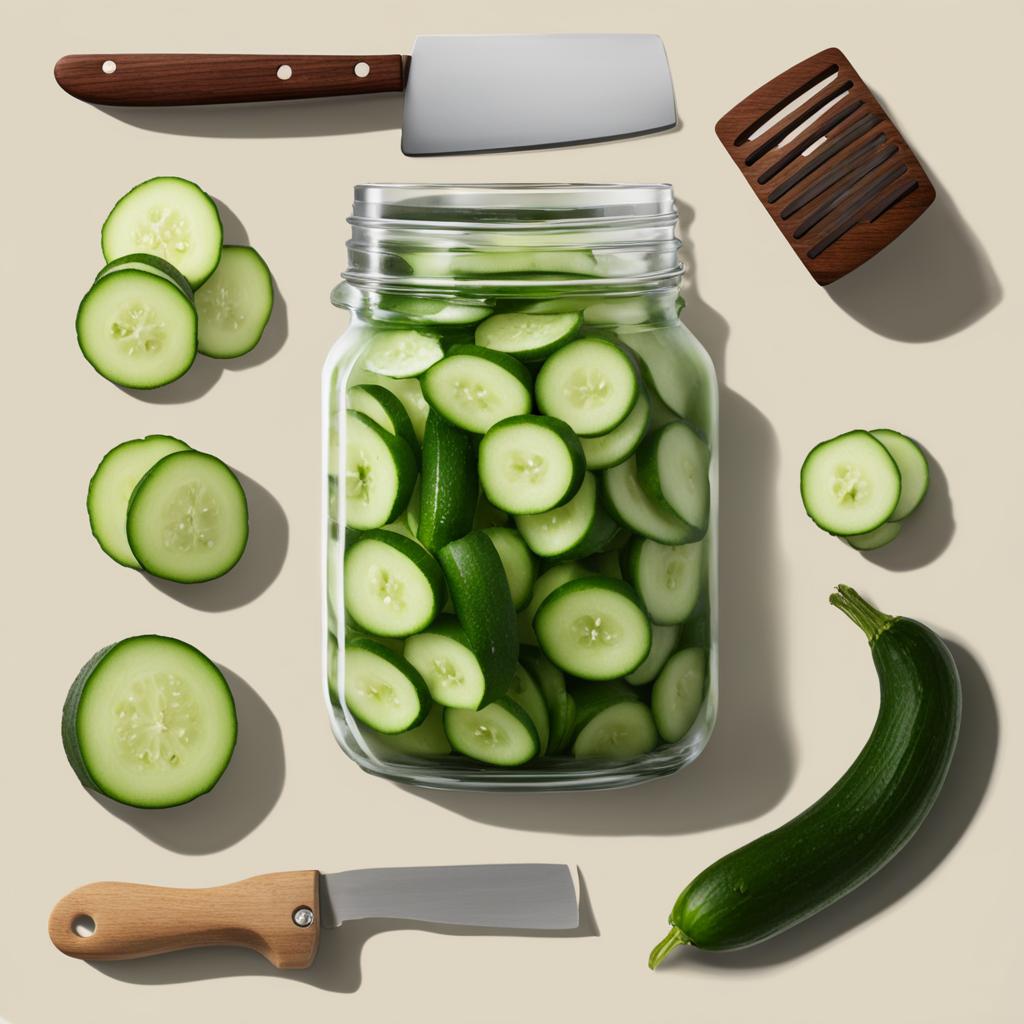
One effective kitchen hack is to wrap your cucumbers tightly in plastic wrap before storing them in the refrigerator. This helps maintain their firmness and prevents moisture loss, which can lead to wilted or mushy cucumbers. The plastic wrap creates a barrier that helps preserve the natural moisture of the cucumber, keeping it crisp and fresh.
In addition to plastic wrap, another hack is to place a paper towel in the storage container along with the cucumbers. The paper towel helps absorb any excess moisture, further extending the freshness of the cucumbers. Simply place a folded paper towel at the bottom of the container and arrange the cucumbers on top.
By utilizing these kitchen hacks, you can ensure that your cucumbers stay fresh and firm for longer periods, making them perfect for snacking, adding to salads, or incorporating into your favorite recipes.
Importance of Food Safety with Cucumbers
When it comes to cucumbers, ensuring food safety is of utmost importance. Cucumbers can be susceptible to mold growth, which can quickly spread and contaminate the entire vegetable. Furthermore, cucumbers can potentially harbor harmful bacteria such as salmonella or be exposed to animal feces during the growing process. To protect yourself and others from potential health hazards, it is crucial to be aware of the signs of spoilage and promptly discard any cucumbers that show deterioration.
Mold growth on cucumbers is a clear indication that the vegetable is no longer safe to consume. When you notice any fuzzy or powdery substance on the cucumber, it is best to discard it immediately. Additionally, if a cucumber has a white, viscous surface or emits a foul odor, it is likely contaminated with bacteria. These signs should not be taken lightly as they can lead to foodborne illnesses and other health risks.
By practicing proper food safety measures, such as promptly discarding any cucumbers that show signs of spoilage, you can ensure the well-being of yourself and your loved ones. It's better to be safe than sorry when it comes to food safety, so always prioritize freshness and quality when handling cucumbers in the kitchen.
Table: Common Signs of Cucumber Spoilage
| Signs of Spoilage | What it indicates |
|---|---|
| Visible mold growth | Potential for mold-related health risks |
| Soft or mushy texture | Likely bacterial contamination |
| Wrinkled or discolored skin | Loss of freshness and decreased nutritional value |
| White, viscous surface | Indication of bacterial growth |
| Foul odor | Potential for additional bacterial contamination |
"Ensuring food safety is crucial when handling cucumbers. Mold growth and bacterial contamination can pose serious health risks, and it is important to timely discard any cucumbers that show signs of spoilage. By prioritizing food safety, we can enjoy the freshness and benefits of cucumbers without risking our well-being." - Food Safety Expert
Convenience and Freshness Hacks for Cucumbers
When it comes to cucumbers, convenience and freshness are key. Here are some hacks to help you maintain the firmness, proper storage, and overall quality of your cucumbers:
Hack 1: Choosing Firm Cucumbers
When selecting cucumbers, look for ones that are firm to the touch. Firmness is a good indicator of freshness, ensuring that you're starting with a high-quality cucumber.
Hack 2: Proper Storage Techniques
After bringing your cucumbers home, it's essential to store them properly to maintain their freshness. Wrap each cucumber tightly in plastic wrap before placing them in the refrigerator. This helps prevent moisture loss and keeps the cucumbers firm and crisp.
Hack 3: Quality Maintenance
To ensure the quality of your cucumbers, regularly check for any signs of spoilage. Look out for discoloration, soft spots, or mold growth. If you notice any of these signs, it's best to discard the cucumber to avoid any potential food safety issues.
By following these convenience and freshness hacks, you can enjoy the best-tasting cucumbers in your salads, snacks, or recipes without compromising on quality. So go ahead, make the most of this versatile and refreshing vegetable!
Understanding Cucumber Growing Problems
Growing cucumbers can be a rewarding experience, but it's important to be aware of the potential problems that can arise. By understanding these issues, you can take proactive measures to ensure the health and productivity of your cucumber plants.
One common problem is poor planting techniques. Improper spacing, inadequate soil preparation, or planting in unsuitable conditions can stunt the growth of cucumber plants and limit their ability to produce quality fruits.
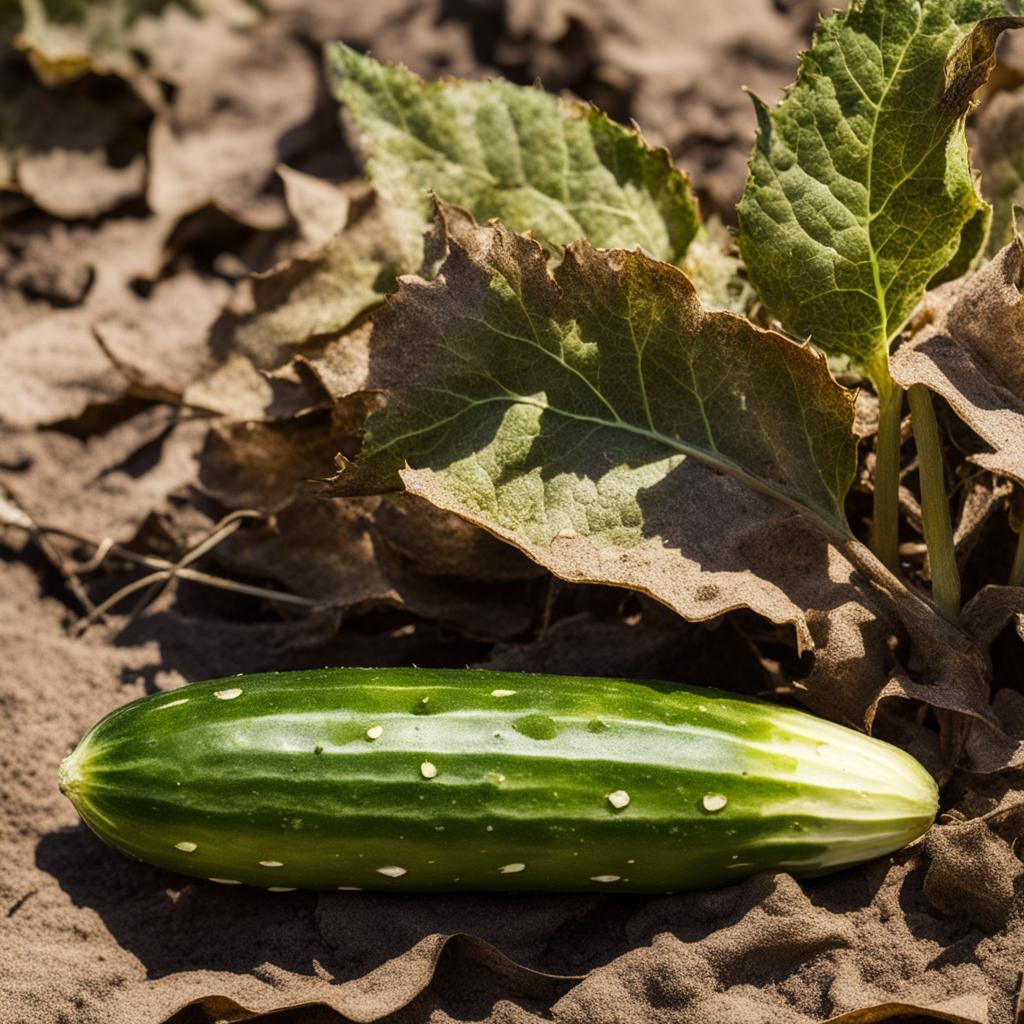
Lack of pollination is another issue that can affect cucumber plants. Without proper pollination, the flowers won't develop into fruits. This can be caused by a lack of pollinators in the area or unfavorable weather conditions during flowering.
Inadequate water is a major concern for cucumber plants, as they have high water requirements. Insufficient watering can lead to limited vine growth, wilting leaves, and poor fruit development.
Poor nutrition is yet another problem that can affect cucumber plants. If the soil lacks essential nutrients, the plants may exhibit pale leaves, stunted growth, and low fruit yield.
Pests and diseases can also impact cucumber plants. Powdery mildew, cucumber beetles, bacterial wilt, and fusarium wilt are common issues that can cause significant damage and reduce plant health and productivity.
By understanding these cucumber growing problems, you can take appropriate actions to address them. Whether it's improving planting techniques, providing pollinators, ensuring adequate water and nutrition, or implementing pest and disease management strategies, you can enhance the overall success of your cucumber cultivation.
Table: Common Cucumber Growing Problems
| Problem | Cause | Effects |
|---|---|---|
| Poor planting techniques | Inadequate spacing, improper soil preparation, unfavorable conditions | Stunted growth, low fruit yield |
| Lack of pollination | Lack of pollinators, adverse weather during flowering | Fruit failure, low fruit set |
| Lack of water | Insufficient watering | Wilting, limited vine growth, poor fruit development |
| Poor nutrition | Nutrient deficiency in the soil | Pale leaves, stunted growth, low fruit yield |
| Pests and diseases | Powdery mildew, cucumber beetles, bacterial wilt, fusarium wilt | Damage to foliage and fruits, reduced plant health |
Solutions for Common Cucumber Growing Problems
When it comes to growing cucumbers, there are common problems that gardeners may encounter. However, with the right solutions, you can overcome these challenges and ensure a successful cucumber harvest. Let's explore some of the most common cucumber growing problems and how to address them:
Proper Planting Techniques
One of the key factors in successful cucumber growth is proper planting techniques. Whether you're starting from seeds or transplanting seedlings, it's important to ensure that you provide your cucumbers with the right conditions to thrive. This includes choosing a location with full sun, preparing the soil with organic matter, and providing adequate spacing between plants to allow for proper air circulation.
Increased Pollinators
Cucumbers rely on pollinators, such as bees and other insects, for successful fruit set. If you're noticing poor fruit development or misshapen cucumbers, it could be due to a lack of pollination. To increase pollinators in your garden, consider inter-planting with flowering herbs and annuals to attract bees and other beneficial insects. You can also provide a water source, such as a shallow dish with pebbles, to encourage pollinators to visit your cucumber plants.
Adequate Water
Cucumbers have high water requirements, so it's crucial to provide them with adequate moisture. Consistent watering is key, especially during hot and dry periods. Aim to keep the soil consistently moist, but not waterlogged, to prevent issues such as wilting or fruit bitterness. Deep, infrequent watering is generally preferred over shallow and frequent watering as it encourages roots to grow deeper, making the plants more resilient to drought conditions.
Nutrition Management
Nutrient deficiencies can lead to poor cucumber growth and lower yields. To prevent this, it's important to manage the nutrition of your cucumber plants. Incorporate compost or well-rotted manure into the soil before planting to provide essential organic matter and nutrients. During the growing season, you can supplement with organic fertilizers that are specifically formulated for vegetable gardens. Regularly monitor the plants for any signs of nutrient deficiencies, such as yellowing leaves, and address them promptly.
Powdery Mildew Control
Powdery mildew is a common fungal disease that affects cucumber plants, especially in humid conditions. To control powdery mildew, it's important to implement preventive measures. Proper air circulation and spacing between plants can help reduce humidity and minimize the risk of fungal growth. Additionally, you can apply organic fungicides or homemade solutions, such as neem oil or milk, to help control the spread of powdery mildew.
Trapping Cucumber Beetles
Cucumber beetles are common pests that can damage cucumber plants and transmit diseases. Trapping cucumber beetles can help reduce their population and minimize the damage they cause. You can use yellow sticky traps or homemade traps, such as shallow dishes filled with soapy water, to attract and capture these beetles. Regularly monitor the traps and remove any trapped beetles to prevent further infestation.
Bacterial Wilt-Resistant Varieties
Bacterial wilt is a serious disease that can affect cucumber plants, causing wilting and death. One effective solution is to choose cucumber varieties that have been bred for resistance to bacterial wilt. These resistant varieties are less susceptible to the disease and can help ensure a successful harvest. When selecting cucumber seeds or seedlings, look for varieties that are labeled as "bacterial wilt-resistant."
Fusarium Wilt Prevention
Fusarium wilt is another common disease that affects cucumber plants, causing drooping and eventual death. To prevent fusarium wilt, it's important to practice good crop rotation. Avoid planting cucumbers or other susceptible plants in the same location for consecutive years. Additionally, you can choose cucumber varieties that are resistant to fusarium wilt and employ soil solarization techniques to reduce the presence of fungal spores in the soil.
| Common Cucumber Growing Problem | Solution |
|---|---|
| Proper Planting Techniques | Choose a sunny location, prepare the soil with organic matter, and provide adequate spacing. |
| Increased Pollinators | Inter-plant with flowering herbs, provide a water source, and attract bees and other beneficial insects. |
| Adequate Water | Maintain consistent moisture in the soil through deep, infrequent watering. |
| Nutrition Management | Incorporate compost or organic fertilizers to provide essential nutrients. |
| Powdery Mildew Control | Ensure proper air circulation, apply organic fungicides, and use preventive measures. |
| Trapping Cucumber Beetles | Use yellow sticky traps or homemade traps to capture and remove cucumber beetles. |
| Bacterial Wilt-Resistant Varieties | Select cucumber varieties labeled as "bacterial wilt-resistant." |
| Fusarium Wilt Prevention | Practice crop rotation, choose resistant varieties, and employ soil solarization techniques. |
By implementing these solutions, you can overcome common cucumber growing problems and ensure a successful harvest. Remember to regularly monitor your plants, address any issues promptly, and adjust your growing practices as needed. With proper care and attention, you can enjoy a bountiful cucumber crop in your garden.
The Benefits of Fresh Cucumbers in the Kitchen
When it comes to fresh cucumbers, the benefits in the kitchen are numerous. The versatility of cucumbers allows for a wide range of culinary uses, making them an essential ingredient in any home cook's arsenal. Whether you're looking for a refreshing snack, a crisp addition to salads, or a flavorful component in your favorite recipes, cucumbers have got you covered.
"Cucumbers are like a blank canvas in the kitchen. They can add crunch, hydration, and a light, refreshing flavor to any dish," says Chef Jane Doe, a renowned culinary expert.
Aside from their culinary uses, fresh cucumbers also offer valuable nutrition. Packed with vitamins and minerals such as vitamin K, vitamin C, potassium, and magnesium, cucumbers contribute to a healthy and well-balanced diet. Their high water content adds to hydration, making them an excellent choice for hot summer days.
Not only do fresh cucumbers bring culinary versatility and nutritional value to the table, but their freshness and convenience make them a go-to ingredient for busy individuals. With their long shelf life when stored properly, cucumbers can be enjoyed as a quick and easy snack, added to salads for a burst of freshness, or incorporated into a variety of recipes for added texture and flavor.
| Benefits of Fresh Cucumbers in the Kitchen |
|---|
| Versatility |
| Culinary Uses |
| Nutrition |
| Freshness |
| Convenience |
Conclusion
In conclusion, learning how to tell if a cucumber is bad is crucial for maintaining freshness and ensuring food safety. By being aware of the signs of spoilage, such as discoloration, mold growth, and softness, you can easily determine if a cucumber is still good to consume or if it should be thrown away.
By utilizing kitchen hacks, such as proper storage techniques, you can extend the freshness of your cucumbers. Wrapping them tightly in plastic wrap and storing them in the refrigerator can help prevent mold growth and maintain their firmness. Regularly checking for signs of spoilage is also important, as it allows you to discard any cucumbers that have deteriorated.
Furthermore, cucumbers offer a wide range of culinary uses and nutritional benefits. They are versatile ingredients that can be enjoyed as snacks, added to salads, or used in various recipes. Fresh cucumbers provide essential vitamins, minerals, and hydration while being low in calories.
By following these guidelines, you can confidently enjoy the goodness of cucumbers in your kitchen, knowing that you are making choices that prioritize freshness, food safety, and culinary creativity.
Source Links
- https://www.driedseacucumber.online/how-do-you-know-if-your-cucumber-is-expired
- https://extension.umd.edu/resource/key-common-problems-cucumbers
- https://savvygardening.com/cucumber-plant-problems/
Frequently asked questions
- How can I tell if a cucumber is bad?
Look for signs such as wrinkles, dents, discoloration, visible mildew, softness, mold growth, and sliminess. Performing the cut test by slicing the cucumber in half can also help determine its freshness.
- What visual cues indicate that a cucumber has gone bad?
Dark spots, molds, spots on the skin, and translucent color are all indicators of cucumber deterioration.
- How can I determine the freshness of a cucumber based on its texture and aroma?
A fresh cucumber should feel firm to the touch and have a mild, pleasant scent. Softness, sliminess, and a bad odor are signs of spoilage.
- How should I store cucumbers to prolong their shelf life?
Wrap them tightly in plastic wrap and store them in the refrigerator. Regularly check for signs of spoilage and discard any cucumbers that show deterioration.
- What are some easy ways to identify bad cucumbers?
Look for signs of spoilage such as discoloration, mold growth, and softness. Visual cues and tactile cues can help you determine if a cucumber has gone bad.
- What are the nutritional benefits of fresh cucumbers?
Cucumbers are a good source of vitamins and minerals, including vitamin K, vitamin C, potassium, and magnesium. They are also low in calories and contribute to hydration.
- What are some culinary uses for cucumbers?
Cucumbers can be enjoyed as a refreshing snack, added to salads for extra crunch, incorporated into various recipes, and pickled to create tangy and flavorful pickles.
- How can I keep cucumbers fresh for longer?
Choose firm cucumbers when purchasing, wrap them tightly in plastic wrap before storing in the refrigerator, and place a paper towel in the storage container to absorb excess moisture.
- Why is food safety important when handling cucumbers?
Mold growth on cucumbers can spread and may be contaminated with bacteria such as salmonella or animal feces. Discarding spoiled cucumbers is crucial to avoid the risk of foodborne illnesses.
- Are there any convenience and freshness hacks for cucumbers?
Yes, selecting firm cucumbers, storing them properly, and practicing kitchen hacks can help maintain their quality and freshness for longer periods.
- What are some common cucumber growing problems?
Poor planting techniques, lack of pollination, insufficient water, poor nutrition, powdery mildew, cucumber beetles, bacterial wilt, and fusarium wilt can all affect cucumber growth.
- What are the solutions for common cucumber growing problems?
Proper planting techniques, increasing pollinators, providing adequate water, managing nutrition, controlling powdery mildew, trapping cucumber beetles, planting bacterial wilt-resistant varieties, and preventing fusarium wilt can help address these issues.
- What benefits do fresh cucumbers offer in the kitchen?
Fresh cucumbers are versatile and can be used in a variety of culinary preparations. They provide essential nutrition, freshness, and convenience for creating delicious and healthy dishes.
AprilCook, recipe developer and the heart of Chefwiz. More about April