Guide
Storing Shrimp for Peak Freshness
Discover my easy and effective guide on how to store shrimp, ensuring peak freshness every time. Enjoy juicy and flavorful seafood at your convenience!
 By April19 min read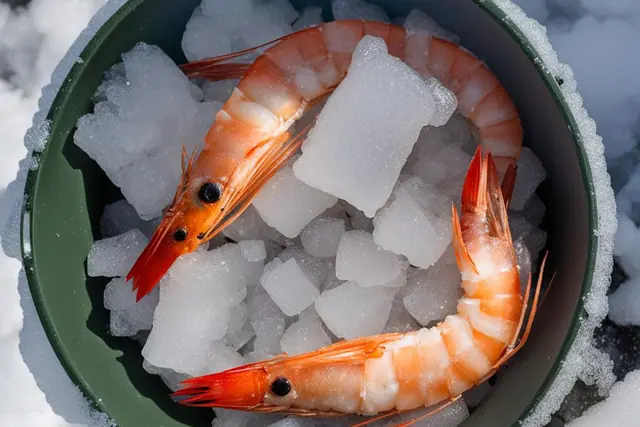
In this guide
When it comes to enjoying the delicious taste of shrimp, freshness is key. But how do you ensure that your shrimp stays at its peak freshness for as long as possible? In this article, I will share with you some expert tips and techniques on how to store shrimp to maintain its flavor, texture, and quality. From proper packaging and temperature control to avoiding cross-contamination, these methods will help you extend the shelf life of your shrimp and ensure it stays fresh for your next meal.
The Shelf Life of Shrimp
When it comes to storing shrimp, understanding its shelf life is crucial for maintaining its freshness and quality. Raw shrimp typically lasts in the fridge for 2-3 days, while cooked shrimp can last for 3-4 days. However, peeled shrimp has a shorter shelf life and should be consumed within 1-2 days of purchase. It's important to note that these timeframes may vary depending on the specific type of shrimp.
To ensure maximum freshness, it's recommended to purchase shrimp within a day or two of the sell-by date. This allows you to enjoy shrimp at its peak quality, as shrimp starts to deteriorate soon after its sell-by date. Checking the expiration date on the packaging is essential when making your purchase.
Proper storage methods are essential in extending the shelf life of shrimp. Storing raw or cooked shrimp in a container with a lid or a resealable plastic bag helps maintain its freshness. Additionally, keeping the shrimp at a temperature of 40°F or below is important to prevent spoilage. Avoid storing shrimp in the fridge door, as it is more prone to temperature fluctuations.
| Shrimp Type | Shelf Life in Fridge |
|---|---|
| Raw Shrimp | 2-3 days |
| Cooked Shrimp | 3-4 days |
| Peeled Shrimp | 1-2 days |
By understanding the shelf life of shrimp and following proper storage techniques, you can ensure that your shrimp remains fresh and safe for consumption. This knowledge allows you to plan your meals accordingly and minimize food waste.
Proper Shrimp Storage
When it comes to preserving the quality and freshness of shrimp, proper storage is key. By following a few simple guidelines, you can ensure that your shrimp stays safe to eat and maintains its delicious flavor.
Packaging
To keep shrimp fresh in the fridge, it's important to store them in a container with a lid or a resealable plastic bag. This helps to prevent exposure to air and moisture, which can lead to spoilage. Make sure the container or bag is clean and free from any contaminants.
Temperature Control
Another important aspect of proper shrimp storage is maintaining the right temperature. Shrimp should be kept at a temperature of 40°F or below, as this helps to slow down the growth of bacteria. Avoid storing shrimp in the fridge door, as this area is often subject to temperature fluctuations due to frequent opening and closing.
Cross-Contamination
To avoid cross-contamination, it's crucial to keep shrimp away from other foods in the fridge. Shrimp can release juices that may contain bacteria, which can contaminate other foods and lead to foodborne illnesses. Store them in a separate section or on a lower shelf to prevent any accidental contact with other items.
Table: Proper Shrimp Storage Guidelines
| Guideline | Description |
|---|---|
| Packaging | Store shrimp in a container with a lid or a resealable plastic bag to prevent exposure to air and moisture. |
| Temperature Control | Keep shrimp at a temperature of 40°F or below to slow down bacterial growth. |
| Cross-Contamination | Store shrimp separately from other foods to avoid the risk of cross-contamination. |
By following these proper shrimp storage methods, you can ensure that your shrimp stays fresh and safe to eat. Taking these extra precautions will help you enjoy delicious, high-quality shrimp in your favorite recipes.
Storing Cooked Shrimp
When it comes to storing cooked shrimp, it's essential to follow proper methods to maintain their freshness and flavor. One of the key considerations is to store cooked shrimp in an airtight container to prevent exposure to air, which can cause them to dry out and potentially spoil. By sealing the container tightly, you can help preserve the moisture and texture of the shrimp.
Before storing cooked shrimp, it's important to let them cool down to room temperature. Placing warm shrimp directly in the fridge can lead to condensation, which can affect their quality. Once cooled, transfer the shrimp to an airtight container, ensuring that it is completely sealed to prevent any air from entering.
Label the container with the date of preparation to keep track of its storage period. It's crucial to discard any cooked shrimp that has exceeded its recommended storage time or shows signs of spoilage, such as an off odor or sliminess. Regularly inspecting the shrimp and being mindful of their storage time will help ensure that you are consuming safe and delicious seafood.
Proper Storage Tips for Cooked Shrimp:
- Allow the shrimp to cool to room temperature before storing.
- Store cooked shrimp in an airtight container to prevent exposure to air.
- Label the container with the date of preparation.
- Discard any shrimp that has exceeded its storage time or shows signs of spoilage.
https://www.youtube.com/watch?v=R82tn02D9uo
| Storage Method | Recommended Storage Time |
|---|---|
| Airtight Container in the Fridge | 3-4 days |
| Freezing | Up to 6 months |
Refreshing Shrimp
When shrimp starts to lose its freshness, there are a variety of methods you can use to revive its flavor and texture. One option is to soak the shrimp in a flavorful marinade. This not only helps to infuse the shrimp with new flavors but also adds moisture and helps to tenderize the meat. Popular marinade ingredients for shrimp include garlic, lemon juice, olive oil, and various herbs and spices.
Another way to refresh shrimp is through the poaching method. Briefly poaching shrimp in boiling water can help to rejuvenate its taste and texture. Be careful not to overcook the shrimp during this process, as they can become rubbery if left in the boiling water for too long. Boiling the shrimp for just a few minutes until they turn pink and are no longer translucent is typically sufficient.
If you prefer to cook the shrimp, baking or sautéing them can also help to bring back their freshness. Baking the shrimp in the oven with some seasoning and a drizzle of olive oil can help to retain their natural flavors and bring them back to life. Similarly, sautéing the shrimp in a hot pan with some butter or oil can add a delicious caramelized flavor and restore their succulence.
| Method | Description |
|---|---|
| Marinade | Soak shrimp in a flavorful marinade to add moisture and tenderize the meat. |
| Poaching | Briefly cook shrimp in boiling water to rejuvenate its taste and texture. |
| Baking | Cook shrimp in the oven with seasoning and oil to bring back freshness. |
| Sautéing | Cook shrimp in a hot pan with butter or oil for a caramelized flavor. |
By utilizing these methods, you can refresh shrimp that has lost its freshness and enjoy a delicious meal. Whether you choose to marinate, poach, bake, or sauté, these techniques will help to revive the flavors and textures of your shrimp, allowing you to savor the taste of fresh seafood.
Freezing Shrimp
Freezing shrimp is a great way to extend its shelf life and always have this delicious seafood on hand. Proper freezing techniques ensure that the shrimp retains its quality and taste when thawed and cooked. In this section, I will guide you through the steps of freezing shrimp, including preparation, blanching, packaging, and labeling.

Preparation
Before freezing shrimp, it's important to clean and devein them. Start by removing the head and shell, leaving the tail intact if desired. Use a small knife to make a shallow incision along the back of the shrimp and remove the black vein. Rinse the shrimp under cold water to wash away any remaining debris.
Blanching
To preserve the quality and texture of frozen shrimp, blanching is crucial. Bring a pot of salted water to a boil and add the shrimp. Let them cook for 1-2 minutes until they turn pink. Blanching helps stop enzyme activity and preserves the shrimp's natural flavors.
Packaging and Labeling
After blanching, drain the shrimp and let them cool completely. Place the shrimp in an airtight container or wrap them tightly in foil or plastic wrap. Make sure there are no air pockets to prevent freezer burn. Label the package with the date of freezing, type of shrimp, and the quantity. This will help you keep track of the shrimp's freshness and ensure you use them within the recommended time.
By following these simple steps, you can freeze shrimp properly and enjoy their deliciousness even when they're out of season. Now let's move on to the next section, where I'll guide you on how to use frozen shrimp in your favorite recipes.
Using Frozen Shrimp
When you have frozen shrimp on hand, there are a few important things to keep in mind to ensure that they turn out delicious and perfectly cooked. Whether you're cooking them directly from frozen or thawing them first, these tips will help you get the best results.
Cooking Frozen Shrimp
If you're in a hurry or prefer the convenience, you can cook frozen shrimp directly without thawing them first. This is especially useful when you're making dishes that require a short cooking time, like stir-fries or pasta. Simply add the frozen shrimp to your hot pan or pot and cook for a few minutes until they turn pink and opaque. Be sure not to overcook them, as this can make them rubbery.
Defrosting Frozen Shrimp
If you prefer to thaw your frozen shrimp before cooking, there are a couple of methods you can use. The best way to defrost shrimp is to place them in the refrigerator overnight. This slow thawing process allows the shrimp to retain their moisture and flavor. If you're in a hurry, you can also defrost shrimp under cold running water. Place the frozen shrimp in a colander and run cold water over them until they are thawed. Be sure not to use warm or hot water, as this can partially cook the shrimp.
Rinsing and Cooking
Whether you cook frozen shrimp directly or thaw them first, it's important to rinse them before cooking. This helps remove any ice crystals or freezer burn that may have formed during freezing. Simply place the shrimp in a colander and rinse them under cold water for a few seconds. After rinsing, pat them dry with paper towels before cooking. Once your shrimp are rinsed and dried, you can proceed with your preferred cooking method.
By following these simple tips for using frozen shrimp, you can confidently create delicious meals without compromising on flavor or texture. So whether you're cooking directly from frozen or thawing them first, enjoy the convenience and versatility of frozen shrimp in your kitchen.
Safety Precautions
When it comes to handling and storing shrimp, taking safety precautions is essential to ensure the quality and safety of the seafood. By following these safety measures, you can minimize the risk of foodborne illnesses and enjoy shrimp that is safe for consumption.
Handwashing
One of the key safety precautions when handling shrimp is proper handwashing. Before and after touching raw or cooked shrimp, make sure to wash your hands with soap and warm water for at least 20 seconds. This helps remove any potential bacteria or contaminants that may be present on your hands.
Temperature Control
Controlling the temperature is crucial to prevent the growth and multiplication of harmful bacteria. Refrigerate raw shrimp at or below 40°F (4°C) to keep them at a safe temperature. Avoid leaving shrimp at room temperature for more than two hours, as this can promote bacterial growth.
Cross-Contamination
To avoid cross-contamination, it's important to store shrimp separately from other foods, especially those that will be consumed raw or with minimal cooking. Use separate cutting boards, utensils, and containers for handling shrimp to prevent the transfer of bacteria to other foods.
Signs of Spoilage
Lastly, it's essential to be able to recognize signs of spoilage in shrimp. If shrimp has a sour or fishy smell, or if it appears slimy or discolored, it is best to discard it. Consuming spoiled shrimp can lead to food poisoning, so it's better to be safe than sorry.
By following these safety precautions, including proper handwashing, temperature control, avoiding cross-contamination, and monitoring for signs of spoilage, you can ensure that the shrimp you consume is both delicious and safe.
Quality Indicators
When it comes to assessing the freshness and quality of shrimp, there are several key indicators to look out for. By examining the condition, color, and odor of the shrimp, you can easily determine if it is still suitable for consumption.
Condition: Fresh shrimp should have a firm body and an attached shell. Avoid shrimp that appear slimy or mushy, as these are signs of deterioration.
Color: The color of shrimp can vary depending on whether it is raw or cooked. Raw shrimp typically have translucent blue shells, while cooked shrimp may have reddish-pink or white shells. Any discoloration, such as gray or yellow spots, may indicate spoilage.
Odor: Fresh shrimp should have a slightly salty odor. If you detect a strong fishy or sour smell, it is a clear indication that the shrimp is no longer fresh and should be discarded.
By paying attention to these quality indicators, you can ensure that you are selecting the freshest shrimp for your meals. It is important to remember that consuming spoiled shrimp can pose health risks, so it is always better to err on the side of caution when in doubt.
Table: Quality Indicators of Shrimp
| Quality Indicator | Characteristics |
|---|---|
| Condition | Firm body, attached shell |
| Color | Translucent blue (raw), reddish-pink or white (cooked) |
| Odor | Slightly salty (fresh), strong fishy or sour (spoiled) |
Table: Quality Indicators of Shrimp
Use this table as a reference when evaluating the condition, color, and odor of shrimp. It can assist you in making informed decisions when purchasing and consuming this popular seafood.
Other Shrimp Storage Tips
When it comes to storing shrimp, there are a few additional tips that can help maintain their freshness and quality. These tips include proper purchasing, rinsing, drying, and repackaging techniques.
When purchasing shrimp, look for those with firm bodies and attached shells. This indicates that the shrimp is fresh and hasn't been sitting around for too long. Additionally, check the expiration date and try to purchase shrimp within a day or two of the sell-by date to ensure maximum freshness.
Before storing shrimp, it's important to rinse them thoroughly under cold running water. This helps remove any dirt or debris that may be present. After rinsing, pat the shrimp dry with a paper towel to remove excess moisture. This step is crucial as excess moisture can encourage bacterial growth and lead to spoilage.
Once the shrimp are rinsed and dried, it's time to repack them for storage. Store them in the coldest part of your refrigerator, ideally at a temperature of 40°F or below. To further protect their freshness, it's recommended to keep cooked shrimp in an airtight container after cooking. This helps prevent them from absorbing any unpleasant odors in the fridge.
Table: Comparison of Shrimp Storage Tips
| Tip | Benefits |
|---|---|
| Purchasing shrimp with firm bodies and attached shells | Ensures freshness |
| Rinsing shrimp under cold running water | Removes dirt and debris |
| Drying shrimp with a paper towel | Prevents bacterial growth |
| Storing shrimp in the coldest part of the refrigerator | Maintains freshness |
| Keeping cooked shrimp in an airtight container | Prevents absorption of odors |
Following these other shrimp storage tips will help you keep your shrimp fresh and delicious, ready to be enjoyed in a variety of dishes.
Buy Fresh Shrimp
When it comes to enjoying the freshest and most flavorful shrimp, buying quality seafood is essential. Here are some tips on how to select the best shrimp for your meals:
- Check for firm bodies and attached shells: Inspect the shrimp to ensure that they have firm bodies and shells that are still intact. This is a sign of freshness and indicates that the shrimp has been handled properly.
- Look for a bright and translucent color: Fresh raw shrimp should have a translucent blue color, while cooked shrimp should appear reddish-pink or white. Avoid shrimp that have discolored spots or shells, as this may indicate spoilage.
- Consider the source: If possible, choose shrimp that comes from trusted and sustainable sources. Look for certifications or labels that indicate responsible fishing practices.
- Pay attention to the smell: Fresh shrimp should have a slightly salty odor. Avoid shrimp that has a strong, fishy, or sour smell, as this could indicate that it is no longer fresh.
By following these tips, you can ensure that you are buying the freshest shrimp available. Incorporate these high-quality ingredients into your recipes for delicious and satisfying meals.
| Quality Indicators | Condition | Color | Odor |
|---|---|---|---|
| Description | Firm body, attached shell | Translucent blue for raw shrimp, reddish-pink and white for cooked shrimp | Slightly salty, no sour or fishy smell |
Table: Quality Indicators of Fresh Shrimp
Assessing the condition, color, and odor of shrimp can help you determine its freshness and quality. Look for firm bodies and attached shells, translucent blue color for raw shrimp, and a slightly salty smell. These indicators will help you choose the best shrimp for your culinary creations.
Keep in mind:
"Choosing fresh shrimp is the first step in creating delicious seafood dishes. By selecting shrimp that have firm bodies, bright colors, and a clean smell, you are ensuring that your meals will be packed with flavor. Don't overlook the importance of buying high-quality shrimp for the best culinary experience."
When it comes to seafood, freshness is key. By paying attention to the condition, color, and odor of shrimp, you can make informed choices while buying. Take your time when selecting shrimp, and don't be afraid to ask questions about sourcing and handling practices. Remember, fresh shrimp will elevate your dishes and deliver a delightful dining experience.
Store Shrimp in Brine or Ice
When it comes to preserving the freshness of shrimp, storing them in brine or ice can make a significant difference. The key is to maintain the right temperature and moisture levels to keep the shrimp fresh for as long as possible.
To store shrimp in brine, prepare a solution of salt and water. The brine helps to maintain the texture and flavor of the shrimp while keeping it moist. Place the shrimp in a container and cover them completely with the brine solution. Seal the container tightly and refrigerate it. The brine will help to prevent the shrimp from drying out and protect them from spoilage.
An alternative method is to store shrimp in ice. Fill a container with ice and place the shrimp on top, making sure they are fully covered by the ice. The cold temperature of the ice will help to keep the shrimp fresh and delay any bacterial growth. Remember to keep the container sealed to prevent the ice from melting too quickly.
| Storage Method | Advantages | Disadvantages |
|---|---|---|
| Brine | Preserves texture and flavor | Requires preparation and refrigeration |
| Ice | Maintains freshness and delays bacterial growth | May require more frequent ice replenishment |
Whether you choose to store shrimp in brine or ice, it's important to monitor the storage conditions and ensure that the shrimp stay at the appropriate temperature. Regularly check the brine or ice to make sure it hasn't become contaminated or melted completely.
By using these storage methods, you can extend the shelf life of shrimp and keep them fresh for longer, ensuring that you always have delicious seafood on hand for your favorite recipes.
Acidity Can Preserve Shrimp Quality
When it comes to preserving the quality of shrimp, acidity can be your best friend. Incorporating acidic ingredients like vinegar and citrus juice into your shrimp storage and preparation methods can help enhance their flavor, extend their shelf life, and ensure they remain fresh and delicious.
One way to harness the power of acidity is through marinades. Create a mixture of herbs, spices, oil, vinegar, or citrus juice and let your shrimp soak in it for a while. The acid in the marinade helps to break down the proteins in the shrimp, making them more tender and flavorful. It also acts as a natural preservative, slowing down the growth of bacteria that can cause spoilage.
Not only does acidity add a zesty kick to your shrimp, but it also helps in maintaining their quality. The acid can help neutralize any unpleasant odors that can occur as shrimp age. Additionally, it creates an inhospitable environment for bacteria, reducing the risk of foodborne illnesses.
Incorporating Acidity into Shrimp Storage and Cooking
Whether you're storing your shrimp or preparing them for a meal, there are several ways to incorporate acidity. When storing shrimp, you can place them in a container with a mixture of water, vinegar, or citrus juice. This creates a slightly acidic environment that helps preserve their freshness.
When it comes to cooking shrimp, consider using acidic ingredients like lemon juice or vinegar in your recipes. The acid can help balance the flavors and improve the overall taste of the dish. Just be mindful of the amount you use, as too much acidity can overpower the delicate flavors of the shrimp.
Enjoy Fresh and Flavorful Shrimp
By harnessing the power of acidity, you can ensure that your shrimp remains fresh and flavorful for longer periods. Whether it's through marinades or incorporating acidic ingredients in your storage and cooking methods, acidity can be a valuable tool in preserving the quality of shrimp. So next time you prepare shrimp, don't forget to add a little zest with some vinegar or citrus juice!
Conclusion
In conclusion, proper storage techniques are essential for extending the shelf life of shrimp and ensuring their peak freshness. Whether you're refrigerating or freezing shrimp, it's important to follow the right methods to maintain their quality and flavor.
Storing cooked shrimp in airtight containers and avoiding exposure to air is crucial to prevent spoilage. Additionally, refreshing methods such as marinating, poaching, baking, or sautéing can revive the flavor of shrimp that has lost its freshness.
Remember to follow safety precautions when handling and storing shrimp to minimize the risk of foodborne illnesses. Always evaluate the quality of shrimp based on their condition, color, and odor, discarding any that show signs of decomposition or off-odor.
By adhering to these tips and techniques, you can enjoy delicious and fresh shrimp for your meals. So go ahead, store your shrimp properly, and savor the flavors of this delightful seafood!
Source Links
- https://www.tigerdroppings.com/rant/food-and-drink/keeping-shrimp-fresh/63200721/
- https://shop.verticaloceans.blue/blogs/tips/extending-the-freshness-of-your-king-prawns
- https://chefd.com/how-long-does-shrimp-last-in-the-fridge/
Frequently asked questions
- How long can shrimp be stored in the fridge?
Generally, fresh raw shrimp can last in the fridge for 2-3 days, while cooked shrimp can last for 3-4 days. Peeled shrimp have a shorter shelf life and can only last for 1-2 days.
- What is the best way to store shrimp in the fridge?
To preserve the quality and freshness of shrimp in the fridge, store them in a container with a lid or a resealable plastic bag. Keep the shrimp at a temperature of 40°F or below and avoid storing them in the fridge door, which is subject to temperature fluctuations.
- How should cooked shrimp be stored?
Cooked shrimp should be stored in an airtight container or zip-lock bag to avoid exposure to air. Let the shrimp cool down to room temperature before storing, and avoid packing warm shrimp with other food items in the fridge.
- How can I refresh shrimp that has lost its freshness?
You can soak shrimp in a marinade, poach it briefly in boiling water, bake or broil it, or season it with garlic to revive its flavor and texture.
- Can shrimp be frozen for extended storage?
Yes, shrimp can be frozen for up to 6 months. Clean and devein them before blanching in salted water for 1-2 minutes. Drain and package them in an airtight container or wrap tightly in foil or plastic wrap.
- How should I cook frozen shrimp?
You can cook frozen shrimp directly without thawing for dishes that require a short cooking time. If you decide to thaw frozen shrimp, do it in the refrigerator or under cold running water. Rinse the shrimp before cooking to remove any ice crystals or freezer burn. Cook frozen shrimp over high heat to prevent them from becoming mushy or overcooked.
- What safety precautions should I take when handling and storing shrimp?
Follow safety measures such as washing hands thoroughly, refrigerating shrimp at or below 40°F, avoiding leaving shrimp at room temperature for more than two hours, preventing cross-contamination, and discarding any shrimp with signs of spoilage.
- How can I assess the quality of shrimp?
Assess the quality of shrimp based on their condition (firm body, attached shell), color (translucent blue shells for raw shrimp, reddish-pink and white for cooked shrimp), and odor (slightly salty for raw shrimp, no sour or fishy smell). Any signs of decomposition or off-odor indicate spoilage.
- What are other tips for shrimp storage?
Other tips include purchasing shrimp with firm bodies and attached shells, rinsing and patting them dry before repackaging, storing them in the coldest part of the refrigerator, and keeping cooked shrimp in an airtight container after cooking.
- How can I buy fresh shrimp?
When purchasing shrimp, look for firm bodies and attached shells. Check the expiration date and purchase shrimp within a day or two of the sell-by date to ensure maximum freshness.
- Can storing shrimp in brine or ice help preserve their freshness?
Yes, storing shrimp in a container with brine or ice helps maintain the right temperature and moisture levels to keep the shrimp fresh.
- Can acid ingredients help preserve the quality of shrimp?
Yes, acidic ingredients like vinegar and citrus juice can help preserve the quality of shrimp. Marinading shrimp in a mixture of herbs, spices, oil, vinegar, or citrus juice can enhance their flavor and extend their shelf life.
Note: Due to the structure of the F.A.Q., there won't be a conclusion section.
AprilCook, recipe developer and the heart of Chefwiz. More about April