Guide
Easy Guide on How to Store Pears - Keep Your Pears Fresh
Discover my comprehensive guide on how to store pears. Learn the secrets to keeping your pears fresh and delicious longer. Dive in now for juicy details!
 By April20 min read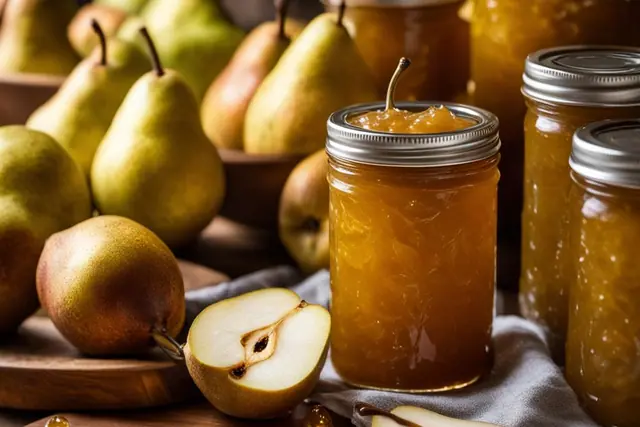
In this guide
- Two Types of Pear
- Picking Fruit
- Cold Storage
- How to Ripen Pears
- Pear Preserves: A Delicious Way to Extend Your Harvest
- Understand Pears
- Selecting the Perfect Pears
- Preparing Pears for Storage
- Best Storage Conditions
- Storing Pears with Other Fruits
- Checking for Decay
- Using Pears in Recipes
- Tips for Enjoying Fresh Pears
- Conclusion
- Source Links
- FAQ
Pears are a sweet and juicy autumn fruit that can be enjoyed in various ways, including fresh eating, desserts, and preserves. Different pear varieties have unique requirements for ripening, and they need to be handled gently to avoid damaging their delicate flesh. In this easy guide, I will walk you through everything you need to know about how to handle and store your pear harvest to extend their shelf life and keep them fresh and delicious for longer.
https://www.youtube.com/watch?v=Nmj_H3sZkUo
- Learn how to choose the perfect pears for storage and consumption.
- Understand the different types of pears and their storage requirements.
- Discover the ideal storage conditions for pears to maintain freshness.
- Learn how to ripen pears effectively using room temperature and ethylene gas.
- Explore various culinary uses for pears and enjoy their versatile flavors.
Two Types of Pear
Pears belong to the genus Pyrus and two species are commonly grown for consumption: European (P. communis) and Asian (P. pyrifolia) pears. European pears have a soft and buttery texture with a classic teardrop shape, while Asian pears have a crunchy texture and a round shape similar to apples. European pears are divided into summer and winter varieties, which determines their storage and ripening requirements. Summer varieties, except for 'Bartlett,' do not store well, while winter varieties like 'Anjou,' 'Bosc,' and 'Comice' require cold storage before ripening.
| Pear Varieties | Texture | Shape | Storage Requirements |
|---|---|---|---|
| European Pears | Soft and buttery | Teardrop | Summer varieties do not store well. Winter varieties require cold storage. |
| Asian Pears | Crunchy | Round, similar to apples | Storage requirements vary depending on the variety. |
European pears are further categorized into summer and winter varieties. Summer varieties, such as 'Bartlett,' are best enjoyed fresh and do not store well. They are typically harvested in late summer or early fall and have a short shelf life. On the other hand, winter varieties like 'Anjou,' 'Bosc,' and 'Comice' are harvested in the late fall or early winter. These pears require a period of cold storage before they can be ripened. Cold storage inhibits the ripening process and allows the fruit to develop better texture and flavor.
"European pears have a soft and buttery texture with a classic teardrop shape, while Asian pears have a crunchy texture and a round shape similar to apples."
Asian pears, also known as Japanese or Chinese pears, have a distinct crunchy texture and a round shape similar to apples. They are typically harvested in late summer or early fall and can be enjoyed fresh. Asian pears have a slightly different storage requirement, depending on the variety. Some Asian pear varieties can be stored at room temperature for a few days, while others may benefit from cold storage for a short period before consumption.
Comparing European and Asian Pears
European pears and Asian pears offer different flavors, textures, and shapes, providing a diverse range of options for culinary use. While European pears are well-suited for baking, poaching, and canning, Asian pears are often enjoyed fresh or used in salads and stir-fries due to their crisp texture. It's important to consider the specific characteristics of each type when selecting and storing pears to fully enjoy their unique qualities.
Picking Fruit
When it comes to picking pears, timing is crucial. Pears should be harvested when they are mature but still underripe. One way to determine their maturity is by checking their release from the branch. If the fruit easily detaches when lifted, it is considered mature. Some pear varieties, such as 'Anjou' and 'Bartlett,' may also develop a rosy blush or change color slightly when they are ready to be picked. It's important to promptly harvest pears that start to drop from the branches to prevent bruising or damage.
Keep in mind that pears on the top of the tree or limb ends usually mature earlier than those in the center. Asian pears, however, ripen on the tree and undergo a color change as they mature. By understanding the signs of pear maturity and taking care during the harvesting process, you can ensure that you pick fruits of the highest quality and ripeness.
Harvest Tips:
- Pears should be picked when they are mature but still underripe.
- Check for easy release from the branch when lifting the fruit.
- Some varieties may develop a rosy blush or change color slightly at maturity.
- Promptly harvest pears that start to drop from the branches.
- Fruits at the top of the tree or limb ends usually mature earlier.
- Asian pears ripen on the tree and change color as they mature.
"Timing is crucial when harvesting pears. Picking them at the right moment ensures optimal fruit quality and ripeness."
| Pear Variety | Maturity Signs | Harvest Time |
|---|---|---|
| European Pears | Easy release from the branch, slight color change | When mature but still underripe |
| Asian Pears | Color change as they mature | Ripen on the tree |
By following these guidelines, you can ensure that your pears are picked at the right time, resulting in fruits of superior quality, flavor, and ripeness.
Cold Storage
In order to extend the shelf life of winter varieties of pears, such as 'Anjou,' 'Bosc,' and 'Comice,' it is necessary to subject them to a period of cold storage. Cold storage hinders the ripening process and allows the fruit to develop a better texture and flavor. To achieve optimal results, the ideal temperature for storing pears is between 30-32°F, with a humidity level of 85 to 90 percent.
There are several options for creating suitable storage spaces. Old refrigerators, unheated cellars, garages, or sheds can be used, as long as the temperature remains within the range of 30 to 40°F. It is essential to monitor the temperature regularly to ensure it stays within the recommended range. Additionally, using a hygrometer or a humidity gauge can help maintain the required humidity level.
When storing pears, it is important to consider the storage length. Depending on the variety and storage conditions, pears can typically be stored for two to six months. However, regular inspection is necessary to check for any signs of decay or spoilage. Mold or overly soft flesh are indications that the fruit should be discarded.
Benefits of Cold Storage:
- Slows down the ripening process, allowing pears to maintain their freshness for a longer period of time
- Enhances texture and flavor development
- Extends the availability of pears beyond their harvest season
- Enables better inventory management for larger quantities of pears
By utilizing cold storage techniques, you can enjoy the delicious taste of pears well beyond their usual shelf life, ensuring a steady supply of this versatile fruit for your culinary creations and snacking pleasure.
| Temperature | Humidity | Storage Length |
|---|---|---|
| 30-32°F | 85-90% | 2-6 months |
How to Ripen Pears
After cold storage, pears need to undergo the ripening process before they can be enjoyed. Here are some key steps to ripen your pears and ensure they reach their optimal flavor and texture:
Room temperature:
Bring your pears out of cold storage and let them come to room temperature. Place them in a bowl on the countertop, away from direct sunlight.
Ethylene gas:
Speed up the ripening process by adding a ripe apple, avocado, or banana to the bowl with your pears. These fruits release ethylene gas, which helps accelerate ripening.
Paper bag method:
If you're looking for a quicker ripening option, place your pears in a loosely closed paper bag. This traps the ethylene gas and can expedite the ripening process.
Keep in mind that ripening time can vary depending on the pear variety and initial firmness. Check the pears regularly for ripeness by gently pressing near the stem end. Once they yield slightly to pressure, they are ready to eat!
Ripening Hacks:
- Place pears in a paper bag with a ripe banana or apple to speed up ripening.
- Store pears next to ethylene-producing fruits like bananas to encourage faster ripening.
- Want to ripen pears even faster? Place them in a closed paper bag with a ripe avocado.
Pro Tip:
"To slow down the ripening process, store ripe pears in the refrigerator. This will extend their shelf life and give you more time to enjoy them."
Pear Preserves: A Delicious Way to Extend Your Harvest
If you have a bountiful harvest of ripe pears and want to enjoy their delectable flavor throughout the year, making pear preserves is the perfect solution. Pear preserves are a versatile and tasty way to preserve the goodness of pears and enjoy them in various recipes. Whether you prefer pear butter, jams, or canned pears in a light syrup, there are endless possibilities to explore with pear preserves.
Canning is a popular method for preserving pears, as it allows you to store them at room temperature for an extended period. By sealing pears in airtight jars and heating them to kill any bacteria, you can ensure their long-term freshness. Dehydrating is another option that results in sweet and chewy dried fruit, perfect for snacking or adding to baked goods.
If you prefer the convenience of frozen fruit, you can freeze sliced or diced pears in a light syrup. However, keep in mind that frozen pears may become slightly mushy upon thawing, so they are best used in recipes where texture isn't as important, such as baking.
Table: Pear Preserve Recipes
| Recipe | Description |
|---|---|
| Pear Butter | A smooth and silky spread made from cooked pears, flavored with spices like cinnamon and nutmeg. |
| Pear Jam | A sweet and tangy spread made from crushed pears and sugar, often enhanced with flavors like vanilla or ginger. |
| Canned Pears | Whole or sliced pears preserved in a light syrup, perfect for enjoying as a snack or adding to desserts. |
| Dehydrated Pears | Slices of pears dried until they become a chewy and concentrated snack, ideal for hiking or on-the-go. |
| Frozen Pears | Sliced or diced pears frozen in a light syrup, ready to be used in desserts or smoothies. |
By exploring these recipes and experimenting with different flavors and techniques, you can create pear preserves that suit your taste preferences and culinary needs. The natural sweetness and delicate flavor of pears make them a delightful ingredient in various dishes, from breakfast spreads to decadent desserts.
Understand Pears
Pears come in a variety of flavors, textures, and colors, making them a delightful fruit to explore. Whether you prefer a sweet and buttery European pear or a crisp and juicy Asian pear, there's a pear variety to suit every taste. European pears, such as 'Bartlett,' 'Anjou,' 'Bosc,' and 'Comice,' are known for their soft and buttery texture, while Asian pears, like 'Shinseiki' and 'Hosui,' have a crunchy texture similar to apples. Each variety has its own seasonality, with different types ripening at various times of the year. This allows you to enjoy the fresh and vibrant flavors of pears throughout the seasons.
In addition to their delicious taste, pears also offer a range of nutritional benefits. They are a good source of dietary fiber, vitamin C, and potassium, making them a healthy choice for any diet. The fiber in pears aids digestion and promotes a healthy digestive system. Vitamin C is essential for boosting the immune system and supporting overall health, while potassium plays a role in maintaining healthy blood pressure levels. Pears are also low in calories and fat, making them a guilt-free snack or ingredient in various dishes.
"Pears come in a variety of flavors and textures, from sweet and buttery to crisp and juicy."
When it comes to the texture of pears, it's important to choose the right variety based on your preference. Some people enjoy the soft and melting texture of a ripe European pear, while others prefer the crunchy and refreshing bite of an Asian pear. Each variety offers a unique texture experience that adds depth to recipes and culinary creations. The versatility of pears allows them to be used in a wide range of dishes, including salads, desserts, and savory recipes. Their delicate flavor and texture enhance the overall taste and appeal of these dishes.
As you explore the world of pears, remember to consider the different varieties available and their unique flavors, textures, and seasonality. Whether you're looking for a sweet and juicy pear for a fresh snack or a firm pear for baking, understanding the characteristics of each variety will help you choose the perfect pear for your needs. Embrace the variety that pears offer and savor their delicious flavors and health benefits.
Selecting the Perfect Pears
When it comes to choosing ripe pears, it's important to pay attention to a few key factors. Freshness is essential, as is finding pears that are at their peak ripeness. Here are some tips to help you select the perfect pears:
- Look for pears that yield slightly when gently pressed near the stem end. Avoid pears that are too soft or have bruises, as they may be overripe or damaged.
- Fresh pears should have vibrant, even-toned skin without blemishes or bruises. Avoid pears with wrinkled or shriveled skin, as this may indicate dehydration or spoilage.
- Consider the choice between organic and conventional pears based on your personal preferences and values. Organic pears are grown without synthetic pesticides or fertilizers, while conventional pears are grown using conventional farming practices.
- Understand the seasonality of pears to select the freshest and most flavorful ones. Different varieties of pears are harvested at different times of the year, so it's important to be aware of when your favorite varieties are in season.
- Trust your senses when selecting pears. The best pears will be firm, colorful, and aromatic. Give them a sniff to check for a sweet and fragrant aroma, which indicates ripeness.
By following these guidelines, you can ensure that you choose ripe, fresh pears that are ready to be enjoyed. Whether you're using them in recipes or enjoying them as a healthy snack, selecting the perfect pears will enhance your culinary experience.
Table: Pear Varieties and Seasonality
| Pear Variety | Harvest Season |
|---|---|
| Anjou | September - May |
| Bartlett | August - October |
| Bosc | September - April |
| Comice | September - January |
| Asian Pears | August - October |
Understanding the seasonality of different pear varieties can help you choose the freshest and most flavorful ones. Some varieties, like Anjou and Bosc, have a longer harvest season, while others, like Bartlett and Comice, are more limited in availability. Consider the seasonality when planning your pear purchases to ensure you enjoy the best quality fruit.
"The best pears will be firm, colorful, and aromatic. Give them a sniff to check for a sweet and fragrant aroma, which indicates ripeness."
Preparing Pears for Storage
When it comes to storing pears, proper preparation is key to ensure their freshness and longevity. Here are some essential steps to follow:
- Washing: Before storage, gently wash pears under cool running water to remove any dirt or residue. Avoid using soap or detergents, as they can leave behind unwanted residues.
- Removing Stems and Seeds: To prepare pears for storage, it's important to remove the stems and seeds. This can be easily done by gently twisting the stem and pulling it away from the fruit. For larger pears, you can also use a small knife to carefully cut around the center of the fruit and remove the seeds.
- Peeling: Peeling pears is not necessary for storage, but it can be done based on personal preference or recipe requirements. To peel a pear, use a sharp vegetable peeler and carefully remove the skin in a downward motion.
- Slicing and Dicing: Depending on your intended use, you may choose to slice or dice the pears before storage. This can be useful if you plan to use them in recipes, salads, or as a snack. Simply wash the pears, remove the stems and seeds, and then slice or dice them into the desired shape and size.
By following these preparation steps, you can ensure that your pears are clean, free from stems and seeds, and ready to be stored for later use.
Table: Pear Preparation Guide
| Step | Description |
|---|---|
| Washing | Gently wash pears under cool running water to remove dirt and residue. |
| Removing Stems and Seeds | Twist the stem and pull it away from the fruit. Use a knife to remove the seeds, if needed. |
| Peeling | Optional step. Use a sharp vegetable peeler to remove the skin. |
| Slicing and Dicing | Slice or dice the pears based on your desired use. |
Best Storage Conditions
Proper storage conditions are crucial for maintaining the freshness and quality of pears. To ensure optimal storage, it's important to consider temperature, humidity, suitable storage containers, and ethylene exposure.
Temperature and Humidity
Pears prefer a cool environment with temperatures ranging from 30-40°F. This temperature range helps to slow down the ripening process and prolong the shelf life of the fruit. Additionally, maintaining a humidity level of around 90% is essential to prevent the pears from drying out. Higher humidity levels help to retain the pear's natural moisture and keep the fruit juicy and flavorful.
Suitable Storage Containers
When storing pears, it's important to use suitable storage containers that allow for proper airflow. Mesh bags, perforated plastic bags, or smooth-bottom boxes, totes, or bins are excellent options that allow air to circulate around the fruit. These containers help to prevent moisture buildup and reduce the risk of mold development. Avoid using airtight containers or plastic bags without ventilation, as they can trap excess moisture and promote spoilage.
Avoiding Ethylene Exposure
Ethylene gas is a naturally occurring hormone that accelerates the ripening process in fruits, including pears. To prevent accelerated ripening and spoilage, pears should be stored separately from ethylene-producing fruits like apples, bananas, and avocados. This separation helps to maintain the desired ripeness level and extends the shelf life of the pears.
By following these storage guidelines, you can ensure that your pears stay fresh, juicy, and delicious for an extended period. Proper temperature and humidity, suitable storage containers, and avoiding ethylene exposure are essential for maximizing the shelf life and flavor of your pears.
Storing Pears with Other Fruits
When it comes to storing pears with other fruits, it's important to consider their storage compatibility to ensure the longevity and freshness of each fruit. Pears are particularly sensitive to ethylene gas, a natural ripening hormone produced by certain fruits. Exposing pears to ethylene gas can result in accelerated ripening, causing them to become overripe and mushy. To prevent this, it is recommended to keep pears separate from ethylene-producing fruits like apples, bananas, and avocados.
In addition to ethylene exposure, cross-contamination between pears and other fruits should also be avoided. Certain fruits with strong odors, such as garlic or onions, can transfer their flavors to pears, altering their taste and aroma. To maintain the natural flavors of pears, it is best to store them away from strong-smelling produce.
By properly storing pears with other fruits, you can ensure that they stay fresh and flavorful for a longer period of time. Consider using separate storage containers or compartments to prevent cross-contamination, and be mindful of the ethylene-producing fruits that may be stored nearby. With these storage practices in place, you can enjoy the delightful flavors of pears and other fruits without compromising their quality.
Table: Storage Compatibility of Pears with Other Fruits
| Fruit | Storage Recommendation |
|---|---|
| Apples | Avoid storing with pears. Apples produce ethylene gas, which can accelerate ripening. |
| Bananas | Avoid storing with pears. Bananas produce ethylene gas, which can accelerate ripening. |
| Avocados | Avoid storing with pears. Avocados produce ethylene gas, which can accelerate ripening. |
| Garlic | Avoid storing with pears. Garlic has a strong odor that can be absorbed by pears, affecting their flavor. |
| Onions | Avoid storing with pears. Onions have a strong odor that can be absorbed by pears, affecting their flavor. |
Table: Storage Compatibility of Pears with Other Fruits
Checking for Decay
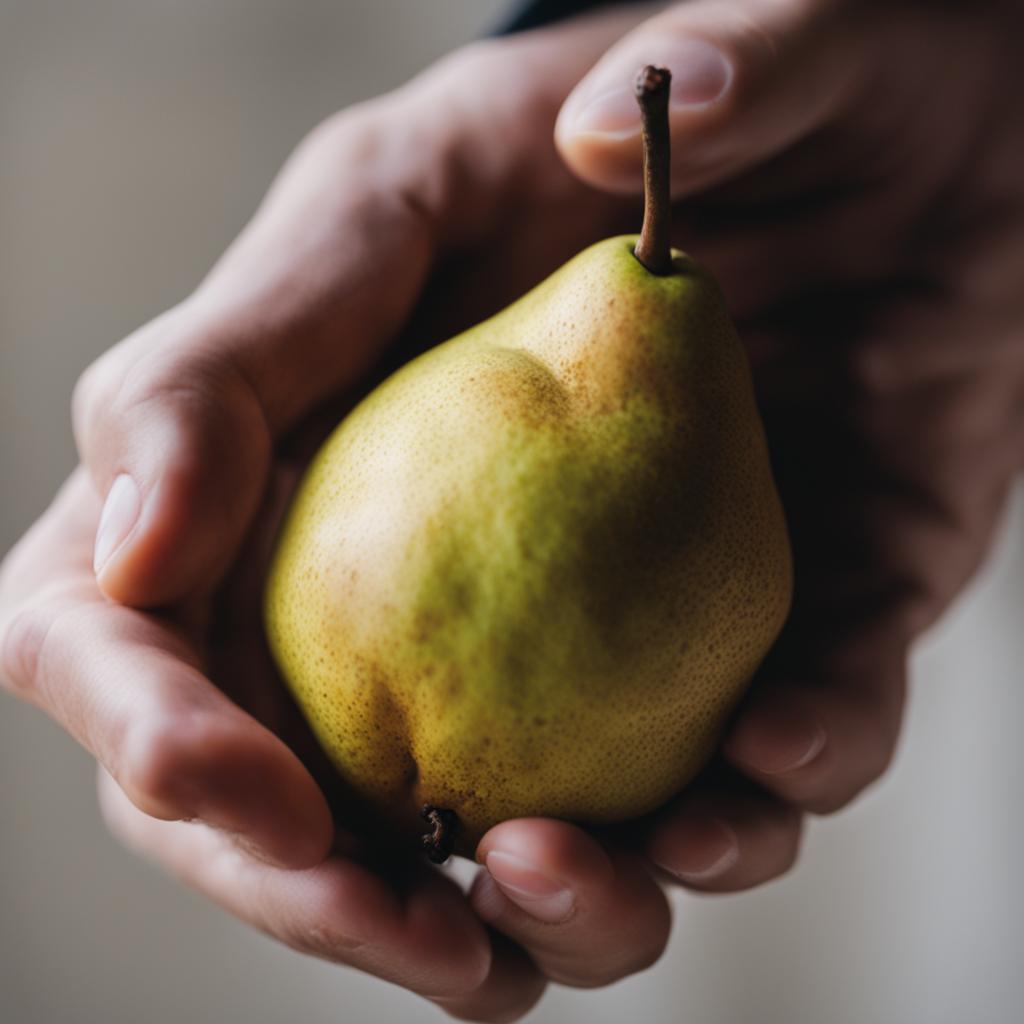
Regular inspection is crucial to ensure that your stored pears remain fresh and free from decay. Here are some signs to look out for:
- Mold: Check for any fuzzy or powdery growth on the surface of the pears. Mold indicates that the fruit has started to spoil and should be discarded immediately.
- Soft Flesh: Gently press the pear near the stem end. If it feels overly soft or mushy, it is a sign that the fruit has become overripe and is no longer suitable for consumption.
- Signs of Spoilage: Pay attention to any changes in color, texture, or smell. If the pears develop an off-putting odor or unusual discoloration, they may be spoiling and should be discarded.
It is important not to store pears beyond their optimal storage length. Over time, even properly stored pears will naturally start to deteriorate. Regularly check your stored pears to ensure that only fresh and good-quality fruits are consumed.
Using Pears in Recipes
Pears are a versatile fruit that can be used in a wide range of recipes, from snacks to desserts. Their delicate and sweet flavor adds a unique twist to various culinary creations. Whether you're looking for ideas to incorporate pears into your everyday meals or searching for special treats to impress your guests, here are some recipe ideas to inspire you:
Pear Salad:
Create a refreshing salad by combining sliced pears with mixed greens, crumbled feta cheese, candied pecans, and a tangy vinaigrette dressing. The crisp texture and natural sweetness of the pears complement the savory and tangy flavors, making it a perfect side dish or light lunch option.
Poached Pears:
Elevate your dessert game with poached pears. Simmer peeled and cored pears in a flavorful syrup made with water, sugar, and spices like cinnamon and star anise. The tender and infused pears can be served with a drizzle of chocolate sauce, a dollop of whipped cream, or a sprinkle of crushed nuts for a decadent and visually appealing dessert.
Pear Galette:
Impress your guests with a rustic and elegant pear galette. Roll out a buttery pie crust and arrange thinly sliced pears on top. Sprinkle with sugar and cinnamon, then fold the edges of the crust over the pears. Bake until golden brown and serve warm with a scoop of vanilla ice cream for a delicious and comforting dessert.
These are just a few examples of how you can use pears in your recipes. Get creative and experiment with different combinations and flavors to discover new and exciting culinary uses for this versatile fruit. From salads to tarts, pears are sure to add a touch of sweetness and elegance to any dish.
Tips for Enjoying Fresh Pears
Fresh pears are a delightful and versatile fruit that can be enjoyed in various ways. To make the most out of your pears, here are some helpful tips:
- Pick the perfect pear: When selecting ripe pears, look for ones that yield slightly to gentle pressure near the stem end. Avoid pears that are too soft or have bruises. Fresh pears should have vibrant, even-toned skin without blemishes or bruises. Trust your senses and choose pears that are firm, colorful, and aromatic for the best taste.
- Check for ripeness: To fully enjoy the flavor of pears, it's important to check for ripeness. Pears are typically picked when they are mature but still underripe. They can be ripened at room temperature by placing them in a bowl on the countertop. To speed up ripening, you can add a ripe apple, avocado, or banana to the bowl, as these fruits release ethylene gas, which accelerates the ripening process.
- Bring refrigerated pears to room temperature: If you have stored your pears in the refrigerator, remember to bring them to room temperature before eating. This allows the flavors and textures to fully develop, ensuring a more enjoyable eating experience.
- Experiment with different recipes: Pears are incredibly versatile and can be used in a wide range of recipes. From salads and desserts to savory dishes, pears add a unique sweetness and texture. Try poaching pears in a flavorful syrup, baking them into a pie or tart, or adding them to a refreshing salad. The possibilities are endless!
By following these tips, you can savor the freshness, flavor, and convenience of fresh pears. Whether you enjoy them on their own, in a recipe, or as a snack, pears are sure to bring a burst of sweetness to your day.
Conclusion
In conclusion, knowing how to store pears properly is crucial for preserving their freshness and flavor. By following the storage tips provided in this guide, you can enjoy delicious pears throughout the year. Whether you prefer European or Asian pears, understanding their ripening requirements and selecting the right storage conditions is essential.
Remember to check for decay regularly and discard any spoiled fruits to maintain the quality of your stored pears. Additionally, don't limit yourself to just enjoying pears fresh. Explore the culinary uses of pears in recipes, from snacks to desserts, and discover the versatility they bring to your favorite dishes.
So go ahead and put your newfound knowledge into practice. Store your pears with care, savor their freshness, and enjoy the many delights that these sweet and juicy fruits have to offer!
Source Links
- https://gardenerspath.com/plants/fruit-trees/store-pears/
- https://www.savorysuitcase.com/how-to-store-pears/
- https://atraditionallife.com/how-to-harvest-and-keep-pears-in-cold-storage/
Frequently asked questions
- How do I know when pears are ripe?
Mature pears can be easily released from the branch when lifted. Some varieties may also change color slightly or develop a rosy blush at maturity.
- Can I store pears in a regular refrigerator?
Yes, pears can be stored in a regular refrigerator as long as the temperature remains in the range of 30 to 40°F.
- How long can pears be stored?
Pears can be stored for two to six months, depending on the variety and storage conditions.
- How do I ripen pears more quickly?
To speed up ripening, you can add a ripe apple, avocado, or banana to the bowl of pears, as these fruits release ethylene gas, which accelerates the ripening process.
- Can I freeze pears?
Yes, pears can be frozen in a light syrup. However, they may become mushy upon thawing, so they are best used in baking or recipes where texture isn't important.
- Are pears healthy?
Yes, pears are packed with essential nutrients, including dietary fiber, vitamin C, and potassium. They offer numerous health benefits, such as aiding digestion, boosting the immune system, promoting healthy skin, and supporting heart health.
- How do I select ripe pears?
Look for pears that yield slightly to gentle pressure near the stem end. Avoid pears that are too soft or have bruises. Fresh pears should have vibrant, even-toned skin without blemishes or bruises.
- Should I wash pears before storing them?
Yes, pears should be washed under cool running water to remove dirt and residue before storing them.
- What's the best way to store pears?
Pears prefer a cool environment with temperatures between 30-40°F and a humidity level of around 90%. Suitable storage containers include mesh bags, perforated plastic bags, or smooth-bottom boxes, totes, or bins that allow airflow.
- Can I store pears with other fruits?
Pears should be kept separate from ethylene-producing fruits like apples, bananas, and avocados to prevent accelerated ripening. Avoid storing pears close to strong-smelling produce like garlic, which can be absorbed by the fruit.
- How do I check if pears are still good to eat?
Regularly check pears for signs of decay, such as mold or overly soft flesh. Remove any ripe or overripe pears immediately to prevent further spoilage.
- What can I make with pears?
Pears can be used in various recipes, including snacks and desserts. They add flavor, texture, and juiciness to culinary creations like salads, pies, tarts, poached pears, and more.
- How can I fully enjoy fresh pears?
To fully enjoy fresh pears, check for ripeness and bring refrigerated pears to room temperature before eating for the best flavor and texture.
- How can I store pears to extend their shelf life?
By following the guidelines outlined in this guide, you can extend the shelf life of pears and enjoy them throughout the year. Proper harvesting techniques, cold storage, and maintaining the right temperature and humidity are key.
AprilCook, recipe developer and the heart of Chefwiz. More about April