Guide
Ultimate Guide on How to Store Peppers: Freshness Tips
Discover my Ultimate Guide on How to Store Peppers! Keep them fresh and crunchy with these expert tips specially tailored for your kitchen needs.
 By April23 min read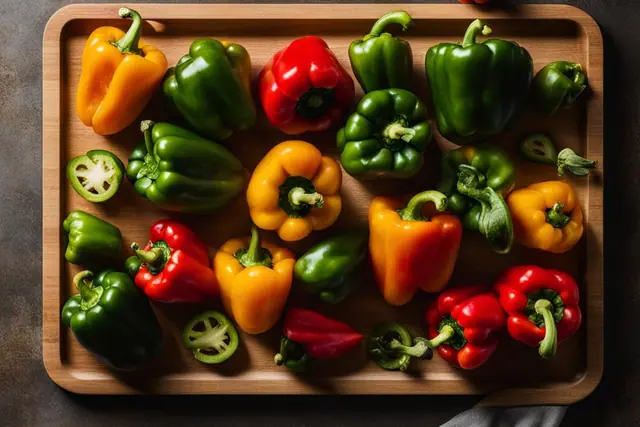
In this guide
- The Best Way to Store Whole Peppers
- The Best Way to Store Cut Bell Peppers
- How Long Do Peppers Last?
- What to Look for When Buying Bell Peppers
- Nutritional Value of Bell Peppers
- How to Use Bell Peppers: Recipes and Ideas
- How to Freeze Bell Peppers
- The Basics of Bell Peppers
- Different Varieties of Bell Peppers
- Selecting Fresh Bell Peppers
- Organic vs. Conventional Bell Peppers
- Preparing Bell Peppers for Storage
- Keeping Your Veggies Fresher Longer
- Conclusion
- Source Links
- FAQ
Hey there, fellow pepper lovers! If you're like me and can't resist the vibrant colors and delicious flavors of peppers, then you've come to the right place. In this ultimate guide, I'll share my expert tips on how to store peppers to keep them fresh and flavorful for as long as possible. Whether you're dealing with whole peppers or cut peppers, I've got you covered with the best storage methods and tricks of the trade. So, let's dive in and learn how to preserve the freshness of these tasty veggies!
https://www.youtube.com/watch?v=6WPISpg21iE
The Best Way to Store Whole Peppers
When it comes to storing whole bell peppers, the best method is to use the crisper drawer in your refrigerator. This drawer provides the optimum temperature and humidity level to keep the peppers fresh for longer. If the peppers are packaged in plastic, it's important to remove them from the bag before storing. Plastic bags can trap moisture, leading to mold growth and spoilage.
Instead of using plastic bags, you have two excellent options for storing whole peppers in the crisper drawer. One option is to use reusable cloth bags, which allow air circulation and help prevent moisture buildup. Another option is to store the peppers loose in the crisper drawer, making sure they are not in direct contact with other fruits and vegetables. This method works well for all varieties of bell peppers, as well as hot peppers and other spicy peppers.
By using the crisper drawer and avoiding plastic bags, you can extend the freshness of your whole peppers and enjoy their vibrant flavors in your dishes.
| Pros | Cons |
|---|---|
| Optimum temperature and humidity | Plastic bags can trap moisture |
| Reusable cloth bags allow air circulation | Plastic packaging should be removed |
| Loose storage prevents direct contact with other produce | Requires extra space in the crisper drawer |
Comparison of Storage Methods
When comparing the storage methods for whole peppers, using the crisper drawer and reusable cloth bags are both effective ways to maintain freshness. Both methods provide the ideal environment for the peppers, allowing air circulation without excessive moisture. However, storing the peppers in reusable cloth bags may require slightly more space in the crisper drawer compared to storing them loose.
Using the crisper drawer and avoiding plastic bags is the best way to keep your whole peppers fresh for longer.
The Best Way to Store Cut Bell Peppers
When it comes to storing cut bell peppers, there are a few key factors to consider in order to maintain their freshness. The fridge is the ideal place to store cut peppers, as it helps slow down the process of spoilage. If you find yourself using only half a bell pepper, it's best to store the remaining half with the seeds and stem attached in the crisper drawer of your refrigerator. This will help preserve its freshness for longer.
For sliced, chopped, or diced peppers, it's recommended to place them in an airtight container. This helps prevent them from drying out or absorbing unwanted odors from other foods in the fridge. To further extend their freshness, adding a layer of paper towel to the container can help absorb any excess moisture. Alternatively, you can place the cut peppers in a bag along with a paper towel. This method works well for short-term storage.
By following these storage tips, you can ensure your cut bell peppers stay fresh and flavorful for longer periods of time. Whether you're meal prepping for the week or simply trying to reduce food waste, proper storage is key to enjoying the full potential of your bell peppers.
Tips for storing cut bell peppers:
- Store half a bell pepper with seeds and stem attached in the crisper drawer of the fridge.
- Place sliced, chopped, or diced peppers in an airtight container.
- For added freshness, include a layer of paper towel to absorb excess moisture.
- Alternatively, place cut peppers in a bag with a paper towel.
How Long Do Peppers Last?
When it comes to peppers, the shelf life can vary depending on how they are stored. Whole bell peppers, when stored properly, can last for a couple of weeks. The best way to store them is in an airtight container or bag in the refrigerator. Alternatively, you can store them in the crisper drawer, where the cooler temperature helps to maintain their freshness. To control moisture and prevent spoilage, place a paper towel in the container or bag with the peppers. This will help absorb any excess moisture and keep the peppers fresh for longer.
When it comes to cut peppers, their shelf life is shorter. Cut bell peppers will last about 7 days when stored in an airtight container with a paper towel. Again, the paper towel helps to control moisture and prevent the peppers from becoming overly moist, which can lead to mold and soft spots. If you only use half a bell pepper, store the remaining half with the seeds and stem attached in the crisper drawer for the best longevity.
Overall, proper storage is key to extending the shelf life of peppers. Using airtight containers or bags with paper towels for moisture control, along with storing them in the refrigerator, will help keep your peppers fresh for as long as possible.
Table: Shelf Life of Bell Peppers
| Type of Bell Pepper | Whole Bell Peppers | Cut Bell Peppers |
|---|---|---|
| Green Bell Peppers | 2-3 weeks | 7 days |
| Red Bell Peppers | 2-3 weeks | 7 days |
| Yellow Bell Peppers | 2-3 weeks | 7 days |
| Orange Bell Peppers | 2-3 weeks | 7 days |
| Purple Bell Peppers | 2-3 weeks | 7 days |
- Store whole bell peppers in an airtight container or bag in the refrigerator for maximum freshness.
- For cut bell peppers, place them in an airtight container with a paper towel to control moisture.
- Keep the crisper drawer in the fridge clean and free from moisture to maintain the quality of the peppers.
- Inspect your peppers regularly for any signs of mold or soft spots, and discard any that are spoiled.
"Proper storage is key to extending the shelf life of peppers. Using airtight containers or bags with paper towels for moisture control, along with storing them in the refrigerator, will help keep your peppers fresh for as long as possible." - Me
What to Look for When Buying Bell Peppers
When it comes to buying bell peppers, there are a few key things to keep in mind to ensure you choose the best ones. Here are some tips for selecting the freshest bell peppers:
- Look for a firm exterior: When you pick up a bell pepper, it should feel firm and sturdy. Avoid any peppers that feel soft or mushy as they are likely past their prime.
- Check for a glossy exterior: A shiny and glossy skin is a good indicator of freshness. Avoid peppers that have a dull or wrinkled appearance.
- Choose brightly colored peppers: Bell peppers come in a variety of vibrant colors such as red, yellow, and orange. Select peppers that have a bright, uniform color as they are likely to be the freshest.
- Avoid soft spots and mold growth: Inspect the pepper carefully for any soft spots or signs of mold. These are indications that the pepper is no longer fresh and may spoil quickly.
Remember, it's important to select bell peppers that meet these criteria to ensure you get the best flavor and quality. By following these tips, you'll be able to enjoy delicious and fresh bell peppers in your meals.
Tips for Choosing Bell Peppers
"Look for firm and brightly colored bell peppers with a glossy exterior. Avoid any peppers with soft spots or signs of mold."
Nutritional Value of Bell Peppers
Bell peppers are not only delicious but also packed with essential nutrients that can benefit your health. They are low in calories and provide a variety of vitamins, fiber, and antioxidants.
The key nutritional benefits of bell peppers include:
- Vitamins: Bell peppers are a rich source of vitamins A, C, and B6. Vitamin A is essential for healthy vision and immune function, while vitamin C is known for its immune-boosting properties. Vitamin B6 plays a crucial role in brain development and function.
- Fiber: Bell peppers are a good source of dietary fiber, which can support digestive health and help maintain a healthy weight. Fiber also promotes feelings of fullness and can assist in managing blood sugar levels.
- Antioxidants: Bell peppers are packed with antioxidants, including carotenoids and flavonoids. These compounds help protect the body against oxidative stress, reduce inflammation, and support overall health.
Adding bell peppers to your diet can be a great way to increase your intake of these important nutrients. They are versatile and can be enjoyed raw in salads, roasted, grilled, or used in a variety of recipes, from stir-fries to soups.
How to Use Bell Peppers: Recipes and Ideas
Bell peppers are versatile and can be used in a variety of recipes, both raw and cooked. Their vibrant colors, crisp texture, and mild sweetness make them a popular ingredient in many dishes. Here are some delicious recipes and ideas to make the most of bell peppers:
Chili
Add bell peppers to your favorite chili recipe for a burst of flavor and added nutrition. The peppers will add a subtle sweetness and a beautiful pop of color to the dish. Slice or dice the peppers and sauté them with onions and garlic before adding them to the chili. They will cook down and become tender as the flavors meld together.
Stuffed Peppers
Stuffed bell peppers are a classic dish that can be customized to suit your taste. Cut off the tops of the peppers and remove the seeds and membranes. Fill the peppers with a mixture of cooked rice, ground meat, vegetables, and seasonings. Bake them in the oven until the peppers are tender and the filling is cooked through. Top with cheese for an extra indulgence.
Soups
Bell peppers are a great addition to soups, adding depth of flavor and a vibrant color. Sauté sliced or diced peppers with onions and garlic before adding them to your favorite soup recipe. They work well in both creamy and broth-based soups. Consider adding them to tomato soup, vegetable soup, or even a spicy chili.
Stir-Fries
Bell peppers are a staple in stir-fries, adding crunch, color, and flavor. Slice or dice the peppers and stir-fry them with other vegetables, protein, and your choice of sauce. They pair well with ingredients like chicken, beef, shrimp, broccoli, and snap peas. The peppers will retain their crispness, adding texture and freshness to the dish.
| Recipe | Description |
|---|---|
| Chili | Add bell peppers to your favorite chili recipe for a burst of flavor and added nutrition. The peppers will add a subtle sweetness and a beautiful pop of color to the dish. Slice or dice the peppers and sauté them with onions and garlic before adding them to the chili. They will cook down and become tender as the flavors meld together. |
| Stuffed Peppers | Stuffed bell peppers are a classic dish that can be customized to suit your taste. Cut off the tops of the peppers and remove the seeds and membranes. Fill the peppers with a mixture of cooked rice, ground meat, vegetables, and seasonings. Bake them in the oven until the peppers are tender and the filling is cooked through. Top with cheese for an extra indulgence. |
| Soups | Bell peppers are a great addition to soups, adding depth of flavor and a vibrant color. Sauté sliced or diced peppers with onions and garlic before adding them to your favorite soup recipe. They work well in both creamy and broth-based soups. Consider adding them to tomato soup, vegetable soup, or even a spicy chili. |
| Stir-Fries | Bell peppers are a staple in stir-fries, adding crunch, color, and flavor. Slice or dice the peppers and stir-fry them with other vegetables, protein, and your choice of sauce. They pair well with ingredients like chicken, beef, shrimp, broccoli, and snap peas. The peppers will retain their crispness, adding texture and freshness to the dish. |
These are just a few ideas to get you started with using bell peppers in your cooking. Get creative and experiment with different flavor combinations to find your own favorite recipes. Whether you're making chili, stuffed peppers, soups, or stir-fries, bell peppers are sure to enhance the taste and visual appeal of your dishes.
How to Freeze Bell Peppers
Freezing bell peppers is an excellent way to preserve their freshness and extend their shelf life. By properly preparing and storing bell peppers in the freezer, you can have a supply of flavorful peppers ready to use whenever you need them. Here's a step-by-step guide on how to freeze bell peppers:
- Wash the bell peppers under cool running water to remove any dirt or residue.
- Remove the stems and seeds by cutting off the tops of the peppers and scooping out the seeds with a spoon.
- Dry the bell peppers thoroughly with a clean kitchen towel or paper towel to remove excess moisture. Excess moisture can lead to freezer burn.
- Chop or slice the bell peppers according to your preferred size. You can also leave them whole if you prefer.
- Spread the chopped or sliced bell peppers in a single layer on a baking sheet lined with parchment paper or a silicone mat.
- Place the baking sheet with the bell peppers in the freezer and leave them to freeze completely. This will prevent the bell peppers from sticking together.
- Once the bell peppers are frozen, transfer them to airtight containers or freezer bags. Make sure to label the containers or bags with the date of freezing.
- Return the bell peppers to the freezer and store them for up to 12 months.
To use frozen bell peppers, simply remove the desired amount from the freezer and thaw them in the refrigerator overnight or use them directly in cooked dishes without thawing. Frozen bell peppers are perfect for soups, stews, stir-fries, and other cooked dishes where their texture may not be as important as their flavor. Enjoy the convenience of having bell peppers on hand all year round!
Table: Freezing Bell Peppers
| Step | Description |
|---|---|
| 1 | Wash the bell peppers under cool running water to remove any dirt or residue. |
| 2 | Remove the stems and seeds by cutting off the tops of the peppers and scooping out the seeds with a spoon. |
| 3 | Dry the bell peppers thoroughly with a clean kitchen towel or paper towel to remove excess moisture. |
| 4 | Chop or slice the bell peppers according to your preferred size. |
| 5 | Spread the chopped or sliced bell peppers in a single layer on a baking sheet lined with parchment paper or a silicone mat. |
| 6 | Place the baking sheet with the bell peppers in the freezer and leave them to freeze completely. |
| 7 | Transfer the frozen bell peppers to airtight containers or freezer bags. |
| 8 | Label the containers or bags with the date of freezing. |
| 9 | Store the bell peppers in the freezer for up to 12 months. |
The Basics of Bell Peppers
Bell peppers, also known as sweet peppers or capsicums, are vibrant and versatile vegetables that come in various colors, including green, red, yellow, and orange. They have a crisp texture and a mildly sweet flavor, making them a popular ingredient in many cuisines around the world. Bell peppers are not only delicious but also packed with essential nutrients, making them a healthy addition to any diet.
When it comes to colors, each variety of bell pepper has its own unique flavor profile. Green bell peppers are harvested before they fully ripen and have a slightly bitter taste. On the other hand, red bell peppers are fully ripened green peppers and have a sweeter flavor. Yellow and orange bell peppers have a tangy and slightly sweet flavor, while purple bell peppers have a mildly spicy taste.
Thanks to their versatility, bell peppers can be enjoyed in various ways. They can be eaten raw, added to salads for a crunchy texture, or used as a colorful topping for sandwiches and burgers. When cooked, bell peppers add flavor and vibrant colors to dishes like stir-fries, soups, and roasted vegetables. They can even be stuffed and baked for a delicious and visually appealing meal. With their bright colors, sweet and tangy flavors, and crisp texture, bell peppers are a delightful addition to any culinary creation.
| Variety | Color | Flavor |
|---|---|---|
| Green bell pepper | Green | Slightly bitter |
| Red bell pepper | Red | Sweet |
| Yellow bell pepper | Yellow | Tangy and slightly sweet |
| Orange bell pepper | Orange | Tangy and slightly sweet |
| Purple bell pepper | Purple | Mildly spicy |
<!--
"Bell peppers are a vibrant and versatile vegetable that adds color, flavor, and crunch to dishes. They are packed with essential nutrients and can be enjoyed raw or cooked. With their unique flavors and appealing colors, bell peppers are a delightful addition to any meal."
-->
Colors and Flavors
- Green bell peppers: Slightly bitter flavor
- Red bell peppers: Sweet flavor
- Yellow bell peppers: Tangy and slightly sweet flavor
- Orange bell peppers: Tangy and slightly sweet flavor
- Purple bell peppers: Mildly spicy flavor
With their vibrant colors, sweet and tangy flavors, and crisp texture, bell peppers are a versatile vegetable that can add a delightful touch to any culinary creation.
Different Varieties of Bell Peppers
When it comes to bell peppers, there is a colorful array of varieties to choose from. Each variety has its own unique flavor and culinary uses. Here are some of the different varieties of bell peppers:
Green Bell Peppers
Green bell peppers are the most commonly found variety. They are harvested before fully ripening, giving them a slightly bitter taste. Green bell peppers are crisp and have a mild flavor, making them a versatile ingredient for various dishes.
Red Bell Peppers
Red bell peppers are fully ripened green bell peppers. They have a sweeter taste and a more vibrant color. Red bell peppers are often used in salads, roasted dishes, and as a colorful garnish.
Yellow Bell Peppers
Yellow bell peppers have a sweet and tangy flavor profile. They are milder than red bell peppers but still offer a burst of sweetness. Yellow bell peppers add a pop of color to dishes and are delicious when roasted or sautéed.
Orange Bell Peppers
Orange bell peppers have a similar flavor to yellow bell peppers but with a slightly fruity undertone. They are great for adding sweetness to salads, stir-fries, and stuffed pepper recipes.
Purple Bell Peppers
Purple bell peppers have a unique and slightly spicy flavor. They are less common than other varieties but add a beautiful touch of color to dishes. Purple bell peppers are often used in Mediterranean and Middle Eastern cuisines.
No matter which variety you choose, bell peppers are a delicious and nutritious addition to your meals. Their vibrant colors and distinct flavors can elevate any dish and add a touch of freshness to your recipes.
Selecting Fresh Bell Peppers
When it comes to selecting the freshest bell peppers, there are a few key factors to consider. First, pay attention to the appearance of the pepper. Look for peppers with vibrant and glossy skin, indicating that they are ripe and fresh. The color should be uniform, without any dull or wrinkled areas. A vibrant and glossy skin is a good indicator of freshness and flavor.
The firmness of the pepper is another important aspect to consider. Gently squeeze the pepper to check for firmness. It should feel slightly firm and have a little bit of weight to it. Avoid peppers that feel soft or mushy, as this could be a sign of spoilage. A firm pepper will have a crisp texture and will last longer in storage.
Inspect the stem of the bell pepper as well. The stem should be green and sturdy. Avoid peppers with a dried or shriveled stem, as this could indicate that the pepper is past its prime. A fresh bell pepper will have a green, intact stem that is firmly attached to the pepper.
Table: Bell Pepper Selection Tips
| Aspect | Tips |
|---|---|
| Appearance | Look for vibrant and glossy skin, with a uniform color. Avoid dull or wrinkled areas. |
| Firmness | Gently squeeze the pepper to check for firmness. It should feel slightly firm and have some weight to it. |
| Stem | The stem should be green and sturdy. Avoid peppers with a dried or shriveled stem. |
By selecting fresh bell peppers that have a vibrant appearance, firmness, and a sturdy stem, you can ensure the best taste and texture in your dishes. Whether you are using bell peppers raw in a salad or cooking them in a stir-fry, fresh peppers will elevate the flavors of your meals.
Organic vs. Conventional Bell Peppers
When it comes to bell peppers, there is often a debate between choosing organic or conventional options. The choice ultimately depends on personal preferences and priorities. Let's explore the differences between organic and conventional bell peppers to help you make an informed decision.
Organic bell peppers are grown using organic farming practices. This means they are cultivated without the use of synthetic pesticides, herbicides, or genetically modified organisms (GMOs). Organic farming prioritizes soil health and biodiversity, promoting natural methods to control pests and diseases. Choosing organic bell peppers supports sustainable and environmentally-friendly agriculture.
On the other hand, conventional bell peppers are grown using conventional farming practices. This may involve the use of synthetic chemicals, including pesticides and herbicides, to protect the crops from pests and diseases. Conventional farming methods may also include the use of GMOs in some cases. While conventional bell peppers may be more readily available and potentially more affordable, they may carry residues of synthetic chemicals used during cultivation.
Ultimately, the choice between organic and conventional bell peppers comes down to personal preferences. If you prioritize supporting sustainable agriculture and minimizing exposure to synthetic pesticides, organic bell peppers may be the better choice for you. However, if availability and affordability are your primary concerns, conventional bell peppers can still be enjoyed as part of a balanced diet. The most important thing is to wash all bell peppers thoroughly before consumption, regardless of their organic or conventional status.
In summary, the choice between organic and conventional bell peppers is a personal one. Organic bell peppers are grown without synthetic pesticides, herbicides, or GMOs, supporting sustainable farming practices. Conventional bell peppers are more widely available and may be more affordable, but they may contain residues of synthetic chemicals. Ultimately, choose bell peppers that align with your personal values and priorities, and always remember to wash them properly before eating.
Preparing Bell Peppers for Storage
When it comes to storing bell peppers, the key is to properly prepare them to ensure maximum freshness and flavor. Here are some essential steps to follow:
- Wash the bell peppers thoroughly under cool running water to remove any dirt or residue. This helps maintain their cleanliness and prevents any potential contaminants from affecting their quality.
- After washing, gently dry the bell peppers with a clean kitchen towel or paper towel. It's important to remove excess moisture from the peppers, as moisture can promote spoilage. Drying them thoroughly helps prolong their shelf life.
- Cut off the stems of the bell peppers and carefully remove the seeds. This ensures that no unwanted parts are left behind, which can affect the taste and texture of the peppers. Removing the stems and seeds also helps control moisture levels.
By following these steps, you can effectively prepare bell peppers for storage, enhancing their longevity and keeping them fresh for longer periods.
Moisture Control: A Key Factor
One crucial aspect of preparing bell peppers for storage is moisture control. Excess moisture can lead to spoilage and mold growth, which can quickly deteriorate the quality of the peppers. To prevent this, it's important to dry the peppers thoroughly before storing them. Additionally, using airtight containers or bags with paper towels can help absorb any remaining moisture and maintain optimal humidity levels.
Expert Tip: Use airtight containers for storage
"When storing bell peppers, I recommend using airtight containers to maintain their freshness. This helps create a barrier against moisture and air, keeping the peppers crisp and flavorful for a longer period. Don't forget to include a layer of paper towel to further control moisture levels." - Chef Emily
Summary
Preparing bell peppers for storage involves washing them thoroughly, drying them properly, and removing the stems and seeds. Moisture control is crucial to prevent spoilage, so make sure to dry the peppers thoroughly and store them in airtight containers with paper towels. By following these simple steps, you can ensure that your bell peppers stay fresh and flavorful for an extended period.
Keeping Your Veggies Fresher Longer
When it comes to storing your fruits and veggies, proper handling and storage techniques are essential to keeping them fresh. One key factor to consider is gas production. Fruits, such as apples and bananas, release a natural gas called ethylene, which can cause other produce to ripen and spoil more quickly. To prevent this, it is recommended to store fruits and veggies in separate crisper drawers in your refrigerator. This helps to minimize the exposure of your vegetables to ethylene gas, keeping them fresh for longer and preserving their taste.
In addition to separating your fruits and veggies, there are other freshness tips you can follow. Before storing your bell peppers, make sure to wash them thoroughly under cool running water to remove any dirt. It's also important to remove the stems and seeds properly. Excess moisture can promote spoilage, so drying the peppers with a clean kitchen towel or paper towel is essential.
Creating an airtight environment is another great way to extend the freshness of your bell peppers. Storing them in airtight containers or bags with paper towels can help control moisture and prevent them from becoming soft or developing mold. By taking these simple steps, you can keep your bell peppers fresh and flavorful for longer, ensuring that they are ready to be enjoyed whenever you need them.
Benefits of Proper Storage
Properly storing your bell peppers not only helps to maintain their freshness but also preserves their taste. When bell peppers are stored correctly, they retain their crispness and vibrant flavor, making them a delicious addition to any meal. By following these storage tips, you can enjoy the natural sweetness and crunch of your bell peppers, enhancing the overall taste of your dishes.
| Benefits of Proper Storage | Impact on Taste |
|---|---|
| Retains crispness | Ensures a satisfying crunch |
| Preserves vibrant flavor | Enhances the taste of dishes |
| Prevents spoilage | Reduces the risk of wasting produce |
By keeping your bell peppers fresh for longer, you can enjoy their natural goodness and make the most of their nutritional value. Whether you're incorporating them into salads, stir-fries, or stuffed pepper recipes, properly storing your bell peppers will ensure that they remain fresh, flavorful, and ready to elevate your culinary creations.
Conclusion
In conclusion, properly storing bell peppers is crucial for preserving their freshness and flavor. Whether you have whole peppers or cut peppers, the refrigerator is the ideal place to keep them fresh. By removing excess moisture and using airtight containers or bags with paper towels, you can extend the shelf life of your peppers.
Remember to wash and dry your bell peppers thoroughly before storing them to remove any dirt and excess moisture. This will help prevent spoilage and maintain their quality. Additionally, when selecting bell peppers, choose ones with vibrant, glossy skin, a firm texture, and a green, sturdy stem.
Freezing bell peppers is also a fantastic option for long-term storage. Just wash, remove the seeds and stems, dry them, and then spread the chopped or sliced peppers on a baking sheet before transferring them to airtight containers or freezer bags. This way, you can enjoy the goodness of bell peppers even when they're out of season.
By following these freshness tips and storage tips, you can preserve your bell peppers and enjoy their delicious flavor in a variety of recipes. Whether you're adding them to salads, stir-fries, or soups, properly stored bell peppers will elevate your dishes and bring a burst of color and freshness to your meals.
Source Links
- https://www.naturefresh.ca/how-to-store-vegetables/
- https://livesimply.me/how-to-store-bell-peppers/
- https://www.savorysuitcase.com/how-to-store-bell-peppers/
Frequently asked questions
- What is the best way to store whole peppers?
The best way to store whole peppers is in the crisper drawer of the refrigerator. Remove them from any plastic packaging and store them loose or in a reusable cloth bag.
- How do I store cut bell peppers?
Cut bell peppers should be stored in the refrigerator. If you only use half a bell pepper, store the remaining half with the seeds and stem attached in the crisper drawer. Sliced, chopped, or diced peppers can be stored in an airtight container with a paper towel layer or in a bag with a paper towel.
- How long do peppers last?
Whole bell peppers can last a couple of weeks when stored properly. Cut peppers will last about 7 days when stored in an airtight container with a paper towel to control moisture.
- What should I look for when buying bell peppers?
When buying bell peppers, look for ones with a firm exterior, glossy skin, and bright color. Avoid peppers with soft spots, wrinkles, or mold growth. The pepper should feel heavy for its size.
- What are the nutritional benefits of bell peppers?
Bell peppers are packed with essential nutrients, including vitamins A, C, and B6, as well as dietary fiber. They also contain antioxidants that help protect the body against oxidative stress and inflammation. Bell peppers are low in calories and can be a healthy addition to any diet.
- How can I use bell peppers in recipes?
Bell peppers can be used in a variety of recipes, both raw and cooked. They are a great addition to chili, stuffed peppers, soups, and stir-fries. They can also be roasted, grilled, or served as topping or with dips.
- How do I freeze bell peppers?
To freeze bell peppers, wash them, remove the seeds and stems, and dry them before freezing. Chopped or sliced peppers can be spread out on a baking sheet and frozen, then transferred to airtight containers or freezer bags.
- What are the different varieties of bell peppers?
Bell peppers come in various colors, including green, red, yellow, orange, and purple. Each variety has its own unique flavor profile and can be used in different ways in cooking.
- How do I select fresh bell peppers?
When selecting fresh bell peppers, look for ones with a vibrant and glossy skin, firm texture, and a green, sturdy stem. Avoid peppers with dull or wrinkled skin, soft spots, or a dried or shriveled stem.
- What is the difference between organic and conventional bell peppers?
Organic bell peppers are grown without synthetic pesticides, herbicides, or genetically modified organisms (GMOs). Conventional bell peppers are grown using conventional farming practices, which may involve the use of synthetic chemicals. The choice between organic and conventional depends on personal preferences and priorities.
- How do I prepare bell peppers for storage?
Before storing bell peppers, wash them thoroughly, remove the stems and seeds, and dry them. Excess moisture can promote spoilage, so it's important to keep the peppers dry before storage.
- How can I keep my veggies fresher longer?
To keep veggies fresher longer, store fruits and veggies in separate crisper drawers to prevent the gas produced by fruits from spoiling other produce. Properly washing, drying, and removing any bad spots from bell peppers can also help maintain their freshness and taste.
AprilCook, recipe developer and the heart of Chefwiz. More about April