Guide
Keep Onions Fresh with These Storage Tips
Discover how to store onions using simple, accessible methods I rely on to prolong freshness. Take the mystery out of onion storage today!
 By April16 min read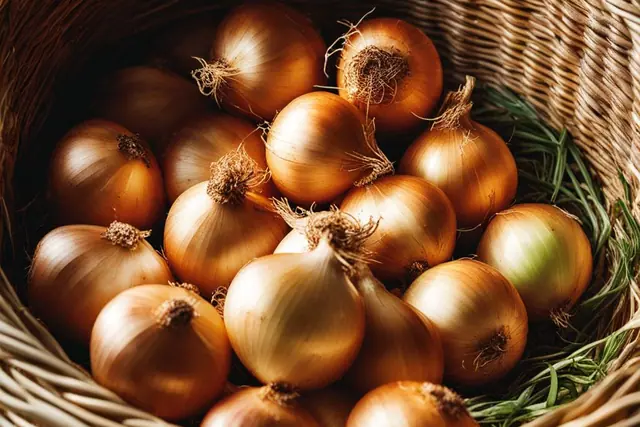
In this guide
- Store Storage Onions in a Cool, Dry Place
- Refrigeration for Extended Onion Shelf Life
- Proper Storage for Sweet Onions
- Storing Green Onions (Scallions)
- Proper Storage for Cut Onions
- Freezing Onions for Extended Storage
- Best Storage Practices According to Experts
- Onion Shelf Life and Curing Process
- Storing Onions with Other Produce
- Storing Sweet Onions in the Refrigerator
- Proper Storage for Green Onions (Scallions)
- Conclusion
- Source Links
- FAQ
Onions are a versatile and essential ingredient in many dishes, but keeping them fresh can be a challenge. Whether you're a home cook or a professional chef, knowing how to store onions properly is key to preserving their flavor and texture for as long as possible. In this article, I'll share some valuable storage tips that will help you keep your onions fresh and delicious.
When it comes to storing onions, the right conditions are crucial. Here are some handy tips to help you store onions and keep them fresh:
By following these storage tips, you can ensure that your onions stay fresh and flavorful, ready to enhance the taste of your favorite dishes. Now, let's dive deeper into each storage method and explore the best practices for different types of onions.
Store Storage Onions in a Cool, Dry Place
When it comes to storing storage onions, a cool and dry environment is key to maintaining their freshness and extending their shelf life. These types of onions, including white, red, and yellow varieties, require specific conditions to prevent spoilage and ensure optimal quality. Here are some tips on how to store storage onions:
- Choose a well-ventilated storage location: Storage onions should be stored in a place with good air circulation to prevent the buildup of moisture. An ideal option is a basket, bin, or bowl placed in a dry location such as a pantry or cellar.
- Avoid exposure to light: To prevent onions from sprouting or developing mold, it is important to store them away from direct sunlight. Light can accelerate the spoilage process and affect their taste and texture.
- Keep them separate from potatoes: Potatoes release moisture and ethylene gas, which can cause onions to spoil more quickly. To avoid this, store onions separately from potatoes to maintain their freshness.
- Avoid plastic bags: Plastic bags can trap moisture and restrict air flow, leading to the buildup of condensation and increased chances of spoilage. Instead, opt for storage containers or breathable bags that allow for proper ventilation.
By following these storage tips, you can ensure that your storage onions stay fresh and flavorful for longer periods, providing you with a continuous supply for your culinary needs.
Refrigeration for Extended Onion Shelf Life
When it comes to storing onions, sometimes a cool, dry place just isn't available. That's where refrigeration can come in handy. While it's true that refrigeration can change the texture of onions, it can also help extend their shelf life for up to one to two weeks.
To properly store onions in the refrigerator, it's best to place them in airtight containers. Glass containers are recommended to decrease oxidation and prevent moisture absorption. This will help maintain the onion's freshness and prevent them from softening too quickly. Remember, airtight is key!
By storing onions in the refrigerator, you can ensure they stay fresh and ready to use for a longer period of time. Whether you need them for soups, stir-fries, or salads, having onions on hand can add flavor and depth to your dishes.
Table: How to Store Onions in the Refrigerator
| Step | Instructions |
|---|---|
| 1 | Place onions in airtight containers |
| 2 | Preferably use glass containers |
| 3 | Seal the containers tightly |
| 4 | Store in the refrigerator |
So, the next time you find yourself without a cool, dry storage space, remember that refrigeration can be a great alternative. With proper storage techniques, you can extend the shelf life of your onions and enjoy their flavor for longer.
Proper Storage for Sweet Onions
When it comes to storing sweet onions, such as Vidalia or Walla Walla varieties, it's important to note that they have more moisture compared to storage onions. This means they require slightly different storage conditions to maintain their freshness and extend their shelf life.
A recommended method for storing sweet onions is to keep them in the refrigerator. Before storing, make sure the onions are unpeeled and wrap each one individually in a paper towel. This helps absorb excess moisture and prevent spoilage. Storing them in a sealed container or plastic bag can also help maintain their freshness.
https://www.youtube.com/watch?v=M_a-50E6H1Y
Benefits of Refrigeration
Refrigeration is an effective way to slow down the spoilage process and extend the shelf life of sweet onions.
By storing sweet onions in the refrigerator, you create a cooler and drier environment that helps preserve their quality. The low temperature inhibits bacterial growth, while the controlled humidity prevents the onions from drying out.
Additionally, refrigeration helps slow down the natural enzymatic reactions that cause onions to deteriorate. This means you can enjoy the sweet flavor and crisp texture of your onions for a longer period.
In summary, when it comes to storing sweet onions, refrigeration is the way to go. By wrapping them in paper towels and keeping them unpeeled in a sealed container, you can prolong their shelf life and ensure they stay fresh and delicious.
Storing Green Onions (Scallions)
Green onions, also known as scallions, can be stored using various methods to maintain their freshness. Here are three different ways to store green onions:
- In a jar with water on a windowsill: Place the green onions in a jar with enough water to cover the roots. Keep the jar on a windowsill where the green onions receive indirect sunlight. Change the water every few days to prevent bacterial growth.
- In the refrigerator with roots submerged: Trim the roots of the green onions and place them in a jar or container with a small amount of water. Cover the jar with a plastic bag or leave the lid slightly open to allow for some breathing room. Store the green onions in the refrigerator for up to 1 week.
- Wrapped in damp paper towels in the refrigerator: Remove the roots from the green onions and wrap them in damp paper towels. Place the wrapped green onions in a zip-top bag and store them in the refrigerator. This method helps maintain their freshness for about 1 week.
By following these storage methods, you can ensure that your green onions stay fresh and flavorful for longer periods. Experiment with different storage techniques to find the one that works best for you.
| Storage Method | Duration | Advantages | Disadvantages |
|---|---|---|---|
| Jar with water on a windowsill | Up to 1 week | Easy to monitor water level Green onions get some sunlight |
Requires regular water changes May take up space on windowsill |
| Refrigerator with roots submerged | Up to 1 week | Keeps green onions fresh and crisp Convenient storage method |
Roots may start to rot if left too long Limited storage space in the refrigerator |
| Wrapped in damp paper towels in the refrigerator | Up to 1 week | Keeps green onions moist and fresh Easy to store and access |
Paper towels may dry out quickly May require more frequent rewetting |
Proper Storage for Cut Onions
When it comes to storing cut onions, it's important to follow the right steps to maintain their freshness. If you find yourself with leftover chopped or sliced onions, refrigeration is the key. To keep them in the best condition, place the cut onions in a sealed container and store them in the refrigerator. This will help protect them from moisture and prevent the strong odor from spreading to other foods.
When choosing a container, opt for glass rather than plastic to avoid absorbing the onion scent. Glass containers are also easier to clean and keep odor-free. By sealing the container tightly, you can minimize exposure to air and moisture, ensuring the cut onions stay fresh for longer.
It's important to note that cut onions should be used within 7 days of storage. Beyond that, they may start to lose their flavor and texture. So, be mindful of the quantity you chop or slice to avoid waste.
Table: Guidelines for Storing Cut Onions
| Storage Method | Container Type | Shelf Life |
|---|---|---|
| Refrigeration | Glass container with airtight seal | Up to 7 days |
Freezing Onions for Extended Storage
When it comes to preserving the freshness of onions for an extended period, freezing is a great option. By chopping onions and storing them in freezer bags, you can ensure that you always have a supply of onions on hand, ready to use in your favorite recipes. Freezing onions is a simple and convenient method that allows you to enjoy the flavor and aroma of onions even when they are out of season.
To freeze onions, start by peeling and chopping them into desired sizes. It's best to chop them into small pieces or slices for easier usage later. Then, place the chopped onions into freezer bags, making sure to press out any excess air before sealing the bags. This helps prevent freezer burn and maintain the quality of the onions. Remember to label the bags with the date to keep track of their freshness.
"Freezing onions is a simple and convenient method that allows you to enjoy the flavor and aroma of onions even when they are out of season."
When it's time to use the frozen onions, there's no need to thaw them beforehand. You can directly add the frozen onions to your cooked dishes, such as soups, stews, or stir-fries. Keep in mind that thawed onions may not have the same crisp texture as fresh ones, but they still bring the same delicious flavor to your meals.
| Benefits of Freezing Onions | Drawbacks of Freezing Onions |
|---|---|
|
|
By freezing chopped onions in freezer bags, you can enjoy the taste and versatility of onions throughout the year. It's a great option for anyone who wants to stock up on onions when they are in season or take advantage of a good sale. So the next time you have an abundance of onions, consider freezing them for long-term storage and easy access to this essential ingredient.
Best Storage Practices According to Experts
When it comes to keeping your onions fresh and flavorful, following the advice of experts can make a big difference. These storage tips, recommended by industry professionals, will help you store your onions properly, ensuring their longevity and quality.
Store in a Cool, Dry Place
Experts agree that onions should be stored in a cool, dry place away from direct sunlight, moisture, and heat. This helps prevent premature sprouting and spoilage. A well-ventilated area, such as a pantry or cellar, is ideal for storing storage onions like white, red, and yellow varieties. Good air circulation helps maintain their freshness and prevents the buildup of moisture that can lead to mold.
Choose the Right Storage Container
When it comes to storing onions, the container you choose makes a difference. Mesh bags, paper bags, milk crates, or baskets are all suitable options that allow for better air circulation. Avoid storing onions in plastic bags, as they restrict airflow and can accelerate spoilage. Organic onions, in particular, benefit from being stored in the refrigerator's crisper drawer to maintain their freshness.
Keep Organic Onions Refrigerated
If you have organic onions, it's best to keep them refrigerated to prevent sprouting. Organic onions tend to have a higher moisture content and are more susceptible to sprouting than conventional onions. By refrigerating them, you can extend their shelf life and ensure they stay fresh for longer periods.
By following these expert tips and best storage practices, you can maximize the shelf life of your onions and keep them fresh and flavorful for all your culinary needs.
| Storage Tip | Benefits |
|---|---|
| Store in a cool, dry place | Prevents sprouting and spoilage |
| Choose the right storage container | Allows for better air circulation |
| Keep organic onions refrigerated | Prevents sprouting for longer shelf life |
Onion Shelf Life and Curing Process
Understanding the shelf life of onions and the curing process can help you keep your onions fresh for longer. Shelf life refers to the period during which onions can be stored and remain suitable for consumption. The curing process plays a vital role in extending their shelf life. Let's explore these aspects further.
Onion Shelf Life
The shelf life of onions can vary depending on the type and storage conditions. Storage onions, such as yellow, red, and white varieties, can last for several months when properly stored. Onions that have been cured and stored in cool, dry conditions can typically last for about three months.
It's important to note that the shelf life of onions can be influenced by factors such as temperature, humidity, and air circulation. Storing onions in a cool, dry place away from direct sunlight, moisture, and heat can help prolong their freshness.
The Curing Process
The curing process is a crucial step in preparing onions for storage. After harvesting, onions are laid out in a warm, dry area to allow the tops to dry and the bulbs to form a papery skin. This process helps remove excess moisture from the onions and promotes the development of a protective layer.
Properly cured onions have a better chance of withstanding storage conditions without sprouting, mold growth, or spoilage. By allowing the onions to cure before storage, you are helping to enhance their shelf life and preserve their quality.
Storing Onions with Other Produce
When it comes to storing onions, it's important to keep them separate from other produce. Onions release moisture, which can lead to spoilage if they are stored together with other fruits and vegetables. Additionally, onions have a strong odor that can be absorbed by other foods, impacting their taste and aroma. To maintain the freshness of your onions and prevent cross-contamination, it's best to store them on their own.
One of the main reasons for storing onions separately is their moisture absorption. Onions have a high water content, and when stored with other produce, they can cause increased humidity, leading to faster spoilage. By keeping onions separate, you can minimize the risk of moisture accumulation and extend the shelf life of both the onions and the other fruits and vegetables.
Whether you store your onions in a cool, dry place or in the refrigerator, make sure they are stored away from other produce. This will help preserve their quality and prevent any unwanted flavors or odors from transferring to other foods. By following these storage tips, you can ensure that your onions stay fresh and ready to use for all your culinary creations.
Table: Comparison of Onion Storage Methods
| Storage Method | Advantages | Disadvantages |
|---|---|---|
| Cool, dry place | Allows for longer shelf life | May not be suitable for all types of onions |
| Refrigeration | Can extend shelf life | May alter texture and flavor |
| Separate from other produce | Prevents moisture absorption and cross-contamination | Requires additional storage space |
Storing Sweet Onions in the Refrigerator
When it comes to storing sweet onions, refrigeration is key to extending their shelf life. To ensure that your sweet onions stay fresh for longer, follow these simple steps:
- Wrap each sweet onion in a paper towel to absorb excess moisture and prevent spoilage.
- Keep the sweet onions unpeeled, as this helps maintain their freshness and flavor.
- Store the wrapped sweet onions in the refrigerator, preferably in the crisper drawer.
By refrigerating your sweet onions in this manner, you can enjoy their sweet and mild flavors for a longer period of time.
Proper Storage for Green Onions (Scallions)
When it comes to storing green onions or scallions, there are a few methods you can choose from depending on your preference. One option is to place them in a jar with water and keep it on a windowsill. This allows the green onions to continue growing and stay fresh for a longer period of time.
Another option is to store them in the refrigerator. Simply place the green onions in a jar with the roots submerged in water. This method helps to maintain their freshness and crispness.
If you prefer to store the green onions without water, you can wrap them in damp paper towels before storing them in a zip-top bag in the refrigerator. This helps to prevent them from drying out and keeps them fresh for a longer period of time.
Tips for Storing Green Onions:
- Store green onions in a jar with water on a windowsill or in the refrigerator with the roots submerged in water.
- Wrap them in damp paper towels before storing them in the refrigerator to prevent them from drying out.
- Change the water every few days for green onions stored on a windowsill to ensure freshness.
"Proper storage is essential to keep green onions fresh and flavorful for your culinary creations."
Conclusion
In conclusion, proper storage is essential for keeping onions fresh and extending their shelf life. By following the recommended storage methods, you can ensure that your onions last longer and maintain their quality.
Storing onions in a cool, dry place away from light and moisture is the ideal way to preserve their freshness. This can be achieved by using well-ventilated baskets, bins, or bowls in a dry location like a pantry or cellar. Remember to keep them separate from potatoes to prevent spoilage.
If a cool, dry storage space is not available, refrigeration can be used to extend the shelf life of onions. However, refrigerated onions may soften and change texture over time. It is best to store them in airtight containers, preferably glass, to minimize oxidation and moisture absorption.
Whether you have storage onions, sweet onions, or green onions, each type requires specific storage methods. By understanding these nuances and implementing the appropriate storage techniques, you can enjoy fresh, flavorful onions for all your culinary needs.
Source Links
- https://www.countryliving.com/food-drinks/a39982422/how-to-store-onions/
- https://www.bonappetit.com/story/how-to-store-onions
- https://www.epicurious.com/expert-advice/how-to-store-onions
Frequently asked questions
- How should storage onions be stored?
Storage onions should be stored in a cool, dry place away from light. A well-ventilated basket, bin, or bowl in a dry location like a pantry or cellar is ideal. They should be kept separate from potatoes to prevent spoilage. Plastic bags should be avoided as they restrict air flow.
- Can storage onions be stored in the refrigerator?
Yes, if a cool, dry storage space is not available, storage onions can be stored in the refrigerator. However, onions may soften and change texture when refrigerated. It is recommended to store them in airtight containers, preferably glass, to decrease oxidation and moisture absorption. Refrigeration can extend their shelf life for about one to two weeks.
- How should sweet onions be stored?
Sweet onions, such as Vidalia or Walla Walla, should be stored in the refrigerator. They should be wrapped in a paper towel and left unpeeled to maintain their freshness and extend their shelf life.
- How should green onions or scallions be stored?
Green onions or scallions can be stored in three different ways. They can be kept in a jar with water on a windowsill, with the roots submerged. Another option is to store them in the refrigerator in a jar with an open top, allowing for some breathing room. The roots can also be removed, and the green onions can be wrapped in damp paper towels and stored in a zip-top bag in the refrigerator.
- How should cut onions be stored?
Cut onions should be stored in the refrigerator in a sealed container. It is recommended to use glass containers to control odor absorption. Cut onions should be used within 7 days of storage.
- Can onions be frozen?
Yes, onions can be frozen by chopping them and storing them in freezer bags with the air pressed out. Thawed onions may not have the same texture but can still be used in cooked dishes. It is best to store them in individual portions for easier usage.
- What are the best storage practices for onions according to experts?
Experts recommend storing onions in a cool, dry place away from direct sunlight, moisture, and heat. Good ventilation is essential for proper storage. Mesh bags, paper bags, milk crates, or baskets are ideal storage options. Organic onions store better in the refrigerator's crisper drawer. It is important to keep organic onions refrigerated to prevent sprouting.
- How long do storage onions last?
Properly cured storage onions can last for about three months when stored in cool, dry conditions.
- Should onions be stored with other produce?
No, onions should be stored separately from other produce because they release moisture, which can cause spoilage. Additionally, onions are pungent and can impart their scent and flavor to other fruits and vegetables. It is best to keep onions stored by themselves to maintain their freshness and prevent cross-contamination.
- How should sweet onions be stored in the refrigerator?
Sweet onions should be wrapped in a paper towel and kept unpeeled to absorb excess moisture and maintain their freshness when stored in the refrigerator.
- How should green onions or scallions be properly stored?
Green onions or scallions can be stored by keeping them in a jar with water on a windowsill, in the refrigerator with an open-top jar, or wrapped in damp paper towels and stored in a zip-top bag in the refrigerator.
AprilCook, recipe developer and the heart of Chefwiz. More about April