Guide
Proper Storage Techniques for Nuts
Discover my top tips on how to store nuts correctly to maintain freshness and flavor. Maximize your healthy snack's shelf life today!
 By April22 min read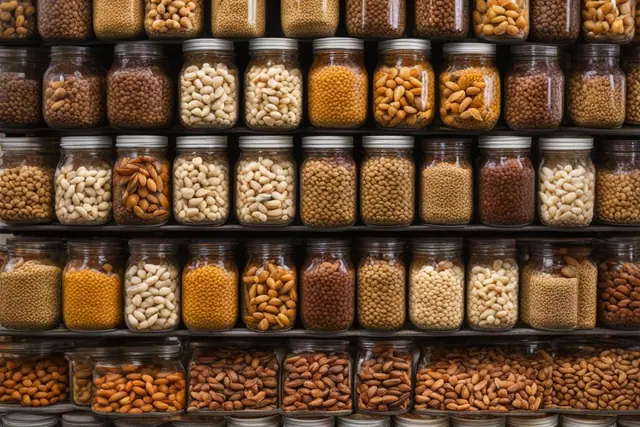
In this guide
- The Importance of Freshness for Nuts
- Avoid Buying Bulk Nuts
- Refrigerate or Freeze Nuts for Longevity
- Proper Pantry Storage
- The Shelf Life of Nuts
- General Rules for Storing Nuts & Seeds
- Proper Storage of Different Types of Nuts
- Benefits of Buying Bulk Food Locally
- The Benefits of Refrigeration and Freezing
- Choosing the Right Storage Jars and Labels
- Personal Recommendations for Storage Jars and Labels
- Tips for Detecting Spoiled Nuts
- The Right Techniques for Storing Nuts
- Conclusion
- Source Links
- FAQ
When it comes to nuts, proper storage techniques are crucial to maintain their freshness and flavor. Whether you love almonds, walnuts, or cashews, here are some tips to help you maximize the shelf life of your favorite nuts.
Nuts are not only delicious but also packed with essential nutrients. To ensure they stay fresh, follow these simple guidelines:
The Importance of Freshness for Nuts
Nuts are not only delicious but also packed with essential nutrients such as protein, fiber, and heart-healthy omega-3 fatty acids. To fully reap their benefits, it is crucial to prioritize freshness when it comes to storing nuts. Fresh nuts not only retain their nutritional value but also offer a superior flavor profile. Let's explore why freshness matters when it comes to nuts.
When nuts are harvested and processed, they undergo oxidation, which can lead to a decline in their nutritional value and flavor. The longer nuts are exposed to air, light, and heat, the more their delicate oils can go rancid, resulting in a loss of taste and nutritional benefits. This is why it is essential to ensure that the nuts you consume are as fresh as possible.
By storing nuts properly and minimizing their exposure to oxygen, you can preserve their freshness. Proper storage techniques, such as refrigeration or freezing, can help extend the shelf life of nuts and maintain their flavor and nutritional value. Additionally, avoiding bulk bins and opting for sealed packaging can protect nuts from oxygen exposure and potential contamination.
Next, we will discuss the best practices for storing nuts to maximize their freshness and ensure that you are getting the most out of these nutrient-rich snacks.
The Benefits of Freshness
"Fresh nuts not only retain their nutritional value but also offer a superior flavor profile."
When nuts are fresh, their nutritional value is at its peak. They contain vitamins, minerals, and antioxidants that are essential for optimal health. Fresh nuts also have a pleasant, nutty aroma and a satisfying crunch, making them a delight to eat.
The Role of Nutritional Value
Nuts are known for their high nutritional value, with various health benefits linked to their consumption. They are an excellent source of protein, fiber, and healthy fats, which can aid in weight management, improve heart health, and support brain function. The higher the nutritional value of the nuts, the greater the benefits for your overall well-being.
Preserving Flavor and Texture
When nuts are fresh, they have a rich, natural flavor and a crisp texture. Storing them properly helps retain these desirable qualities for a longer period. Fresh nuts can enhance the taste and texture of a wide range of dishes, from salads and desserts to savory main courses. By prioritizing freshness, you can enjoy the full sensory experience that nuts have to offer.
Avoid Buying Bulk Nuts
When it comes to purchasing nuts, it's important to consider the freshness and quality of the product. While bulk bins may offer convenience and cost savings, they can compromise the freshness of the nuts. Nuts stored in bulk bins are constantly exposed to oxygen, which accelerates the rancidity process and affects their flavor and nutritional value.
For optimal freshness and to minimize the risk of consuming rancid nuts, it's best to buy nuts that are sealed in a bag. These packaged nuts provide a protective barrier against oxygen exposure, ensuring that they stay fresh for a longer period of time. Additionally, buying nuts in sealed bags reduces the likelihood of contamination from germs and bacteria that may be present in bulk bins.
By opting for nuts that are packaged in a bag, you can have more control over the quality and safety of the product. So, the next time you're shopping for nuts, consider avoiding bulk bins and choose packaged nuts for a fresher and more enjoyable snacking experience.
Table: The Effects of Oxygen Exposure on Nuts
| Nut Type | Oxygen Exposure | Quality |
|---|---|---|
| Almonds | Exposed in Bulk Bins | Increased Rancidity |
| Walnuts | Exposed in Bulk Bins | Decreased Freshness |
| Pistachios | Sealed in Bag | Preserved Freshness |
| Cashews | Sealed in Bag | Enhanced Flavor |
Refrigerate or Freeze Nuts for Longevity
When it comes to extending the shelf life and preserving the flavor of nuts, refrigeration and freezing are the key techniques to employ. Nuts contain delicate oils that can go rancid quickly when exposed to heat, light, and oxygen. Storing them in the refrigerator or freezer helps maintain their freshness and enhances their flavor.
Unopened bags of nuts can last up to two years in the fridge or freezer, while opened bags of shelled nuts can last up to a year. In-shell nuts have an even longer shelf life, lasting around a year and a half when stored in a cool environment. By refrigerating or freezing your nuts, you can prevent bitterness and enjoy their natural taste for an extended period.
For convenient storage, consider transferring your nuts to airtight containers before refrigerating or freezing them. This helps protect them from any odors in the fridge or freezer and prevents moisture from seeping in. Additionally, labeling the containers with the purchase date can help you keep track of freshness and ensure you consume the oldest nuts first.
| Nut Type | Refrigerator Shelf Life (Unopened) | Freezer Shelf Life (Unopened) |
|---|---|---|
| Almonds | 2 years | 2 years |
| Cashews | 2 years | 2 years |
| Pecans | 2 years | 2 years |
| Walnuts | 2 years | 2 years |
| Hazelnuts | 2 years | 2 years |
https://www.youtube.com/watch?v=zYDuB6rkQx4
"Storing nuts in the refrigerator or freezer helps prevent rancidity and extends their shelf life." - Nutritionist Jane Brown
Proper Pantry Storage
When it comes to storing nuts in your pantry, there are a few key factors to consider. First and foremost, it's crucial to keep them in a cool, dark spot to maintain their freshness. This helps to prevent the nuts from being exposed to heat and light, which can cause them to spoil more quickly.
In addition to the right location, using airtight containers is essential for preserving the quality of your nuts. Airtight containers create a barrier that prevents oxygen from reaching the nuts, helping to prolong their freshness. This is particularly important if you plan to store your nuts in the pantry for longer periods.
Remember, even when stored correctly, nuts should ideally be consumed within a couple of weeks to ensure they retain their flavor and texture. Keeping them in airtight containers in a cool, dark spot will help maintain their freshness and maximize their shelf life.
Key Tips for Proper Pantry Storage:
- Store nuts in a cool, dark spot to prevent heat and light exposure.
- Use airtight containers to create a barrier against oxygen.
- Consume nuts within a couple of weeks for optimal flavor and texture.
The Shelf Life of Nuts
When it comes to storing nuts, understanding their shelf life is crucial to ensure you're consuming them at their best. While nuts don't have concrete expiration dates, their freshness can be affected by various factors, such as storage conditions and the type of nut. By paying attention to signs of spoilage and utilizing proper storage techniques, you can maximize the shelf life of your nuts and enjoy their delicious flavors for longer.
Signs of Rancidity
One of the key indicators of nut spoilage is the smell. Rancid nuts have a distinct paint-like odor that is unpleasant and sour. If you detect this off-putting smell when opening your nut container, it's best to discard the nuts to avoid unpleasant taste and potential digestive discomfort.
Extending Shelf Life with Rosemary Extract
For those looking to prolong the shelf life of their nuts, consider adding rosemary extract to the storage container. Rosemary extract contains natural antioxidants that can help prevent the oxidation process that leads to rancidity. Simply sprinkle a few drops of rosemary extract into your nut container and give it a gentle shake to evenly distribute the extract.
| Nut Type | Shelf Life (Opened) | Shelf Life (Unopened) |
|---|---|---|
| Almonds | 6-12 months | 1-2 years |
| Pecans | 6-12 months | 1-2 years |
| Walnuts | 6-12 months | 1-2 years |
| Cashews | 6-12 months | 1-2 years |
| Pistachios | 6-12 months | 1-2 years |
Proper Storage and Rotation
To ensure you're consuming nuts at their freshest, it's important to practice proper storage and rotation. Store your nuts in airtight containers in a cool, dark place, away from direct sunlight and heat sources. Additionally, label your containers with the purchase date to keep track of the freshness. Consume the nuts in a timely manner to avoid potential rancidity and to fully enjoy their flavor and nutritional benefits.
General Rules for Storing Nuts & Seeds
When it comes to storing nuts and seeds, there are some general rules to follow. These guidelines will help maintain their freshness, flavor, and nutritional value for longer periods. Here are some key considerations:
Choose Air-Tight Containers
Air-tight containers are essential for protecting nuts and seeds from exposure to oxygen. Opt for glass containers over plastic as they provide a better seal and are less likely to transfer chemicals into your food. Mason jars or resealable glass jars are great options for long-term storage. The air-tight seal will prevent moisture and air from entering the containers, preserving the nuts' quality.
Store Chopped Nuts Separately
If you have chopped or ground nuts, it's best to store them separately from whole nuts. Chopped nuts have a larger surface area, making them more susceptible to moisture and rancidity. Keep them in smaller airtight containers to minimize contact with air and moisture, helping to maintain their freshness and prevent spoilage.
Differentiate Between Shelled and Unshelled Nuts
Shelled nuts tend to have a shorter shelf life compared to those in their shells. The protective shell acts as a barrier, preventing the delicate oils in the nuts from going rancid. If you purchase shelled nuts, store them in air-tight containers to minimize exposure to oxygen, heat, and light. Unshelled nuts can be stored in their natural packaging, such as the shell or husk, to ensure maximum freshness.
Be Mindful of Roasted Nuts
Roasted nuts have a shorter shelf life than raw nuts due to the additional heat exposure during the roasting process. The high temperatures can cause the oils in the nuts to oxidize more quickly, leading to diminished flavor and quality. If you have roasted nuts, it's best to consume them within a reasonable timeframe to maintain their taste and texture.
Protect from Odors, Light, Heat, and Humidity
Nuts are highly absorbent and can take on the flavors and odors of their surroundings. Store them away from strong-smelling foods to prevent flavor contamination. Additionally, exposure to light, heat, and humidity can accelerate the spoiling process. Find a cool, dark spot in your pantry or cupboard to store your nuts, away from direct sunlight and heat sources like the stove or oven.
Understand Storage Durations
The duration for which nuts can be stored depends on various factors, including the type of nut, storage conditions, and packaging. As a general guideline, nuts can be stored at room temperature for up to three months, in the fridge for up to six months, and in the freezer for up to a year. Labeling your containers with the purchase date will help you keep track of the freshness and ensure you consume the oldest nuts first.
By following these general storage rules, you can extend the shelf life of your nuts and seeds, ensuring they stay fresh and flavorful for longer. Proper storage techniques not only maximize the enjoyment of these nutritious snacks but also reduce waste and save money in the long run.
Proper Storage of Different Types of Nuts
When it comes to storing nuts, it's important to consider their different characteristics and fat content. Proper storage techniques can help ensure the longevity and quality of these delicious snacks.
Pecans
Pecans are a popular nut choice known for their rich, buttery flavor. To keep pecans fresh, store them in an airtight container in the refrigerator or freezer. This helps prevent them from going rancid and maintains their crisp texture.
Peanuts
Peanuts are packed with protein and are a go-to snack for many. To store peanuts, keep them in a cool, dry place away from sunlight. It's best to consume them within a few months to enjoy their optimal flavor and crunch.
Walnuts
Walnuts are a nutritious nut known for their omega-3 fatty acids. To prolong the shelf life of walnuts, store them in an airtight container in the refrigerator. This helps preserve their flavor and prevents them from turning bitter.
Cashews
Cashews have a creamy texture and are a popular ingredient in many dishes. To keep cashews fresh, store them in an airtight container in the refrigerator or freezer. This helps maintain their creamy texture and prevents them from spoiling.
Almonds
Almonds are versatile nuts that can be enjoyed on their own or used in various recipes. To store almonds, keep them in an airtight container in a cool, dry place. This helps preserve their freshness and prevents them from becoming stale.
By following these proper storage techniques, you can ensure that your favorite nuts stay fresh, flavorful, and enjoyable for longer periods of time.
| Nut | Storage Method |
|---|---|
| Pecans | Airtight container in the refrigerator or freezer |
| Peanuts | Cool, dry place away from sunlight |
| Walnuts | Airtight container in the refrigerator |
| Cashews | Airtight container in the refrigerator or freezer |
| Almonds | Airtight container in a cool, dry place |
Benefits of Buying Bulk Food Locally
As a health-conscious shopper, I always strive to find the freshest and highest quality ingredients for my meals. When it comes to nuts, buying in bulk from a local grocery store or farmer's market has numerous benefits.
First and foremost, purchasing bulk food locally ensures freshness. By buying directly from the source, I can rest assured that the nuts are recently harvested and have not been sitting on a shelf for an extended period. This guarantees that I am getting the most flavorful and nutrient-rich nuts possible.
Moreover, buying bulk food locally allows me to support local farmers and businesses. I take pride in knowing that my purchase directly contributes to the local economy and helps sustain the community. It's a win-win situation for me and the producers.
Lastly, when I buy in bulk, I have the option to sample the nuts before making a large purchase. This way, I can ensure that I am buying the varieties I enjoy and that they meet my quality standards. It's always a pleasure to taste the freshness of the nuts before committing to a larger quantity.
Table: Comparison of Buying Bulk Food Locally versus Online
| Advantages of Buying Bulk Food Locally | Advantages of Buying Bulk Food Online |
|---|---|
| I can sample the product for freshness and quality. | I have access to a wide variety of nuts from around the world. |
| I can support local farmers and businesses. | Convenient and can be delivered to my doorstep. |
| I can ask questions and receive personalized recommendations from the seller. | Availability of bulk discounts and promotions. |
When it comes to buying bulk food, there’s no denying the benefits of purchasing locally. From the assurance of freshness to supporting local businesses, it's a choice that not only benefits me but also my community. So the next time you're looking to stock up on nuts, head to your local grocery store or farmer's market and experience the difference firsthand.
The Benefits of Refrigeration and Freezing
When it comes to storing nuts, refrigeration and freezing offer numerous benefits. These methods help maintain the freshness, flavor, and texture of nuts, ensuring they stay delicious for longer periods.
By storing nuts in the fridge or freezer, you can prevent them from going rancid. The cool temperatures in these environments slow down the oxidation process, keeping the nuts fresh and preserving their delicate oils. This is especially important for nuts with a high fat content, such as macadamia nuts, cashews, and Brazil nuts, as they can spoil more quickly.
Additionally, freezing nuts does not alter their texture due to their low water content. You can enjoy the same crunch and taste even after freezing. This makes freezing an excellent option for long-term storage, allowing you to keep a variety of nuts on hand without worrying about spoilage.
In summary, the fridge and freezer are valuable tools for maximizing the freshness and longevity of nuts. Whether you're a snacker or a baker, refrigeration and freezing can help you maintain a ready supply of delicious, nutritious nuts.
Choosing the Right Storage Jars and Labels
When it comes to storing nuts and seeds, selecting the right storage jars and labels is essential for organization, accessibility, and inventory management. Reusing old jars, such as pickle jars or jelly containers, can be a cost-effective and eco-friendly solution. Glass jars, especially wide-mouth ones, are ideal for easy access and convenient refilling. Labeling your jars with the purchase date helps you keep track of freshness and ensures that you consume the oldest nuts first.
Using the right storage jars not only keeps your nuts fresh but also adds a touch of aesthetics to your pantry. You can repurpose various glass jars, such as Mason jars or Ball Jars, which come in different sizes and designs. Wide-mouth jars make it easier to scoop out nuts, especially if you like to enjoy them as a quick snack. Additionally, glass jars provide a safe environment for your nuts, as they don't absorb strong odors or leach chemicals into your food.
“Glass jars are perfect for storing nuts and seeds. They are not only visually appealing but also practical and safe. Plus, they help preserve the freshness and flavors of the nuts.”
Benefits of Using Glass Jars:
- Preserve freshness and flavor
- Prevent odor absorption
- Avoid chemical leaching
- Easy access and scooping
- Convenient for pantry storage
- Eco-friendly and reusable
When it comes to labeling your storage jars, you have multiple options to choose from. Consider using a label maker for a neat and organized look. Label makers offer various font styles and sizes, allowing you to customize the labels to your preference. Alternatively, you can use a permanent marker for a quick and easy labeling solution. Make sure to clearly write the purchase date on each jar so that you can manage your inventory effectively.
| Storage Jar Options | Pros | Cons |
|---|---|---|
| Mason Jars | Various sizes and designs | Lids may rust over time |
| Ball Jars | Wide-mouth for easy access | Slightly higher price point |
| Reuse Old Jars | Cost-effective and eco-friendly | Limited size options |
Ultimately, the choice of storage jars and labels depends on your personal preferences and storage needs. Whether it's repurposing old jars or investing in quality glass jars, ensure that they are airtight and provide the necessary protection for your nuts. By choosing the right storage jars and labels, you'll not only keep your pantry organized but also enjoy the convenience of easily accessible and fresh nuts.
Personal Recommendations for Storage Jars and Labels
When it comes to storing nuts and seeds, I have a few personal recommendations for storage jars and labels that I find to be both practical and visually appealing. These suggestions can help you keep your kitchen organized and ensure your nuts stay fresh for longer.
Label Maker
If you're someone who values a neat and organized look, investing in a label maker can be a game-changer. Label makers allow you to create professional-looking labels with ease. You can customize the font, size, and style to suit your preferences. With clear and legible labels, you'll always know exactly what's in each jar.
Ball Jars
When it comes to storage jars, Ball Jars are an excellent choice. They are made of high-quality glass and come in various sizes to cater to your storage needs. The wide-mouth jars make it easy to access and refill your nuts without any hassle. Plus, the clear glass allows you to see the contents of the jar, making it convenient when you're searching for a specific type of nut.
Jar Capacity
Consider the capacity of the jars when choosing the right size for your nuts. It's essential to select jars that are appropriate for the quantity of nuts you typically store. You don't want to end up with half-empty jars taking up unnecessary space in your pantry or fridge. Opt for jars that can accommodate your nuts comfortably without leaving too much empty space.
By following these personal recommendations for storage jars and labels, you can enhance the organization of your kitchen while keeping your nuts fresh and delicious. Whether you prefer the sleek look of a label maker or the practicality of Ball Jars, these choices will help streamline your nut storage process.
Tips for Detecting Spoiled Nuts
As a nut enthusiast, I know how disappointing it can be to bite into a spoiled nut. To make sure you always enjoy your snack time, it's essential to be able to detect when nuts have gone bad. Here are some telltale signs that your nuts are no longer fresh:
- Odor: Rancid nuts have an unpleasant smell, often described as sour, moldy, or even reminiscent of paint. If your nuts emit any of these odors, it's best to discard them.
- Texture: Fresh nuts should have a nice crunch when you bite into them. If the texture feels soft or mushy, it's a clear indication that the nuts have spoiled.
- Taste: The taste of spoiled nuts is noticeably different from that of fresh nuts. Instead of the sweet and nutty flavor you expect, rancid nuts have a sour, bitter taste. Trust your taste buds to guide you.
While consuming rancid nuts won't make you sick, they are certainly unappetizing. To ensure you always enjoy the best taste and quality, be sure to keep an eye out for these signs of spoilage.
Quick Tip: Extend Shelf Life with Proper Storage
By following proper storage techniques, you can delay the spoilage of your nuts. Storing nuts in airtight containers in the refrigerator or freezer is a great way to maintain their freshness and prolong their shelf life. Additionally, always check the expiration date before purchasing nuts and opt for sealed packages to ensure maximum quality.
Remember, a little attention to detail can go a long way in ensuring your nuts stay delicious and enjoyable for as long as possible.
The Right Techniques for Storing Nuts
Proper storage is crucial for maintaining the freshness and quality of nuts. Whether you prefer refrigeration or freezing, using airtight containers is key to sealing in the flavors and preventing rancidity. Here are some techniques to help you store nuts properly and enjoy their deliciousness for longer.
Refrigeration with Glass Jars
One effective technique for storing nuts is to use airtight glass jars and keep them in the refrigerator. Glass jars provide an excellent seal, preventing exposure to air and moisture that can lead to spoilage. Refrigeration helps extend the shelf life of nuts, maintaining their freshness and flavors. Make sure to label the jars with the purchase date for easy tracking and consumption.
Freezing in Freezer Bags
If you have a surplus of nuts and want to store them for an extended period, freezing is an excellent option. Place the nuts in their original packaging or transfer them to freezer bags, removing as much air as possible before sealing. Freezing helps preserve the taste and texture of the nuts, ensuring they stay fresh for an extended period.
Replenishing from Freezer to Fridge
When your supply of nuts in the refrigerator starts running low, replenish it by transferring nuts from the freezer bags to your glass jars in the fridge. This technique ensures a constant supply of fresh and delicious nuts while preventing waste. Remember to seal the jars tightly to maintain their quality and to keep track of the purchase dates.
By following these techniques, you can ensure that your nuts stay fresh, flavorful, and ready to enjoy whenever you desire. Proper storage in airtight containers, whether refrigerated or frozen, is key to maintaining the quality and longevity of your nuts. Implement these techniques today and savor the deliciousness of perfectly stored nuts!
Conclusion
To ensure the freshness and longevity of your nuts, it's crucial to follow proper storage techniques. Storing nuts in airtight containers in the fridge or freezer helps prevent rancidity and maintains their flavor. By avoiding the purchase of bulk nuts and being aware of spoilage signs, you can maximize the enjoyment of your favorite nuts.
Remember, freshness is key when it comes to nuts. Keeping them in sealed containers in a cool environment ensures that they stay delicious for longer. Whether you choose to refrigerate or freeze them, these storage methods will help preserve their freshness and nutritional value.
So, the next time you bring home a bag of nuts, take a few extra minutes to transfer them into airtight jars and store them properly. Your efforts will be rewarded with nuts that taste just as good as the day you bought them. Enjoy the lasting freshness of your nuts and savor every nutty bite!
Source Links
- https://www.realsimple.com/food-recipes/shopping-storing/food/how-to-store-nuts
- https://rawmanda.com/how-to-store-nuts-and-seeds/
- https://www.marthastewart.com/8298904/best-way-to-store-nuts
Frequently asked questions
- Are nuts good for you?
Yes, nuts are packed with nutrients and are rich in antioxidants, fiber, and nutrient-dense monounsaturated fats. They lower cholesterol, reduce inflammation, and decrease the risk of heart disease.
- How can I ensure the freshness of nuts?
To maintain the freshness of nuts, it's best to buy sealed bags of nuts instead of purchasing from bulk bins. Bulk bins expose nuts to oxygen, which can speed up the rancidity process. Sealed bags ensure freshness and minimize oxygen exposure.
- How should I store nuts to extend their shelf life?
For optimal freshness, it's advisable to store nuts in the refrigerator or freezer. Unopened bags of nuts can last up to two years in the fridge or freezer. Shelled nuts can last a year, while in-shell nuts can last around a year and a half. Storing nuts in a cool environment helps prevent bitterness and maintains their freshness.
- Can I store nuts in my pantry?
If you plan to use your nuts within a few weeks, storing them in a cool, dark spot in your pantry is acceptable. However, it's crucial to keep them in airtight containers to maintain their freshness. Remember to consume them within a couple of weeks to preserve their flavor and texture.
- How can I tell if nuts are spoiled?
Rancid nuts emit an unpleasant odor, with a sour, moldy, or paint-like smell. The texture of spoiled nuts becomes soft and loses its crunch. Taste-wise, spoiled nuts are sour and bitter instead of sweet and nutty. While consuming rancid nuts won't make you sick, they are unpalatable.
- What are the general rules for storing nuts and seeds?
Use airtight containers, preferably glass, to prevent chemicals from leaking into your food. Whole nuts stay fresh longer than chopped or ground nuts, and shelled nuts last longer than those in the shell. Roasted nuts spoil faster than raw nuts. Nuts absorb odors, so keep them away from smelly foods. Light, heat, humidity, and excess moisture can accelerate spoilage. Store nuts at room temperature for three months, in the fridge for six months, and in the freezer for a year. Label containers with the purchase date to keep track of freshness.
- How do different types of nuts store?
Different types of nuts have varying fat contents, which affects their shelf life. Almonds, walnuts, and pistachios have lower fat content and tend to last longer. Nuts higher in fat, such as macadamia nuts, pine nuts, cashews, and Brazil nuts, spoil more quickly. When storing these nuts, the difference in spoilage rate is less noticeable in the fridge or freezer, but becomes more evident in the pantry or kitchen cupboards.
- Is it better to buy bulk nuts online or locally?
It's recommended to buy bulk food, including nuts, from a local grocery store or farmer's market for optimal freshness. These places often allow you to sample the food before purchase, ensuring it is fresh and in season. It's best to avoid buying bulk nuts online, as it's harder to determine the freshness of the products.
- How do refrigeration and freezing benefit the freshness of nuts?
Refrigerating or freezing nuts helps preserve their freshness, flavor, and texture. Due to their low water content, nuts won't freeze in the freezer. Refrigeration or freezing prevents rancidity and extends the shelf life of nuts.
- What should I consider when choosing storage jars and labels for nuts?
When choosing storage jars and labels, consider using airtight glass jars to prevent chemicals from leaking into your food. Wide-mouth jars provide convenience for quick access and refilling. Labeling your jars with the purchase date helps with inventory management and ensures you consume the oldest nuts first.
- What are some personal recommendations for storage jars and labels?
Personal preferences for storage jars and labels may vary. A label maker can provide a neat and organized look, while a permanent marker offers a quick and easy labeling solution. Ball Jars, both wide-mouth and with various capacities, are highly recommended for storing nuts and seeds. Consider your storage needs and preferences when choosing the right jars and labels for your kitchen.
- How can I detect if nuts are spoiled?
To determine if nuts are spoiled, rely on your senses. Rancid nuts emit an unpleasant odor, with a sour, moldy, or paint-like smell. The texture of spoiled nuts becomes soft and loses its crunch. Taste-wise, spoiled nuts are sour and bitter instead of sweet and nutty. While consuming rancid nuts won't make you sick, they are unpalatable.
- What are the proper techniques for storing nuts?
To ensure optimal freshness and longevity, it is recommended to store nuts in airtight glass jars in the refrigerator. Extra nuts can be stored in their original freezer bags in the freezer. When the refrigerator stash runs low, replenish it by transferring nuts from the freezer bags to the jars in the fridge. This technique helps maintain the quality of the nuts.
AprilCook, recipe developer and the heart of Chefwiz. More about April