Guide
How to Store Fennel for Maximum Freshness
Discover the best ways on how to store fennel for lasting freshness. Explore my smart storage tips for keeping your fennel crisp and flavorful!
 By April13 min read
In this guide
- Understanding Fennel: What is Fennel and How to Prep & Cook It
- Selecting Fresh Fennel: Tips for Choosing the Best Bulb and…
- Washing and Trimming Fennel: Steps to Prepare Fennel for Storage
- Short-Term Storage Options: Refrigerating Fennel Bulbs
- Storing Cut Fennel Bulbs in the Refrigerator
- Freezing Fennel Bulbs for Long-Term Storage
- Blanching and Freezing Fennel: Preserving Flavor and Texture
- Using Fennel in the Kitchen: Tips for Culinary Creativity
- Health Benefits of Fennel: Nourishing and Flavorful
- Conclusion
- Source Links
- FAQ
Fennel is a versatile vegetable that can be enjoyed raw or cooked. To maximize its freshness and preserve its flavor, it is important to store fennel properly. In this article, I will share expert tips on how to store fennel to ensure it stays crisp and flavorful for longer periods of time.
Understanding Fennel: What is Fennel and How to Prep & Cook It
https://www.youtube.com/watch?v=9pOh6SCE7EM
Fennel, a herbaceous vegetable belonging to the carrot family, is a versatile ingredient that adds a unique flavor profile to various dishes. With hints of licorice, celery, and sweetness, fennel can be enjoyed raw or cooked, providing a refreshing and aromatic twist to your culinary creations.
The different parts of fennel offer various culinary possibilities. The bulb, the most commonly used part, can be consumed raw in salads, braised, roasted, or pickled. The stalks of fennel can be used to flavor broths, soups, and stews, while the fronds serve as fresh herbs to enhance the taste of your dishes.
"Fennel, with its versatile usage and unique flavor, can elevate any dish to the next level of culinary delight." - Expert Chef
When it comes to prepping fennel, start by trimming the stalks and fronds, leaving about an inch attached to the bulb. Remove any tough outer layers and rinse the fennel under cool running water, removing any dirt or debris. Properly cleaning and trimming fennel ensures that it is ready for cooking or storing.
Benefits of Cooking with Fennel:
- Enhances flavor profile with hints of licorice, celery, and sweetness
- Adds a refreshing crunch to salads and slaws
- Complements Mediterranean vegetables, fish, meat, and poultry
- Provides a unique aromatic twist to broths, soups, and stews
| Fennel Part | Culinary Uses |
|---|---|
| Bulb | Raw in salads, braised, roasted, pickled |
| Stalks | Flavoring broths, soups, stews |
| Fronds | Fresh herbs to enhance taste |
Understanding fennel and its various parts, as well as how to prep and cook them, opens up a world of culinary creativity in the kitchen. Explore the versatility of fennel and unleash its full potential in your dishes, adding a nourishing and flavorful element to your meals.
Selecting Fresh Fennel: Tips for Choosing the Best Bulb and Evaluating Fronds
When it comes to selecting fresh fennel, there are a few key factors to consider. By paying attention to the quality and freshness of the bulbs and evaluating the fronds, you can ensure that you're choosing the best fennel for storage.
First and foremost, look for fennel bulbs that are firm and white. Avoid bulbs that have brown spots or any signs of damage. A firm bulb indicates freshness and will have a better texture when cooked or eaten raw.
In addition to the bulbs, it's important to evaluate the fronds. The stalks and fronds should be smooth, vibrant, and unwilted. The fronds, which resemble dill or parsley, should be bright green, crisp, and aromatic. These visual cues indicate fresh fennel that will have optimal flavor.
By following these simple tips, you can confidently select fresh fennel that will enhance your culinary creations and ensure the best taste and quality.
Table: Tips for Selecting Fresh Fennel
| Tip | Description |
|---|---|
| Look for firm bulbs | Firm bulbs indicate freshness and better texture |
| Avoid brown spots or damage | Choose bulbs that are free from any signs of damage |
| Check for smooth and vibrant fronds | The stalks and fronds should be smooth, vibrant, and unwilted |
| Choose bright green and aromatic fronds | Opt for fronds that are bright green, crisp, and aromatic for the best flavor |
By following these tips for selecting fresh fennel, you can ensure that you're bringing the highest quality and most flavorful fennel into your kitchen.
Washing and Trimming Fennel: Steps to Prepare Fennel for Storage
Properly washing and trimming fennel is an important step to ensure its freshness and quality during storage. Follow these simple steps to prepare fennel for storage:
- Remove outer layers: Start by removing any dirt or debris from the outer layers of the fennel bulb. Use a soft brush or cloth to gently scrub the bulb, ensuring it is clean and free from any impurities.
- Rinse under cool water: Rinse the fennel bulb under cool running water to remove any remaining dirt or debris. Make sure to rinse it thoroughly, ensuring that all surfaces are clean.
- Trim the stalks: Trim the stalks of the fennel, leaving about an inch attached to the bulb. Removing excess stalks helps maintain the freshness of the fennel during storage.
- Trim the fronds: Trim the fronds from the top of the fennel bulb, leaving a small amount attached for aesthetic purposes if desired. The fronds can be saved for garnishing or other culinary uses.
By following these steps, you can ensure that your fennel is clean and properly trimmed, ready for storage. Remember to store the fennel in a cool, dry place or follow specific storage methods based on the duration you plan to store it for.
Tips for Washing and Trimming Fennel:
Here are some additional tips to keep in mind when washing and trimming fennel:
- Use a soft brush to remove stubborn dirt from hard-to-reach areas of the fennel bulb.
- Trimming excess stalks and fronds helps maintain the flavor and texture of the fennel during storage.
- Save the trimmed fronds for additional culinary uses, such as garnishing salads or flavoring broths.
- Ensure the fennel is completely dry before storing to prevent any moisture buildup that can lead to spoilage.
By properly washing and trimming fennel, you can enhance its freshness and ensure that it stays in optimal condition for longer periods of time.
| Steps | |
|---|---|
| Remove outer layers | Scrub the bulb to remove dirt and debris |
| Rinse under cool water | Ensure thorough cleaning of all surfaces |
| Trim the stalks | Leave about an inch attached to the bulb |
| Trim the fronds | Leave a small amount for aesthetic purposes |
Short-Term Storage Options: Refrigerating Fennel Bulbs
When it comes to short-term storage, refrigerating fennel bulbs is a reliable option that helps preserve their freshness. To ensure the best results, follow these simple steps:
- Wrap the fennel bulbs tightly in a damp paper towel. This will help maintain their moisture levels and prevent them from drying out.
- Place the wrapped bulbs in a perforated plastic bag. The perforations allow for proper airflow, preventing condensation and extending the shelf life of the fennel.
- Store the wrapped bulbs in the vegetable crisper drawer of your refrigerator. The cool temperature will help maintain their crispness and flavor.
By refrigerating fennel bulbs using this method, you can extend their freshness for up to a week, ensuring that they remain ready to use in your favorite recipes.
Table: Shelf Life of Refrigerated Fennel Bulbs
| Storage Method | Shelf Life |
|---|---|
| Refrigeration (wrapped in a damp paper towel and placed in a perforated plastic bag) | Up to 1 week |
Tip: To maximize the shelf life of refrigerated fennel bulbs, it's important to keep them away from foods with strong odors, as fennel can easily absorb these aromas.
Refrigerating fennel bulbs is a convenient method for short-term storage, allowing you to enjoy their crispness and flavor for longer periods. However, if you have cut fennel bulbs that you wish to store, a different approach is required.
Storing Cut Fennel Bulbs in the Refrigerator
When it comes to storing cut fennel bulbs, proper methods are essential to maintain their freshness and extend their shelf life. By following these simple steps, you can ensure that your cut fennel stays crisp and flavorful for longer periods of time.
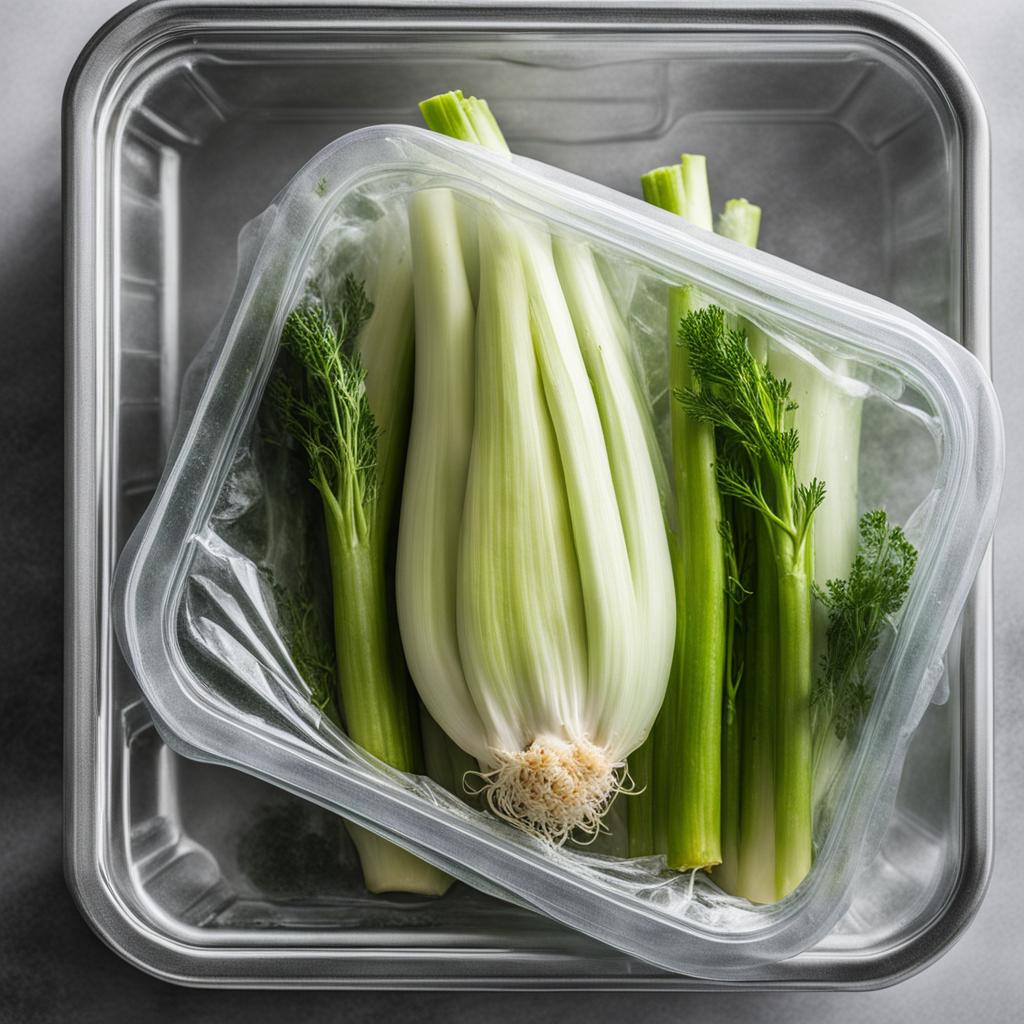
To begin, wrap the cut fennel bulbs tightly in plastic wrap or place them in an airtight container. This helps prevent excess moisture from entering the fennel, which can lead to spoilage. By creating a barrier, you're effectively protecting the cut fennel from drying out and losing its natural flavors.
Next, find a suitable storage space in your refrigerator. The crisper drawer is an ideal location as it provides a cool and consistent temperature. Simply place the wrapped or containerized fennel in the crisper drawer, ensuring it is not overcrowded to allow for proper airflow.
With this storage method, cut fennel bulbs can stay fresh in the refrigerator for up to five days. This means you'll always have conveniently stored fennel ready for your culinary needs, whether it's tossing it into a salad or incorporating it into a delicious stir-fry.
Freezing Fennel Bulbs for Long-Term Storage
If you want to extend the shelf life of your fennel bulbs even further, freezing is an excellent long-term storage option. Freezing fennel not only preserves its flavor but also ensures that you can enjoy its freshness even when it's out of season. Here are the steps to freeze fennel bulbs:
- Wash and trim the fennel bulbs, removing any tough outer layers.
- Slice the bulbs into your desired shapes, such as wedges or slices.
- Blanch the fennel in boiling water for 2-3 minutes, until slightly tender.
- Transfer the blanched fennel to an ice bath to cool and preserve their color.
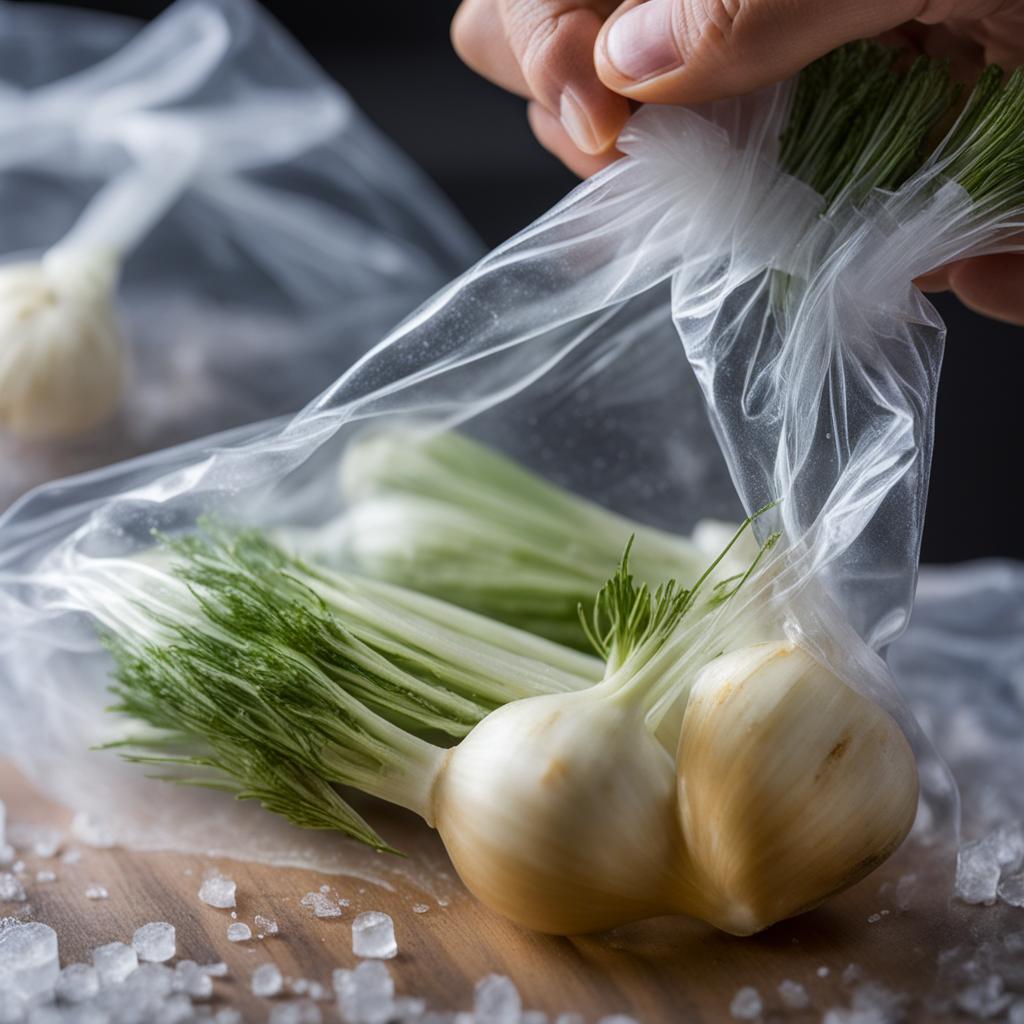
- Pat the fennel dry and place them in freezer-safe bags or containers.
Label the bags or containers with the date and store them in the freezer. Frozen fennel can be stored for up to six months without compromising its flavor and quality.
Blanching and Freezing Fennel: Preserving Flavor and Texture
When it comes to preserving the flavor and texture of fennel for long-term storage, blanching and freezing are highly effective techniques. Blanching fennel involves briefly cooking it in boiling water and then immediately cooling it in an ice bath to halt the cooking process. This method helps retain the vibrant color, crispness, and flavor of the fennel, ensuring that it remains delicious and ready to use whenever you need it.
To blanch fennel, start by trimming and cutting the fennel into your desired shapes. Next, bring a pot of water to a rolling boil and carefully add the fennel. Cook the fennel for a few minutes until it becomes slightly tender, then quickly remove it from the boiling water and transfer it to a bowl filled with ice water. The ice bath will cool down the fennel and help lock in its flavor and texture.
Once the blanched fennel is cooled, drain it thoroughly and pat it dry to remove any excess moisture. This step is crucial for preventing freezer burn and maintaining optimal flavor and texture when freezing the fennel. After drying, pack the blanched fennel into freezer-safe containers or bags, making sure to remove as much air as possible to prevent freezer burn.
| Blanching and Freezing Fennel: Steps | Benefits |
|---|---|
| Trim and cut the fennel into desired shapes. | Preserves the vibrant color and crispness of fennel. |
| Blanch the fennel in boiling water for a few minutes. | Halts enzyme activity and helps maintain flavor. |
| Transfer the blanched fennel to an ice bath. | Preserves the texture and prevents overcooking. |
| Drain the cooled fennel and pat it dry. | Removes excess moisture to prevent freezer burn. |
| Pack the blanched fennel into freezer-safe containers or bags. | Provides convenient portioning and storage. |
Blanching and freezing fennel is an excellent way to extend its shelf life and ensure that you have a supply of fresh-tasting fennel at your fingertips. Use the blanched and frozen fennel within six months for the best flavor and texture.
Using Fennel in the Kitchen: Tips for Culinary Creativity
Fennel is a versatile ingredient that adds a unique flavor and texture to a variety of dishes. Whether you're a seasoned chef or a home cook looking to experiment with new ingredients, fennel offers endless culinary possibilities. Here are some tips to help you unleash your creativity in the kitchen and make the most of fennel's distinct flavor profile.
Raw and Crunchy:
One of the simplest ways to enjoy fennel is raw, as it provides a refreshing crunch and subtle sweetness. Thinly slice the fennel bulb and toss it in a salad with leafy greens, citrus segments, and a light vinaigrette. The crisp texture of fennel adds a delightful contrast to the other ingredients, making for a vibrant and refreshing salad.
Roasted and Caramelized:
Roasting fennel brings out its natural sweetness and imparts a rich caramelized flavor. Cut the fennel bulb into wedges and toss them with olive oil, salt, and pepper. Roast in a preheated oven at 400°F (200°C) for about 30 minutes, or until the fennel is tender and golden brown. The roasted fennel can be enjoyed as a side dish or incorporated into pasta dishes, grain bowls, or roasted vegetable medleys.
Flavorful Soups and Stews:
Fennel adds depth and complexity to soups and stews. Sauté chopped fennel with onions, garlic, and other aromatic vegetables as a base for your soup or stew. The natural sweetness of fennel complements savory flavors and adds a unique twist to traditional recipes. Try using fennel in tomato-based soups, seafood chowders, or vegetable stews for an extra burst of flavor.
These are just a few examples of how you can incorporate fennel into your cooking. Don't be afraid to experiment and discover new flavor combinations that work well with fennel. Whether you're using it raw, roasted, or in soups, fennel's versatility will add a delightful touch to your culinary creations.
Health Benefits of Fennel: Nourishing and Flavorful
Fennel is not only a delicious and versatile vegetable, but it also offers a range of health benefits. From supporting digestion to boosting immune function, incorporating fennel into your diet can help improve your overall well-being.
Digestive Aid:
Fennel has long been used as a natural remedy for digestive issues. Its high fiber content promotes healthy digestion and can help prevent constipation. Fennel also contains compounds that have been shown to relax the muscles in the gastrointestinal tract, soothing symptoms of bloating and cramping.
Nutrient-Rich:
In addition to its digestive benefits, fennel is packed with essential nutrients. It is a good source of vitamin C, which supports immune function and collagen production. Fennel also contains potassium, a mineral that helps regulate blood pressure, as well as folate, which is important for cell growth and development.
Anti-Inflammatory Properties:
Fennel contains antioxidants and phytonutrients that have anti-inflammatory properties. These compounds help protect cells from damage caused by free radicals and can reduce inflammation throughout the body. By incorporating fennel into your diet, you can support a healthy inflammatory response and potentially reduce the risk of chronic diseases.
Overall, fennel is a flavorful and nutritious vegetable that can benefit your health in multiple ways. Whether you enjoy it raw in salads, roasted in dishes, or as a digestive aid in herbal teas, adding fennel to your diet can provide a delicious boost to your well-being.
"Fennel is a versatile vegetable that not only adds flavor to dishes but also offers a range of health benefits. Its natural compounds can aid in digestion, provide essential nutrients, and reduce inflammation. Incorporating fennel into your diet can be a tasty and nourishing way to support your overall health."
Conclusion
In conclusion, knowing how to store fennel properly is essential for preserving its freshness and extending its shelf life. By following the tips and techniques shared in this article, you can ensure that your fennel stays crisp, flavorful, and ready to use whenever you need it.
Whether you choose to refrigerate, freeze, or use fresh fennel, it offers versatility in the kitchen and can be incorporated into a variety of dishes. From salads to soups, fennel adds a unique flavor and texture that can elevate your culinary creations.
Not only does fennel enhance the taste of your dishes, but it also provides several health benefits. With its low calorie content, high fiber content, and rich nutrient profile, fennel is a nourishing and flavorful addition to your diet.
So, the next time you bring home fresh fennel, remember to wash and trim it, choose the appropriate storage method according to your needs, and enjoy the benefits of this versatile vegetable in your meals. By taking simple steps to store fennel correctly, you can savor its freshness for as long as possible.
Source Links
- https://www.eatingwell.com/article/7963112/how-to-store-fennel/
- https://www.savorysuitcase.com/how-to-store-fennel/
- https://foodal.com/knowledge/how-to/store-and-use-fresh-fennel/
Frequently asked questions
- How long can I store fennel in the refrigerator?
Fennel can be stored in the refrigerator for up to a week if properly wrapped in a damp paper towel and stored in a perforated plastic bag in the vegetable crisper drawer.
- Can I store cut fennel bulbs in the refrigerator?
Yes, you can store cut fennel bulbs in the refrigerator. Wrap them tightly in plastic wrap or place them in an airtight container to prevent moisture loss and spoilage. Store them in the refrigerator's crisper drawer for up to five days.
- How long can I freeze fennel bulbs?
Frozen fennel bulbs can be stored for up to six months. After washing and trimming the bulbs, slice them into desired shapes and blanch them in boiling water for 2-3 minutes. Cool them in an ice bath, pat them dry, and pack them into freezer-safe bags or containers.
- Why is blanching fennel before freezing recommended?
Blanching fennel before freezing helps preserve its flavor and texture. By briefly cooking the fennel in boiling water and then cooling it in an ice bath, you can maintain its color and quality during storage.
- How can I use fennel in my cooking?
Fennel can be used in a variety of ways in the kitchen. You can enjoy fennel raw in salads, cook it in soups or stews, pickle it for added flavor, or use the stalks and fronds to flavor broths. It pairs well with Mediterranean vegetables, fish, meat, poultry, and spices like curry powder.
- What are the health benefits of fennel?
Fennel is low in calories and high in fiber, making it a good choice for weight management and digestion. It is also rich in vitamin C, potassium, and folate, which support immune function and cell growth. Fennel contains antioxidants and phytonutrients that have anti-inflammatory properties.
AprilCook, recipe developer and the heart of Chefwiz. More about April