Guide
How to Freeze Zucchini? (Measurement Conversion Guide)
Explore my simple guide on how to freeze zucchini! Maximize freshness, preserve nutrients, and enjoy this versatile veggie year-round. Discover now!
 By April21 min read
In this guide
- Why Freeze Zucchini?
- Methods for Freezing Zucchini
- Freezing Zucchini Shreds
- Freezing Zucchini Noodles and Slices
- Cooking with Frozen Zucchini
- Proper Storage of Frozen Zucchini
- Thawing Frozen Zucchini
- Versatility of Frozen Zucchini
- Benefits of Freezing Zucchini
- Expert Tips for Freezing Zucchini
- Conclusion
- Source Links
- FAQ
Are you wondering how to freeze zucchini to maximize freshness and preserve its nutrients? Look no further! In this guide, I'll walk you through the simple steps of freezing zucchini and provide a helpful measurement conversion guide.
Now that you have a quick overview, let's dive into the detailed process of freezing zucchini and explore the various methods and tips to ensure the best results.
Why Freeze Zucchini?
Freezing zucchini is a fantastic way to preserve the abundance of this versatile summer vegetable, whether it's from your own garden, a farmers market, or a CSA box. By freezing zucchini, you can extend its shelf life and avoid wasting any of this delicious and nutritious produce.
One of the great benefits of freezing zucchini is that it allows you to enjoy garden-fresh zucchini all year round. When zucchini is in season, it often comes in a surplus, and freezing it enables you to store it for later use. Whether you're looking to enjoy zucchini dishes in the colder months or want to have zucchini on hand whenever you need it, freezing is the perfect solution.
Not only does freezing zucchini help preserve its freshness, but it also retains its nutrients. Zucchini is packed with vitamins and minerals, and by freezing it, you can lock in those essential nutrients. So, even when you're enjoying zucchini that has been frozen, you can still reap the health benefits it provides.
Preserve and Enjoy the Versatility of Zucchini
When you freeze zucchini, you're not limited to specific dishes or cooking methods. Frozen zucchini can be used in a wide variety of recipes, from soups and stews to sauces and stir-fries. Its versatility makes it a valuable ingredient that can enhance the flavor and add a nutritious boost to many dishes.
Furthermore, freezing zucchini not only helps you avoid waste but also gives you the freedom to experiment in the kitchen. You can use frozen zucchini as a side dish, incorporate it into main courses like lasagna or spaghetti sauce, or even use it in unexpected ways, like adding it to a cheesecake for a unique twist.
| Key Benefits of Freezing Zucchini: |
|---|
| Preserves garden-fresh zucchini |
| Extends shelf life |
| Avoids waste |
| Retains nutrients |
| Allows year-round enjoyment |
So, don't let your zucchini go to waste. Freeze it and unlock a world of culinary possibilities while ensuring you have a supply of this delicious summer vegetable available whenever you need it.
Methods for Freezing Zucchini
There are various methods for freezing zucchini, and in this section, I'll cover the most effective techniques and share some insights on preserving the best possible texture, flavor, color, and nutrients.
When it comes to freezing zucchini, one popular method is to freeze it in shreds, noodles, or slices. Blanching zucchini before freezing is typically not necessary and does not have much of an impact on the final result. However, if desired, zucchini can be blanched by boiling it for 60 seconds and then plunging it into an ice bath. Before freezing, the zucchini should be prepared in the desired form, such as spiralized for noodles, sliced into chunks, or shredded.
To freeze zucchini noodles or slices, spread them in a single layer on a baking sheet and freeze until solid. Then, transfer them to a long-term storage container in the freezer. For shredded zucchini, measure out the desired amount into a storage container and freeze. It is recommended to use glass food storage containers, glass canning jars with straight sides, zip-top freezer bags, or vacuum sealing bags for storing frozen zucchini.
When it comes to cooking with frozen zucchini, there is no need to thaw the zucchini before using it. Frozen zucchini can be added directly to soups, stews, and sauces and warmed through. For baking with frozen shredded zucchini, it can be used as a substitute for fresh shredded zucchini in recipes without the need to thaw. The excess moisture is squeezed out before freezing, so frozen shredded zucchini is perfect for adding moisture to quick breads or muffins.
| Method | Instructions |
|---|---|
| Zucchini Noodles/Slices | Spread in a single layer on a baking sheet and freeze until solid. Transfer to a long-term storage container. |
| Shredded Zucchini | Measure out the desired amount into a storage container and freeze. |
| Storage Containers | Glass food storage containers, glass canning jars with straight sides, zip-top freezer bags, or vacuum sealing bags. |
Overall, frozen zucchini is a great way to have an abundance of zucchini all year long and can be used in a variety of dishes. It is important to properly prepare and store the zucchini to maintain its quality and flavor.
Freezing Zucchini Shreds
One popular way to freeze zucchini is in shredded form, and in this section, I'll guide you through the process, from storage containers to using frozen shredded zucchini in delicious quick breads and muffins. To freeze zucchini shreds, start by preparing the zucchini in the desired form. Shred the zucchini using a grater or a food processor with a shredding blade. Once shredded, measure out the desired amount into a storage container. It is recommended to use glass food storage containers, as they are freezer-safe and will help maintain the quality of the zucchini. Before freezing, it is essential to remove excess moisture from the zucchini. Place the shredded zucchini in a colander or strainer and press down gently to release any liquid. This step is crucial to prevent the zucchini from becoming watery and affecting the texture of your dishes. Once the excess moisture is removed, transfer the shredded zucchini into the storage container, ensuring that it is tightly packed. Seal the container tightly, and label it with the date for future reference. Frozen shredded zucchini can be stored in the freezer for up to 12 months. Now that you have your frozen shredded zucchini, you can use it in a variety of recipes. One popular way to incorporate it is in quick breads and muffins. The frozen zucchini adds moisture and a subtle flavor, making your baked goods moist and delicious. Simply thaw the desired amount of shredded zucchini, squeeze out any additional moisture, and use it as a substitute for fresh shredded zucchini in your favorite recipes.
Benefits of Freezing Zucchini Shreds:
- Preserves excess zucchini from your garden or farmers market - Allows you to enjoy zucchini year-round - Convenient and ready to use in various recipes - Adds moisture and flavor to quick breads and muffins
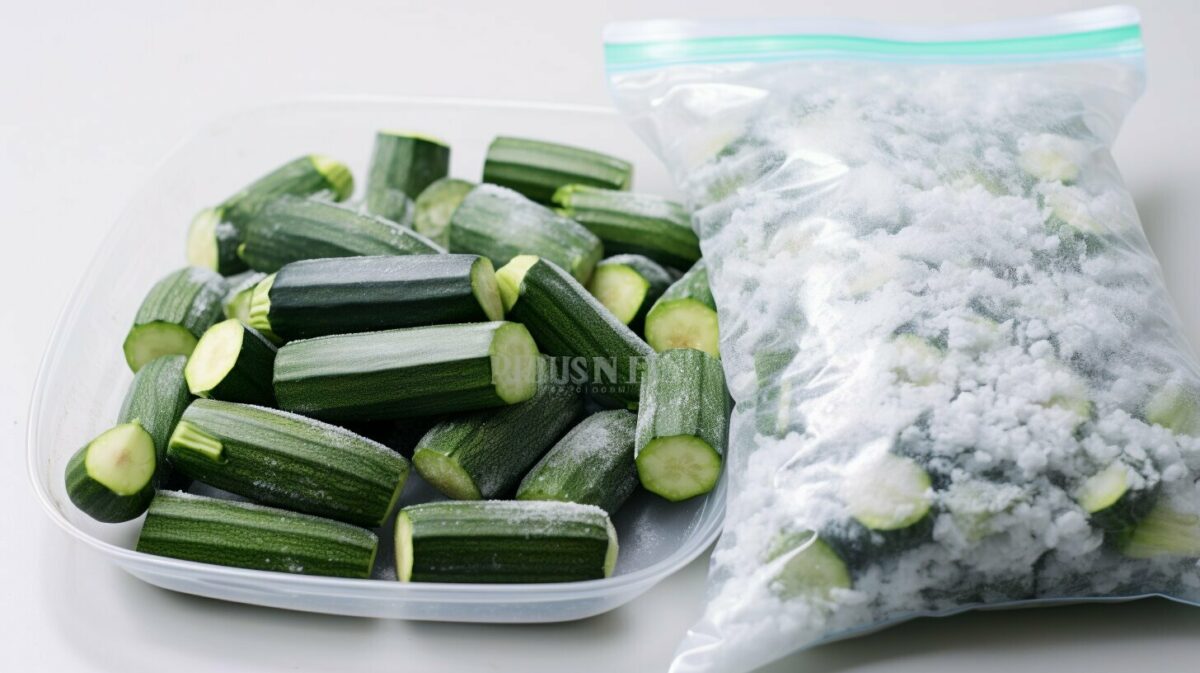
(Insert image here: )
In conclusion, freezing zucchini in shredded form is a fantastic way to preserve the abundance of zucchini and enjoy it throughout the year. By following the proper storage techniques and using the right containers, you can maintain the quality and flavor of your frozen shredded zucchini. So go ahead, shred that zucchini, freeze it, and get ready to whip up some delightful quick breads and muffins anytime you desire.
Freezing Zucchini Noodles and Slices
If you love zucchini noodles or slices, you'll be thrilled to learn how simple it is to freeze them for later use in your favorite dishes. Let me walk you through the process in this section.
To freeze zucchini noodles or slices, start by spreading them in a single layer on a baking sheet. This will prevent them from sticking together and make it easier to portion out later. Place the baking sheet in the freezer and freeze until the noodles or slices are solid.
Once frozen, transfer the zucchini noodles or slices to a long-term storage container in the freezer. This could be a zip-top freezer bag or a glass food storage container with a tight-sealing lid. Make sure to label the container with the date to keep track of how long it has been frozen.
When you're ready to use the frozen zucchini noodles or slices, simply remove the desired amount from the container and thaw them directly in your favorite recipes. The freezing process helps to preserve their texture and flavor, so you can enjoy delicious zucchini all year round!
Benefits of Freezing Zucchini Noodles and Slices
- Convenience: Having pre-frozen zucchini noodles or slices on hand allows for quick and easy meal preparation, especially during busy times.
- Preservation of Freshness: Freezing zucchini noodles or slices helps to lock in their freshness, preserving their taste and nutrients.
- Versatility: Frozen zucchini noodles or slices can be used in a variety of dishes, such as stir-fries, pasta dishes, and salads.
- Reduced Food Waste: Freezing zucchini noodles or slices allows you to extend the shelf life of your zucchini, reducing the likelihood of it going to waste.
- Cost Savings: By freezing zucchini noodles or slices when they are in season and abundant, you can save money and enjoy zucchini year-round.
With these simple steps, you can freeze zucchini noodles or slices and enjoy their benefits in your favorite dishes anytime you want!
| Benefits of Freezing Zucchini Noodles and Slices | |
|---|---|
| Convenience | Having pre-frozen zucchini noodles or slices on hand allows for quick and easy meal preparation, especially during busy times. |
| Preservation of Freshness | Freezing zucchini noodles or slices helps to lock in their freshness, preserving their taste and nutrients. |
| Versatility | Frozen zucchini noodles or slices can be used in a variety of dishes, such as stir-fries, pasta dishes, and salads. |
| Reduced Food Waste | Freezing zucchini noodles or slices allows you to extend the shelf life of your zucchini, reducing the likelihood of it going to waste. |
| Cost Savings | By freezing zucchini noodles or slices when they are in season and abundant, you can save money and enjoy zucchini year-round. |
Cooking with Frozen Zucchini
Now that you have your frozen zucchini ready, let's explore the exciting ways you can use it in your cooking, whether it's adding it directly to soups and stews or incorporating it into delicious baked goods. Frozen zucchini is incredibly versatile and can be used as a convenient substitute for fresh zucchini in a variety of dishes.
When it comes to cooking with frozen zucchini, there is no need to thaw it beforehand. This makes it incredibly convenient for adding to soups, stews, and sauces. Simply take the desired amount of frozen zucchini and add it directly to your simmering pots for an extra boost of flavor and nutrients.
If you're in the mood for baking, frozen shredded zucchini is a fantastic ingredient to have on hand. It can be used as a substitute for fresh shredded zucchini in recipes without the need to thaw. The excess moisture has been squeezed out before freezing, so you don't have to worry about your baked goods becoming too soggy. Whether you're making zucchini bread, muffins, or even a decadent zucchini cheesecake, the frozen shredded zucchini will add that perfect touch of moisture and flavor.
So don't let your excess zucchini go to waste! Freeze it and enjoy the convenience of having this versatile vegetable on hand all year long. Whether you're making comforting soups, hearty stews, or delicious baked goods, frozen zucchini is a wonderful addition to any recipe. Get creative in the kitchen and experiment with new ways to incorporate frozen zucchini into your meals. You'll be amazed at the delicious results!
Proper Storage of Frozen Zucchini
Proper storage is key to maintaining the quality and flavor of your frozen zucchini. In this section, I'll share the best storage options, from glass containers to vacuum sealing bags.
When it comes to freezing zucchini, using airtight containers is essential to prevent freezer burn and maintain freshness. Glass food storage containers are an excellent choice as they are freezer-safe and do not absorb odors. They also make it easy to see the contents inside without having to open the container. Alternatively, glass canning jars with straight sides are suitable for storing zucchini in slices or noodles, providing a compact and space-efficient option.
Zip-top freezer bags are another convenient option for storing frozen zucchini. They are flexible, allowing you to squeeze out any excess air before sealing, which helps prevent freezer burn. Remember to label the bags with the date of freezing to ensure proper rotation and avoid any confusion.
If you want to take it a step further and maximize the shelf life of your frozen zucchini, consider using vacuum sealing bags. These bags remove all the air from the package, providing an airtight seal that helps preserve the zucchini's flavor and texture for an extended period. However, keep in mind that vacuum sealing may cause the zucchini to become more compact, so it may take up less space in your freezer.
Remember that regardless of the storage option you choose, it's important to squeeze out as much air as possible to minimize the risk of freezer burn. Properly stored frozen zucchini can last for up to 12 months without compromising its quality, allowing you to enjoy the taste of summer all year round.
| Storage Option | Advantages |
|---|---|
| Glass Food Storage Containers | - Freezer-safe - Odor-resistant - See-through for easy identification |
| Glass Canning Jars | - Space-efficient - Suitable for slices or noodles - Airtight seal |
| Zip-top Freezer Bags | - Flexible for easy squeezing out of air - Convenient for labeling and portioning |
| Vacuum Sealing Bags | - Maximum air removal - Extended shelf life |
Thawing Frozen Zucchini
When you're ready to use your frozen zucchini, you'll want to thaw it quickly and efficiently. In this section, I'll walk you through the best methods for thawing frozen zucchini.
If you're pressed for time and need to thaw your zucchini as quickly as possible, the best method is to use a microwave. Simply place the frozen zucchini in a microwave-safe dish and defrost it using the microwave's defrost setting. Be sure to check on the zucchini frequently to prevent any parts from overheating or cooking. If you don't have a defrost setting, you can use the low power setting instead. Just make sure to stir the zucchini occasionally to ensure even thawing.
Alternatively, if you have more time to spare, you can thaw frozen zucchini in the refrigerator. Transfer the zucchini from the freezer to a container or plate and leave it in the refrigerator overnight. This gradual thawing process will help maintain the zucchini's texture and taste. Once thawed, the zucchini can be used in your desired recipes.
It's important to note that once zucchini is thawed, it may release some excess moisture. To minimize this, you can place the thawed zucchini in a colander or strainer and allow the excess moisture to drain off before using it in your recipes. This will help prevent any unwanted sogginess in your dishes.
Thawing frozen zucchini is an essential step in preparing it for use in your favorite recipes. Whether you choose to use the microwave or the refrigerator method, ensure that the zucchini is thoroughly thawed before incorporating it into your dishes. By following these thawing methods, you can enjoy the convenience and versatility of using frozen zucchini in your cooking year-round.
| Thawing Methods | Pros | Cons |
|---|---|---|
| Microwave | Quick thawing process | Potential risk of overheating or uneven thawing |
| Refrigerator | Gradual thawing maintains texture and taste | Requires more time |
Versatility of Frozen Zucchini
The beauty of frozen zucchini lies in its versatility. In this section, I'll inspire you with a variety of dishes where frozen zucchini can shine, from savory sides to indulgent desserts.
Savory Side Dishes
Frozen zucchini makes a fantastic addition to a variety of side dishes. One idea is to sauté the frozen zucchini with garlic, olive oil, and a sprinkle of Parmesan cheese for a quick and flavorful side dish. You can also use it as a base for a delicious zucchini fritter by mixing the frozen zucchini with eggs, breadcrumbs, and your favorite herbs and spices.
Indulgent Desserts
Yes, you read that right - zucchini can be used in desserts! The mild flavor and moisture of frozen zucchini make it a perfect addition to desserts like cheesecake, where it adds a unique and subtle twist. You can also incorporate frozen zucchini into your favorite chocolate cake recipe for a moist and rich treat. Don't worry, the zucchini flavor won't overpower the chocolate!
Delicious Main Courses
Frozen zucchini can shine in main courses too. Add it to your favorite lasagna recipe for an extra dose of vegetables and a delightful texture. It also works well in spaghetti sauce, giving it a slightly sweet flavor and a boost of nutrients. For a quick and healthy stir-fry, toss frozen zucchini into a hot skillet with other veggies and your choice of protein.
As you can see, frozen zucchini opens up a world of culinary possibilities. Whether you're looking to create savory side dishes, indulgent desserts, or delicious main courses, frozen zucchini is a versatile ingredient that can elevate your cooking. So, the next time you find yourself with an abundance of zucchini, don't hesitate to freeze it and explore the many ways you can enjoy this versatile vegetable.
Benefits of Freezing Zucchini
By now, you've learned all about how to freeze zucchini, but let's quickly recap the amazing benefits that make it worth your while.
First and foremost, freezing zucchini allows you to enjoy the freshness and nutrients of this versatile vegetable all year round. Whether you have a bountiful garden or love picking up zucchini from your local farmers market or CSA box, freezing is an excellent way to preserve the abundance and avoid waste. Instead of letting those extra zucchinis go bad, simply freeze them for later use.
Another great advantage of freezing zucchini is that it helps extend the shelf life of this summer vegetable. By freezing zucchini, you can prevent it from becoming overripe and losing its flavor and texture. When properly stored, frozen zucchini can maintain its quality for up to 12 months, ensuring you always have a supply on hand whenever you need it.
Furthermore, frozen zucchini is incredibly versatile. It can be used in a wide range of dishes, from savory to sweet. Add frozen zucchini to soups, stews, and sauces to enhance their flavor and provide an extra dose of nutrients. You can even use frozen shredded zucchini as a substitute for fresh in baked goods like quick breads and muffins, adding moisture and a hint of sweetness to your creations.
| Benefits of Freezing Zucchini: |
|---|
| Preserves freshness and nutrients |
| Extends the shelf life of zucchini |
| Allows for year-round enjoyment |
| Reduces food waste |
| Provides versatility in cooking |
So, whether you're looking to savor the flavors of summer during the colder months or simply want to make the most of an abundant zucchini harvest, freezing this versatile vegetable is the way to go. With its numerous benefits, freezing zucchini is a win-win solution that ensures you always have an abundance of zucchini on hand, ready to be transformed into delicious and nutritious dishes.
Expert Tips for Freezing Zucchini
As an expert chef, I've gathered some invaluable tips for freezing zucchini to help you avoid any texture mishaps or disappointments. Let me share them with you in this section.
Firstly, when freezing zucchini in any form, it's important to start with firm, fresh zucchini. Avoid using zucchini that is already mushy, limp, or watery, as these characteristics will only intensify during the freezing process. Choose zucchini that is firm to the touch and has a vibrant color. If the zucchini is starting to turn translucent, it might already be too ripe to freeze.
When preparing zucchini for freezing, it's important to remove excess moisture to prevent it from becoming soggy or weepy. Before freezing shredded zucchini, place it in a colander and sprinkle it with a pinch of salt. Let it sit for about 10 minutes to allow the salt to draw out the moisture. Then, squeeze the zucchini firmly to remove as much liquid as possible. This step will ensure that your frozen shredded zucchini retains its texture and doesn't release excess moisture when thawed.
Another tip to consider is avoiding enzymatic browning, which can occur when zucchini is exposed to air. It can give the zucchini an unappealing brown color. To prevent enzymatic browning, you can blanch the zucchini before freezing. However, keep in mind that blanching may affect the texture of the zucchini slightly. If you prefer to skip blanching, you can prevent browning by adding a small amount of lemon juice or citric acid to the zucchini before freezing. This will help maintain its vibrant green color.
| Expert Tips for Freezing Zucchini |
|---|
| Firm, fresh zucchini is ideal for freezing. |
| Remove excess moisture from shredded zucchini before freezing. |
| Prevent enzymatic browning by blanching or using lemon juice. |
By following these expert tips, you can ensure that your frozen zucchini maintains its firmness, color, and flavor. Whether you're planning to use it in soups, stews, sauces, or baked goods, properly freezing zucchini will allow you to enjoy its abundance and versatility all year long.
As you embark on your zucchini-freezing journey, you may have some burning questions. Don't worry, I've got you covered! Let's address some common FAQs related to freezing zucchini.
Conclusion
In conclusion, freezing zucchini is a fantastic way to preserve its abundance, enjoy it year-round, and take advantage of its incredible versatility while preserving its nutrients and freshness.
There are various methods for freezing zucchini, including shredding, spiralizing into noodles, or slicing into chunks. Blanching zucchini before freezing is not necessary, and the texture, flavor, color, and nutrient retention are not significantly affected by this step. Simply prepare the zucchini in the desired form and freeze it.
For freezing zucchini noodles or slices, spread them in a single layer on a baking sheet and freeze until solid. Then, transfer them to a long-term storage container in the freezer. If you prefer shredded zucchini, measure out the desired amount into a storage container and freeze it. Glass food storage containers, glass canning jars with straight sides, zip-top freezer bags, or vacuum sealing bags are recommended for storing frozen zucchini.
Cooking with frozen zucchini is a breeze. There is no need to thaw the zucchini before using it in soups, stews, or sauces. Simply add it directly to the dish and warm it through. When using frozen shredded zucchini for baking, it can be used as a substitute for fresh shredded zucchini without the need for thawing. The excess moisture is already squeezed out before freezing, making frozen shredded zucchini perfect for adding moisture to quick breads or muffins.
Overall, frozen zucchini is a versatile ingredient that can be used in a wide variety of dishes. With the proper preparation and storage, you can enjoy the abundance of zucchini all year long while preserving its nutrients and freshness. So go ahead and stock up on zucchini when it's in season, and freeze it for later use!
Source Links
- https://www.gettystewart.com/how-to-freeze-zucchini-and-how-to-use-it/
- https://food.unl.edu/article/freezing-zucchini
- https://wholefully.com/how-to-freeze-zucchini/
Frequently asked questions
- . Do I need to blanch zucchini before freezing?
Blanching zucchini before freezing is typically not necessary and does not have much of an impact on the final result. However, if desired, zucchini can be blanched by boiling it for 60 seconds and then plunging it into an ice bath. This helps to preserve the texture, color, and nutrients of the zucchini. If you prefer the convenience of skipping the blanching step, you can freeze zucchini without blanching.
- . How should I prepare zucchini for freezing?
Before freezing, the zucchini should be prepared in the desired form. For shredded zucchini, measure out the desired amount into a storage container and freeze. For zucchini noodles or slices, spread them in a single layer on a baking sheet and freeze until solid. Then, transfer them to a long-term storage container in the freezer. This helps to prevent them from clumping together and makes it easier to portion out what you need for each recipe.
- . What are the best storage containers for frozen zucchini?
It is recommended to use glass food storage containers, glass canning jars with straight sides, zip-top freezer bags, or vacuum sealing bags for storing frozen zucchini. These containers help to maintain the quality and flavor of the zucchini while preventing freezer burn. Make sure to label your containers with the date and contents for easy identification.
- . Can I cook with frozen zucchini?
Absolutely! When it comes to cooking with frozen zucchini, there is no need to thaw it before using it. Frozen zucchini can be added directly to soups, stews, and sauces and warmed through. It will release some moisture as it thaws, which can actually add flavor and enhance the texture of your dishes. For baking with frozen shredded zucchini, it can be used as a substitute for fresh shredded zucchini in recipes without the need to thaw. The excess moisture is squeezed out before freezing, so frozen shredded zucchini is perfect for adding moisture to quick breads or muffins.
Now that you have the answers to some common questions about freezing zucchini, you can confidently preserve your summer harvest and enjoy the goodness of zucchini all year round. Happy freezing!
- How should I freeze zucchini?
Zucchini can be frozen in shreds, noodles, or slices. Simply prepare the zucchini in the desired form, such as spiralizing for noodles or slicing into chunks, and freeze in a single layer on a baking sheet or measure out the desired amount into a storage container.
- Do I need to blanch zucchini before freezing?
Blanching zucchini before freezing is not necessary and does not have a significant impact on the final result. However, if desired, you can blanch zucchini by boiling it for 60 seconds and then plunging it into an ice bath.
- How should I store frozen zucchini?
It is recommended to use glass food storage containers, glass canning jars with straight sides, zip-top freezer bags, or vacuum sealing bags for storing frozen zucchini. Transfer frozen zucchini noodles or slices to a long-term storage container after freezing them solid on a baking sheet.
- Can I cook with frozen zucchini without thawing?
Yes, you can add frozen zucchini directly to soups, stews, and sauces without thawing. For baking with frozen shredded zucchini, it can be used as a substitute for fresh shredded zucchini in recipes without the need to thaw.
- How do I thaw frozen zucchini?
There is no need to thaw frozen zucchini before using it. Simply add it directly to your cooking or baking. It thaws quickly and will heat through while cooking.
- What dishes can I make with frozen zucchini?
Frozen zucchini can be used in a variety of dishes, including soups, stews, sauces, and baked goods. It adds moisture to quick breads and muffins and can be a versatile ingredient in main dishes like stir fry or lasagna.
- How long can I store frozen zucchini?
Frozen zucchini can be stored for several months, but it is best to use it within 8-12 months for optimal quality and flavor.
- Can I freeze zucchini without blanching it?
Yes, blanching zucchini before freezing is not necessary. Freezing zucchini raw will still preserve its texture, flavor, color, and nutrients.
- Will frozen zucchini be watery when thawed?
Frozen zucchini may release some moisture when thawed, especially if it has been shredded. However, this excess moisture can be easily squeezed out before using the zucchini in recipes.
- Can I freeze zucchini for a cheesecake?
While frozen zucchini can be used in various dishes, it may not be the best choice for a cheesecake as the texture and moisture content might affect the final result. It is best to use fresh zucchini for cheesecakes.
AprilCook, recipe developer and the heart of Chefwiz. More about April