Guide
How to Cut Romaine Lettuce? (Step-By-Step Guide)
Dive into our step-by-step guide on how to cut romaine lettuce. I'll break down the process, making it easy and fun for cooks of all levels.
 By April22 min read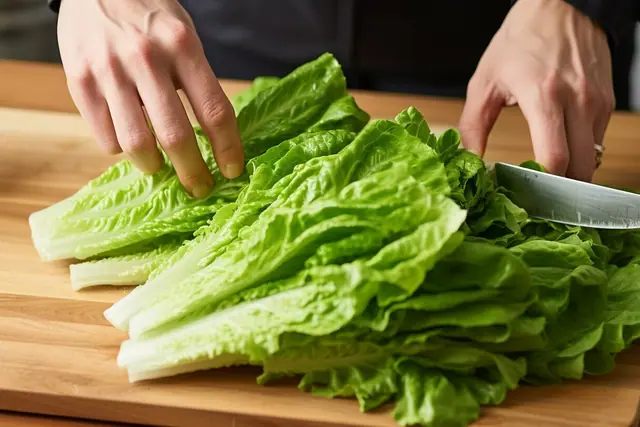
In this guide
- Tools Needed for Cutting Romaine Lettuce
- Preparing the Romaine Lettuce for Cutting
- Slicing the Romaine Lettuce in Half
- Removing the Core from Each Half
- Slicing the Lettuce Lengthwise into Thirds or Quarters
- Chopping the Romaine Lettuce into Bite-Sized Pieces
- Creating Thin Ribbons or Chiffonade Pieces
- Washing Romaine Lettuce
- Storing Cut Lettuce to Prevent Wilting
- Various Uses for Cut Romaine Lettuce
- Serving Suggestions and Presentation Tips
- Tips for Cutting Other Lettuce Varieties
- Cleaning Up and Final Thoughts
- Conclusion
- Source Links
- FAQ
Cutting romaine lettuce properly is an essential skill for any cook, and in this step-by-step guide, I'll walk you through the process. Romaine lettuce is a versatile leafy green that can be enjoyed in salads, wraps, sandwiches, and more. By following these simple steps, you'll be able to cut romaine lettuce with ease.
Before we dive into the details, let's start with the basics. To begin, you'll need a fresh head of romaine lettuce and a sharp knife. It's also helpful to have a cutting board to provide stability and protect your countertop.
Now that you have a clear understanding of how to cut romaine lettuce, you can confidently prepare it for your favorite dishes. Whether you're making a classic Caesar salad, a refreshing Greek salad, or a nutritious lettuce wrap, knowing how to cut romaine lettuce properly will elevate your culinary skills.
Tools Needed for Cutting Romaine Lettuce
Before you begin cutting romaine lettuce, gather the following tools: a cutting board, a chef's knife, a paring knife, a serrated knife, and a sharp knife. These tools are essential for achieving clean and precise cuts, ensuring that your romaine lettuce is prepared properly.
A cutting board provides a stable surface for cutting and prevents damage to your countertop or table. Choose a cutting board that is large enough to accommodate your romaine lettuce.
A chef's knife is a versatile tool that can handle a wide range of cutting tasks. Its long, broad blade allows for effortless slicing and chopping. Use it to slice the romaine lettuce in half and cut out the core.
A paring knife is ideal for intricate tasks such as removing small stems or trimming the edges of the lettuce. Its small, pointed blade offers precision and control.
A serrated knife is useful for cutting through tougher parts of the lettuce, such as the core. The serrated edge grips the lettuce, ensuring clean cuts without crushing the leaves.
A sharp knife is essential for safety and efficiency. A dull knife can slip and cause accidents, while a sharp knife cuts through the lettuce effortlessly. Regularly sharpen your knives to maintain their effectiveness.
| Tools Needed for Cutting Romaine Lettuce |
|---|
| Cutting board |
| Chef's knife |
| Paring knife |
| Serrated knife |
| Sharp knife |
Table: Tools Needed for Cutting Romaine Lettuce
Having these tools ready before you start cutting your romaine lettuce will make the process more efficient and enjoyable. Remember to always exercise caution and focus when using sharp knives to ensure your safety.
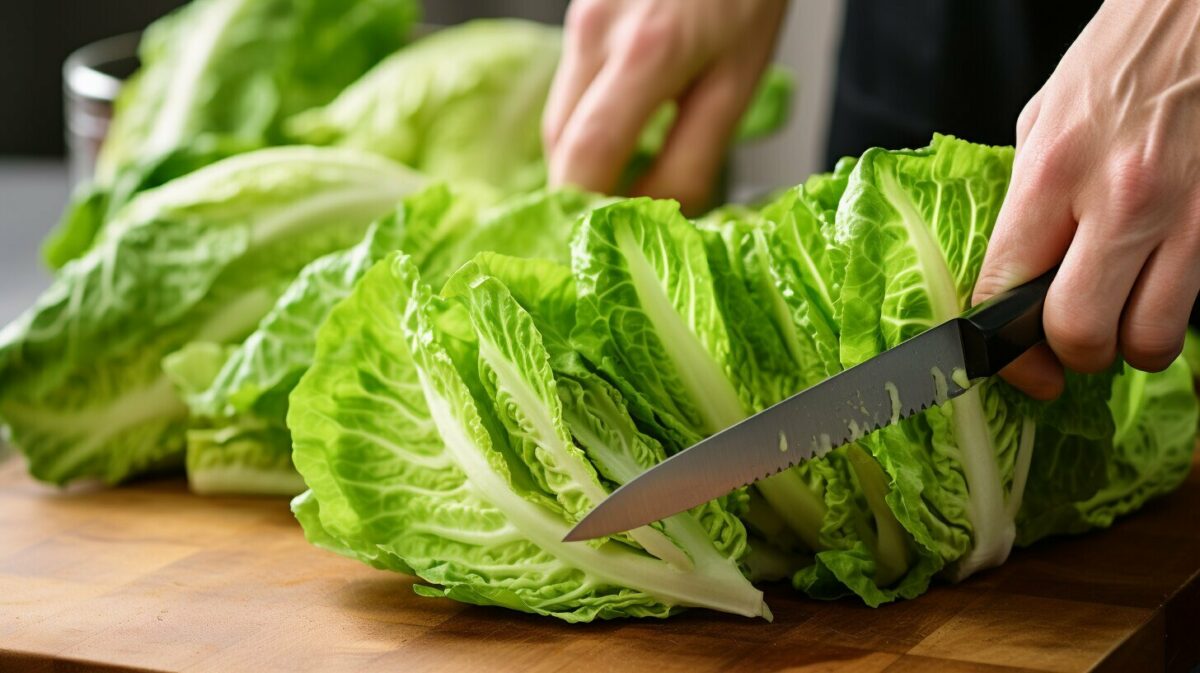
Preparing the Romaine Lettuce for Cutting
Romaine lettuce comes in various types, including green romaine, red romaine, little gem romaine, and baby romaine, all of which can be cut using the same method. Before we begin, it is important to wash the lettuce thoroughly to remove any dirt or debris. Start by separating the leaves and rinsing them under cold water. This will help ensure that the lettuce is clean and ready to be cut.
After washing, it is crucial to dry the romaine lettuce. Excess moisture can make the lettuce soggy and affect its texture. You can either use a salad spinner or gently pat the leaves dry with a clean kitchen towel or paper towels. Drying the lettuce properly will help retain its crispness and enhance the overall taste of your dish.
Once the lettuce is dry, it is ready to be cut. Follow the step-by-step instructions mentioned earlier to slice the romaine lettuce into halves, remove the core, and slice it lengthwise into thirds or quarters. Alternatively, you can choose to chop the lettuce into bite-sized pieces or create thin ribbons by slicing it with the cut side down. Remember to use a sharp knife and maintain a steady grip to ensure clean and even cuts.
Now that you know how to prepare romaine lettuce for cutting, you can confidently create delicious salads, wraps, tacos, and more. Enjoy the freshness and versatility of this leafy green, experimenting with different recipes and flavors. Don't forget to store any leftover cut lettuce properly to prevent wilting and maintain its quality for future use. With these tips in mind, your culinary endeavors with romaine lettuce are sure to impress!
Slicing the Romaine Lettuce in Half
To begin, place the head of romaine lettuce on the cutting board and carefully slice it in half lengthwise, creating two long halves. This can be done by using a sharp chef's knife and applying even pressure as you cut through the center of the lettuce. Take your time to ensure a clean and precise cut.
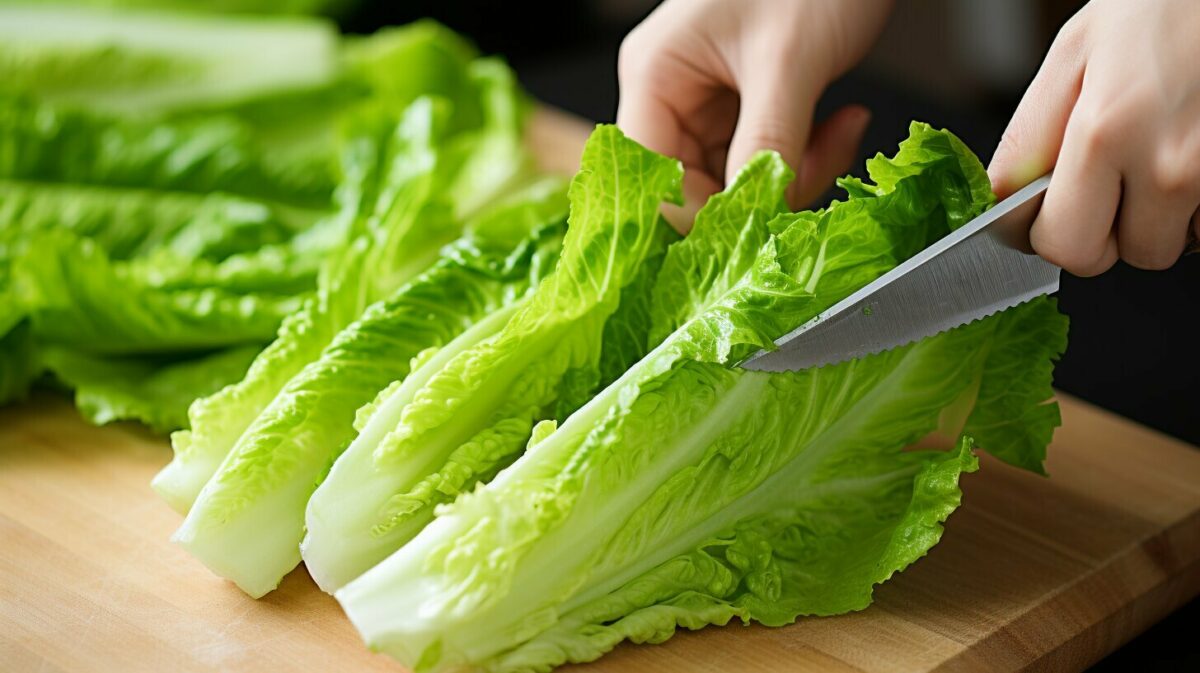
Once you have the two halves, turn them over so that the cut side is facing up. This will make it easier to remove the core from each half. Using a paring knife or a serrated knife, make an angled cut towards the core, creating a triangle shape. Gently lift and discard the core, leaving you with two halves of romaine lettuce ready for further slicing.
To create smaller pieces, turn each romaine lettuce half over so that the cut side is facing down. Using a sharp knife, slice the lettuce again lengthwise into thirds or quarters. This will result in thinner strips of romaine lettuce, ideal for salads, wraps, or other dishes.
Remember, when handling knives and cutting vegetables, always prioritize safety. Use caution and take your time to ensure precise cuts. Enjoy the process of preparing romaine lettuce and experiment with different ways to incorporate it into your meals!
Removing the Core from Each Half
Once the romaine lettuce halves are cut, turn the cut side up and remove the core from each half using an angled cut, creating a triangular shape. Discard the cores. This step is important as the core can be tough and bitter, affecting the taste and texture of the lettuce.
To remove the core, position your knife at the base of the core, tilted at an angle towards the center of the lettuce. Make a diagonal cut, gradually angling the knife upwards as you move towards the top of the lettuce. This angled cut helps to remove the core cleanly and efficiently, leaving you with two clean halves of romaine lettuce.
The discarded cores can be composted or disposed of in the appropriate waste bin. It is important to discard the cores properly to avoid any potential contamination or odors. By removing the core, you are left with the most tender and flavorful parts of the romaine lettuce, ready to be sliced or chopped for your desired recipe.
| Step | Instructions |
|---|---|
| 1 | Cut the romaine lettuce in half lengthwise. |
| 2 | Turn the cut side up and remove the core from each half using an angled cut to create a triangular shape. |
| 3 | Discard the cores. |
With the cores removed, you can now proceed to the next step of slicing or chopping the romaine lettuce to your desired size and shape. The angled cut creates a visually appealing triangular shape, adding interest to your dish. Whether you're preparing a salad, wrap, or any other recipe that calls for romaine lettuce, this method ensures that you have the best part of the lettuce to work with.
Now that you have successfully removed the cores from each romaine lettuce half, you can continue with the next steps in the cutting process. Remember to exercise caution while handling sharp knives and always work on a stable cutting surface. Enjoy the process of preparing your romaine lettuce and creating delicious dishes with this versatile and crisp green.
Slicing the Lettuce Lengthwise into Thirds or Quarters
After removing the core, turn the romaine lettuce halves cut side down again and slice them lengthwise into thirds or quarters, depending on your preference. This step allows you to achieve smaller, more manageable pieces of lettuce for your culinary creations. By slicing the lettuce lengthwise into thirds or quarters, you can experiment with different sizes and textures to suit your dish.
If you prefer a more delicate texture, slicing the lettuce into thirds will give you thinner strips to work with. On the other hand, if you prefer a heartier bite, slicing the lettuce into quarters will result in chunkier pieces. The choice is yours!
Remember, crosswise slicing will ensure that your romaine lettuce pieces retain their integrity and hold up well in various dishes. Whether you're preparing a refreshing salad, a tasty wrap, or a flavorful taco, the size and shape of your lettuce pieces can make a difference in both presentation and taste.
| Slicing Size | Description |
|---|---|
| Thirds | Thinner, more delicate strips for a lighter texture. |
| Quarters | Chunkier, heartier pieces for a more substantial bite. |
By mastering the art of slicing the romaine lettuce lengthwise into thirds or quarters, you can elevate the visual appeal and taste of your dishes. The size and shape of the lettuce pieces can affect the overall presentation and mouthfeel, enhancing your culinary experience. Experiment with different slicing sizes to find the perfect fit for your recipes, whether it's a vibrant salad, a refreshing spring roll, or a satisfying lettuce wrap.
Chopping the Romaine Lettuce into Bite-Sized Pieces
Now, it's time to chop the romaine lettuce into bite-sized pieces. Start from the leafy end and work your way towards the core end. Using a sharp knife, make even cuts through the lettuce, keeping the pieces relatively uniform in size. This will ensure a consistent texture and presentation in your dishes.
Chopped romaine lettuce is perfect for salads, wraps, and sandwiches. Its crisp texture and mild flavor add freshness and crunch to any meal. Plus, the vibrant green color can make your dishes visually appealing.
To make the chopping process easier, you can first slice the romaine lettuce lengthwise into thirds or quarters, as mentioned in the previous section. This will create long, manageable strips that can then be easily chopped into bite-sized pieces. Remember to discard the core after slicing the lettuce.
Chopped Romaine Lettuce Recipe
- 1 head of romaine lettuce
- 1 cup cherry tomatoes, halved
- 1 cucumber, diced
- 1/4 red onion, thinly sliced
- 1/4 cup crumbled feta cheese
- 2 tablespoons extra-virgin olive oil
- 2 tablespoons balsamic vinegar
- Salt and pepper to taste
1. Chop the romaine lettuce into bite-sized pieces as described above.
2. In a large bowl, combine the chopped lettuce, cherry tomatoes, cucumber, red onion, and feta cheese.
3. Drizzle with olive oil and balsamic vinegar.
4. Season with salt and pepper, and toss well to coat.
Your delicious chopped romaine lettuce salad is now ready to serve. Enjoy!
| Benefits of Chopped Romaine Lettuce |
|---|
| 1. High in fiber, which aids in digestion. |
| 2. Contains essential vitamins and minerals like vitamin C, vitamin K, and folate. |
| 3. Low in calories, making it a great option for weight management. |
| 4. Adds texture and freshness to various dishes. |
| 5. Versatile ingredient that can be used in salads, wraps, sandwiches, and more. |
Creating Thin Ribbons or Chiffonade Pieces
For thinner ribbons or chiffonade pieces, keep the romaine lettuce cut side down and slice it into thin strips, resulting in delicate ribbons. This method adds an elegant touch to dishes and works well as a garnish or in recipes that call for finely sliced lettuce.
To create thin ribbons or chiffonade pieces, follow these steps:
- Lay the romaine lettuce halves flat on a cutting board, with the cut side facing down.
- Using a sharp chef's knife, make thin, even slices across the lettuce, starting from one end and working your way to the other.
- Continue slicing until you have achieved the desired thickness for the ribbons or chiffonade pieces.
Remember to exercise caution and maintain a steady hand while slicing to ensure consistent results. Once you have finished cutting, gently separate the ribbons or chiffonade pieces with your fingertips to prevent them from sticking together.
Enhancing Presentation with Thin Ribbons or Chiffonade Pieces
Thin ribbons or chiffonade pieces of romaine lettuce can add a beautiful visual element to your dishes. Their delicate texture and vibrant green color offer an appealing contrast when used as a garnish or mixed with other ingredients.
"Thin ribbons of romaine lettuce can elevate the presentation of salads, sandwiches, wraps, or even stir-fries. They bring a touch of elegance and a burst of freshness to any dish."
Consider using thin ribbons or chiffonade pieces of romaine lettuce in recipes like Caesar salad, spring rolls, or lettuce wraps for an added visual impact. Their versatility allows them to be used in various cuisines and dishes, adding both flavor and aesthetic appeal.
| Benefits of Thin Ribbons or Chiffonade Pieces | Uses for Thin Ribbons or Chiffonade Pieces |
|---|---|
|
|
Experiment with using thin ribbons or chiffonade pieces of romaine lettuce in your culinary creations and enjoy their visual appeal and fresh taste. Remember to keep the lettuce cut side down for thinner ribbons and chiffonade pieces to achieve the desired effect.
Washing Romaine Lettuce
It's important to wash romaine lettuce thoroughly before using it in your dishes. There are two methods you can choose from: washing before cutting or washing after cutting. Let's explore both options:
Washing Before Cutting
If you prefer to wash the romaine lettuce before cutting it, start by separating the leaves from the head. This allows you to remove any dirt or debris that may be trapped between the leaves. Once the leaves are separated, place them in a large bowl of cold water and soak them for a few minutes. Swish the leaves around gently to loosen any dirt. Then, lift the leaves out of the water and transfer them to a colander for rinsing. Rinse the leaves thoroughly under cold running water, making sure to remove any remaining dirt or grit. Pat the leaves dry with a clean kitchen towel or paper towel before proceeding with the cutting process.
Washing After Cutting
If you prefer to wash the romaine lettuce after cutting it, start by cutting the lettuce as desired. Once the lettuce is cut into bite-sized pieces, transfer them to a colander. Place the colander under cold running water and rinse the cut-up lettuce thoroughly, gently tossing it with your hands to ensure all pieces are washed. Continue rinsing until the water runs clear, indicating that the lettuce is clean. Shake off any excess water and pat the lettuce dry with a clean kitchen towel or paper towel before using it in your dishes.
"Washing romaine lettuce is an essential step in the preparation process. It helps remove any dirt, bacteria, or pesticide residue that may be present on the leaves, ensuring that you serve a clean and safe salad."
- Expert Chef
Remember, whether you choose to wash romaine lettuce before or after cutting, always handle it with clean hands and use cold water for rinsing. By practicing proper washing techniques, you can enjoy fresh and crisp romaine lettuce in your favorite recipes.
| Method | Pros | Cons |
|---|---|---|
| Washing Before Cutting |
|
|
| Washing After Cutting |
|
|
Storing Cut Lettuce to Prevent Wilting
To keep your cut romaine lettuce fresh and crisp, store it properly to prevent wilting. An airtight container, paper towel, or plastic bag can help maintain its freshness.
After chopping the romaine lettuce into bite-sized pieces, place them in an airtight container. This will help seal in the moisture and prevent the lettuce from drying out. For added freshness, place a damp paper towel on top of the lettuce inside the container. The paper towel will help retain moisture and keep the lettuce crisp.
If you don't have an airtight container, you can also use a plastic bag. Simply place the chopped romaine lettuce in a plastic bag, remove any excess air, and seal it tightly. The plastic bag will provide a barrier against air and moisture, keeping the lettuce fresh for longer.
Remember to store the cut romaine lettuce in the refrigerator to maintain its crispness. The cold temperature will help slow down the wilting process and extend the shelf life of the lettuce. By following these storage tips, you can enjoy fresh and crunchy romaine lettuce for all your salads and recipes.
Table: Comparison of Storage Methods
| Storage Method | Advantages | Disadvantages |
|---|---|---|
| Airtight Container |
|
|
| Paper Towel |
|
|
| Plastic Bag |
|
|
By choosing the right storage method and taking proper care, you can ensure that your cut romaine lettuce remains fresh and crisp for an extended period. So, the next time you're cutting up romaine lettuce, remember these storage tips to keep it at its best!
Various Uses for Cut Romaine Lettuce
Once your romaine lettuce is cut, the possibilities are endless! You can use it in classic dishes like Caesar salad, garden salad, Greek salad, Cobb salad, or get creative with lettuce wraps, cups, tacos, sandwiches, slaw, rolls, and boats. The crisp and refreshing nature of romaine lettuce makes it a versatile ingredient in various recipes. Its mild flavor and sturdy leaves make it perfect for holding other ingredients, adding a satisfying crunch to your dishes.
For a traditional Caesar salad, chop your cut romaine lettuce into bite-sized pieces and toss it with a tangy Caesar dressing, grated Parmesan cheese, and crunchy croutons. Or, create a colorful garden salad by combining your cut romaine lettuce with an assortment of fresh vegetables like cucumbers, tomatoes, bell peppers, and carrots. Top it off with your favorite salad dressing for a healthy and flavorful meal option.
If you're in the mood for a Mediterranean-inspired dish, try making Greek salad with your cut romaine lettuce. Combine it with cherry tomatoes, sliced olives, cucumber, red onion, crumbled feta cheese, and a drizzle of olive oil and lemon juice. It's a refreshing and vibrant salad that pairs well with grilled meats or as a standalone vegetarian option.
For a heartier meal, use your cut romaine lettuce to create lettuce wraps, cups, or tacos. Fill them with your choice of protein, such as grilled chicken, shrimp, or seasoned ground beef, and add toppings like salsa, avocado, and sour cream. These handheld delights are perfect for a quick and easy dinner or a fun party appetizer.
Remember, you can also experiment with different textures and flavors by adding your cut romaine lettuce to sandwiches, slaw, rolls, and boats. Its versatility allows you to customize your dishes to your liking, whether you prefer a light and refreshing salad or a hearty and satisfying meal. Let your creativity soar and explore the various ways you can enjoy the crunch and freshness of cut romaine lettuce!
Table: Lettuce Varieties and Their Uses
| Lettuce Variety | Uses |
|---|---|
| Romaine | Salads, wraps, cups, tacos, sandwiches, slaw |
| Iceberg | Burgers, sandwiches, salads |
| Butterhead | Sandwiches, salads |
| Arugula | Pizza, pasta, salads |
| Spinach | Smoothies, salads, quiches, sautés |
Table: Lettuce Varieties and Their Uses.
Serving Suggestions and Presentation Tips
When serving your dishes, consider using cut romaine lettuce as a vibrant garnish, a sturdy base, or mixed with other lettuce varieties for added texture and flavor. Its crisp and refreshing nature makes it a versatile ingredient that can elevate any meal. Whether you're preparing a simple garden salad, a classic Caesar salad, or a hearty Cobb salad, cut romaine lettuce adds a delightful crunch and a touch of elegance.
To create a visually appealing presentation, arrange the cut romaine lettuce leaves in a decorative manner. You can layer them to create a bed for other ingredients, or use them as wraps or cups for filling. The versatility of romaine lettuce extends beyond salads. Try using it in lettuce tacos, sandwiches, slaw, or even as lettuce rolls or boats for a unique twist. The possibilities are endless!
To further enhance your dishes, consider combining cut romaine lettuce with other lettuce varieties. Mixing different types of lettuce not only adds visual interest but also incorporates different flavors and textures. Experiment with combinations such as romaine with butter lettuce for a delicate and buttery taste, or romaine with arugula for a peppery kick. Let your creativity shine and create vibrant and nutritious meals.
Tips for Serving and Presentation:
- Arrange the cut romaine lettuce leaves in an eye-catching pattern or as a bed for other ingredients.
- Use romaine lettuce as wraps, cups, or boats for filling.
- Combine cut romaine lettuce with other lettuce varieties for a diverse flavor and texture profile.
- Experiment with different salads, wraps, tacos, sandwiches, slaw, rolls, and more.
- Add a vibrant and nutritious touch to your dishes with cut romaine lettuce.
Try These Delicious Recipes:
- Romaine Lettuce Caesar Salad: Toss cut romaine lettuce with homemade Caesar dressing, croutons, and freshly grated Parmesan cheese for a classic salad with a twist.
- Greek Salad Lettuce Wraps: Fill crisp romaine lettuce leaves with a medley of cucumber, tomatoes, olives, feta cheese, and a drizzle of olive oil and lemon juice for a refreshing and healthy lunch option.
- Lettuce Cup Tacos: Use romaine lettuce leaves as a healthier alternative to taco shells. Fill them with your favorite protein, veggies, and toppings for a light and flavorful meal.
- Grilled Chicken Lettuce Sandwiches: Replace bread with romaine lettuce leaves to create a low-carb and gluten-free sandwich. Layer grilled chicken, avocado, tomato, and a creamy spread for a satisfying and guilt-free meal.
| Lettuce Variety | Characteristics |
|---|---|
| Romaine Lettuce | Crisp, sturdy leaves with a mild and slightly sweet flavor. |
| Butter Lettuce | Tender, buttery leaves with a delicate and slightly sweet flavor. |
| Arugula | Peppery and slightly bitter leaves with a distinctive flavor. |
| Iceberg Lettuce | Crunchy and watery leaves with a mild and neutral flavor. |
Tips for Cutting Other Lettuce Varieties
While this guide focuses on cutting romaine lettuce, the same techniques can be applied to cutting other lettuce varieties, allowing you to master the art of lettuce preparation. Whether you're working with iceberg, butterhead, or even loose-leaf lettuce, the steps outlined in this guide will help you achieve perfectly cut lettuce every time.
When it comes to different lettuce varieties, the main difference lies in their size, shape, and texture. For larger lettuces like iceberg, you may need to adjust the slicing and chopping techniques to suit the specific characteristics of the lettuce.
For example, if you're working with a larger head of lettuce, such as iceberg or butterhead, it's best to start by removing the outer leaves and discarding any damaged or wilted portions. Then, similar to cutting romaine lettuce, you can slice the head in half lengthwise, remove the core, and proceed with chopping or slicing the lettuce according to your desired size and shape.
Remember, regardless of the lettuce variety, it's important to wash the lettuce thoroughly before cutting. This will help remove any dirt or debris and ensure it's safe to consume. Soaking the lettuce in cold water or rinsing it under running water will help loosen any dirt or grit trapped in the leaves.
To summarize, mastering the art of lettuce preparation involves understanding the specific characteristics of different lettuce varieties and adjusting your cutting techniques accordingly. By following the steps outlined in this guide, you'll be able to cut various lettuce varieties with ease, creating beautiful and delicious salads, wraps, sandwiches, and more.
Cleaning Up and Final Thoughts
After you have finished cutting romaine lettuce, make sure to clean up your workspace and utensils. Proper cleaning and organization are essential for maintaining a hygienic and efficient cooking environment. Start by wiping down your cutting board with warm, soapy water to remove any residue or debris. Rinse it thoroughly and allow it to air dry or pat it dry with a clean towel.
Next, wash your knives with warm, soapy water, paying special attention to the blades. Use a sponge or dishcloth to remove any food particles and rinse them under running water. Dry the knives with a dish towel or let them air dry. Remember to always handle sharp knives with caution and store them safely to prevent accidents.
Finally, take a moment to reflect on your newly acquired skills and the endless possibilities that cutting romaine lettuce opens up in your culinary adventures. Whether you're creating a refreshing Caesar salad, a vibrant garden salad, or exploring other delicious recipes, the ability to cut romaine lettuce with precision and confidence is a valuable skill in the kitchen.
With its crisp texture and mild flavor, romaine lettuce can elevate any dish and add a healthy touch to your meals. By mastering the art of cutting romaine lettuce, you can effortlessly incorporate this versatile ingredient into your cooking repertoire. So, go ahead, put your newfound knowledge into practice, and enjoy the fresh and vibrant flavors of romaine lettuce in your favorite recipes.
Summary:
- Clean your workspace and utensils after cutting romaine lettuce.
- Wipe down your cutting board with warm, soapy water.
- Wash your knives with warm, soapy water and dry them thoroughly.
- Reflect on your skills and the endless possibilities of using romaine lettuce in your cooking.
Remember, keeping a clean and organized kitchen is essential for safe and enjoyable cooking experiences. So, take the time to clean up after preparing your romaine lettuce and appreciate the culinary potential that this versatile ingredient holds.
| Benefits of Cleaning Up | Final Thoughts |
|---|---|
|
|
Conclusion
Congratulations! You've now learned the step-by-step process of cutting romaine lettuce like a master chef. With this essential skill, you can confidently create a variety of dishes using fresh, perfectly cut romaine lettuce.
To cut romaine lettuce, start by slicing the head of romaine in half lengthwise to create two long halves. Then, turn the cut side up and cut out the core from each half using an angled cut to make a triangle shape. Discard the core.
Next, turn the cut side down and slice the lettuce again lengthwise into thirds or quarters. Finally, chop the lettuce into bite-sized pieces starting from the leafy end and moving towards the core end. If you prefer thinner ribbons, keep the lettuce cut side down and slice into thin ribbons or chiffonade pieces. This method can be used for cutting other lettuce varieties as well.
When washing romaine lettuce, you can either wash it before cutting by separating the leaves and soaking them in cold water or wash it after cutting by rinsing the cut-up lettuce in a colander under cold water.
Now that you have mastered the art of cutting romaine lettuce, you can enjoy delicious and visually appealing dishes such as Caesar salads, garden salads, Greek salads, lettuce wraps, tacos, and sandwiches. Lettuce's versatility is endless, and with your newly acquired skills, you can impress your friends and family with your culinary creations.
Source Links
- https://carmyy.com/how-to-cut-romaine-lettuce/
- https://www.liveeatlearn.com/how-to-cut-romaine-lettuce/
- https://feelgoodfoodie.net/recipe/how-to-cut-lettuce/
Frequently asked questions
- How do you cut romaine lettuce?
To cut romaine lettuce, start by slicing the head of romaine in half lengthwise to create two long halves. Then, turn the cut side up and cut out the core from each half using an angled cut to make a triangle shape. Discard the core. Next, turn the cut side down and slice the lettuce again lengthwise into thirds or quarters. Finally, chop the lettuce into bite-sized pieces starting from the leafy end and moving towards the core end. If you prefer thinner ribbons, keep the lettuce cut side down and slice into thin ribbons or chiffonade pieces. This method can be used for cutting other lettuce varieties as well.
- How should I wash romaine lettuce?
You can either wash romaine lettuce before cutting by separating the leaves and soaking them in cold water or wash it after cutting by rinsing the cut-up lettuce in a colander under cold water.
- Can I use this cutting method for other lettuce varieties?
Yes, this method can be used for cutting other lettuce varieties as well.
- What tools do I need to cut romaine lettuce?
The tools you will need to cut romaine lettuce include a cutting board, chef's knife, paring knife, and serrated knife. Make sure your knives are sharp for easier and safer cutting.
- How should I store cut romaine lettuce to prevent wilting?
To prevent wilting, store cut romaine lettuce in an airtight container with a paper towel to absorb moisture. You can also place the container in a plastic bag to provide an additional layer of protection.
- What are the various uses for cut romaine lettuce?
Cut romaine lettuce can be used in dishes such as Caesar salad, garden salad, Greek salad, Cobb salad, lettuce wraps, lettuce cups, lettuce tacos, lettuce sandwiches, lettuce slaw, lettuce rolls, lettuce boats, and as lettuce ribbons, strips, shreds, layers, beds, garnish, or a base for other ingredients.
- How do I clean up after cutting romaine lettuce?
After cutting romaine lettuce, make sure to clean up by washing your cutting board, knives, and any other utensils used. Dispose of any leftover lettuce scraps and dry the utensils properly.
- Can you provide some tips for cutting other lettuce varieties?
When cutting other lettuce varieties, you can use the same principles and techniques mentioned for romaine lettuce. However, it's important to adjust your cutting method based on the specific characteristics of the lettuce variety.
- Are there any serving suggestions or presentation tips for cut romaine lettuce?
Cut romaine lettuce can be used as a garnish, base, or mixed with other lettuce varieties to enhance the presentation of your dishes. Get creative and experiment with different serving styles and combinations.
- What are some final thoughts on cutting romaine lettuce?
Cutting romaine lettuce may seem simple, but it's essential to follow the proper techniques to ensure the best results. With practice, you will become more proficient in cutting different lettuce varieties and will be able to incorporate them into a variety of dishes.
AprilCook, recipe developer and the heart of Chefwiz. More about April