Guide
How to Cut a Pomegranate? (Step-By-Step Guide)
Uncover the easiest way on how to cut a pomegranate with my exclusive step-by-step guide. Make enjoying this healthful fruit simpler than ever!
 By April18 min read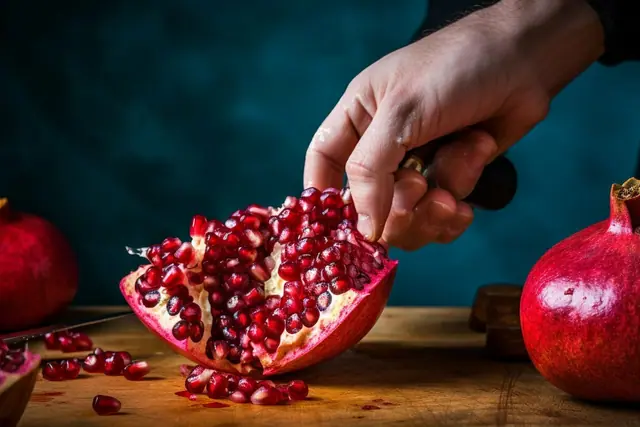
In this guide
- The Tools You'll Need
- Preparing the Pomegranate
- Opening the Pomegranate
- Extracting the Seeds
- Removing the Membranes
- Enjoying the Pomegranate Seeds
- Presentation Tips
- The Health Benefits of Pomegranate
- Pomegranate Season and Harvest
- Section 11: Storing Pomegranate Seeds
- Dealing with Pomegranate Juice Stains
- Incorporating Pomegranate into Recipes
- Tips for Easy Pomegranate Prep
- Conclusion
- Our Friends:
- FAQ
How to Cut a Pomegranate
Cutting a pomegranate can be intimidating, but with this step-by-step guide, you'll be able to cut it like a pro. Whether you're a beginner or an experienced chef, this friendly and informative guide will make the process easy and enjoyable, allowing you to fully savor the healthful benefits of this delicious fruit.
Now that you have the knowledge and confidence to cut a pomegranate, it's time to get started! Follow this step-by-step guide and unlock a world of delicious possibilities.
https://www.youtube.com/watch?v=dXD-0Ng1aSo
The Tools You'll Need
Before you start cutting a pomegranate, gather the necessary tools: a sharp knife, a large bowl, and water. These essential items will make the process easier and more efficient.
A sharp knife is crucial for cutting through the tough skin of the pomegranate. Choose a knife with a sturdy blade that can easily slice through the fruit without slipping.
A large bowl is needed to submerge the pomegranate segments in water. The bowl should be deep enough to hold the fruit and allow for easy seed extraction.
Water is used to help separate the seeds from the fruit. By submerging the segments in water, the seeds will sink to the bottom of the bowl while the white membranes float to the top, making it easier to remove them.
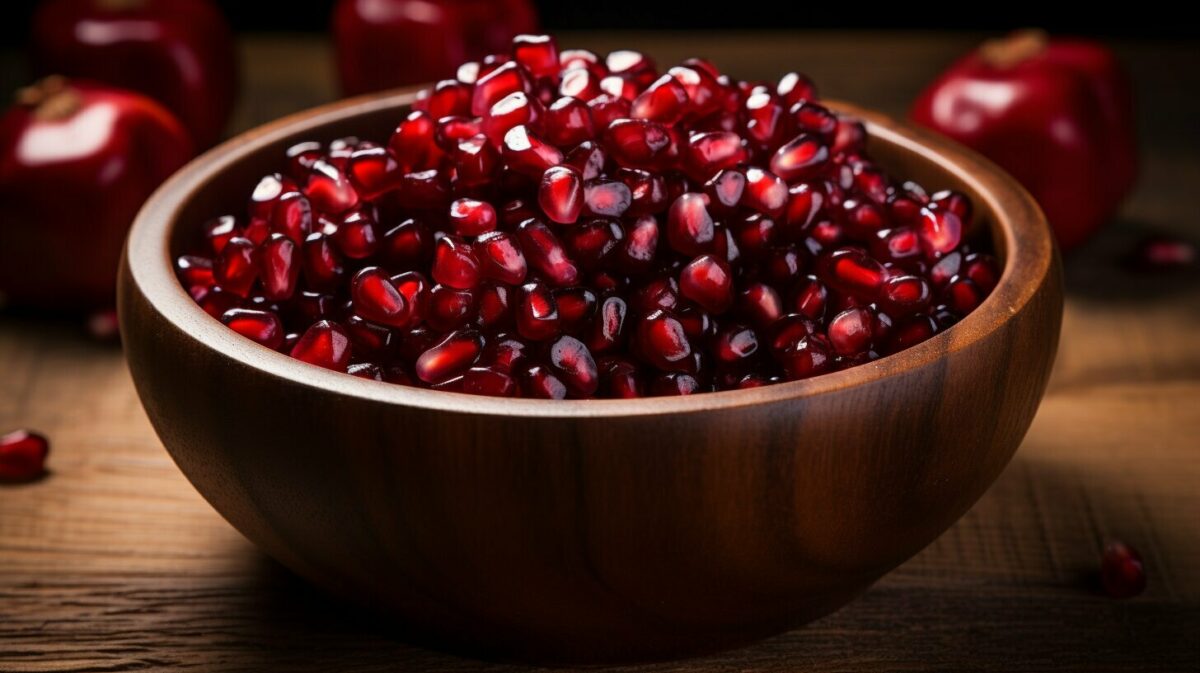
Water is a crucial tool when cutting a pomegranate. Submerging the segments in water not only helps separate the seeds from the membranes but also prevents the juice from splattering and staining your hands and surfaces. It creates a clean and controlled environment for extracting the seeds, ensuring minimal mess and waste.
| Tools | Purpose |
|---|---|
| Sharp knife | To cut through the pomegranate skin |
| Large bowl | To hold the pomegranate segments and water |
| Water | To separate the seeds from the membranes |
With these tools at your disposal, you're ready to embark on the journey of cutting a pomegranate and enjoying its delicious and nutritious seeds.
Preparing the Pomegranate
Begin by cutting off the top of the pomegranate, about 1/4 inch down, using a sharp knife. This will create a flat surface for the fruit to stand on while you work. Be careful not to remove too much of the top, as you still want to keep the seeds intact.
Once the top is removed, take your knife and make thin, shallow slits along the ridges of the pomegranate. The slits should follow the natural lines of the fruit, resembling a flower-like pattern. Make sure not to cut too deep, as you want to avoid piercing the juicy arils inside.
After scoring the entire fruit, gently hold the pomegranate and use your hands to pry it open along the scored lines. The fruit should naturally separate into segments, revealing the vibrant arils inside. Take your time and be gentle to avoid crushing the seeds.
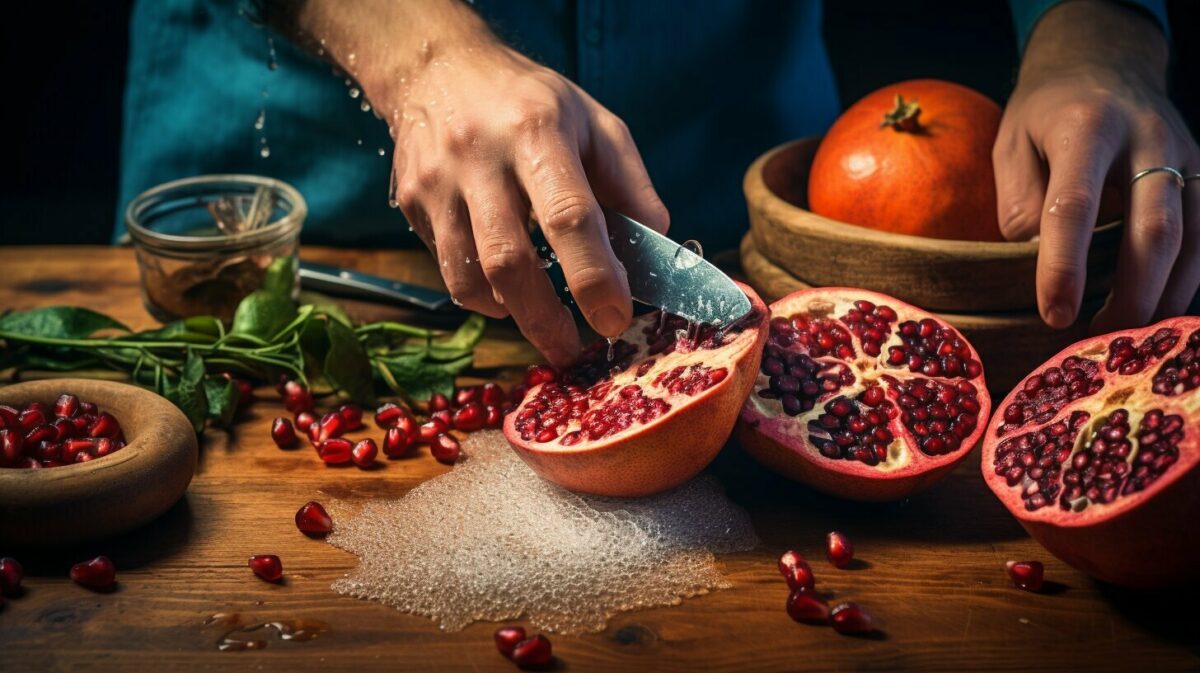
To make the extraction of the seeds easier, fill a large bowl with water and submerge the pomegranate segments. Use your hands to gently remove the seeds from the skin and membranes. The seeds will sink to the bottom of the bowl, while the white membranes will float to the top. Use a spoon or your fingers to skim off the membranes and drain the seeds. Your freshly extracted pomegranate seeds are now ready to be enjoyed or used in recipes!
| Tools You'll Need | Preparing the Pomegranate |
|---|---|
|
|
Opening the Pomegranate
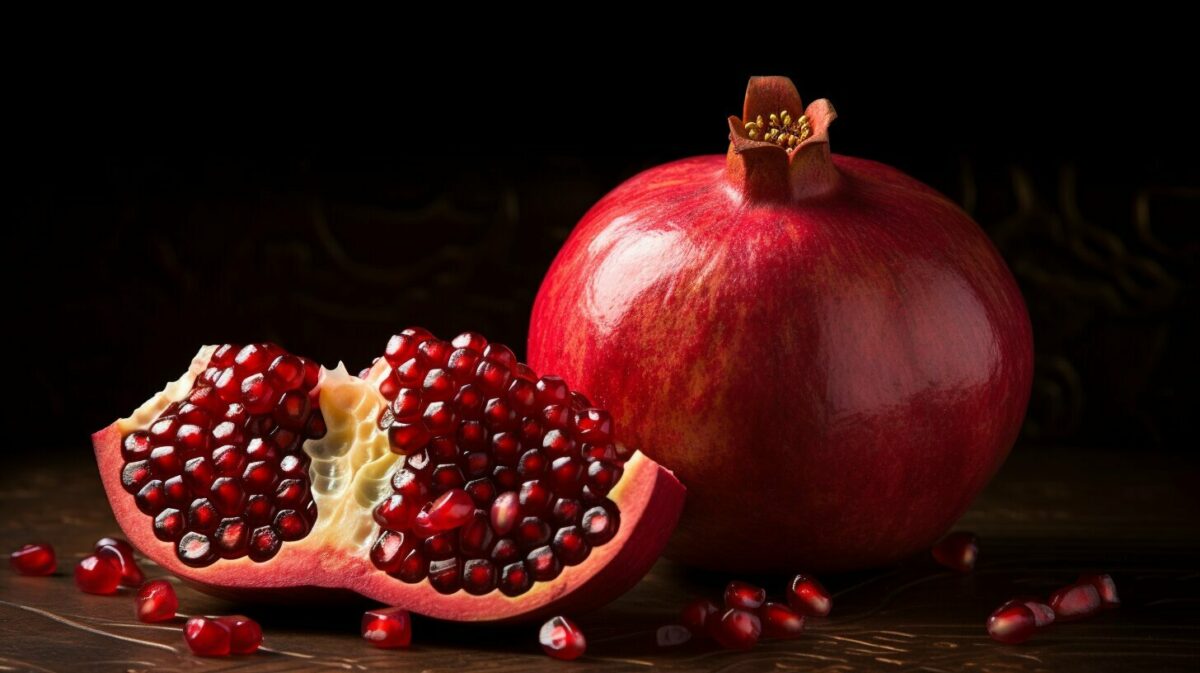
Use your hands to gently pull apart the scored pomegranate, dividing it into segments. This will reveal the juicy arils inside, ready to be enjoyed. Take care when handling the fruit to avoid any accidental spills or splatters.
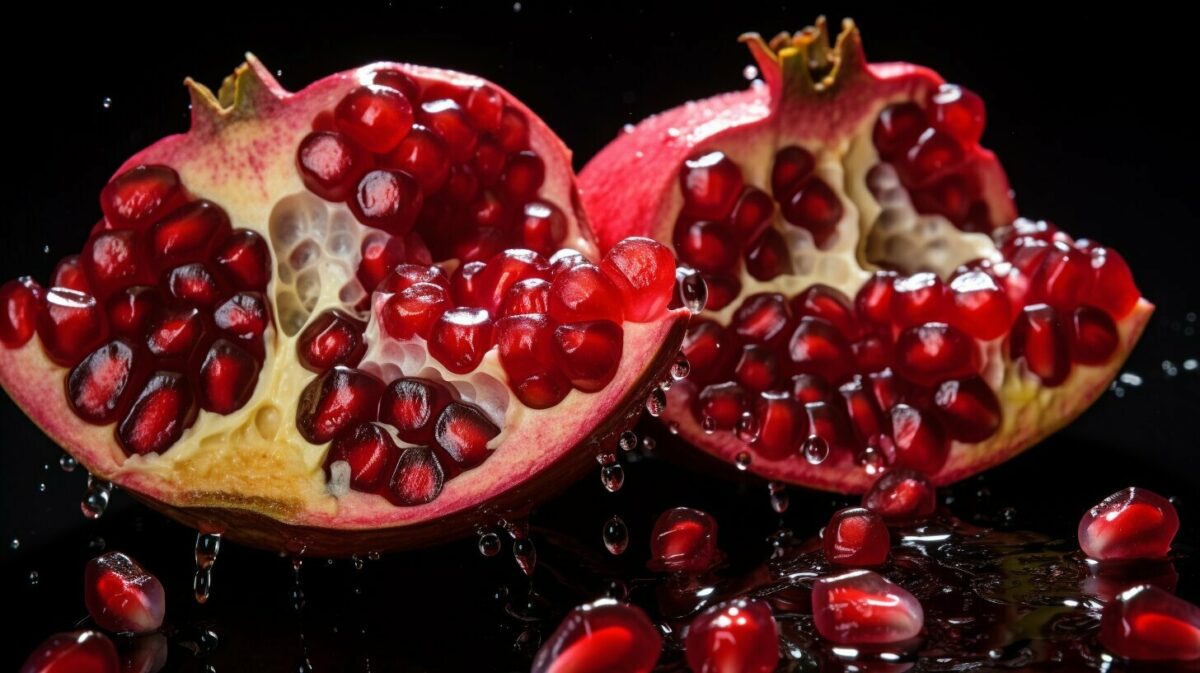
Once you have separated the pomegranate into segments, you can proceed with extracting the seeds. This can be a delicate process, but with a little patience, you'll have a bowl full of vibrant pomegranate seeds in no time.
To make the extraction easier, fill a large bowl with water and submerge the segments. Using your hands, gently remove the seeds from the skin and membranes. As you do this, you'll notice that the seeds sink to the bottom of the bowl, while the white membranes float to the top.
To ensure a clean and ready-to-use result, skim off the floating membranes and drain the seeds. You can use a slotted spoon or your fingers to remove any remaining unwanted debris. Now, your pomegranate seeds are ready to be enjoyed in a variety of ways.
| Benefits of Opening the Pomegranate |
|---|
| Reveals the juicy arils inside the pomegranate |
| Allows for easy extraction of the seeds |
| Ensures a clean and ready-to-use result |
The Versatility of Pomegranate Seeds
Pomegranate seeds are incredibly versatile and can be enjoyed in a variety of ways. You can eat them on their own as a healthy snack, add them to yogurt or oatmeal for a burst of flavor, or use them as a topping for salads and desserts. Their vibrant red color makes them an eye-catching addition to any dish, and their sweet and tart flavor adds depth to a wide range of recipes.
Incorporate pomegranate seeds into your favorite recipes for a pop of color and a burst of flavor that will elevate your culinary creations. Whether it's a refreshing summer salad, a decadent chocolate cake, or a tangy salsa, pomegranate seeds are sure to impress.
So go ahead and get creative with how you use pomegranate seeds in your cooking. They are not only delicious but also packed with antioxidants and other beneficial nutrients that can contribute to your overall well-being.
Extracting the Seeds
Fill a large bowl with water and submerge the pomegranate segments to extract the seeds. The water helps separate the seeds from the membranes and makes the process easier. As you gently separate the seeds from the skin and membranes, they will sink to the bottom of the bowl, while the white membranes will float to the top.
Using your hands, skim off the membranes that have risen to the top of the water. This will ensure that you are left with only the juicy seeds. Once you have removed the membranes, drain the seeds in a colander or strainer.
Now that you have successfully extracted the seeds from the pomegranate, you can use them in various dishes or enjoy them on their own. Their vibrant color and burst of flavor make them a versatile and nutritious addition to your meals.
Removing the Membranes
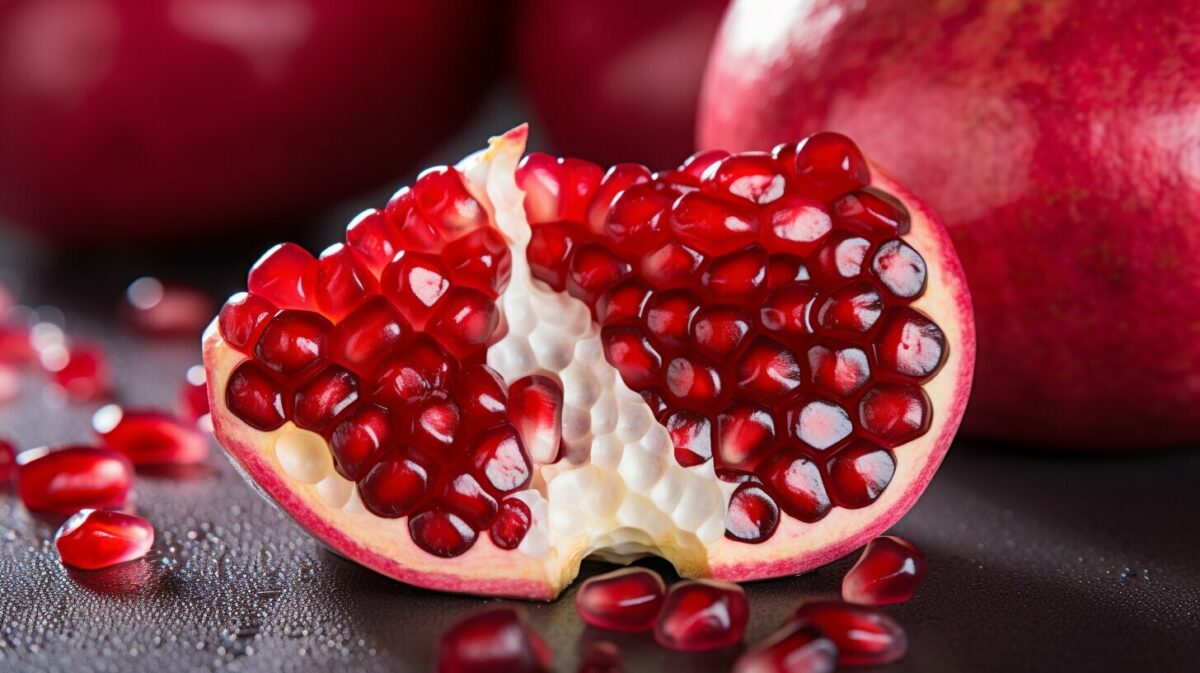
Skim off the white membranes that have floated to the top of the bowl, and then drain the pomegranate seeds. This step is crucial for achieving a clean and ready-to-use result. The membranes can be slightly bitter and can affect the overall taste and texture of the seeds. By removing them, you can fully enjoy the sweet and tart flavor of the pomegranate arils.
To skim off the membranes, gently use a spoon or a strainer to collect and discard them. Take care not to remove any seeds along with the membranes. Once the majority of the membranes have been removed, drain the seeds using a sieve or a colander. You can lightly tap the sieve against the sink to help remove any excess water.
Once the seeds are drained, they are now ready to be enjoyed on their own or incorporated into various recipes. With their vibrant color and burst of flavor, pomegranate seeds can add a delightful touch to salads, desserts, and even savory dishes. Get creative and experiment with different ways to use these nutritious gems in your culinary creations.
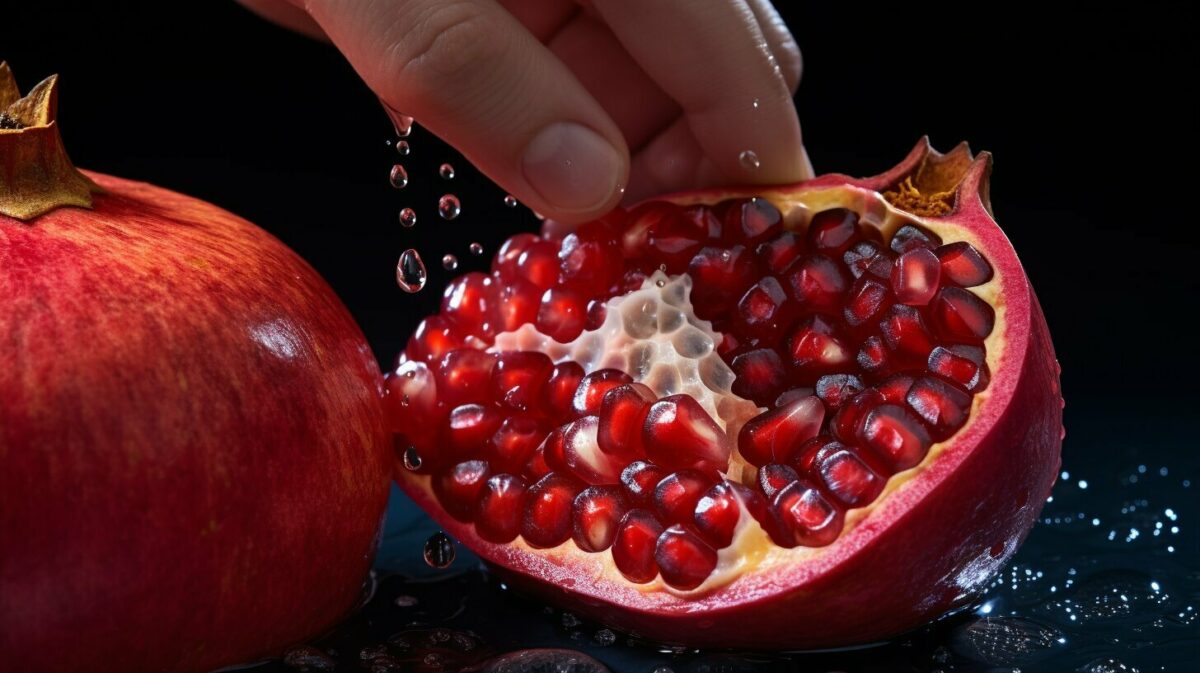
In summary, cutting a pomegranate doesn't have to be daunting. With the step-by-step guide provided, you can easily navigate through the process and enjoy the juicy and flavorful seeds. By removing the membranes and draining the seeds, you ensure a clean and ready-to-use result. So go ahead, grab a pomegranate, and embark on a delicious and nutritious journey!
Enjoying the Pomegranate Seeds
Now that you know how to cut a pomegranate and extract the seeds, you can enjoy them as a healthy snack or use them to enhance your favorite recipes. Pomegranate seeds add a burst of vibrant color and a sweet-tart flavor to any dish. They can be sprinkled on top of salads, yogurt, or oatmeal for added texture and freshness. You can also incorporate them into baked goods like muffins or cakes, or use them as a topping for ice cream or smoothie bowls. The possibilities are endless!
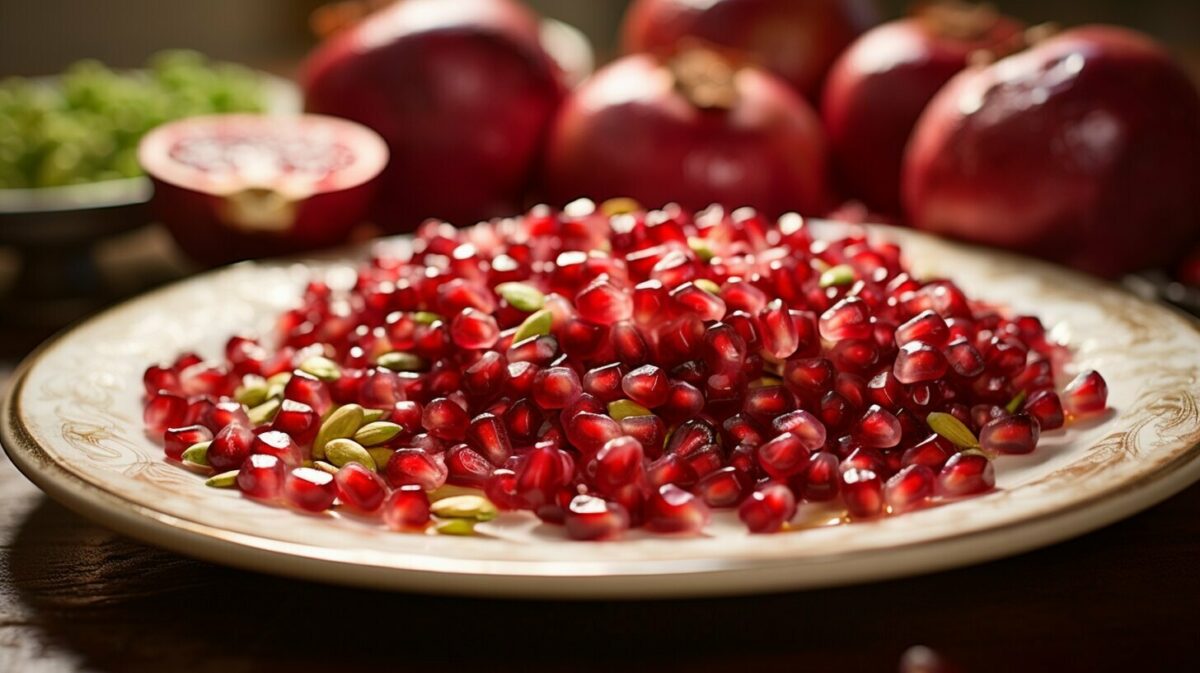
If you're looking for more inspiration, here are a few recipe ideas to get you started:
- Pomegranate Salsa: Combine pomegranate seeds with diced tomatoes, red onions, jalapenos, cilantro, lime juice, and a pinch of salt for a refreshing and tangy salsa.
- Pomegranate Salad: Toss pomegranate seeds with mixed greens, crumbled feta cheese, candied pecans, and a balsamic vinaigrette for a colorful and flavorful salad.
- Pomegranate Smoothie: Blend pomegranate seeds with your favorite fruits, spinach or kale, and a splash of almond milk for a nutritious and refreshing smoothie.
Remember, pomegranate seeds are not only delicious but also packed with antioxidants and vitamins. They make a great addition to a balanced diet and can contribute to your overall well-being. So go ahead, get creative with your pomegranate seeds, and enjoy the many benefits this delightful fruit has to offer!
Presentation Tips
Create an eye-catching presentation by using the pomegranate seeds as a centerpiece on a fruit plate or adding them to a cheese plate. Their vibrant red color and juicy texture will instantly elevate the visual appeal of any dish. Here are some tips to make your presentation stand out:
- Arrange the pomegranate seeds in a circular pattern on a fruit plate, surrounding them with other colorful fruits like strawberries, blueberries, and kiwi slices. This will create a visually appealing display that is sure to impress your guests.
- If you're planning to serve cheese, place the pomegranate seeds on top of soft or crumbled cheese varieties like goat cheese or feta. The combination of flavors and textures will add an exciting element to your cheese plate.
- For a more elegant presentation, sprinkle the pomegranate seeds over a bed of mixed greens or arugula. The vibrant red of the seeds against the green leaves will create a visually stunning contrast that is both appetizing and pleasing to the eye.
Remember that presentation is key when it comes to impressing your guests. By incorporating pomegranate seeds into your fruit or cheese plate, you can create a visually appealing and delicious dish that will leave a lasting impression.

The Perfect Fruit Plate
| Fruits | Presentation |
|---|---|
| Strawberries | Sliced and fanned out in a circular pattern |
| Blueberries | Scattered between other fruits |
| Kiwi | Sliced and placed in the center |
| Pomegranate Seeds | Arranged in a circular pattern around the other fruits |
By following these tips and getting creative with your presentation, you can transform a simple fruit or cheese plate into a visually stunning masterpiece that will impress your guests and showcase the beauty of pomegranate seeds.
The Health Benefits of Pomegranate
In addition to its delicious flavor, pomegranate is packed with antioxidants, making it a nutritious addition to your diet. These powerful antioxidants, including vitamin C and polyphenols, help protect your body from harmful free radicals and reduce inflammation. As an excellent source of dietary fiber, pomegranate promotes healthy digestion and can aid in weight management.
Pomegranate seeds are known for their unique blend of tart and sweet flavors, adding a burst of freshness to any dish. Whether enjoyed on their own, sprinkled over salads, or blended into smoothies, pomegranate seeds are a versatile and vibrant ingredient that can elevate your culinary creations.
Research suggests that consuming pomegranate may offer a range of health benefits. These include potential anti-inflammatory properties, improved heart health, and enhanced brain function. Pomegranate has also been linked to a reduced risk of chronic diseases, such as cancer and diabetes. So, by incorporating pomegranate into your diet, you're not only treating your taste buds but also nourishing your body.
Try this antioxidant-rich recipe: Pomegranate Yogurt Parfait
"Pomegranate seeds add a delightful crunch and burst of flavor to this refreshing yogurt parfait. Layer Greek yogurt, granola, and a generous handful of pomegranate seeds in a glass. Drizzle with honey and top with a sprinkle of cinnamon. Enjoy as a healthy breakfast or a satisfying snack!

| Health Benefits of Pomegranate: | Ways to Incorporate Pomegranate into Your Diet: |
|---|---|
|
|
The antioxidants found in pomegranate make it a healthy addition to your diet. With its refreshing flavor and versatility, incorporating pomegranate into your meals is a simple way to boost your nutritional intake while enjoying delicious dishes. So, grab a pomegranate and indulge in its tart and sweet goodness today!
Pomegranate Season and Harvest
Pomegranates are harvested during the fall and winter months, making them a delightful seasonal fruit. This is the time when pomegranate trees bear their fruit, and the vibrant red arils are ready to be enjoyed. With their sweet-tart flavor and juicy texture, pomegranates add a burst of freshness to any dish or snack.
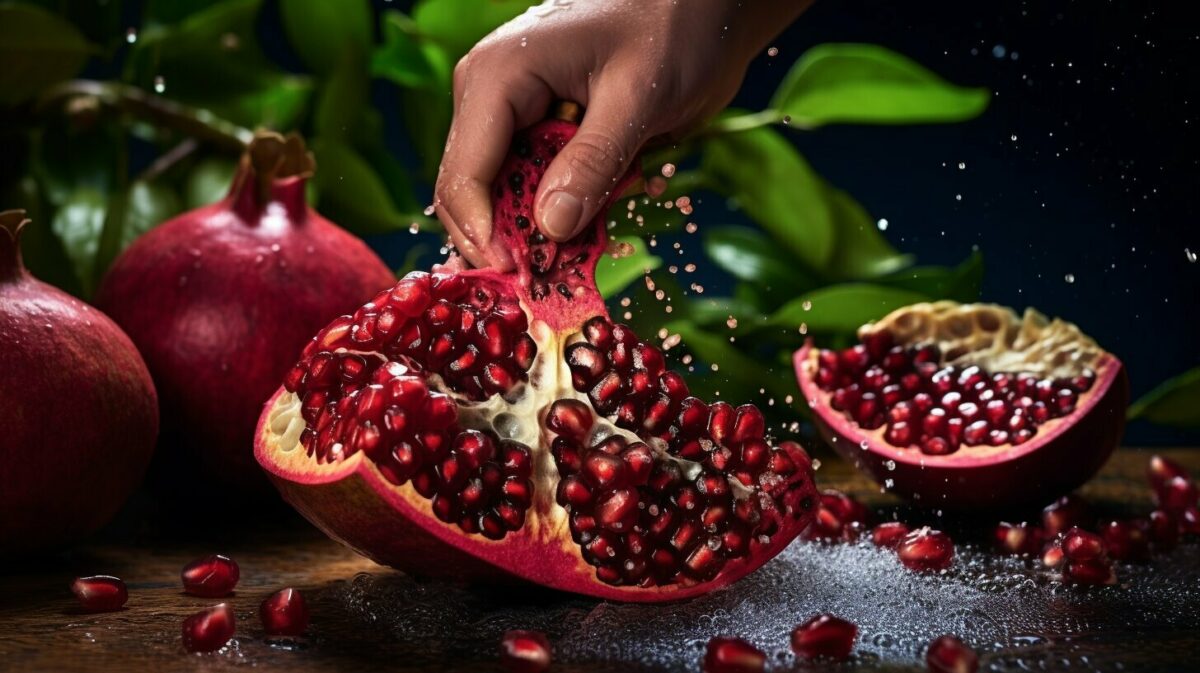
During the fall and winter, pomegranates are at their peak ripeness, ensuring a rich and flavorful taste. Their availability during this time allows you to fully embrace the seasonal produce and incorporate pomegranates into your favorite recipes.
When it comes to harvesting pomegranates, it's important to know how to choose ripe fruit. Look for pomegranates that have a vibrant color and feel heavy for their size. The skin should be smooth and free of blemishes. If you gently tap the fruit, a metallic sound indicates that it is perfectly ripe.
Once you've selected the perfect pomegranates, enjoy their juicy seeds as a refreshing snack, or use them to enhance both sweet and savory dishes. From salads to smoothies, cocktails to desserts, pomegranates add a delightful touch to various culinary creations. So make the most of this seasonal fruit and savor the delicious flavors it has to offer!
Section 11: Storing Pomegranate Seeds
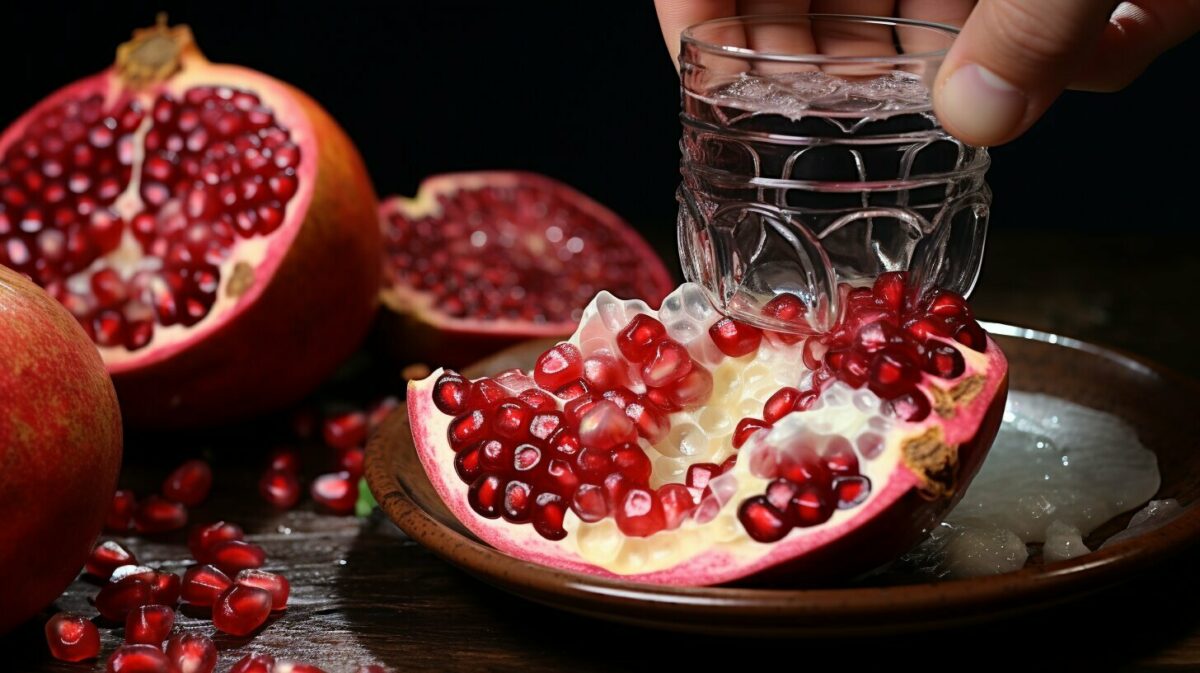
If you have leftover pomegranate seeds, you can store them for later use by following these simple tips. Proper storage ensures that the seeds remain fresh and preserve their vibrant flavor.
Storing Pomegranate Seeds
1. Place the pomegranate seeds in an airtight container. Glass or plastic containers with tight-fitting lids work well for this purpose. It's important to choose a container that seals tightly to prevent air and moisture from reaching the seeds.
2. Store the container in the refrigerator. The cool temperature helps to prolong the freshness of the seeds. Make sure to keep the container away from strong-smelling foods, as pomegranate seeds can absorb odors easily.
3. Consume the stored seeds within 3-4 days for optimal freshness. While pomegranate seeds can be stored for a longer period, it is best to enjoy them while they are still at their peak flavor and texture.
By following these storage tips, you can enjoy the delightful taste of pomegranate seeds even after cutting a fresh pomegranate. Whether you add them to salads, desserts, or use them as a topping for yogurt or oatmeal, properly stored pomegranate seeds will add a burst of flavor to your dishes.
| Storage Tips for Pomegranate Seeds |
|---|
| Use an airtight container |
| Keep the container in the refrigerator |
| Consume within 3-4 days for optimal freshness |
Dealing with Pomegranate Juice Stains
Pomegranate juice can leave stubborn stains, but with the right cleaning techniques, you can keep your hands and surfaces clean. To prevent staining, it's best to wear gloves when cutting or handling pomegranates. However, if your hands do come in contact with the juice, prompt action is key.
First, rinse your hands with cold water to dilute the juice and prevent it from setting. Avoid using hot water, as it can set the stains deeper into your skin. Next, apply a small amount of mild dish soap or hand soap to your hands and rub them together to create a lather. Be sure to thoroughly clean your hands, paying attention to any stained areas.
If the stains persist, you can try using a mixture of lemon juice and salt. Squeeze fresh lemon juice onto the stained areas and then sprinkle a generous amount of salt over the juice. Gently rub the mixture onto your hands, focusing on the stained areas. Let it sit for a few minutes, then rinse with cold water and pat dry.
For surfaces, such as countertops or cutting boards, that may have come into contact with pomegranate juice, wipe them immediately with a damp cloth or sponge. If the stains are stubborn, you can create a paste using baking soda and water. Apply the paste to the stained areas, let it sit for a few minutes, then scrub gently with a sponge or brush. Rinse thoroughly and dry.
Incorporating Pomegranate into Recipes
Get creative with pomegranate by incorporating it into a variety of recipes, ranging from salads to desserts. The juicy arils add a burst of vibrant color and a unique flavor to any dish. Here are some delicious ideas to inspire you:
- Pomegranate Salad: Toss fresh pomegranate arils with mixed greens, crumbled feta cheese, toasted walnuts, and a tangy vinaigrette for a refreshing and nutritious salad.
- Pomegranate Salsa: Combine diced pomegranate seeds, chopped tomatoes, red onion, jalapeno, cilantro, lime juice, and a pinch of salt for a zesty salsa that pairs well with grilled meats or as a dip with tortilla chips.
- Pomegranate Glazed Salmon: Brush a mixture of pomegranate juice, honey, soy sauce, and minced garlic onto salmon fillets. Bake or grill until the salmon is cooked through and the glaze is sticky and caramelized.
- Pomegranate Yogurt Parfait: Layer Greek yogurt, pomegranate arils, and granola for a healthy and satisfying breakfast or dessert.

These are just a few examples of how you can incorporate pomegranate into your favorite recipes. The possibilities are endless, so don't be afraid to experiment and discover new flavor combinations. Whether you're craving something sweet or savory, pomegranate is sure to elevate any dish and impress your taste buds.
Tips for Easy Pomegranate Prep
If you prefer alternative methods for pomegranate prep, here are some additional tips to simplify the process.
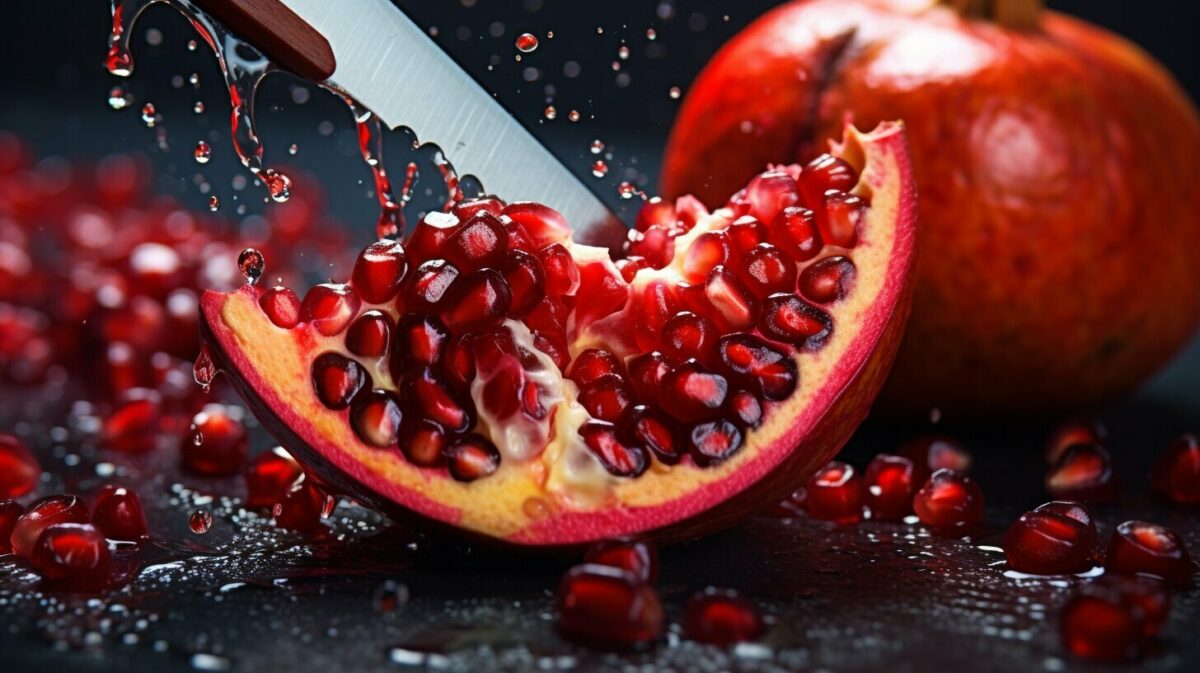
- Slice the fruit open: Instead of cutting off the top, you can try slicing the pomegranate in half horizontally. This will give you a larger surface area to work with and make it easier to access the seeds.
- Brush the arils off: Once you've opened the pomegranate, you can gently brush the arils off the skin using a spoon or your fingers. This method allows for a more delicate extraction of the seeds, minimizing the risk of damaging them.
- Pick out the seeds while they float in water: To simplify the seed extraction process, you can fill a bowl with water and gently separate the seeds from the membranes. As the seeds sink to the bottom, you can easily pick them out and discard the floating membranes.
Using these alternative techniques can save you time and effort when preparing pomegranates. Find the method that works best for you and enjoy the convenience of having fresh pomegranate seeds at your fingertips.
Now that you have discovered different ways to cut and prepare a pomegranate, you can explore various recipes and enjoy the delightful flavor and health benefits this fruit has to offer.
Conclusion
Cutting a pomegranate doesn't have to be daunting - with the step-by-step guide provided, you can easily enjoy the juicy and flavorful seeds of this remarkable fruit. By following a few simple steps, you'll be able to cut a pomegranate like a pro and unlock the deliciousness within.
Start by using a sharp knife to remove the top of the pomegranate. Then, score the sides of the fruit and gently peel it open to reveal the segments. Submerge these segments in a bowl of water and use your hands to separate the seeds from the membranes. Once the seeds have settled at the bottom of the bowl, carefully skim off the membranes and drain the seeds.
Now that you know how to cut a pomegranate, the possibilities are endless. You can enjoy the juicy seeds on their own as a healthy snack, or incorporate them into a variety of recipes, adding a burst of flavor and a touch of elegance. From salads to desserts, the vibrant red seeds of the pomegranate can elevate any dish.
So, don't hesitate to bring this fabulous fruit into your kitchen. With a little practice and the right technique, you can confidently cut a pomegranate and savor its delicious and nutritious seeds. Enjoy the process, and let the vibrant, tart-sweet flavor of the pomegranate brighten up your culinary creations.
Our Friends:
- https://www.instructables.com/How-to-Cut-a-Pomegranate/
- https://www.loveandlemons.com/how-to-cut-a-pomegranate/
- https://feelgoodfoodie.net/recipe/how-to-cut-a-pomegranate/
Frequently asked questions
- How do I cut a pomegranate?
Cutting a pomegranate is easy with this step-by-step guide. Start by cutting off the top, score the sides, open the fruit, and extract the seeds. Full instructions can be found in the article above.
- What tools do I need to cut a pomegranate?
You will need a sharp knife, a bowl, and water to cut a pomegranate effectively.
- How do I prepare a pomegranate for cutting?
To prepare a pomegranate, remove the top, score the sides, and create a cone shape for easier extraction of the seeds.
- How do I open a pomegranate?
After scoring the pomegranate, gently pull apart the fruit into segments to reveal the juicy arils inside.
- How do I extract the seeds from a pomegranate?
Submerge the pomegranate segments in water and use your hands to remove the seeds, separating them from the membranes.
- How do I remove the membranes from the pomegranate seeds?
Skim off the white membranes from the extracted seeds and drain them for a clean result.
- How can I enjoy the pomegranate seeds?
Pomegranate seeds can be enjoyed on their own or incorporated into recipes for added flavor and nutrition.
- What are some presentation tips for pomegranate seeds?
Consider using pomegranate seeds as a centerpiece on a fruit plate or incorporating them into a cheese plate for an elegant presentation.
- What are the health benefits of pomegranate?
Pomegranate is rich in antioxidants and offers a unique blend of tart and sweet flavors. It can contribute to overall well-being.
- When is pomegranate season and harvest?
Pomegranate season typically falls in the autumn and winter months. The best time to harvest pomegranates is when they are fully ripe for optimal flavor and quality.
- How can I store pomegranate seeds?
To store pomegranate seeds, keep them in an airtight container in the refrigerator to maintain their freshness.
- How do I remove pomegranate juice stains?
To remove pomegranate juice stains, wash your hands with soap and water or use lemon juice and salt as a natural stain remover. For surfaces, use a mild cleaning solution.
- How can I incorporate pomegranate into recipes?
Pomegranate seeds can be used in salads, desserts, smoothies, sauces, and more. Get creative and experiment with different recipes to enjoy their unique flavor.
- Are there any additional tips for easy pomegranate prep?
Yes, you can try slicing the pomegranate open, brushing the arils off, or picking out the seeds while they float in water for easier preparation.
AprilCook, recipe developer and the heart of Chefwiz. More about April