Guide
Discover the Best Knife for Carving Turkey - A Must Have!
Uncover the best knife for carving turkey with me! Slice with precision this holiday season. Ensure your roasts are served effortlessly, and tastefully!
 By April15 min read
In this guide
- Choosing the Right Carving Knife for Turkey
- Mercer Genesis Collection 10-Inch Granton Carving Knife - The…
- Victorinox Fibrox Carving Knife - Precision Cuts Made Easy
- Tiktaalik Field Knife Compact Chef’s Knife - Versatility at its Finest
- Wüsthof Classic Two-Piece Hollow Edge Carving Set - A Cut Above the…
- Messermeister Avanta 2-Piece Pakkawood Kullenschliff Carving Set -…
- Mercer Culinary M23011 Millennia 11-Inch Granton Edge Slicer - A…
- Shun DM-0720 Classic 9-Inch Hollow-Ground Knife - Japanese Precision
- Hammer Stahl Carving Knife and Fork Set - Stylish and Functional
- Conclusion
- Source Links
- FAQ
As someone who camps, kayaks, and skis all the time, I have an almost unhealthy obsession with finding the perfect everyday carry knife that can do anything I need it to in any situation. While Thanksgiving is approaching, my search turns to a different kind of blade: an everyday accessible meat-carving knife that excels at dicing up turkey. In this article, I will be presenting the top options for the best knife for carving turkey based on thorough testing and expert recommendations.
Choosing the Right Carving Knife for Turkey
When it comes to carving turkey, it's important to choose the right knife that will make the job easier and more efficient. While there are many options available, I have narrowed down the selection to three top knives that are highly recommended by experts and have been tested for their carving prowess. These knives offer the perfect blend of sharpness, ergonomics, and versatility, making them ideal for carving the Thanksgiving centerpiece with precision and ease.
Mercer Genesis Collection 10-Inch Granton Carving Knife - The Efficient Carver
The Mercer Genesis Collection 10-Inch Granton Carving Knife is a standout option for carving turkey. It features a thick Granton cutting edge, which allows large cuts of turkey to slough off effortlessly. The dense rubber handle provides a secure grip even with greasy hands, and the knife has a nice balance due to its hefty blade and handle. While it may not make precision cuts as well as some other knives, its efficiency in handling the larger cuts of turkey makes it the perfect choice for carving the bird.
Victorinox Fibrox Carving Knife - Precision Cuts Made Easy
The Victorinox Fibrox Carving Knife is another top contender for carving turkey. It is not as sharp as other options but is easily resharpened. The knife's high-carbon stainless steel blade and thin edge allow for perfect precision cuts on meat, especially on cooked breast meat. The handle is substantial and comfortable, providing a good grip during carving. While it may not excel in all areas, its ability to make precise cuts makes it a great choice for those who value chef-quality carving.
Tiktaalik Field Knife Compact Chef’s Knife - Versatility at its Finest
The Tiktaalik Field Knife Compact Chef’s Knife may be part of a three-piece set, but its versatility makes it a great choice for carving turkey. The knife features a hardy stainless-steel blade that is extremely sharp, making it ideal for prying the smallest bits of meat off the carcass. While its short length and thin profile may make it tougher to handle the larger cuts of the bird, its overall versatility as a multipurpose carving knife sets it apart from the rest.
When it comes to carving turkey, these three knives offer exceptional performance and quality. Whether you prioritize efficiency, precision, or versatility, there is a knife that will meet your carving needs. With the right knife in hand, you can confidently carve your Thanksgiving turkey with ease, ensuring a beautifully presented meal for you and your loved ones.
Mercer Genesis Collection 10-Inch Granton Carving Knife - The Efficient Carver
When it comes to carving turkey, the Mercer Genesis Collection 10-Inch Granton Carving Knife is a standout option. This knife is designed to make the task of carving turkey effortless and efficient, thanks to its exceptional features.
The Mercer Genesis carving knife features a thick Granton cutting edge, which allows large cuts of turkey to slough off effortlessly. The Granton edge creates air pockets between the blade and the meat, reducing friction and preventing sticking. This enables smooth and clean cuts without tearing or shredding the meat.
In addition, the dense rubber handle provides a secure grip even with greasy hands, ensuring safety and control during carving. The knife's balance is well-maintained due to its hefty blade and handle, further enhancing the ease of use.
While the Mercer Genesis Collection 10-Inch Granton Carving Knife may not excel in making precision cuts, it is unmatched in its efficiency when it comes to handling the larger cuts of turkey. With this knife in hand, you can confidently carve your Thanksgiving turkey with ease and precision, ensuring a beautifully presented meal for your family and friends.
https://www.youtube.com/watch?v=pXOyOv5vAsg
Features of the Mercer Genesis Collection 10-Inch Granton Carving Knife:
- Thick Granton cutting edge for effortless carving
- Dense rubber handle for a secure grip
- Well-balanced design for ease of use
Victorinox Fibrox Carving Knife - Precision Cuts Made Easy
When it comes to carving turkey, precision is key. That's why the Victorinox Fibrox Carving Knife is a top choice for those seeking to achieve clean, accurate cuts. With its sharp high-carbon stainless steel blade and thin edge, this knife effortlessly glides through the meat, allowing for precise slices every time. Whether you're carving cooked breast meat or working your way around the bones, the Victorinox Fibrox Carving Knife delivers exceptional performance.
One of the standout features of this knife is its comfortable and substantial handle. Made from a durable Fibrox material, it provides a secure grip, even when your hands are greasy. This ergonomic design allows for better control and reduces the risk of accidents during the carving process. Additionally, the knife is easy to resharpen, ensuring that it maintains its sharpness over time.
The Victorinox Fibrox Carving Knife offers precision and ease when it comes to carving turkey. Its sharp blade and comfortable handle make it a great choice for achieving clean, uniform slices of meat.
While the Victorinox Fibrox Carving Knife may not have all the bells and whistles of some other options, its focus on precision and functionality sets it apart. Whether you're a seasoned chef or a home cook preparing Thanksgiving dinner, this knife will make your carving experience easier and more enjoyable. With the Victorinox Fibrox Carving Knife in your arsenal, you can confidently create beautifully carved turkey dishes that will impress your family and friends.
Key Features of the Victorinox Fibrox Carving Knife:
- Sharp high-carbon stainless steel blade for precise cuts
- Thin edge for easy slicing through meat
- Comfortable and substantial handle for a secure grip
- Durable Fibrox material for long-lasting performance
- Easy to resharpen for maintaining sharpness
Tiktaalik Field Knife Compact Chef’s Knife - Versatility at its Finest
The Tiktaalik Field Knife Compact Chef’s Knife is a versatile and multipurpose tool that is well-suited for carving turkey. Its compact size and sharp stainless-steel blade make it ideal for maneuvering around the bird and tackling hard-to-reach areas. Whether you need to pry off small bits of meat or make precise cuts, this knife delivers with ease.
With its short length, the Tiktaalik Field Knife may not be the best option for handling larger cuts of turkey. However, its thin profile and exceptional sharpness allow it to excel in tasks that require finesse, such as deboning and trimming. It can also be used for other kitchen tasks beyond Thanksgiving, making it a valuable addition to any cook's arsenal.
Designed for both outdoor enthusiasts and home cooks, the Tiktaalik Field Knife Compact Chef’s Knife offers a balance between functionality and portability. Its versatility, sharpness, and durability make it a top choice for those seeking a reliable and efficient knife for carving turkey.
Wüsthof Classic Two-Piece Hollow Edge Carving Set - A Cut Above the Rest
When it comes to carving a delicious turkey, having the right knife is essential. One top-notch option is the Wüsthof Classic Two-Piece Hollow Edge Carving Set. This set offers exceptional quality and performance, making it a cut above the rest. With its high carbon stainless steel blade and hollowed edges, it provides effortless slicing and precise cuts, ensuring that your turkey is carved to perfection.
Not only does the Wüsthof Classic Carving Set excel in functionality, but it also offers great value. The set includes a carving knife and fork, providing everything you need for a seamless carving experience. The knife's blade has the perfect combination of sharpness and flexibility, allowing for precise carving without tearing or shredding the meat. The fork securely holds the turkey in place, making it easier to carve with precision.
One of the standout features of the Wüsthof Classic Carving Set is its durability. The high-quality materials used in its construction ensure that it will withstand years of use. The knife's handle is ergonomic and comfortable to hold, reducing fatigue during long carving sessions. Whether you're a seasoned chef or a novice in the kitchen, this carving set will make you feel like a pro.
| Pros | Cons |
|---|---|
| High-quality blade | Relatively higher price |
| Hollowed edges for easy slicing | Not suitable for precision cuts |
| Durable and ergonomic handle |
The Wüsthof Classic Two-Piece Hollow Edge Carving Set is an investment worth making for anyone who takes their turkey carving seriously. Its exceptional performance, durability, and versatility make it the best knife for carving turkey. Whether you're hosting a Thanksgiving feast or simply enjoy carving a turkey for special occasions, this carving set will ensure that you achieve professional-level results every time.
Messermeister Avanta 2-Piece Pakkawood Kullenschliff Carving Set - Quality and Durability
When it comes to carving turkey, the Messermeister Avanta 2-Piece Pakkawood Kullenschliff Carving Set offers both quality and durability. Developed for Le Cordon Bleu, this set has been designed with precision and performance in mind. The 8-inch blade is made from German stainless steel, ensuring long-lasting sharpness and excellent cutting ability.
One of the standout features of this set is the curved blade with a Granton edge. This unique design allows for easier cutting of meat on the bone, while also preventing food from sticking to the blade. Whether you're carving a juicy Thanksgiving turkey or slicing through a succulent roast, the Messermeister Avanta Carving Set provides the perfect tools for the job.
In addition to the exceptional blade, this carving set also features water-resistant pakkawood handles. Not only do they offer a comfortable grip, but they also add an attractive touch to the overall design. The set includes a 7-inch carving fork, which complements the knife perfectly, helping to guide the knife and hold the meat in place during the carving process.
Key Features of the Messermeister Avanta 2-Piece Pakkawood Kullenschliff Carving Set:
- 8-inch German stainless steel blade for superior cutting performance
- Curved blade with Granton edge for easy cutting of meat on the bone
- Water-resistant pakkawood handles for a comfortable grip
- Includes a 7-inch carving fork for added precision
"The Messermeister Avanta Carving Set is a reliable and high-quality option for carving turkey. The curved blade and Granton edge make it easy to cut through meat, while the water-resistant pakkawood handles provide a comfortable grip. Whether you're an experienced chef or a home cook, this carving set will help you achieve professional-level results."
With its quality craftsmanship and durable construction, the Messermeister Avanta 2-Piece Pakkawood Kullenschliff Carving Set is a top choice for anyone looking for the best knife for carving turkey. It offers exceptional performance, reliability, and value, ensuring that you can carve your Thanksgiving turkey with ease and precision. Say goodbye to uneven slices and hello to perfectly carved meat with this top-notch carving set.
Mercer Culinary M23011 Millennia 11-Inch Granton Edge Slicer - A Budget-Friendly and Efficient Option for Carving Turkey
I recently came across the Mercer Culinary M23011 Millennia 11-Inch Granton Edge Slicer, and I must say it is a budget-friendly gem when it comes to carving turkey. With its high-carbon steel blade and Granton edge design, this slicer effortlessly glides through meat, delivering clean and precise cuts every time. Whether you're carving a Thanksgiving turkey or preparing a juicy roast for a special occasion, this knife is up to the task.
One of the standout features of the Mercer Culinary M23011 is its Granton edge, which features small indentations along the blade. These indentations reduce friction, allowing the blade to glide through meat with ease and preventing food from sticking to the blade. This means you can carve your turkey without worrying about the meat tearing or sticking to the knife, resulting in beautifully presented slices.
Not only does the Mercer Culinary M23011 perform exceptionally well, but it also offers great value for the price. Its ergonomic handle provides a comfortable grip, making it easy to maneuver and control the knife while carving. Plus, the high-quality construction ensures durability and longevity, so you can rely on this knife for many Thanksgiving dinners to come.
If you're looking for a budget-friendly option that doesn't compromise on performance, the Mercer Culinary M23011 Millennia 11-Inch Granton Edge Slicer is definitely worth considering. With its efficient slicing capabilities and wallet-friendly price point, it is a reliable choice for carving turkey and other meats.
Features of the Mercer Culinary M23011 Millennia 11-Inch Granton Edge Slicer:
- 11-inch high-carbon steel blade with Granton edge design
- Ergonomic handle for a comfortable grip
- Effortlessly glides through meat, delivering clean and precise cuts
- Reduces friction and prevents food from sticking to the blade
- Budget-friendly option without compromising on performance
When it comes to carving turkey, having the right knife can make all the difference. The Mercer Culinary M23011 Millennia 11-Inch Granton Edge Slicer offers efficiency, precision, and great value for money, making it a top choice for anyone looking to carve a perfect Thanksgiving turkey.
Shun DM-0720 Classic 9-Inch Hollow-Ground Knife - Japanese Precision
When it comes to carving turkey, the Shun DM-0720 Classic 9-Inch Hollow-Ground Knife is the epitome of Japanese precision. This top-of-the-line knife offers exceptional craftsmanship and performance, making it a favorite among culinary enthusiasts. The razor-sharp blade effortlessly glides through meat, ensuring clean and precise cuts every time. Its hollow-ground design reduces friction, preventing food from sticking to the blade and allowing for smooth carving.
The Shun DM-0720 features a stunning pakkawood handle that not only adds style but also provides durability and a comfortable grip. The handle's ergonomic design ensures optimal control, making it easy to maneuver the knife with precision. Whether you're carving the Thanksgiving turkey or slicing other meats, this knife delivers exceptional performance that will impress even the most discerning chefs.
Although the Shun DM-0720 Classic 9-Inch Hollow-Ground Knife may come at a higher price point, its exceptional quality and versatility make it a worthwhile investment for those who appreciate the finer details of carving. This knife combines aesthetics, functionality, and performance, making it a must-have tool for any kitchen.
Hammer Stahl Carving Knife and Fork Set - Stylish and Functional
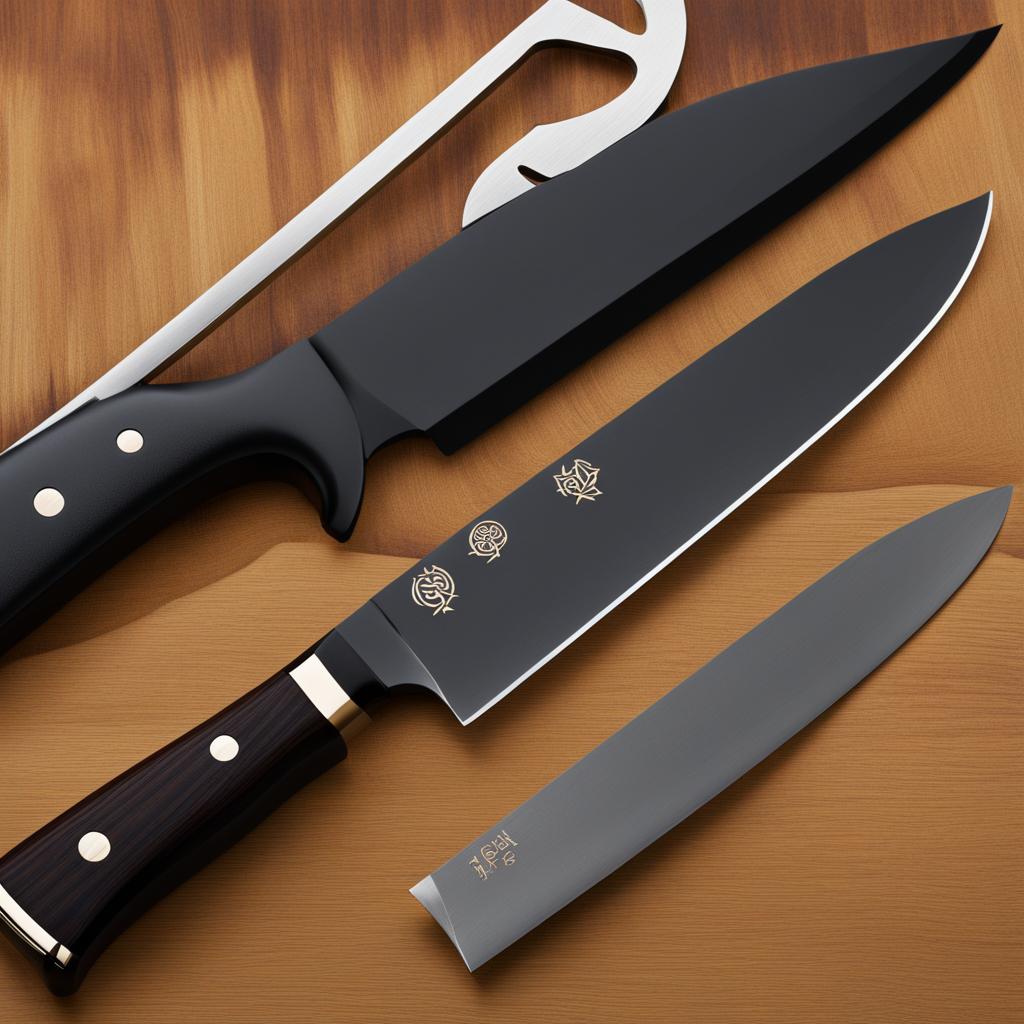
When it comes to carving turkey, having the right knife can make a world of difference in achieving perfect slices. The Hammer Stahl Carving Knife and Fork Set is a stylish option that combines both form and function, making it an excellent choice for your Thanksgiving feast. With its high-quality German carbon steel blade, this set offers a sharp and durable cutting edge that effortlessly glides through the meat. The pakkawood handle adds an attractive touch while providing a comfortable grip, allowing you to maintain control and precision during carving.
What sets the Hammer Stahl Carving Knife and Fork Set apart is its attention to detail. The set includes a fork that not only helps guide the knife but also holds the meat in place, making carving even easier. Whether you're slicing through the tender breast or tackling the tougher parts of the turkey, this set ensures a smooth and efficient carving experience.
"The Hammer Stahl Carving Knife and Fork Set offers both style and functionality, making it the perfect tool for carving your Thanksgiving turkey with precision and ease."
Not only does the Hammer Stahl Carving Knife and Fork Set perform exceptionally, but its elegant design adds a touch of sophistication to your holiday table. The German carbon steel blade is not only durable but also easy to maintain, ensuring that this set will serve you well for many Thanksgiving dinners to come. Whether you're a seasoned chef or an aspiring home cook, this set is sure to impress both in terms of performance and aesthetics.
Don't settle for subpar carving tools. Invest in the Hammer Stahl Carving Knife and Fork Set, and elevate your turkey carving game this Thanksgiving. With its stylish design, superior functionality, and exceptional performance, it's the best knife for carving turkey and a must-have for any Thanksgiving feast.
Conclusion
When it comes to carving turkey, having the right knife can make a world of difference. After thorough testing and expert recommendations, the Mercer Genesis Collection 10-Inch Granton Carving Knife, the Victorinox Fibrox Carving Knife, the Tiktaalik Field Knife Compact Chef’s Knife, and the Wüsthof Classic Two-Piece Hollow Edge Carving Set have emerged as the top choices for carving turkey.
Each knife has its own strengths and features, catering to different carving preferences. Whether you prioritize efficiency, precision, versatility, or durability, there is a perfect knife for you. With these top options in hand, you can confidently carve your Thanksgiving turkey with ease and precision, ensuring a deliciously presented meal for you and your loved ones.
Source Links
- https://www.thekitchn.com/best-carving-knife-262979
- https://www.outsideonline.com/outdoor-gear/tools/what-are-best-turkey-carving-knives/
- https://www.thespruceeats.com/best-carving-knives-5077432
Frequently asked questions
- What makes a good knife for carving turkey?
A good knife for carving turkey should have sharpness, ergonomics, and versatility. It should be able to make clean and precise cuts, handle larger cuts of meat with ease, and provide a comfortable grip even with greasy hands.
- How do I choose the right carving knife for turkey?
When choosing a carving knife for turkey, consider factors such as the sharpness of the blade, the handle's grip and comfort, and the knife's overall balance. It's also important to assess the knife's ability to make precise cuts and handle the size of the cuts you'll be making.
- What is the Mercer Genesis Collection 10-Inch Granton Carving Knife known for?
The Mercer Genesis Collection 10-Inch Granton Carving Knife is known for its efficiency in handling larger cuts of turkey. Its thick Granton cutting edge allows large cuts of meat to slough off effortlessly. It also features a secure grip handle and a nice balance due to its hefty blade and handle.
- What are the key features of the Victorinox Fibrox Carving Knife?
The Victorinox Fibrox Carving Knife is known for its high-carbon stainless steel blade and thin edge, which allow for perfect precision cuts on meat. While it may not be as sharp as other options, it is easily resharpened. The knife also features a comfortable and substantial handle for a good grip during carving.
- What sets the Tiktaalik Field Knife Compact Chef’s Knife apart?
The Tiktaalik Field Knife Compact Chef’s Knife is known for its versatility. While it may be part of a three-piece set, it excels as a multipurpose carving knife. Its hardy stainless-steel blade is extremely sharp, making it ideal for prying small bits of meat off the carcass. However, its short length and thin profile may make it more challenging to handle larger cuts of the bird.
- What does the Wüsthof Classic Two-Piece Hollow Edge Carving Set offer?
The Wüsthof Classic Two-Piece Hollow Edge Carving Set is a top-notch option for carving turkey. It includes a carving knife and fork, providing everything you need for a seamless carving experience. The high carbon stainless steel blade and hollowed edges of the knife allow for easy slicing and precise cuts.
- What makes the Messermeister Avanta 2-Piece Pakkawood Kullenschliff Carving Set reliable?
The Messermeister Avanta 2-Piece Pakkawood Kullenschliff Carving Set is known for its quality and durability. Developed for Le Cordon Bleu, this set features a durable and sharp 8-inch blade made from German stainless steel. The curved blade and Granton edge make cutting meat on the bone easier and prevent food from sticking.
- Is the Mercer Culinary M23011 Millennia 11-Inch Granton Edge Slicer budget-friendly?
Yes, the Mercer Culinary M23011 Millennia 11-Inch Granton Edge Slicer is a budget-friendly option. It offers a high-carbon steel blade with a Granton edge, allowing for easy slicing and food to pull away from the blade. The ergonomic handle makes it comfortable to hold and easy to use, making it a great option for beginner cooks.
- What sets the Shun DM-0720 Classic 9-Inch Hollow-Ground Knife apart from other options?
The Shun DM-0720 Classic 9-Inch Hollow-Ground Knife is a top-of-the-line Japanese knife known for its precision and performance. Its sharp blade and hollow ground design effortlessly slice through meat, making clean cuts every time. The pakkawood handle adds style and durability to this knife.
- Is the Hammer Stahl Carving Knife and Fork Set both stylish and functional?
Yes, the Hammer Stahl Carving Knife and Fork Set combines both form and function. The German carbon steel blade offers a sharp and durable cutting edge, while the pakkawood handle adds an attractive touch and a comfortable grip. The set includes a fork that helps guide the knife and holds the meat in place during carving.
AprilCook, recipe developer and the heart of Chefwiz. More about April