Salsa
Rate this recipeBe the first to rate
 By AprilPublished
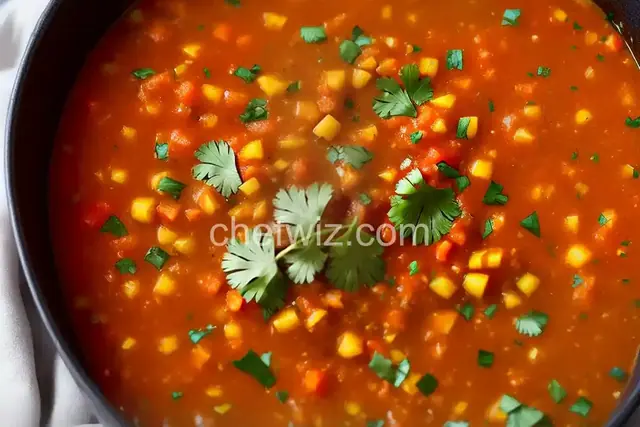
 Are you ready to add a burst of flavor to your meals? Look no further than salsa!
 By AprilPublished
 Are you ready to add a burst of flavor to your meals? Look no further than salsa!
Collect all the necessary ingredients.
In a medium-sized mixing bowl, mix together tomatoes, onion, tomatillo, cilantro, garlic, lime juice, and salt.
Incorporate 1/2 of the jalapeño pepper and taste the salsa.
If you prefer a spicier salsa, add the remaining 1/2 jalapeño.
Cover the salsa and refrigerate until it is ready to be served.
Are you ready to add a burst of flavor to your meals? Look no further than salsa! This delectable condiment is the perfect blend of flavors and spices that can transform any dish into a culinary masterpiece. Whether you're a fan of mild or spicy, there's a salsa out there that will satisfy your taste buds. But what exactly is salsa, and how can you incorporate it into your cooking? Let's dive in and explore the world of salsa together!
Salsa, which means "sauce" in Spanish, is a versatile condiment that originated in Latin America. It typically consists of a combination of tomatoes, onions, peppers, and various herbs and spices. However, salsa isn't limited to just one recipe. There are countless variations and regional styles, each with its own unique twist. From the fresh and chunky pico de gallo to the smooth and fiery habanero salsa, the possibilities are endless.
Salsa is incredibly versatile and can be used in a variety of ways to enhance the flavor of your favorite dishes. Here are a few ideas to get you started:
Salsa is a classic dip for tortilla chips, but it can also be enjoyed with fresh vegetables, pita bread, or even as a topping for grilled meats.
Add a spoonful of salsa to your tacos, burgers, or sandwiches for an extra burst of flavor. It's also delicious on top of scrambled eggs or grilled fish.
Marinating meat or seafood in salsa before cooking can infuse it with incredible flavor. It works particularly well with chicken, shrimp, or tofu.
Whisk salsa with olive oil, lime juice, and a touch of honey for a quick and flavorful salad dressing.
Try making a tangy salsa verde with tomatillos, jalapenos, cilantro, and lime juice. It's perfect for drizzling over grilled vegetables or as a sauce for enchiladas.
Salsa isn't just delicious – it's also packed with health benefits. Here are a few reasons why you should incorporate salsa into your diet:
Tomatoes, one of the main ingredients in salsa, are rich in antioxidants like lycopene, which can help protect against certain types of cancer and promote heart health.
Peppers, another common ingredient in salsa, are a great source of vitamin C, which plays a vital role in immune function and collagen production.
Salsa is a low-calorie condiment, making it a guilt-free way to add flavor to your meals without adding extra pounds.
The vegetables in salsa are packed with fiber, which can aid in digestion and help you feel fuller for longer.
Salsa is a versatile and delicious condiment that can elevate any dish. Whether you're enjoying it as a dip, topping, or marinade, salsa adds a burst of flavor that will leave your taste buds dancing. Not only is it incredibly tasty, but it's also packed with health benefits. So go ahead, experiment with different salsa recipes, and discover your favorite combination of flavors and spices. Get ready to take your meals to the next level with the perfect blend of salsa!
Salsa can range from mild to extremely spicy, depending on the ingredients used. If you prefer a milder salsa, look for ones labeled "mild" or "medium."
Absolutely! In fact, salsa often tastes better after the flavors have had a chance to meld together. Just store it in an airtight container in the refrigerator.
Yes, you can freeze salsa. However, keep in mind that the texture may change slightly once thawed. It's best to use frozen salsa within three months.
Yes, canned tomatoes can be used to make salsa if fresh tomatoes are not available. Just be sure to drain any excess liquid before using them.
Yes, salsa is a healthy choice. It's low in calories, fat-free, and packed with vitamins and antioxidants.
Absolutely! If you're not a fan of onions, simply omit them from the recipe or replace them with another vegetable like bell peppers or corn.
Homemade salsa can last up to one week in the refrigerator if stored properly in an airtight container.
Absolutely! Salsa can add a delicious burst of flavor to your pizza. Spread it on the crust before adding your toppings for a unique twist.
AprilCook, recipe developer and the heart of Chefwiz. More about April