Zea Grits
Rate this recipeBe the first to rate
 By AprilPublished
 When it comes to comfort food, few things can compare to a warm, hearty bowl of Zea Grits.
 By AprilPublished
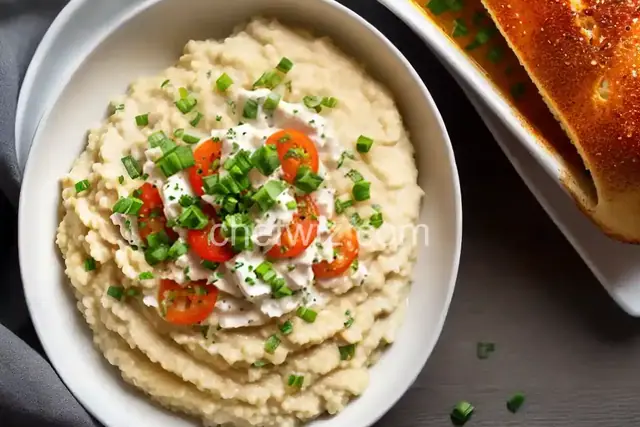
 When it comes to comfort food, few things can compare to a warm, hearty bowl of Zea Grits.
Heat the liquids until they start boiling.
Add the grits to the boiling liquids and stir.
Incorporate the butter into the mixture.
Reduce the heat to a simmer and continue cooking until the mixture thickens.
Finally, add the corn to the mixture and stir it in.
When it comes to comfort food, few things can compare to a warm, hearty bowl of Zea Grits. These creamy, savory grits have long been a staple in Southern cuisine, and for good reason. But what exactly are Zea Grits, and what makes them so special? In this article, we'll dive into the world of Zea Grits, exploring their origins, preparation methods, and why they have become a beloved dish in the South.
Like many iconic Southern dishes, Zea Grits have humble origins. They can be traced back to Native American cultures, who first cultivated corn thousands of years ago. Corn quickly became a vital crop in the South, and its versatility led to the creation of various corn-based dishes, including grits. Grits were traditionally made by grinding dried corn into a coarse meal, which was then cooked into a thick porridge. Over time, different regions developed their own unique variations of grits, each with its own distinct flavors and cooking techniques.
What sets Zea Grits apart from other types of grits is the type of corn used. Zea Grits are made from a specific variety of corn known as Zea mays, which is native to the South. This corn has a higher starch content, resulting in grits that are creamier and smoother in texture. The flavor of Zea Grits is also more pronounced, with a slightly sweet and nutty taste that complements a wide range of savory dishes.
One of the reasons Zea Grits have become so beloved in the South is their versatility. They can be served as a simple side dish, topped with butter and salt, or they can be incorporated into more elaborate recipes. From shrimp and grits to grits casserole, the possibilities are endless. Zea Grits can even be used as a base for sweet dishes, such as grits pudding or grits pancakes. Their adaptability makes them a favorite among home cooks and professional chefs alike.
While Zea Grits can be found in stores and restaurants across the South, many die-hard grits enthusiasts prefer to make them from scratch. The process can be time-consuming, as it involves soaking the corn overnight, then simmering it slowly until it reaches the desired consistency. But for those who are willing to put in the effort, the results are well worth it. Homemade Zea Grits have a depth of flavor and creaminess that simply can't be replicated with store-bought varieties.
When it comes to serving Zea Grits, the possibilities are endless. They can be enjoyed as a comforting breakfast, a satisfying side dish, or even the star of the show in a main course. Whether you prefer them plain and simple or jazzed up with your favorite toppings and mix-ins, Zea Grits are sure to satisfy even the most discerning palates.
Zea Grits are more than just a simple corn-based dish. They represent the rich history and diverse culinary traditions of the South. From their humble origins to their versatility in the kitchen, Zea Grits have captivated the hearts and taste buds of food enthusiasts across the country. Whether you enjoy them as a comforting breakfast or as the star of a gourmet dinner, Zea Grits are sure to bring a touch of Southern charm to your table.
No, Zea Grits require a specific type of corn known as Zea mays. Regular cornmeal will not yield the same creamy texture and distinct flavor.
Yes, Zea Grits are naturally gluten-free, making them a great option for individuals with gluten sensitivities or celiac disease.
The cooking time for Zea Grits can vary depending on the desired consistency. On average, it takes about 30-40 minutes to cook Zea Grits to a creamy, smooth texture.
Yes, you can freeze leftover Zea Grits. Simply transfer them to an airtight container and store in the freezer for up to three months. To reheat, thaw in the refrigerator overnight and then gently warm on the stovetop or in the microwave.
Popular toppings for Zea Grits include butter, cheese, bacon, green onions, and shrimp. Get creative and experiment with different flavor combinations to find your favorite.
Yes, you can make Zea Grits in a slow cooker. Simply combine the ingredients in the slow cooker and cook on low for 6-8 hours or on high for 3-4 hours, stirring occasionally.
Zea Grits are a good source of carbohydrates and provide essential nutrients like fiber, iron, and B vitamins. However, their healthiness ultimately depends on how they are prepared and what toppings are added.
Yes, Zea Grits can be used in baking. They can add flavor and texture to bread, muffins, and even cookies. Experiment with different recipes to discover the wonderful world of Zea Grits in baking.
AprilCook, recipe developer and the heart of Chefwiz. More about April