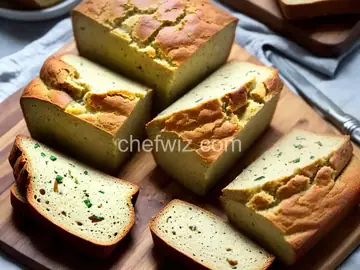
Za'atar Bread
Rate this recipeBe the first to rate
 By AprilPublished
 Have you ever tasted a dish that instantly transported you to a different world?
 By AprilPublished
 Have you ever tasted a dish that instantly transported you to a different world?
Begin by dissolving the yeast in warm water in a large bowl.
Add 3 cups of flour and salt to the bowl and mix well.
Gradually stir in the remaining flour, adding 1/2 cup at a time, and beat well after each addition.
Transfer the dough onto a lightly floured work surface.
Knead the dough for approximately 10 minutes until it becomes smooth.
Grease a bowl and place the dough in it, ensuring it is coated with oil. Cover the bowl and allow the dough to rise in a warm place until it doubles in size, which usually takes about 1 hour.
Preheat your oven to 500 degrees F (260 degrees C).
Divide the dough into 16 equal pieces and shape each piece into a round.
Roll the rounds into circles that are about 1/4-inch thick.
Use your fingers to create small indentations on the circles.
In a small bowl, combine the za'atar and olive oil, and then spread this mixture over the circles.
Place the circles on baking sheets that have not been greased.
Bake the circles in the preheated oven for approximately 5 to 6 minutes, or until the dough turns golden brown.
Have you ever tasted a dish that instantly transported you to a different world? A dish that tantalizes your taste buds and leaves you craving for more? Well, if you haven't tried Za'atar bread yet, you're in for a treat! Za'atar bread is a Middle Eastern delicacy that combines the aromatic flavors of herbs and spices with the comforting warmth of freshly baked bread. In this article, we will explore the wonders of Za'atar bread and why it has gained popularity around the world.
Like many traditional dishes, Za'atar bread has a rich history that dates back centuries. It originated in the Levant region, which includes countries such as Lebanon, Syria, and Jordan. The name "Za'atar" refers to both the herb blend used in the bread and the bread itself. The herb blend consists of dried thyme, sumac, sesame seeds, and salt, which are ground together to create a flavorful mixture.
Creating the perfect Za'atar bread is an art form that requires skill and precision. The dough is made using a combination of flour, yeast, water, and olive oil. Once the dough has risen, it is rolled out into thin rounds and generously sprinkled with the Za'atar herb blend. The bread is then baked in a hot oven until golden brown and crispy.
When you take your first bite of Za'atar bread, you'll be greeted with a burst of flavors. The combination of the earthy thyme, tangy sumac, nutty sesame seeds, and the hint of salt creates a taste sensation like no other. The bread itself is soft and fluffy on the inside, while the crust is delightfully crisp. It's a perfect balance of textures that will leave you craving for more.
One of the things that make Za'atar bread so popular is its versatility. It can be enjoyed as a standalone snack, served alongside dips and spreads, or used as a base for sandwiches. The herb blend can also be used in various other dishes, such as roasted vegetables, grilled meats, or even sprinkled on top of salads for an extra flavor punch.
Not only is Za'atar bread a culinary delight, but it also comes with a range of health benefits. The herb blend used in Za'atar bread is known for its antioxidant properties and has been used in traditional medicine for centuries. Thyme, one of the main ingredients in Za'atar, is believed to have anti-inflammatory and antimicrobial properties, making it beneficial for digestion and respiratory health.
Za'atar bread is a culinary masterpiece that combines the aromatic flavors of herbs and spices with the comforting warmth of freshly baked bread. Its versatility, burst of flavors, and health benefits make it a delightful addition to any meal. Whether you enjoy it as a snack or incorporate it into your favorite dishes, Za'atar bread is sure to leave a lasting impression on your taste buds. So, why not embark on a flavorful journey and try Za'atar bread today?
Yes, you can make Za'atar bread without yeast by using baking powder instead. However, keep in mind that the texture and flavor may differ slightly.
Za'atar herb blend can be found in Middle Eastern grocery stores or online. Alternatively, you can make your own blend by combining dried thyme, sumac, sesame seeds, and salt.
Za'atar bread is best enjoyed fresh out of the oven. However, it can be stored in an airtight container at room temperature for up to 2 days. You can also freeze Za'atar bread for longer storage.
Absolutely! Za'atar herb blend can be used to add a delicious flavor to a variety of dishes, such as roasted vegetables, grilled meats, or sprinkled on top of salads.
Traditional Za'atar bread is not gluten-free as it is made with wheat flour. However, you can experiment with gluten-free flours to create a gluten-free version of Za'atar bread.
Yes, you can make Za'atar bread using a bread machine. Simply follow the instructions provided by the manufacturer for making dough and then proceed with rolling out and baking the bread.
While the traditional Za'atar herb blend consists of thyme, sumac, sesame seeds, and salt, you can experiment with adding other herbs such as oregano, marjoram, or even fresh parsley for added flavor.
Definitely! Za'atar herb blend can be used as a seasoning for various dishes, such as hummus, roasted chicken, grilled fish, or even sprinkled on top of pizzas and flatbreads.
AprilCook, recipe developer and the heart of Chefwiz. More about April