Yummy Vegan Pesto Classico
Rate this recipeBe the first to rate
 By AprilPublished
 Who doesn't love a good pesto sauce? It's creamy, flavorful, and versatile.
 By AprilPublished
 Who doesn't love a good pesto sauce? It's creamy, flavorful, and versatile.
In a skillet set to medium heat, place the pine nuts and stir them constantly until they become lightly toasted.
Using a food processor, combine the toasted pine nuts, olive oil, garlic, nutritional yeast, and basil. Process the mixture until it becomes smooth.
Add salt and pepper to season the mixture.
Who doesn't love a good pesto sauce? It's creamy, flavorful, and versatile. But what if you're following a vegan diet and can't have the traditional pesto made with Parmesan cheese? Fear not, because I'm here to introduce you to the delicious world of vegan pesto classico.
Vegan pesto classico is a plant-based version of the classic Italian sauce. Instead of using Parmesan cheese, it relies on nutritional yeast to provide that cheesy, umami flavor. Nutritional yeast is a deactivated yeast that is rich in B vitamins and has a cheesy, nutty taste. It's a staple in the vegan pantry and adds a wonderful depth of flavor to dishes like pesto.
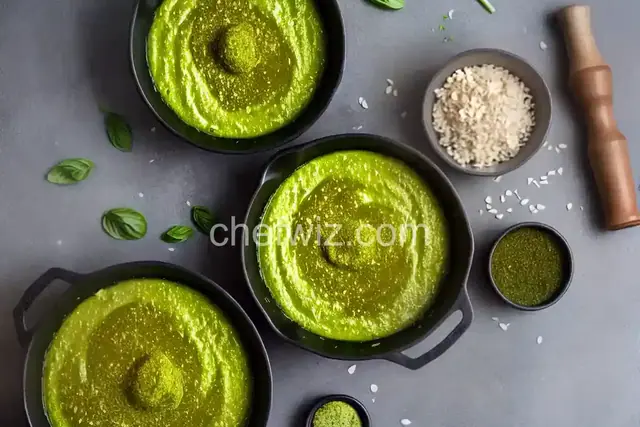
Just like traditional pesto, vegan pesto classico starts with a base of fresh basil leaves, garlic, pine nuts, and olive oil. These ingredients give the sauce its vibrant green color and aromatic flavor. The pine nuts add a rich creaminess to the pesto, while the garlic provides a pungent kick.
To brighten up the flavors of the pesto and add a tangy note, a squeeze of lemon juice is added. The acidity of the lemon juice balances out the richness of the olive oil and pine nuts, making the pesto taste even more vibrant and refreshing.
To enhance the flavors of the pesto, a pinch of salt and pepper is added. The salt brings out the natural flavors of the ingredients, while the pepper adds a hint of spice. Adjust the seasoning to your taste, keeping in mind that the nutritional yeast also adds a salty flavor.
Now that we have all the ingredients, it's time to blend them together to create the creamy vegan pesto classico. You can use a food processor or a blender for this step. Simply add the basil leaves, garlic, pine nuts, nutritional yeast, lemon juice, salt, and pepper into the blender or food processor. While blending, slowly drizzle in the olive oil until the mixture reaches a smooth and creamy consistency.
Vegan pesto classico is incredibly versatile and can be used in a variety of dishes. It's perfect as a pasta sauce, spread on sandwiches, or even as a dip for fresh vegetables. You can also use it as a marinade for grilled veggies or tofu, adding a burst of flavor to your dishes.
Vegan pesto classico is a delicious and nutritious alternative to traditional pesto. It's packed with flavor and can be enjoyed by vegans and non-vegans alike. So next time you're craving a creamy, cheesy sauce, give this vegan version a try. You won't be disappointed!
Yes, you can freeze vegan pesto classico. Just transfer it to an airtight container or ice cube trays and store it in the freezer for up to 3 months.
Absolutely! If you're allergic to pine nuts or simply don't have any on hand, you can substitute them with walnuts, cashews, or even sunflower seeds.
Vegan pesto classico can be stored in the refrigerator for up to 5 days. Just make sure to keep it in an airtight container to maintain its freshness.
While fresh basil is preferred for its vibrant flavor, you can use dried basil if that's all you have. Just remember to use less dried basil compared to fresh, as it has a more concentrated flavor.
Yes, vegan pesto classico is gluten-free as long as you use gluten-free nutritional yeast and check that all your other ingredients are also gluten-free.
Absolutely! While the classic pesto recipe calls for basil, you can experiment with other herbs like parsley, cilantro, or even spinach to create your own unique variations.
Yes, you can use a different oil if you prefer. Extra virgin olive oil is the traditional choice, but you can use avocado oil, walnut oil, or even sunflower oil.
Yes, you can adjust the consistency of the pesto by adding more or less olive oil. If you prefer a thicker pesto, use less oil. If you want a smoother, creamier texture, add more oil.
AprilCook, recipe developer and the heart of Chefwiz. More about April